Getting a Whippet to Tolerate Nail Trims
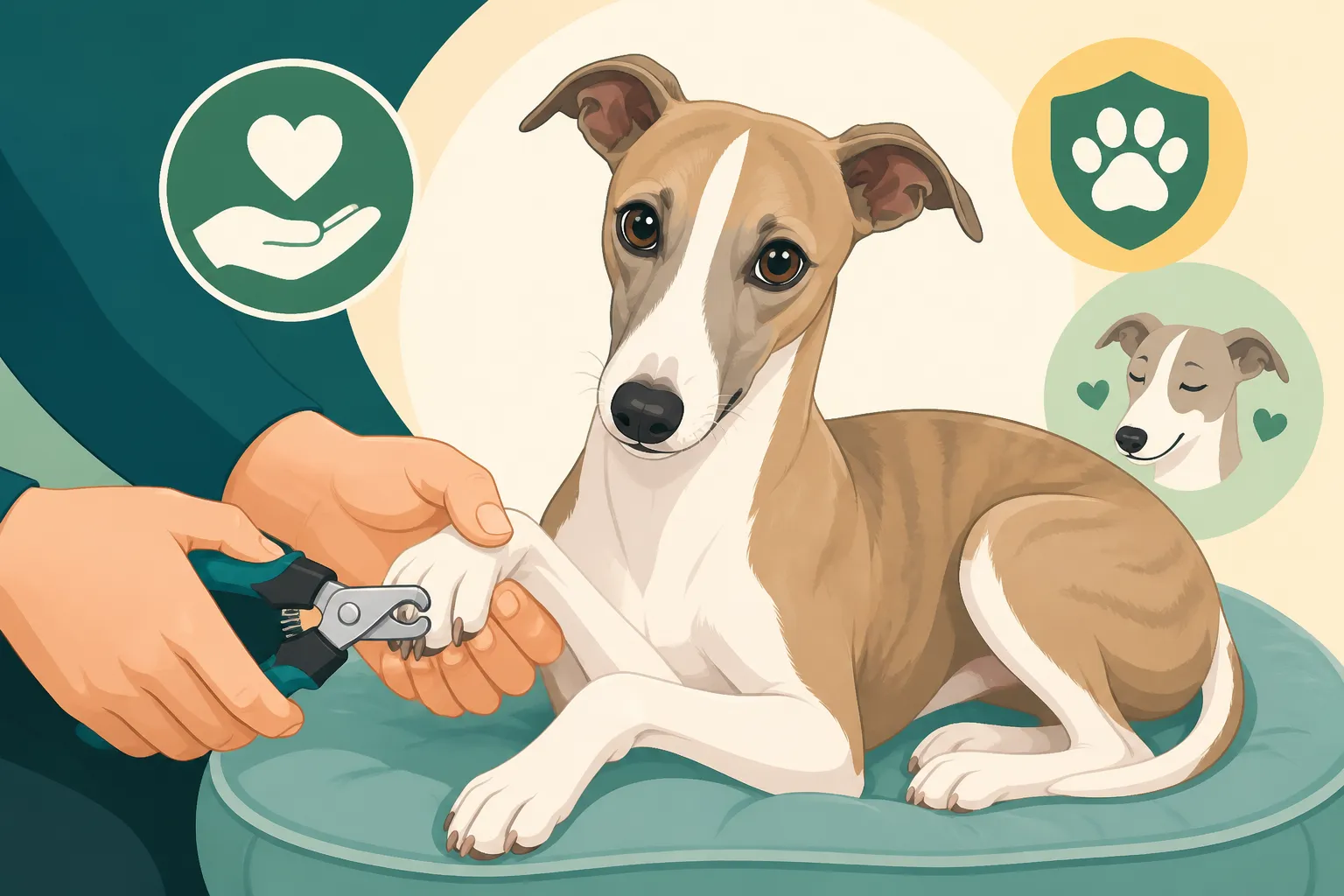
It's a familiar scene in many Whippet homes: the clippers come out, and your normally laid-back companion suddenly transforms into a squirming, panicked bundle of muscle and sinew. Getting a Whippet to tolerate nail trims can feel like an Olympic sport, fraught with tension for both dog and owner. This guide is here to walk you through understanding why your Whippet might be so resistant and, more importantly, how to transform nail care from a dreaded chore into a manageable, even calm, routine using patience, positive reinforcement, and the right approach.
Understanding Why Whippets Hate Nail Trims
Before we even pick up a tool, it's crucial to understand why so many Whippets develop an intense aversion to nail trims. It’s rarely about malice or stubbornness; it’s almost always rooted in fear, discomfort, or past negative experiences. Our sensitive sighthounds perceive the world differently, and what might be a minor inconvenience for another breed can be a genuine trauma for a Whippet.
The Quick: A Sighthound's Sensitive Secret
One of the primary reasons Whippets dread nail trims is the ever-present threat of hitting the "quick." Unlike many breeds that have opaque nails, a significant number of Whippets, especially those with lighter nail colors, have transparent or translucent nails where the quick—the living tissue containing blood vessels and nerves—is clearly visible. This can be a blessing and a curse. While it should make it easier to avoid, the mere sight of that pink line can induce panic in a dog who's had a bad experience.
Imagine having a sensitive part of your body that could bleed and cause sharp pain if accidentally clipped. That's essentially what the quick represents to your Whippet. It's not just the immediate pain, but also the shock and the lingering discomfort that creates a lasting negative association. A quicked nail can bleed quite profusely, making the experience even more frightening. For a dog as delicate and aware of its body as a Whippet, this can be a huge hurdle. Understanding Finding the Quick on a Whippet's Nail is paramount to minimizing these incidents.
Negative Associations and Past Trauma
Even if you've never hit the quick, your Whippet might have picked up on your anxiety during nail trims. Dogs are masters at reading our emotions. If you're tense, they'll be tense. Perhaps a past owner or a vet visit where they were forcibly restrained for a trim created a lasting impression. Every time the clippers appear, your Whippet remembers that feeling of being held down, of discomfort, or even pain. This makes future sessions incredibly difficult.
It's a vicious cycle: the more they resist, the more we might feel we need to restrain them, which only reinforces their fear. This is where the concept of "flooding" comes in—overwhelming a dog with a situation they fear, which can actually worsen the problem and break down trust. This can be especially damaging for a sensitive breed like a Whippet, as Why Harsh Handling Ruins a Whippet can attest. They remember these things, and it takes consistent, gentle effort to undo them.
Their General Sensitivity and Body Awareness
Whippets are not just physically delicate with their thin skin and low body fat; they are also incredibly emotionally sensitive. They bruise easily, both physically and emotionally. Their lean build means they often feel pressure points more acutely, and being held or manipulated can feel more intense to them than to a stockier, more padded breed. They are highly attuned to touch, and an awkward grip or a sudden movement can be jarring.
This inherent sensitivity means they often don't appreciate being manhandled. They're typically dogs that thrive on gentle handling and clear, calm communication. Their body language, though subtle, often screams "I'm uncomfortable" long before they resort to struggling. Recognizing these early signs of stress—lip licking, yawning, looking away, freezing—is crucial. Ignoring these signals can escalate their anxiety, making the next attempt even harder.
The Right Tools for the Job
Having the correct equipment is half the battle when trying to make nail trims a less stressful experience for your Whippet. Poor tools can make the process longer, more uncomfortable, and increase the chance of mishaps, further cementing your dog's dislike for the process.
Clippers vs. Grinders: Which is Best for Your Whippet?
When it comes to actually shortening your Whippet's nails, you generally have two main choices: traditional clippers or a dremel-style grinder. Both have their pros and cons, and the "best" one depends on your Whippet's comfort level and your own confidence.
- Guillotine Clippers: These are often small, easy to use, and can make quick work of a nail if your dog is cooperative. They work by placing the nail into a hole and squeezing a handle, cutting the tip off. However, the "snapping" sensation and sound can be alarming to some sensitive Whippets, and if not sharp, they can crush the nail rather than cutting it cleanly, causing discomfort. It’s essential to keep them very sharp; dull clippers are a nightmare. You can find decent ones on platforms like Amazon or Chewy.
- Scissor-Style Clippers: These resemble small scissors with curved blades. They offer more control than guillotine clippers and are often preferred for larger, thicker nails, though they work perfectly well for Whippets too. Again, sharpness is key.
- Dremel/Grinder: These electric tools file the nail down gradually. Many owners find grinders less intimidating than clippers because there's no sudden "snip." The vibration and sound can be a hurdle for some dogs, but others tolerate it better as it's a slow, controlled process. Grinding also allows you to gradually round off the nail and get closer to the quick without cutting it, which can be a huge confidence booster for both you and your Whippet. Brands like Dremel make pet-specific models, widely available.
Ultimately, the choice comes down to what your individual Whippet tolerates best. Some dogs are simply too fearful of the sound and vibration of a grinder, while others flinch at the sensation of clippers. It’s worth trying both if you can, or at least one, and observing your dog’s reaction. Sometimes, alternating or using a grinder for maintenance after an initial clip can work well.
Essential Accessories for a Positive Experience
Beyond the main trimming tool, a few other items can make a world of difference in making nail trims more positive and safer:
- High-Value Treats: These are non-negotiable! Think tiny pieces of cooked chicken, cheese, or even squeezed cheese from a tube. Whatever your Whippet absolutely adores and rarely gets, use it. These treats are your primary tool for counter-conditioning and making the experience positive. What a Whippet Will Work For often includes these highly desirable food rewards.
- Styptic Powder: Accidents happen, even to the most careful owners. Having styptic powder (like Kwik Stop) on hand is crucial. If you accidentally nick the quick, this powder quickly stops the bleeding and helps prevent further panic. It's a small container but a mighty tool for peace of mind.
- Non-Slip Mat: Whippets are sleek and can easily slide on hard floors. A non-slip mat or even a bath mat can give them better footing and make them feel more secure during the process, reducing their overall stress.
- Good Lighting: Don't try to trim nails in a dim corner! Good lighting allows you to clearly see the nail structure and, importantly, the quick, especially if your Whippet has dark nails.
- Helper (Optional but Recommended): Especially in the beginning, having a second person to hold your Whippet gently and dispense treats can make the process much smoother. One person focuses on the dog, the other on the nails.
Desensitization and Counter-Conditioning: The Gentle Approach
This is where the real magic happens. You're not going to force your Whippet to accept nail trims. Instead, you're going to teach them, patiently and positively, that nail trims are actually pretty great because they predict wonderful things like delicious treats! This process is called desensitization and counter-conditioning. It takes time, but it's the most effective and humane way to build lasting trust.
Starting Slow: Touch and Treats
The first step is to get your Whippet comfortable with having their paws handled, without any tools in sight. This might seem basic, but it's fundamental.
- Casual Touch: While you're relaxing on the sofa, gently touch your Whippet's leg. Immediately give a high-value treat. Repeat this many, many times over several days. The goal is for them to associate your hand on their leg with something positive.
- Paw Holds: Once comfortable with leg touches, move to gently holding a paw for a second or two. Treat. Release. Repeat. Gradually increase the duration you hold the paw. Don't push it. If they pull away, stop, wait a moment, and try again with a lighter touch. Remember, How a Whippet Learns When It Bruises From Pressure means they're sensitive to your grip.
- Individual Toe Touches: Progress to touching individual toes and nails. Each touch, each gentle manipulation, gets a treat. Take your time with this. You're building a foundation of trust and positive association. Don't forget to practice with each paw and each nail.
Introducing the Tools (Without Trimming)
Once your Whippet is happy with paw handling, it's time to bring in the clippers or grinder. Crucially, you won't be using them for actual trimming yet.
- Visual Introduction: Place the clippers or grinder on the floor near your Whippet while they're relaxing. Treat. Don't pick it up yet. Just let them see it and associate its presence with good things.
- Sound Association (Grinder): If using a grinder, turn it on in a different room so the sound is muffled. Treat. Slowly bring it closer, still running, treating as you do. The goal is for the sound to become a signal for treats, not fear.
- Touch the Tool to the Paw: Gently touch the unturned grinder or the closed clippers to your Whippet's paw and nails. Treat. This familiarizes them with the feel of the tool against their paw without any cutting or filing action.
- Simulated Action: If using clippers, gently touch them to a nail (without cutting) and give a treat. If using a grinder, briefly touch the turned-on grinder to a nail for a fraction of a second (again, without actually filing anything off). Immediately treat. This step is about getting them used to the sensation and vibration (for grinders) or the pressure (for clippers) without any removal of nail. Whether Short Sessions Suit a Whippet is important here; keep these initial exposures brief.
The First Snips: Building Trust
Now, you're ready to actually remove a tiny bit of nail. This is where patience is key.
- One Nail at a Time: Don't aim to do all nails in one session, especially initially. Pick one nail, ideally one you're confident you can trim safely without hitting the quick.
- The "Popcorn" Method: Trim the tiniest sliver off the very tip of one nail. Immediately give a high-value treat. Make it a celebration! Then, stop. You're done for that nail. The goal is success, not completion.
- Gradual Increase: Over subsequent sessions (which might be later that day, or the next day, depending on your Whippet), gradually work up to doing a couple of nails per session. Always end on a positive note, even if you only manage one nail.
- Consistency: Consistency is paramount. Aim for short, positive sessions frequently, rather than long, stressful ones sporadically. This builds confidence and reinforces the positive association. Remember, How Quickly a Whippet Learns largely depends on clear, consistent positive experiences.
Creating a Routine and Positive Environment
Beyond the direct desensitization, establishing a routine and creating the right atmosphere can significantly impact your Whippet's willingness to cooperate during nail trims. It's about minimizing surprises and maximizing comfort.
Choosing the Right Time and Place
The "when and where" of nail trims can make a surprisingly big difference.
- Timing is Everything: Choose a time when your Whippet is naturally relaxed and a bit tired, perhaps after a good walk or a play session, but not too tired to be irritable. Avoid times when they are overly energetic or easily distracted. A calm dog is much more amenable to handling.
- Location, Location, Location: Find a quiet, well-lit space where you won't be interrupted. For some Whippets, a familiar cozy spot like their favorite bed on the sofa might work well. For others, standing on a non-slip mat on the floor, or even a raised surface (if they are comfortable and secure), can make it easier for you to access their paws. Experiment to find what makes your Whippet feel safest and most secure. Some dogs do better with their back against you, feeling your warmth and presence.
Enlisting Help: Two Heads Are Better Than One
Let's be real, trying to hold a squirming Whippet, administer treats, and operate clippers all by yourself is a recipe for frustration.
- Designated Roles: If possible, recruit a trusted family member or friend to help. Assign clear roles: one person (the "treat dispenser") focuses entirely on keeping the Whippet happy and distracted with treats, petting, and praise. The other person (the "nail technician") focuses solely on the actual trimming. This division of labor reduces stress for everyone involved. The treat dispenser can hold the dog gently and ensure a steady stream of their favorite goodies.
- Building a Team Effort: Make it a team effort that the Whippet experiences as a positive interaction with both of their favorite humans. The dog associates the presence of both people with good things happening, rather than associating one person with the scary clippers. Over time, as trust builds, you might find you can manage solo, but starting with a helper can be invaluable.
Managing Stress and Anxiety During Trims
Even with the best desensitization, some Whippets will still show signs of stress. Learning to read these signals and manage them is key to preventing setbacks.
- Read Their Body Language: Pay close attention to subtle cues: lip licking, yawning, panting, looking away, tightening of the body, or pulling their paw back. These are all signs your Whippet is uncomfortable.
- Take Breaks: If you see stress signals, stop immediately. Give your Whippet a break, a cuddle, or just switch to a different activity. You can always come back to the nails later, or even tomorrow. Pushing through their fear will only confirm their anxieties and make the next session harder.
- Lick Mats and Distractions: A lick mat smeared with peanut butter or a high-value spread can be an excellent distraction. Your Whippet will be so engrossed in licking that they might barely notice what you're doing with their paws. This technique combines distraction with continuous positive reinforcement.
- Calming Aids: For highly anxious Whippets, consider talking to your vet about calming chews, pheromone diffusers, or even a Thundershirt wrap. These tools can help reduce overall anxiety, making them more receptive to your training efforts. For some dogs, a very brief, low-dose sedative from the vet might be the only way to get a safe trim without causing further trauma, but this should always be discussed with a professional. Whether a Whippet Should Be Sedated for a Nail Trim delves into this option.
Dealing with "The Quick" and Accidental Bleeding
Even the most careful owners can have an accident and nick the quick. It's not the end of the world, but how you handle it immediately can profoundly affect your Whippet's trust and future willingness to cooperate.
What Happens When You Hit the Quick
When you cut into the quick, you've hit the blood vessel and nerve that run through the core of your Whippet's nail. This causes:
- Pain: It hurts, much like cutting your own fingernail too far back. For a sensitive Whippet, this pain can be sharp and surprising.
- Bleeding: The quick will bleed, often quite a bit, which can look alarming. The blood is usually bright red and can drip quickly.
- Panic/Fear: Your Whippet will likely yelp, pull their paw away, and may even try to run. They might tremble or act fearful, associating the clippers or grinder with pain.
It’s an unpleasant experience for everyone involved, but it's important to remember that it's a relatively minor injury. The nail will heal, and the quick will recede slightly, allowing you to trim more safely next time.
First Aid for Nail Trimming Accidents
Having your first aid supplies ready before you start trimming is crucial for handling these situations calmly.
- Stop the Bleeding: Immediately apply styptic powder or a styptic pencil directly to the bleeding nail. Press firmly for about 10-15 seconds. If you don't have styptic powder, a pinch of cornstarch or flour can work in a pinch, though less effectively. The pressure helps stem the blood flow, and the powder aids in clotting.
- Stay Calm: Your Whippet will pick up on your stress. Take a deep breath. Speak in a calm, soothing voice. Reassure them with gentle pets (if they tolerate it) and high-value treats once the bleeding has stopped.
- Assess and Clean: Once the bleeding has stopped, gently clean any residual powder or blood from their paw. Inspect the nail to ensure the bleeding has truly ceased. You don't need to wrap it unless the bleeding persists, which is rare. Having What Belongs in a Whippet Owner's First Aid Kit on hand is always a good idea.
Rebuilding Trust After a Setback
An accidental quicking can be a major setback, but it doesn't mean you're doomed. You can rebuild trust, but it will take time and even more patience.
- Go Back to Basics: For a few days or even a week, put the clippers away. Go back to the very first steps of desensitization: gentle paw touches and treats. Re-establish the positive association without any tools involved.
- Reintroduce Tools Slowly: When you do reintroduce the tools, do so gradually, just as you did initially. Let them see the clippers, offer treats. Let them hear the grinder, offer treats. Do not rush to trim.
- Super Short Sessions: When you do attempt a trim again, make it incredibly brief. One tiny snip, lavish praise, and the most amazing treat they've ever had, then stop. Slowly build up again.
- Consider a Professional: If the fear is overwhelming after an accident, or if you've lost confidence, it might be time to let a professional take over for a few sessions. A skilled groomer or vet tech can often get the job done quickly and efficiently, sometimes before your Whippet even realizes what's happening, especially if they use a distraction like a lick mat. This can help break the negative cycle and give you a fresh start.
When to Seek Professional Help
Sometimes, despite your best efforts, your Whippet's fear of nail trims is simply too deeply ingrained, or you just don't feel confident enough to do it yourself. There's absolutely no shame in seeking professional help. In fact, it's often the kindest thing you can do for both yourself and your dog.
Vet or Groomer: Who Can Help?
Both veterinarians and professional groomers offer nail trimming services, but they serve slightly different needs.
- Professional Groomers: A good groomer who understands sighthounds and positive reinforcement can be a fantastic resource. They often have specialized tools, techniques, and the experience to handle fearful dogs gently. Many groomers offer "walk-in" nail trims or specific appointments just for nails, making it a quick visit. They are adept at distractions, gentle handling, and working efficiently. Many Whippet owners find a trusted groomer to be a lifesaver, especially one familiar with the breed's unique needs and temperament. They can also provide insights into How Often a Whippet's Nails Need Cutting based on your dog's activity level.
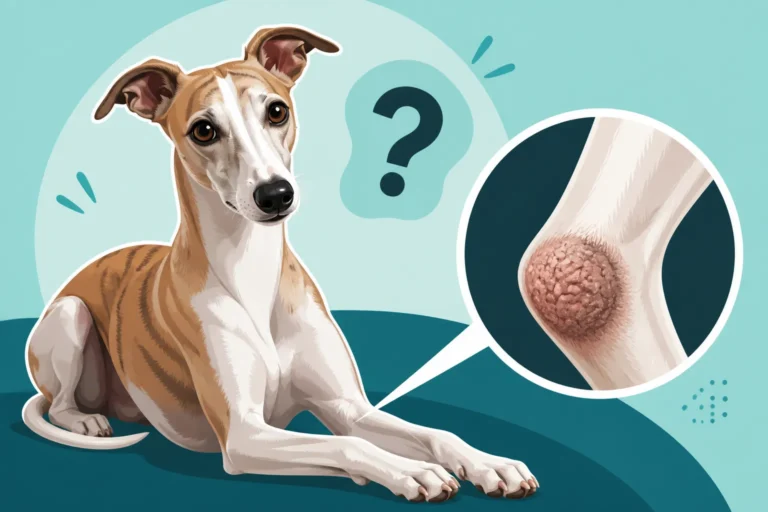
- Veterinarians and Vet Techs: Your veterinary clinic is also an excellent option. Vet techs are often highly skilled at handling animals, and the clinic environment offers the added benefit of medical oversight. If your Whippet is extremely reactive, your vet can provide calming medications or even discuss sedation for the trim. This is especially helpful if your dog becomes aggressive or poses a bite risk when attempting nail trims. The vet can also address any underlying health issues that might be contributing to their discomfort, such as painful corns on their pads (Corns on a Whippet's Pads).
When choosing between a groomer and a vet, consider your Whippet's level of fear and any specific medical concerns. For routine trims and moderate fear, a groomer might be ideal. For severe anxiety, aggression, or if sedation is being considered, your vet is the best choice.
Sedation as a Last Resort (and why it's sometimes necessary)
For a small percentage of Whippets, the fear of nail trims is so intense that no amount of desensitization or positive reinforcement seems to work. In these cases, your veterinarian might suggest sedation. While no one wants to sedate their beloved pet, sometimes it is the most humane option.
- Minimizing Trauma: Forcing a highly fearful dog through a nail trim can be incredibly traumatic, potentially leading to lasting anxiety, aggression, or a complete breakdown of trust. Sedation allows the procedure to be performed quickly and painlessly, preventing further negative associations. It can effectively reset the dog's memory of the experience.
- Safety for All: Sedation ensures the safety of both your Whippet and the people handling them. A struggling, panicked dog can accidentally be injured, and they might also bite or scratch out of fear.
- Sighthound Anesthesia Protocol: If sedation is considered, it is absolutely critical that your vet follows a specific sighthound anesthesia protocol. Whippets, like other sighthounds, metabolize certain drugs differently and are more sensitive to anesthetic agents. Why a Whippet Needs a Sighthound Anesthesia Protocol is vital reading for any Whippet owner considering this option. Discuss this thoroughly with your vet to ensure they are experienced with the unique needs of sighthounds.
- Not a Permanent Solution: Sedation for nail trims should ideally be a temporary measure to get the nails back to a manageable length and break the cycle of fear. It doesn't replace continued positive reinforcement and desensitization efforts. The goal is to eventually reduce or eliminate the need for sedation as your Whippet's comfort level improves. However, for some individuals, it might be the ongoing reality, and that's okay. The most important thing is your Whippet's well-being and reducing their stress.
Ultimately, getting your Whippet to tolerate nail trims is a journey, not a destination. It requires immense patience, understanding, and a willingness to adapt your methods. But with consistent positive reinforcement, the right tools, and perhaps a little professional help, you can transform this dreaded chore into a manageable part of your Whippet's care routine, strengthening your bond in the process.
Disclaimer
This article is for general informational purposes only and does not constitute professional advice. Laws, prices and regulations vary by location and change over time. Consult a qualified professional for guidance on your specific situation.