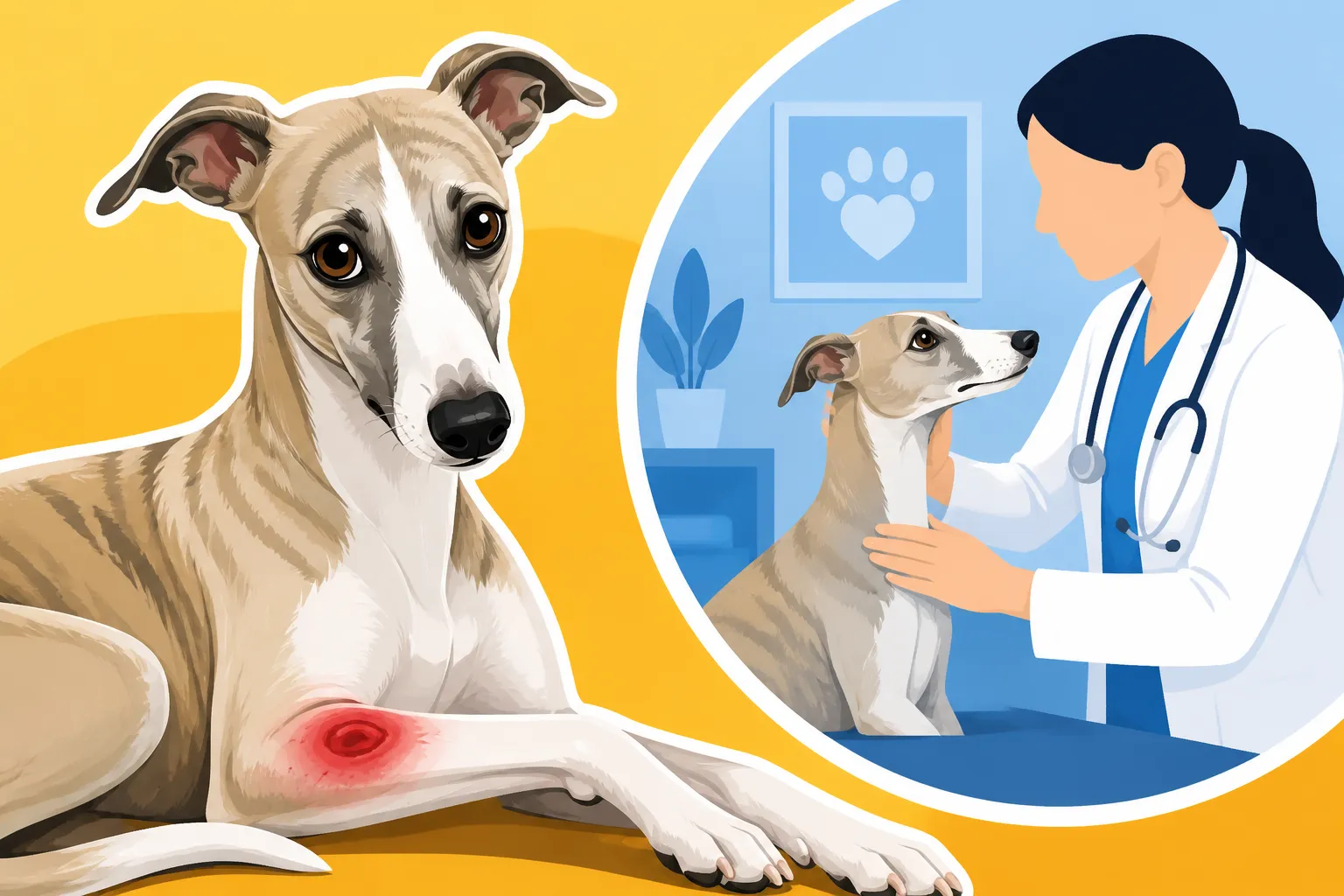
When a Whippet’s Wound Needs a Vet
It's a familiar sight for many Whippet owners: you're out for a walk, enjoying a good run, or even just playing in the yard, and suddenly, there's a yelp, a flash of white, and a distinct crimson stain against their sleek coat. Whippets, with their incredibly fine, thin skin and almost non-existent body fat, are notoriously prone to skin tears, scrapes, and lacerations. Knowing the difference between a minor cut you can handle at home and a serious wound that absolutely requires immediate veterinary attention can save you a lot of stress, and more importantly, prevent potential complications for your beloved sighthound. This guide will walk you through assessing your Whippet's wounds, understanding the critical signs that warrant a vet visit, and preparing you for effective first aid and professional care.
Understanding Your Whippet's Delicate Skin
Owning a Whippet means accepting that their skin is, quite literally, one of their most vulnerable points. It's not a matter of if they'll get a cut, but when. Understanding this inherent fragility is the first step in being prepared.
Why Whippet Skin is Prone to Injury
Whippets possess incredibly thin skin, almost like tissue paper, which is tightly stretched over their lean, muscular bodies with very little underlying fat or connective tissue to act as padding. Think of it like a drum skin – taut and easily punctured or torn. This is a hallmark of the sighthound build, designed for speed and agility, not for crashing through brambles or shrugging off rough play.
Unlike many breeds with thicker hides or lush coats that offer some protection, a Whippet’s short, fine fur and minimal subcutaneous fat mean there's very little barrier between the outside world and their delicate dermis. This makes them highly susceptible to lacerations from seemingly innocuous objects like a sharp twig, a stray nail, a rough playmate's tooth, or even catching themselves on furniture. We often joke that they tear if you look at them wrong, but it sometimes feels that way! This is why many owners will tell you The Thin Skin That Sends a Whippet to the Vet for Stitches is a common occurrence.
Recognizing the Difference Between a Minor Scrape and a Deep Wound
When you first discover a wound on your Whippet, it can be alarming, especially if there's a lot of blood (which often looks worse on light-colored fur). The key is to assess quickly and calmly.
A minor scrape or abrasion typically involves only the top layers of skin. It might look red, raw, and ooze a little clear fluid or blood, but the edges of the skin are usually intact or only slightly separated. Think of a 'rug burn' on human skin – that's often what a minor Whippet scrape resembles. These are usually superficial and, while they sting, don't penetrate deeply.
A deep wound, on the other hand, involves a full-thickness tear through the skin, often exposing the underlying muscle, fat, or even bone. The edges of the skin will be clearly separated, creating a gap. These can range from a clean-edged slice to an irregular flap. Puncture wounds, even small ones, can also be deep, potentially causing significant internal damage despite a small entry point. The amount of bleeding can vary, but a deep wound often bleeds more profusely and continuously than a superficial one. Recognizing this distinction is crucial because a deep wound almost always requires professional closure to heal properly and prevent infection.
Immediate First Aid for a Whippet's Wound
Finding your Whippet injured can send your heart racing, but staying calm is the best thing you can do for your dog. Your immediate actions can make a big difference.
Initial Steps After Discovering an Injury
The first step is always to ensure safety – both yours and your Whippet’s. An injured dog, even the most docile Whippet, can be in pain and act unpredictably. Approach them gently, speak in a soothing voice, and try to get them into a secure, quiet space. If they are prone to snapping when in pain, consider muzzling them before you attempt to examine the wound, if you can do so safely and without causing further distress. This is not a punishment; it's a safety measure for everyone involved.
Once they are calm and secure, you can begin your assessment. Don't touch the wound directly at first. Observe the severity of the bleeding, the size of the wound, and if there are any obvious foreign objects. A quick visual check will give you important clues about whether you need to rush to the vet or if you have a moment for basic home care.
Cleaning and Protecting a Minor Wound at Home
For truly minor scrapes or very shallow cuts, you might be able to manage the initial care at home. The goal is to clean the wound and protect it from further contamination. Start by gently flushing the wound with warm tap water or a sterile saline solution. Avoid harsh antiseptics like hydrogen peroxide or rubbing alcohol, as these can damage delicate tissue and delay healing. Mild antibacterial soap diluted with water can be used carefully around the wound edges, but rinse thoroughly.
If there's minor bleeding, apply gentle, direct pressure with a clean cloth or gauze for several minutes. Once the bleeding has stopped, you can apply a thin layer of a pet-safe antibiotic ointment (check with your vet first, or choose one specifically formulated for pets) and cover the wound with a non-stick pad and a light bandage. Just be careful not to wrap it too tightly, which can cut off circulation. You can find many of these essentials, along with things like self-adhering vet wrap, at retailers like Chewy or Amazon. Having a well-stocked What Belongs in a Whippet Owner's First Aid Kit is incredibly helpful for these situations.
When to Skip Home Care and Head Straight to the Vet
Some wounds are clearly beyond home care and require immediate professional attention. If you see a wound that is:
- Deep: exposing muscle, fat, or bone.
- Long: more than an inch or two in length.
- Bleeding profusely: not stopping after several minutes of direct pressure, or spurting blood.
- Located in a sensitive area: such as near the eye, on a joint, over the neck, or on the abdomen.
- Gaping: with skin edges pulled far apart.
- Containing a foreign object: like glass, a large stick, or significant gravel.
- A puncture wound: especially from another animal's tooth.
In any of these scenarios, time is of the essence. Don't attempt extensive cleaning or bandaging beyond what's necessary to control bleeding. Wrap it gently in a clean towel or cloth and head straight to your veterinarian or an emergency animal clinic. Remember, Emergency Stitches: the Whippet Bill Nobody Budgets For are often a necessary reality for these delicate dogs.
Key Indicators That Demand Veterinary Attention
Beyond the initial assessment, several specific characteristics of a wound should always trigger a visit to the vet. These aren't just about closing the wound, but about preventing serious complications.
Severity of the Wound: Depth, Length, and Location
The deeper, longer, or more irregular a wound is, the more likely it needs professional intervention. A deep laceration that goes through multiple layers of skin, exposing fatty tissue or even muscle, cannot heal properly on its own. It requires meticulous cleaning, debridement (removal of dead or damaged tissue), and surgical closure to prevent infection and promote healing. Think of a deep cut on a human hand – we wouldn't try to superglue that at home, and the same goes for our Whippets.
Location is also critical. Wounds over joints (like the elbow or hock) are problematic because movement can repeatedly pull the wound open, delaying healing and increasing the risk of infection entering the joint capsule. Wounds on the face, especially near the eyes or mouth, need precise closure to avoid functional or cosmetic impairment. Any wound to the neck or abdomen is concerning, as it could indicate damage to vital organs. Where a Whippet Tears Its Skin Most is often on their legs and flanks, and these frequently require stitches.
Bleeding and Hemorrhage Concerns
While a little blood can look dramatic on a pale Whippet, significant or uncontrolled bleeding is a true emergency. If direct pressure for five to ten minutes doesn't staunch the flow, or if the blood is bright red and spurting (indicating arterial bleeding), you need to get to the vet immediately. Even if the bleeding seems to stop, monitor your dog for signs of blood loss, such as pale gums, weakness, lethargy, or rapid breathing. These could indicate internal bleeding or significant blood loss, even from an external wound. Knowing How to Stop Bleeding on a Whippet's Leg with firm, sustained pressure is a vital first aid skill, but if it's not working, don't hesitate.
Foreign Objects and Contamination
Any wound that has a foreign object embedded in it – be it glass, a splinter, a piece of metal, or deeply ingrained dirt – should be seen by a vet. Attempting to remove it yourself can sometimes cause more damage or push the object deeper. Puncture wounds, which often look small on the surface, can be surprisingly deep and carry bacteria deep into the tissue. This is especially true for bite wounds from other animals, which always carry a high risk of infection due to the bacteria from the other animal's mouth. Even if a bite wound seems minor, a vet visit is highly recommended to properly clean and assess for deeper trauma.
Signs of Infection and Complications
Even if a wound initially seems minor and you've managed it at home, things can go wrong. It's vital to keep a close eye on any healing wound for signs of infection or other complications.
Recognizing the Early Signs of Infection
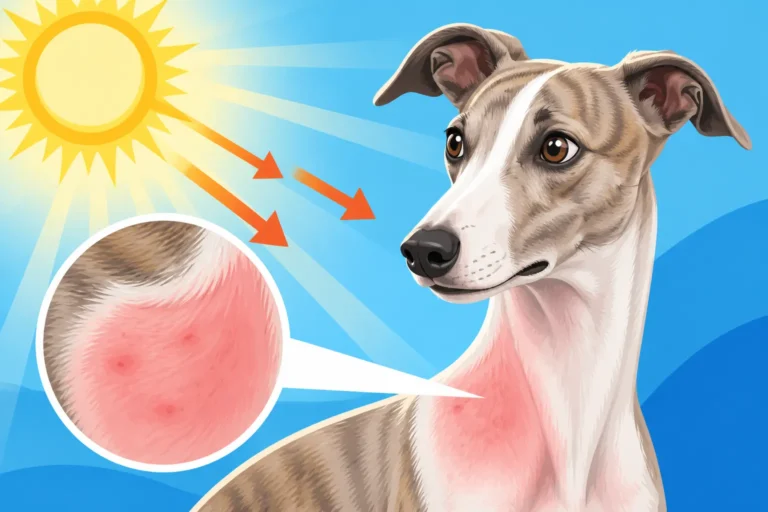
Infection is a major concern with any open wound, and Whippets' thin skin offers little natural defense once breached. The classic signs of infection are redness, swelling, heat, and pain around the wound site. You might notice your Whippet licking the area excessively, even through a cone, or being unusually sensitive to touch.
As infection progresses, you might see pus (a thick, often yellowish or greenish discharge) seeping from the wound. There might also be a foul odor. If the wound was previously closed, an infection could cause it to reopen or develop abscesses. Catching these signs early is crucial because untreated infections can spread, become systemic, and lead to much more serious health issues.
Delayed Healing and Unusual Discharge
A healthy wound should show signs of healing relatively quickly. The edges should start to pull together, and the redness and swelling should subside within a few days. If the wound doesn't seem to be closing, or if it appears to be getting worse rather than better, that's a red flag. Whippet skin, while delicate, can heal quite efficiently with proper care, but it's not always fast; How Slowly a Whippet's Skin Heals can sometimes feel like an eternity, but there's a difference between slow and stalled.
Any unusual discharge, especially pus, thick fluid, or a persistent watery seepage, warrants veterinary investigation. This indicates that something isn't right internally, whether it's an infection, a foreign body still present, or a deeper tissue problem. Don't just dismiss it; it's your Whippet telling you they need help.
Systemic Symptoms Indicating a Problem
Sometimes, an infection or complication goes beyond the wound itself, affecting your Whippet's overall health. Keep an eye out for systemic symptoms such as:
- Lethargy: Your Whippet is unusually tired, sluggish, or less active than normal.
- Fever: Their nose might be warm and dry, but a more accurate check is their gum temperature or, if you have one, a rectal thermometer (normal dog temperature is generally 101 to 102.5°F or 38.3 to 39.2°C).
- Loss of Appetite or Thirst: They refuse food or water, or eat significantly less.
- Shaking or Trembling: Could indicate pain or discomfort.
- Vomiting or Diarrhea: While not directly wound-related, these can be signs of a systemic infection or a reaction to pain or stress.
These signs indicate that the problem is no longer localized but affecting their entire body. In such cases, your vet will likely recommend a course of antibiotics and possibly pain medication. It's a common misconception that every cut needs antibiotics, but your vet will determine Whether a Whippet Needs Antibiotics for Every Cut based on the wound's nature and signs of infection.
The Vet Visit: What to Expect and How to Prepare
When you've determined your Whippet's wound needs professional care, knowing what to expect can ease some of the anxiety. Being prepared also helps your vet provide the best possible treatment.
Communicating With Your Veterinarian
Before you even arrive at the clinic, try to gather as much information as you can. When did the injury happen? How did it happen (if you know)? What have you already done in terms of first aid? Have you noticed any specific changes in your Whippet's behavior or appetite? Take photos of the wound if you can, especially if it's in an awkward spot to show in person or if it's changed since you first saw it.
When you speak to the veterinary team, be clear and concise. Describe the situation calmly. They will ask questions, and your detailed answers will help them quickly assess the situation and formulate a treatment plan. Remember, they are there to help, and thorough communication is key. Don't be afraid to ask questions about the procedure, recovery, or costs involved.
Treatment Options a Vet Might Propose
Once your vet has examined the wound, they will discuss the best course of action. This might involve:
- Cleaning and Debridement: Removing any dirt, debris, or damaged tissue to ensure a clean base for healing. This often requires mild sedation to keep your Whippet comfortable and still.
- Closure: Depending on the nature of the wound, this could involve sutures (stitches), surgical staples, or even medical-grade tissue glue. Deep wounds, especially on Whippets, nearly always benefit from precise surgical closure to minimize scarring and promote proper healing. The decision of Whether a Whippet's Wound Needs Glue or Stitches will depend on the wound's depth, tension, and location.
- Drains: For very deep or contaminated wounds, a small drain might be placed to allow fluid and bacteria to exit, preventing abscess formation.
- Pain Medication: Your Whippet will likely be prescribed pain relief to keep them comfortable during the healing process.
- Antibiotics: If infection is present or highly probable, antibiotics will be prescribed to combat bacteria.
- Bandaging: A protective bandage may be applied to keep the wound clean and prevent your Whippet from licking or chewing at it.
It's important to understand that What a Whippet Laceration Repair Costs can vary significantly depending on the severity of the wound, whether sedation or anesthesia is needed, and the type of closure required. Always discuss potential costs upfront.
Post-Vet Care and Follow-up
The vet's job doesn't end when you leave the clinic – that's when your job really begins! You'll be sent home with instructions for wound care, medication schedules, and possibly restrictions on activity.
Follow all instructions carefully. This might include changing bandages, administering oral medications, and keeping the wound dry. Preventing your Whippet from licking or chewing the wound is paramount, as this is a leading cause of infection and dehiscence (stitches coming open). This usually means an Elizabethan collar (the "cone of shame") or a soft, inflatable collar. Many owners wonder Whether a Whippet Should Wear a Cone After Stitches – the answer is almost always a resounding yes! They might hate it, but it's essential for healing.
You'll also need to monitor the wound daily for any signs of worsening redness, swelling, discharge, or if your Whippet seems more painful. There will likely be a follow-up appointment for stitch removal or a recheck to ensure healing is progressing well. Don't hesitate to call your vet if you have any concerns before your scheduled appointment.
Preventing Future Whippet Skin Injuries
While some accidents are unavoidable, there's a lot you can do as a Whippet owner to minimize the risk of skin injuries. Prevention is always better than cure, especially with these thin-skinned beauties.
Assessing Your Environment for Risks
Take a critical look at the places your Whippet spends time. Your backyard, local parks, hiking trails, or even indoor spaces can harbor hidden dangers.
- Outdoor Spaces: Walk your yard regularly, checking for broken branches, exposed fence wire, loose nails, or sharp rocks. If you frequent dog parks or trails, be aware of uneven terrain, thorny bushes, or discarded litter that could cause a cut.
- Indoor Spaces: Even inside, sharp furniture corners, exposed metal edges, or objects dropped on the floor can be hazards. Be particularly mindful if your Whippet loves to zoom around the house.
Identifying and removing these potential threats can significantly reduce the likelihood of injury.
Protective Gear and Safe Exercise
For active Whippets, protective gear can make a big difference, particularly in environments with brush or rough surfaces.
- Coats and Pajamas: While often seen as fashion statements, coats provide a crucial layer of protection against scrapes and tears, especially when your Whippet is running through longer grass or light brush. The Wardrobe a Whippet Needs Because It Has No Body Fat often includes protective outdoor wear. Even indoors, pajamas can prevent friction rubs on delicate skin. Consider Whether a Whippet Should Wear a Coat in Cover if you frequent areas with potential hazards.
- Supervised Play: Always supervise your Whippet, especially during play with other dogs. While most dogs are gentle, a playful nip or an accidental collision can result in a skin tear. If your Whippet is prone to rough play, consider shorter, more controlled sessions or playing with dogs known for their gentle nature.
Regular Health Checks and Grooming
A simple daily routine can help you catch minor issues before they become major problems.
- Daily "Pat Down": Make it a habit to gently run your hands over your Whippet's body every day, especially after exercise. Feel for any bumps, scrapes, or tenderness. This also helps you become familiar with what their normal body feels like.
- Paw Checks: Their paws are often the first point of contact with sharp objects. Check their paw pads for cuts, thorns, or glass fragments, and trim their nails regularly to prevent splits.
- Skin Health: Good nutrition supports healthy skin, which is more resilient to minor damage and heals better. Feeding a high-quality diet, perhaps from a brand like Ollie, can contribute to overall skin health. Keep an eye out for any dry patches or irritations that could lead to further damage. Regular grooming, though minimal for Whippets, also allows you to inspect their skin closely. Knowing Skin First Aid Every Whippet Owner Should Know and performing these daily checks are your best defense.
The table below summarizes key indicators for when a wound requires veterinary attention:
| Wound Characteristic | Description | Action |
|---|---|---|
| Depth | Exposing muscle, fat, bone, or internal structures. | Immediate vet visit |
| Length | Longer than 1-2 inches, especially with separated edges. | Vet visit |
| Location | Over joints, near eyes/mouth, on neck, chest, or abdomen. | Immediate vet visit |
| Bleeding | Continuous, heavy bleeding; spurting bright red blood. | Immediate vet visit (apply pressure en route) |
| Foreign Object | Any visible object (glass, splinter, gravel) embedded in the wound. | Vet visit (do not attempt to remove yourself) |
| Puncture | Small entry point but potentially deep (e.g., bite wound). | Vet visit (high risk of infection) |
| Gapping | Skin edges pulled far apart, unable to be held closed easily. | Vet visit |
| Infection Signs | Redness, swelling, heat, pus, foul odor, increased pain. | Vet visit |
| Systemic Signs | Lethargy, fever, loss of appetite, shaking, vomiting. | Immediate vet visit |
| Delayed Healing | Wound not improving or worsening after 24-48 hours of home care. | Vet visit |
Disclaimer
This article is for general informational purposes only and does not constitute professional advice. Laws, prices and regulations vary by location and change over time. Consult a qualified professional for guidance on your specific situation.