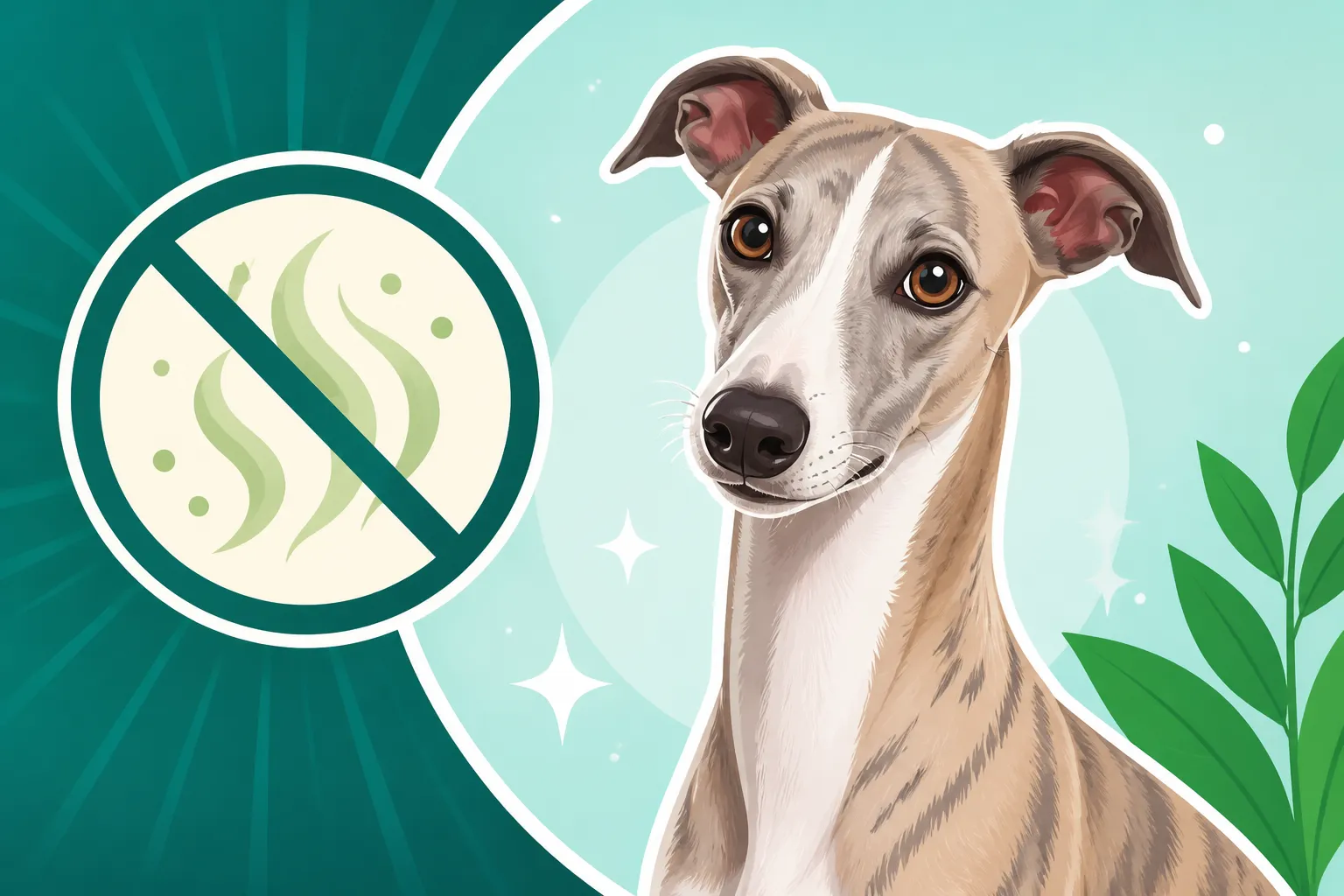
Why a Whippet Barely Smells
One of the truly delightful surprises for many new Whippet owners is just how little their dogs actually smell. If you've lived with other breeds, you might be bracing yourself for that distinct "doggy odor" that permeates furniture, carpets, and clothes. But with a Whippet, you'll often find yourself wondering if they've even been outside, let alone rolled in anything questionable. This guide dives deep into why Whippets are often surprisingly scent-free and what to do if that changes.
The Whippet's Built-In Deodorant: Understanding Their Unique Physiology
It's not just a happy accident; several factors contribute to a Whippet's generally low-odor profile. Their physical characteristics and natural inclinations play a significant role in keeping them smelling fresh, even after a romp in the park.
Their Fine, Short Coat and Minimal Skin Oils
Unlike many breeds with thick undercoats or long, flowing hair, a Whippet boasts a single, very fine, and short coat. This isn't just for aerodynamics when they're sprinting; it's a huge factor in their cleanliness. Think about it: a short coat doesn't trap dirt, dust, or environmental allergens the way a dense, shaggy coat does. When something does get on them, it usually falls off easily or is quickly shed.
Furthermore, Whippets tend to have less natural oil production on their skin compared to many other breeds. It's those skin oils, combined with bacteria and yeast, that often create the characteristic "doggy smell." Less oil means fewer places for odor-causing microbes to thrive and less of that greasy residue that can cling to everything. This combination of coat type and oil production is a fundamental reason why you might find yourself snuggling a clean-smelling Whippet, even days after their last bath.
Low Dander and Less Trapped Dirt
Because their coat is so fine and their skin tends to be less oily, Whippets also produce relatively low amounts of dander. Dander, which is microscopic flakes of skin, is a common allergen and also a substrate for bacteria and yeast, contributing to odor. While no dog is truly hypoallergenic, a Whippet's low dander production means there's less material to become airborne and settle around your home, carrying odors with it.
Beyond dander, their sleek physique simply doesn't offer much opportunity for dirt and debris to get stuck. A Whippet can often shake off mud or dust with remarkable efficiency. Imagine a dog with feathering or a dense double coat after a wet walk—they become a magnet for leaves, twigs, and mud. A Whippet, on the other hand, is built like a smooth, aerodynamic machine; things just tend to slide right off. This means less dirt dragged into your house and less accumulating on their body to start smelling later. It’s part of the reason How Much a Whippet Sheds tends to be less of a hairy issue too.
A Sighthound's Natural Cleanliness
Beyond the physical attributes, sighthounds, including Whippets, often have a reputation for being quite fastidious about their personal cleanliness. They are often observed grooming themselves much like a cat would, meticulously licking and cleaning their coats. This isn't just anecdotal; their heritage as independent hunters meant they needed to be relatively discreet, and a strong body odor could give away their presence.
This natural inclination towards self-grooming further reduces the build-up of dirt and oils that lead to unpleasant smells. They keep themselves tidy, and this helps maintain their fresh scent. It's a wonderful trait that contributes significantly to the overall ease of living with these elegant dogs, especially if you appreciate a clean home and a fresh-smelling companion. If you’re wondering How Often a Whippet Needs Brushing, the answer is often less than you'd expect, thanks to their self-maintenance.
Why Other Breeds Get the "Doggy" Rap (And Whippets Don't)
To truly appreciate the Whippet's low-odor qualities, it helps to understand what makes other breeds more prone to developing a noticeable "doggy" smell. It's often a combination of genetics, coat type, and conformation.
The Impact of Coat Type and Density
Many dog breeds have dense, multi-layered coats designed for insulation against harsh weather. Breeds like Newfoundlands, Golden Retrievers, Huskies, or many herding dogs possess a thick undercoat that traps air, yes, but also moisture, dirt, and oils. When these coats get wet, they take a long time to dry, creating a perfect breeding ground for bacteria and mildew-like smells. Even when dry, the sheer volume and density of hair can hold onto environmental odors, dust, and microscopic debris.
Imagine a heavily coated dog rolling in a dusty field or taking a swim. The dirt and moisture get deeply embedded, and without thorough drying and brushing, that "eau de wet dog" can linger for days. Whippets, with their single, close-lying coat, simply don't have this issue. They dry quickly, and dirt rarely gets past the surface. This structural difference in their coat is perhaps the most significant reason for their lack of a strong scent compared to their shaggier counterparts.
Skin Folds, Ear Flaps, and Yeast's Paradise
Beyond coat type, certain physical characteristics can make some dogs more prone to odor. Breeds with prominent skin folds, such as Bulldogs, Pugs, or Shar-Peis, are often challenged by skin fold dermatitis. These warm, moist crevices are ideal for bacterial and yeast growth, leading to a distinct, often yeasty or sour smell. Regularly cleaning and drying these folds is critical for these breeds, a task a Whippet owner rarely has to consider.
Similarly, breeds with long, floppy ear flaps, like Basset Hounds or Cocker Spaniels, can be prone to ear infections. The lack of air circulation in these covered ear canals creates a warm, moist environment where yeast and bacteria can flourish, producing a foul odor that can be quite strong. Whippets, with their rose ears, allow for better air circulation, making ear infections less common and thus reducing a potential source of smell. It's worth noting how The Thin Skin That Sends a Whippet to the Vet for Stitches is a different concern for Whippets, unrelated to odor, but highlights their delicate physiology.
Metabolic Differences and Health Predispositions
While less visible, some breeds may have metabolic predispositions or health issues that contribute to a stronger body odor. Certain genetic conditions can affect skin health, leading to excessive oiliness (seborrhea) or chronic infections, both of which are significant sources of smell. Additionally, breeds with a tendency towards allergies can experience chronic skin inflammation, which can also lead to secondary bacterial or yeast infections and their associated odors.
Digestive issues, often linked to food sensitivities or gut microbiome imbalances, can also manifest as a general body odor, as toxins might be eliminated through the skin. While Whippets can certainly suffer from health issues, they are not typically predisposed to the widespread skin conditions that plague many other breeds. Their generally robust health, combined with their unique physical traits, means they often sidestep many of the common causes of a pronounced doggy smell.
When a Whippet Actually Smells: Pinpointing the Problem
Even the most fastidious Whippet can, on occasion, develop an unpleasant odor. When this happens, it's usually a red flag that something specific is going on, rather than just "being a dog." Pinpointing the source is key to resolving the issue.
The Obvious Offenders: Rolling in Unpleasantries
Let's start with the most common, and usually easiest to fix, reason for a smelly Whippet: they rolled in something gross. Whippets are curious and, like many dogs, seem to have an inexplicable attraction to strong-smelling substances—be it something organic and decomposing on a walk, a puddle of stagnant water, or even another animal's droppings. In these instances, the smell is usually quite potent and localized to their coat, and it's clearly external.
A quick bath is generally all that's needed to remedy this situation. Use a gentle, dog-specific shampoo. Given their thin skin, you want to avoid anything harsh that could cause irritation. You might even find some excellent options on Chewy or Amazon that cater to sensitive skin. This kind of smell is a temporary nuisance, not an indicator of a deeper health problem, and once it's washed away, your Whippet will be back to their usual fresh self.
Health Concerns: Skin, Ears, and Dental Issues
If your Whippet is emitting a persistent, unpleasant odor that isn't due to rolling in something, it's time to investigate their health. The most common culprits are often hidden or subtle issues with their skin, ears, or teeth.
- Skin Issues: Even with their resilient skin, Whippets can develop problems. Allergies (environmental or food-related) can lead to irritated skin, hotspots, or secondary bacterial or yeast infections, all of which produce distinctive odors. A "yeasty" smell, often described as like old bread or corn chips, points to a yeast overgrowth, which can be particularly prevalent in areas like paws, armpits, or groin. Bacterial infections might smell more pungent or pus-like. Check their thin skin carefully for any redness, flakiness, bumps, or excessive licking. If your Whippet does get a cut or scrape, remembering how The Thin Skin That Sends a Whippet to the Vet for Stitches can be a recurring concern, it's good to know these wounds can also become a source of smell if infected.
- Ear Troubles: While less common in Whippets due to their ear structure, ear infections can still occur and are a potent source of bad smells. If you notice a foul odor coming specifically from one or both ears, along with head shaking, scratching, or discharge, it's highly likely an infection is brewing.
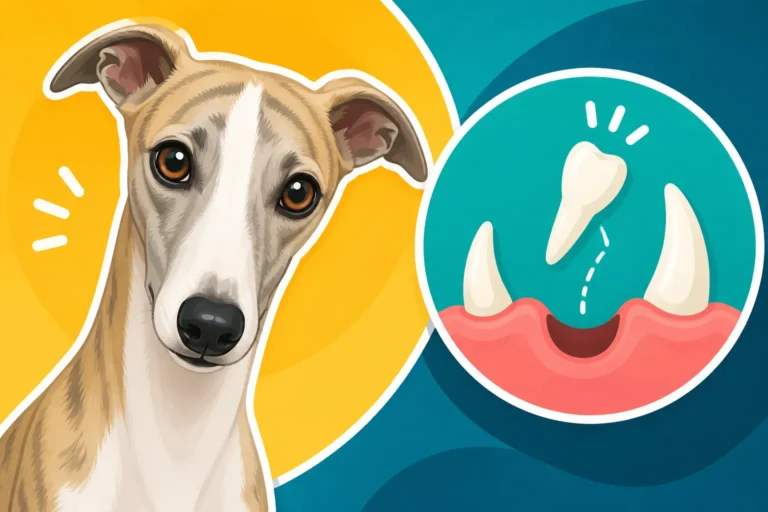
- Dental Dilemmas: A surprisingly common cause of bad breath that can permeate a dog's general scent is poor dental health. Tartar buildup, gingivitis, and infected teeth can lead to a truly foul odor from their mouth. This isn't just about bad breath; bacteria from severe dental disease can spread, potentially impacting their overall health and contributing to a general body odor. Regular dental care is crucial, and it’s why topics like Teeth Are the Whippet Problem That Sneaks Up and How Often a Whippet's Teeth Need Brushing are so important for owners to understand. If you suspect dental issues, a vet visit is essential.
Dietary Imbalances and Digestive Distress
What goes into your Whippet can definitely affect what comes out—including their scent! A diet that doesn't agree with your Whippet can lead to digestive upset, excessive gas, or an imbalance in gut flora, which can sometimes manifest as an overall body odor. Food allergies or sensitivities might cause skin inflammation, as mentioned, but also impact their digestive system.
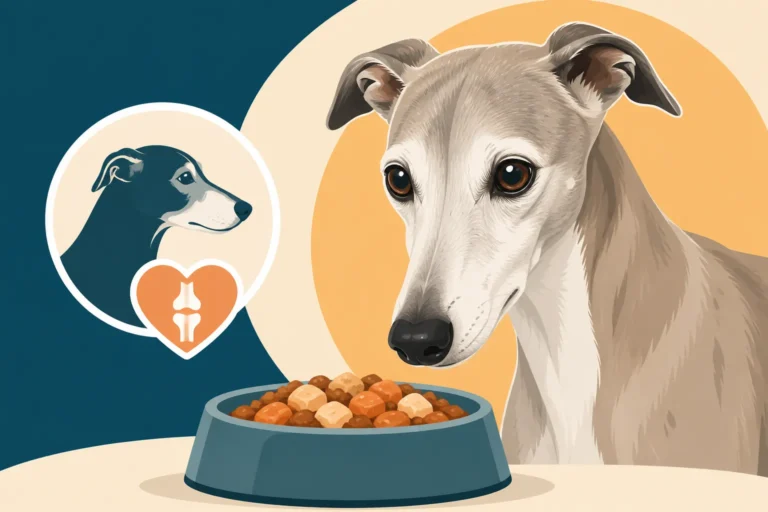
If your Whippet has consistently smelly gas, loose stools, or unusual breath alongside a new body odor, consider their diet. Switching to a high-quality, easily digestible food might make a world of difference. Sometimes, supplements like probiotics can help rebalance their gut health. Companies like Ollie focus on fresh, human-grade ingredients that can be beneficial for sensitive stomachs and might help reduce diet-related odors. It’s definitely something to consider if Whether a Whippet Has a Sensitive Stomach is a concern you've noticed. Always consult your vet before making significant dietary changes, especially if health issues are suspected.
Maintaining That Fresh Whippet Scent: Your Care Routine
Keeping your Whippet smelling sweet is generally quite easy, but it does involve a consistent, gentle care routine that focuses on both external cleanliness and internal health.
Gentle Bathing and Grooming for Sensitive Skin
The good news is that Whippets don't require frequent bathing. In fact, over-bathing can strip their delicate skin of its natural oils, leading to dryness and irritation. Once every few months, or when they've truly gotten into something stinky, is usually sufficient. When you do bathe them, use a mild, moisturizing shampoo specifically formulated for dogs with sensitive skin. Avoid harsh detergents or human shampoos, as these can disrupt their skin's pH balance.
After a bath, ensure they are thoroughly dried, especially in cooler weather, as Whippets have very little body fat and can get cold easily. How Many Baths a Year a Whippet Needs is surprisingly few. Regular, gentle brushing with a soft brush or grooming mitt will help remove any loose hair, dirt, and stimulate their skin, distributing natural oils without causing excess production. This minimal effort goes a long way in maintaining their naturally clean scent. For tips on product choice, checking out reviews for Which Shampoo Suits a Whippet's Thin Skin can be really helpful. And usually, Whether a Whippet Needs Conditioner is a simple 'no' given their short coat.
Here’s a quick overview of key care considerations:
| Aspect of Care | Whippet-Specific Needs | Impact on Odor |
|---|---|---|
| Bathing Frequency | Minimal, every 2-3 months or as needed | Prevents stripping natural oils, reducing skin irritation. |
| Shampoo Choice | Mild, moisturizing, pH-balanced for sensitive dog skin | Avoids dryness, flakiness, and secondary infections. |
| Drying | Thorough, especially in cold, due to lack of body fat | Prevents mildew smells and chilling. |
| Brushing | Weekly with a soft brush/mitt to remove loose hair and dirt | Removes external debris and promotes healthy skin/coat. |
| Ear Cleaning | Infrequent, only if dirty or waxy, with vet-approved cleaner | Prevents ear infections which cause strong odor. |
| Dental Care | Daily brushing, regular vet check-ups | Prevents bad breath from dental disease. |
Nutrition as a Foundation for Low Odor
A healthy diet is foundational to a healthy dog, and this certainly extends to their skin and coat health, and ultimately, their odor. Feeding a high-quality, balanced diet that agrees with your Whippet is paramount. Look for foods with good protein sources, healthy fats, and digestible carbohydrates. Avoid foods with excessive fillers, artificial colors, or ingredients your dog might be sensitive to.
Some owners find that supplementing with omega-3 fatty acids, often found in fish oil, can significantly improve skin and coat health, leading to less dryness, irritation, and potentially less odor. You can easily find high-quality fish oil supplements on Chewy or through your vet. If you’re considering a new diet or supplements, it’s always best to chat with your veterinarian. This is especially true if you’re curious about Whether a Whippet Needs Fish Oil. A well-nourished Whippet from the inside out is far less likely to develop health-related odors. For those sprinting Whippets, Feeding a Whippet That Sprints and Then Sleeps can sometimes involve specialized nutrition too.
Environmental Cleanliness and Bedding Choices
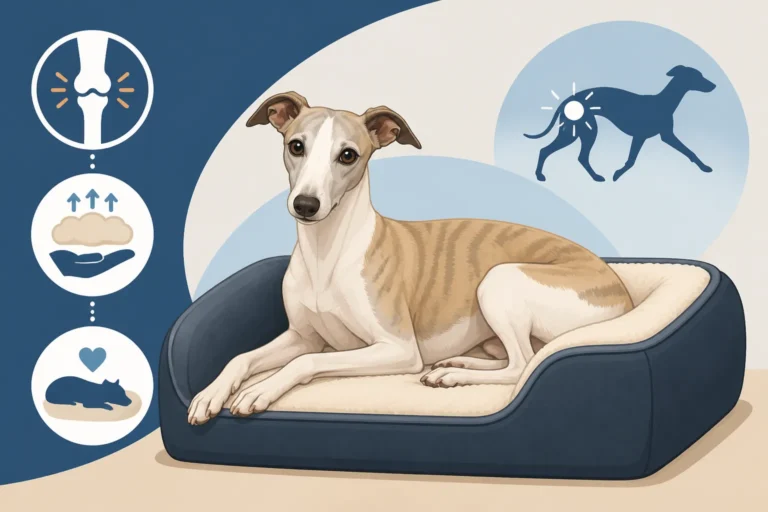
Even a naturally clean Whippet can start to smell if their environment isn't maintained. Their beds, blankets, and favorite lounging spots can accumulate dirt, dander, and oils over time, eventually leading to a noticeable smell that then transfers back to them. Regular washing of all their bedding is essential. Use a gentle, unscented detergent to avoid irritating their skin.
Because Whippets have such little natural padding, they adore soft, plush bedding. They will actively seek out the most comfortable spots, whether it's a dog bed, the sofa, or your bed! Investing in high-quality, washable beds is a must. You can find a huge variety of options on Amazon, from orthopedic foam beds to cozy donut beds, all designed for easy cleaning. Having multiple washable covers can make this routine even easier. It's truly why The Beds a Whippet Owner Keeps Buying is a running joke among Whippet enthusiasts—they truly love comfort, and a clean bed means a clean dog.
By combining their natural attributes with a thoughtful care routine, you can ensure your Whippet remains the wonderfully low-odor companion you adore.
Disclaimer
This article is for general informational purposes only and does not constitute professional advice. Laws, prices and regulations vary by location and change over time. Consult a qualified professional for guidance on your specific situation.