Whether a Whippet Is Nervous of Strangers
Whippet stranger anxiety stems from sighthound traits and early socialization. Learn to read subtle signs and build confidence.
Work with the temperament you have.
House-training and crate work, recall, leash manners, separation anxiety, and the behaviors this breed is wired for.
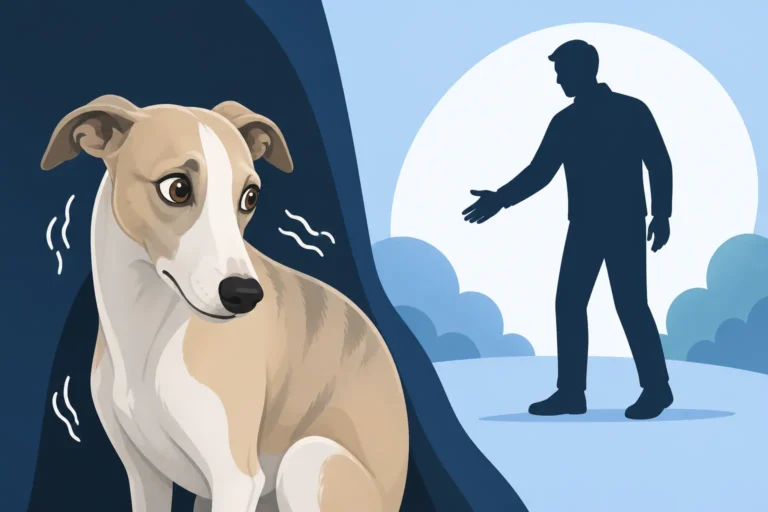
Whippet stranger anxiety stems from sighthound traits and early socialization. Learn to read subtle signs and build confidence.

Whippet leash reactivity stems from fear, frustration, or high prey drive, causing lunging, barking, and pulling during walks.
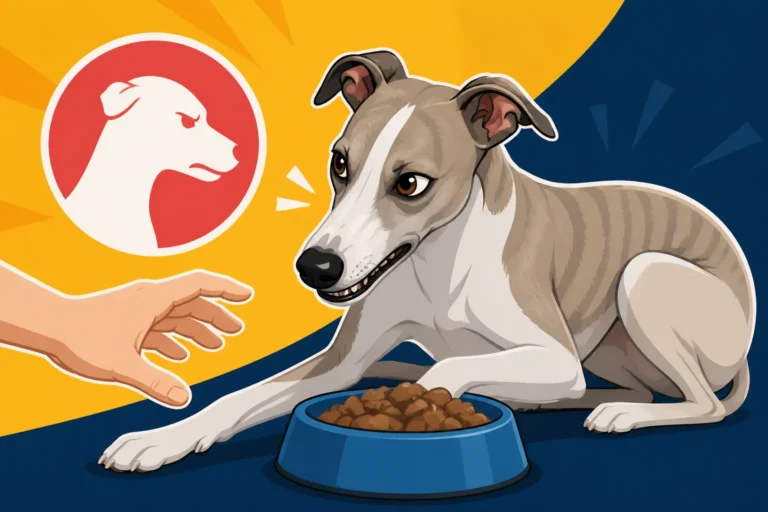
Food guarding behavior in Whippets stems from survival instincts, early life experiences, and perceived resource scarcity.

Whippet biting likelihood remains low due to their gentle temperament, shy nature, and preference to retreat over conflict.

Whippets react to intruders with curiosity or barking rather than protection because they are gentle, friendly sighthounds.
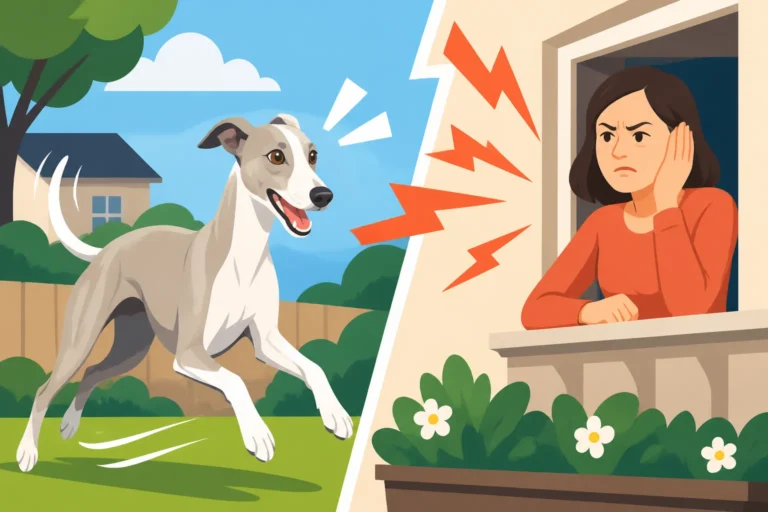
Whippet barking habits and common noise triggers help owners understand whether these sensitive sighthounds will bother neighbors.

Whippet howling explained through canine instincts, vocal nuances, and specific messages to help owners manage the behavior.
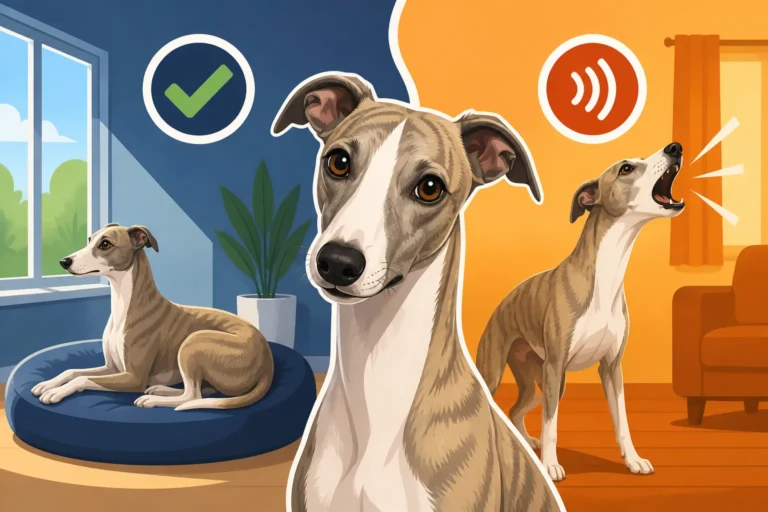
Whippet barking during alone time stems from separation anxiety, boredom, and distress over being left isolated at home.
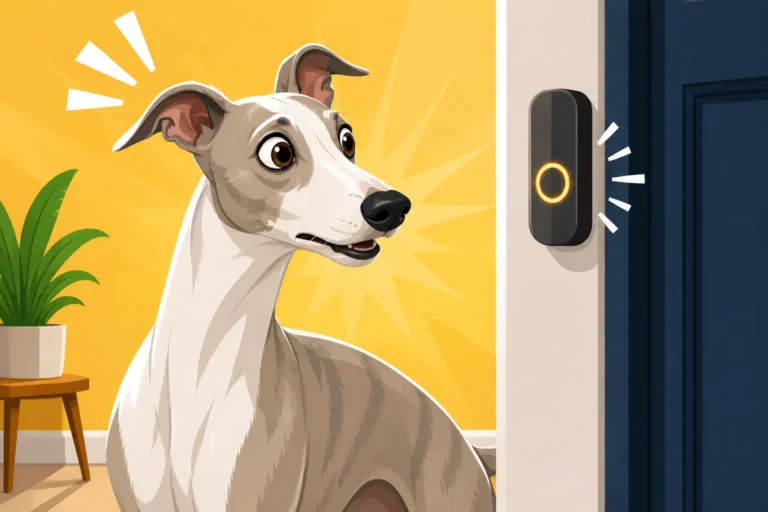
Whippet reactions to the doorbell stem from instincts, sensory sensitivity, and learned associations that trigger intense responses.

Whippet silent thievery stems from instinctual drive, opportunism, and boredom, explaining how owners can curb this cunning habit.