The First Year With a Whippet Puppy
Raising a Whippet puppy involves managing potty training, crate training, sleeping routines, collars, supplies, and feeding schedules.
Work with the temperament you have.
House-training and crate work, recall, leash manners, separation anxiety, and the behaviors this breed is wired for.

Raising a Whippet puppy involves managing potty training, crate training, sleeping routines, collars, supplies, and feeding schedules.

Whippet puppy growth plates remain vulnerable until twelve to eighteen months, requiring careful exercise protection for bones.

Whippet sighthound instincts and unique chase-based play styles cause awkward or tense dog park encounters with other breeds.

Whippet barking habits and natural vocal tendencies explain why these sighthounds speak up to express their opinions, demands, and warnings.
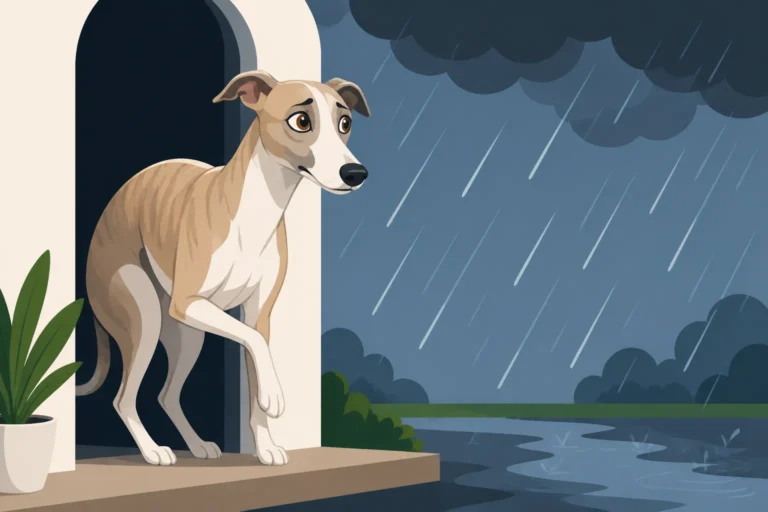
Whippet rain aversion stems from thin skin and lack of insulation, explaining why these dogs refuse outdoor potty breaks in wet weather.
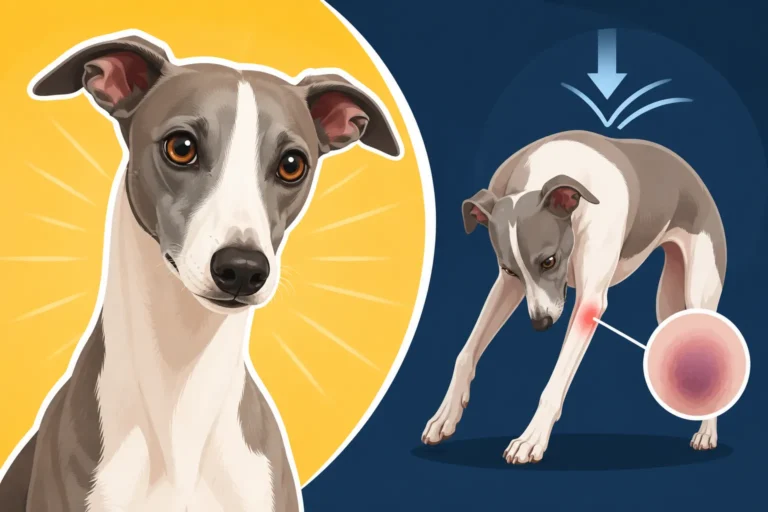
Whippet sensitivity and thin skin explain why pressure causes this breed to freeze and why gentle training methods succeed.

Whippets and cats can coexist peacefully when owners understand sighthound prey drive and manage animal interactions properly.
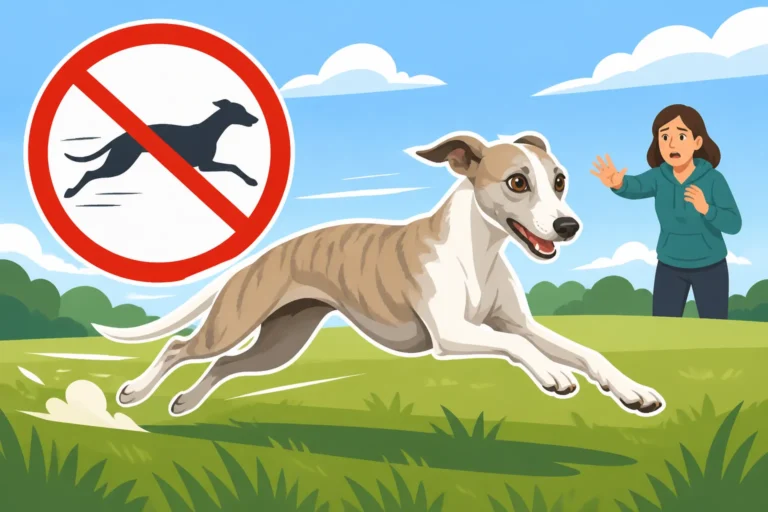
Unfenced open fields create deadly risks for a Whippet because thirty five miles per hour speed and sighthound instincts override training.

Whippets combine high-speed sprint capability with a tranquil indoor nature, requiring short intense exercise and secure spaces.

Whippet recall challenges explained by sighthound instincts, wide-set eyes, and a powerful genetic urge to chase prey at thirty-five miles an hour.