When a Whippet’s Wound Needs a Vet
Whippet skin injuries require owners to distinguish minor surface scrapes from deep full thickness wounds needing professional veterinary care.
The daily stuff, done right.
Feeding amounts by life stage, coat and skin routines, dental and nail care, exercise needs, and what changes as they age.
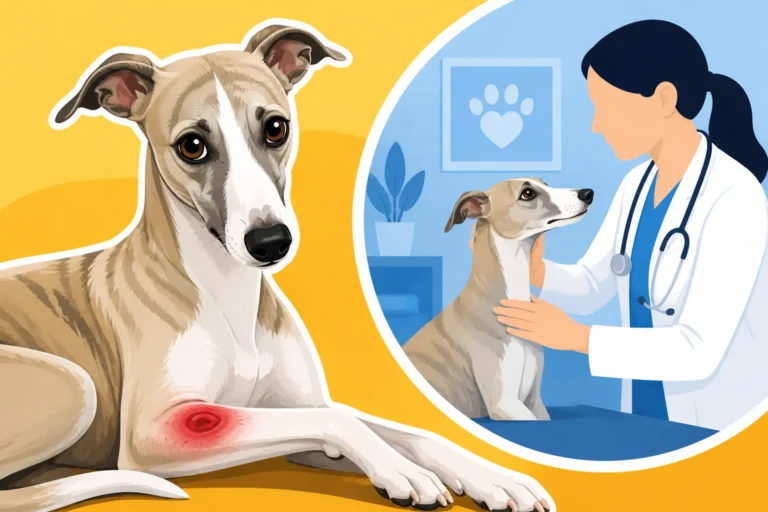
Whippet skin injuries require owners to distinguish minor surface scrapes from deep full thickness wounds needing professional veterinary care.
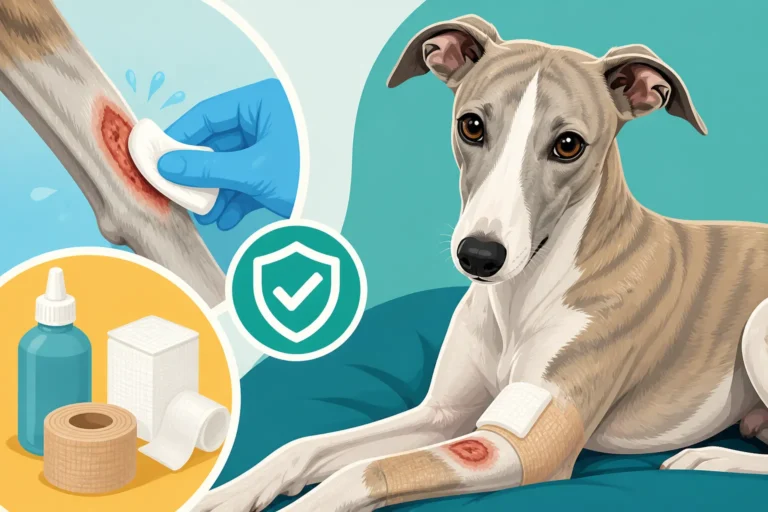
Whippet skin injuries require proper cleaning and dressing techniques to treat fragile tissue tears and prevent vet visits.
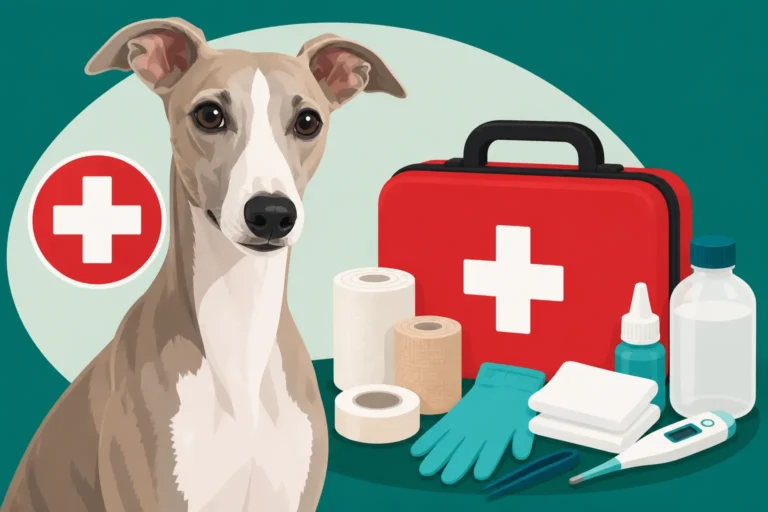
Whippet first aid kit supplies include sterile saline, povidone-iodine, non-stick gauze pads, and self-adhesive bandage wraps.
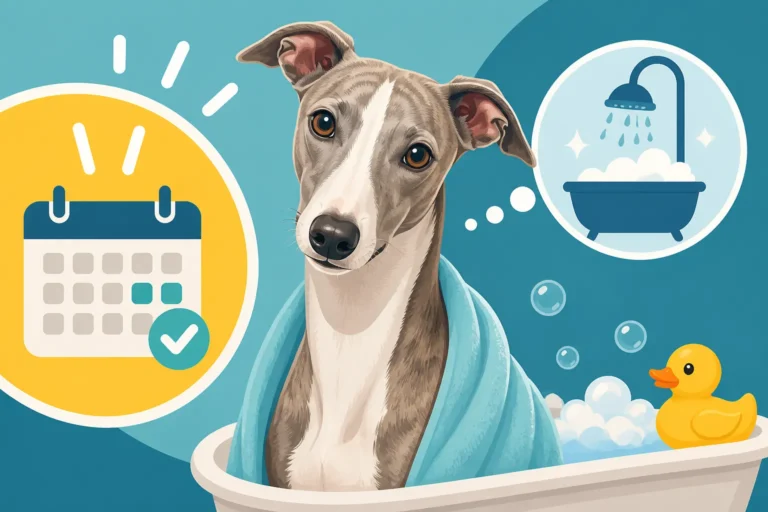
Whippet bathing frequency depends on their thin skin and short coat, which rarely trap dirt or cause strong doggy odors.
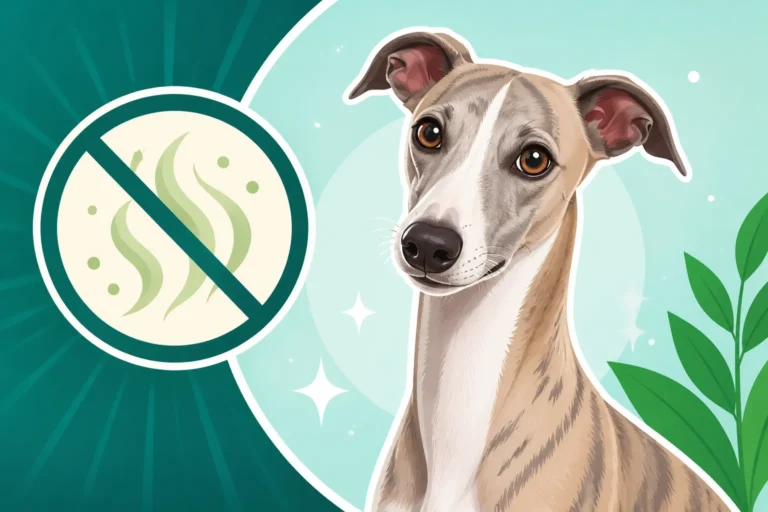
Whippet low-odor traits stem from fine single coats, low skin oil production, minimal dander, and natural self-grooming habits.
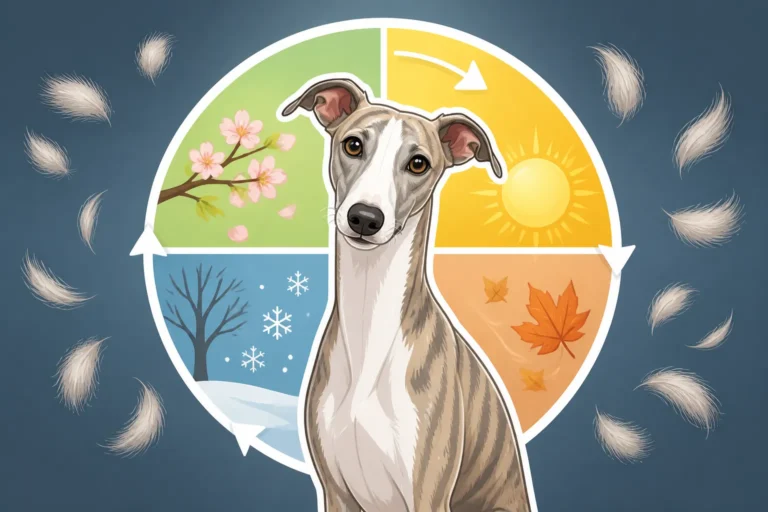
Whippet shedding happens consistently all year round, depositing fine, needle-like hairs that embed deeply into household fabrics.
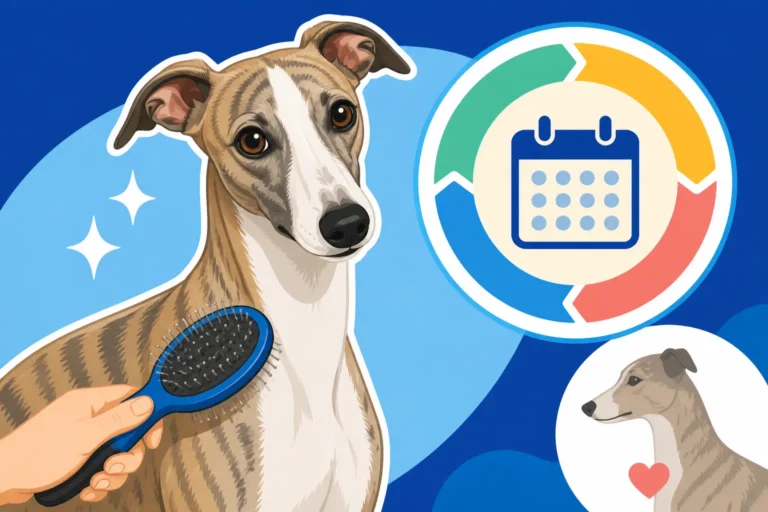
Whippet coat maintenance requires a weekly brushing routine to manage constant fine shedding while protecting delicate skin and single fur layers.
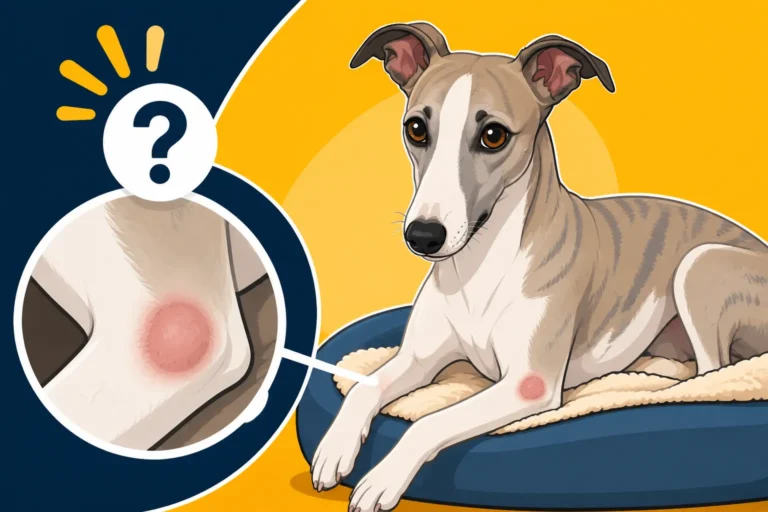
Whippet elbow hair loss occurs because their lean build and minimal body fat create constant pressure and friction on bony joints.
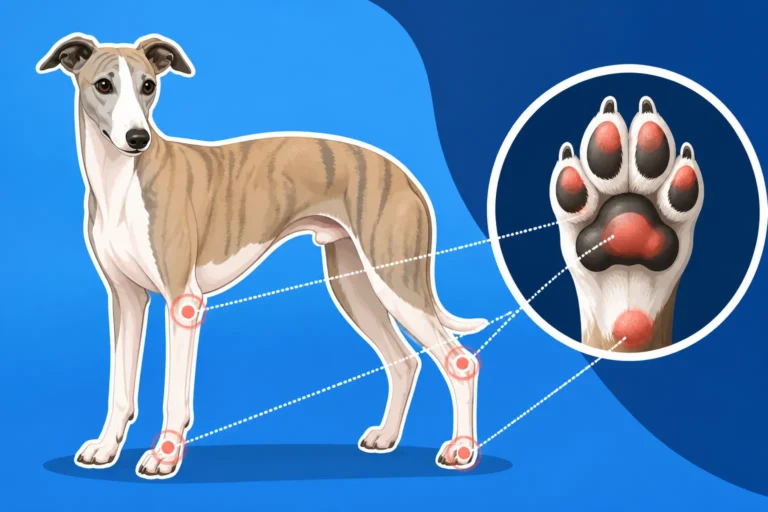
Whippet pressure calluses form on bony prominences because thin coats and low body fat provide no natural padding against hard floors.
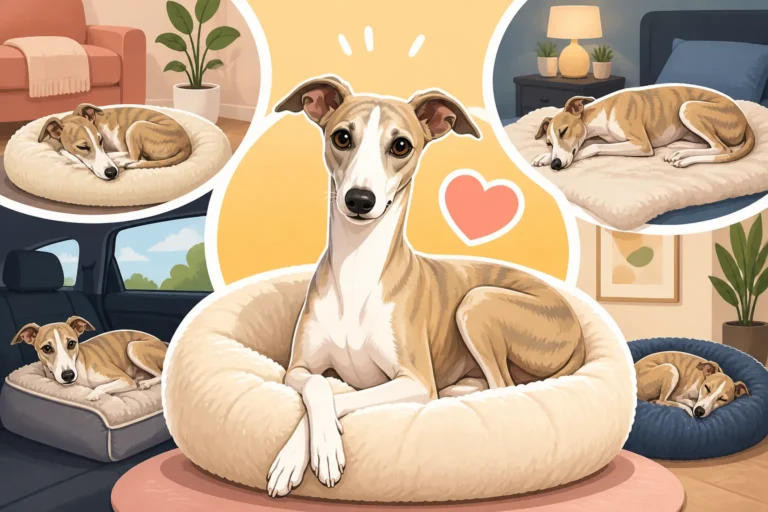
Whippet anatomy features thin skin and minimal fat, making soft bedding necessary to prevent painful pressure sores and calluses.