Caring for an Old Whippet That Feels the Cold
Senior Whippets experience severe cold sensitivity and rapid chilling caused by muscle atrophy, reduced body fat, and slower metabolism.
The daily stuff, done right.
Feeding amounts by life stage, coat and skin routines, dental and nail care, exercise needs, and what changes as they age.
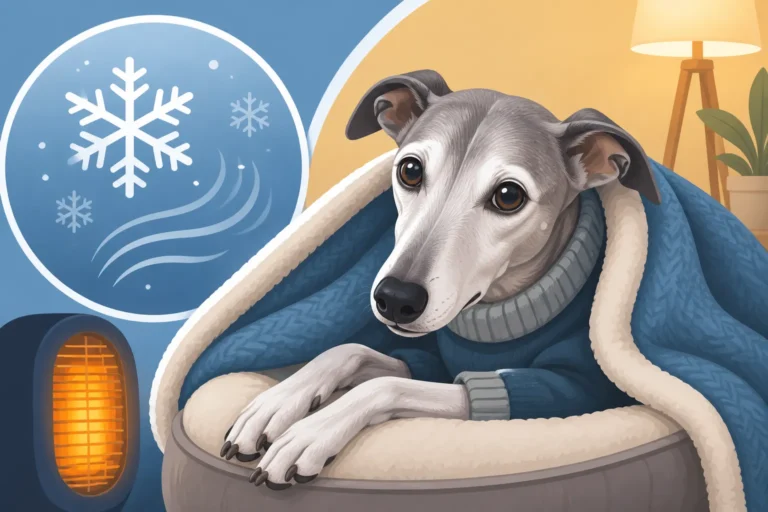
Senior Whippets experience severe cold sensitivity and rapid chilling caused by muscle atrophy, reduced body fat, and slower metabolism.
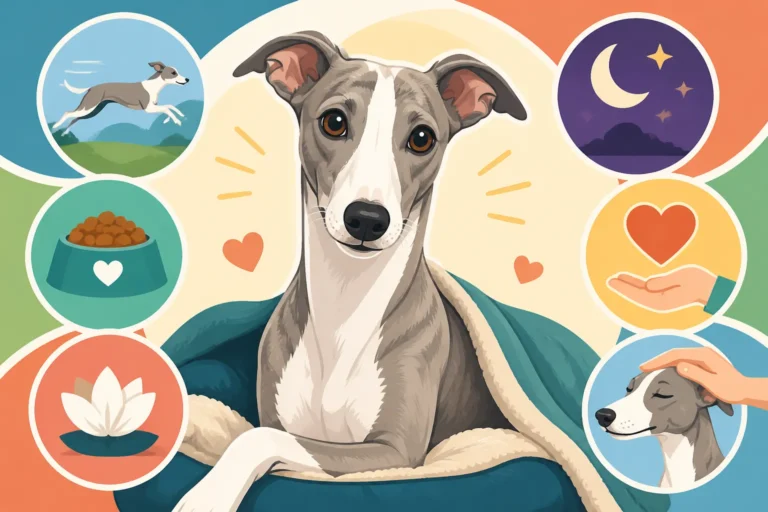
Daily nutrition and portion control for Whippets help maintain their ideal lean body condition and support active lifestyles.
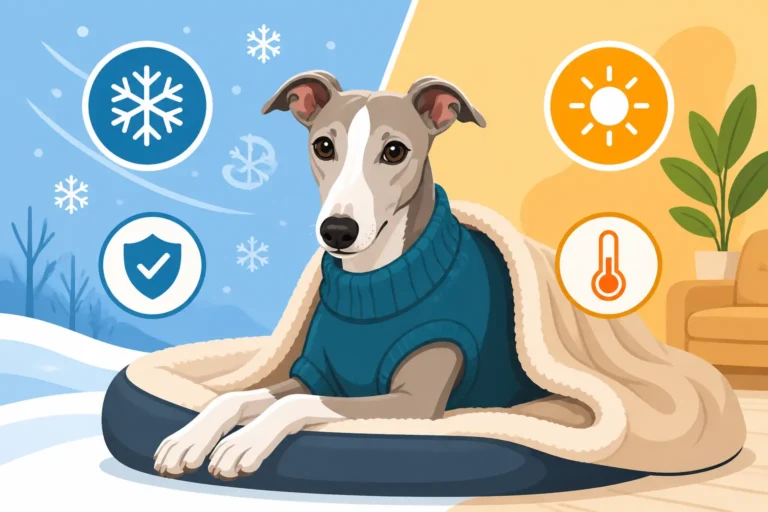
Whippet temperature regulation explains thin coats and high metabolism, showing owners how to prevent overheating indoors and outside.
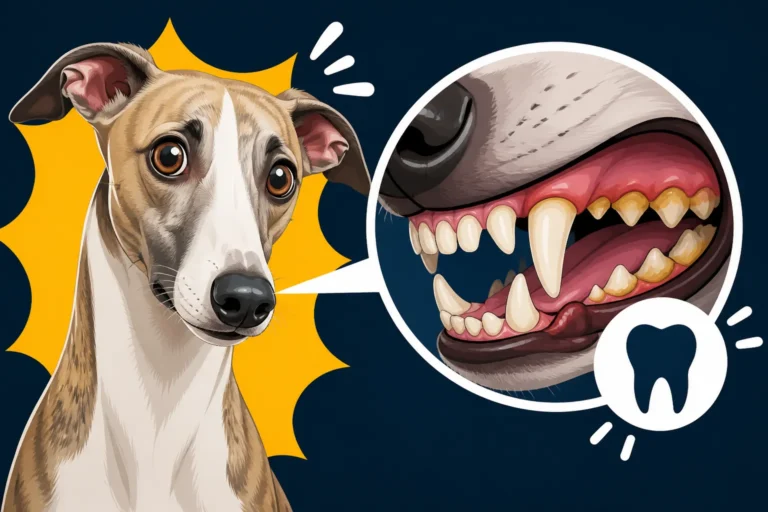
Whippet dental disease and bad breath stem from narrow jaws, crowded teeth, and unique saliva composition causing fast tartar buildup.

Whippet diet management explains how to fuel sprinting energy while preventing weight gain during sixteen hours of daily rest.
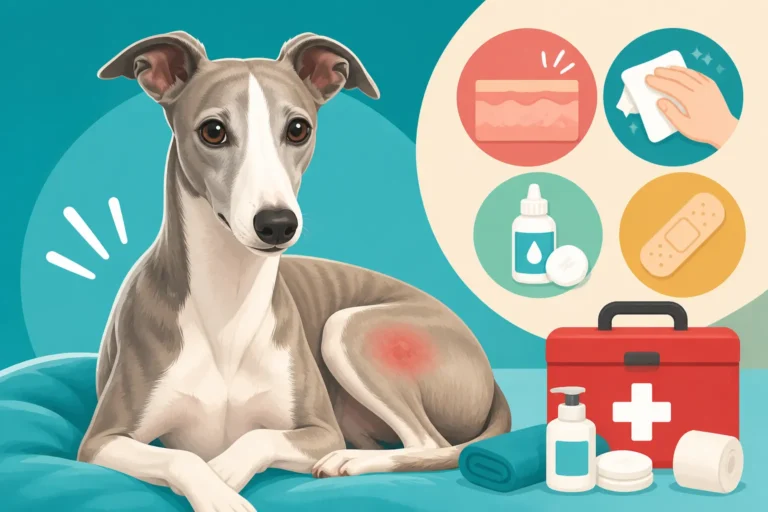
Whippet skin injuries require immediate care because their thin skin and low body fat cause minor bumps to become deep cuts.
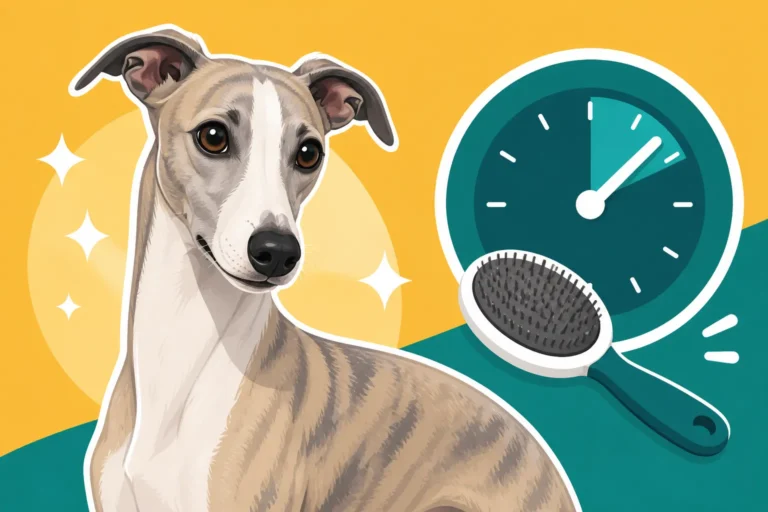
Whippet coat care takes five minutes a week because this short fine fur lacks a bulky undercoat and produces minimal oils.
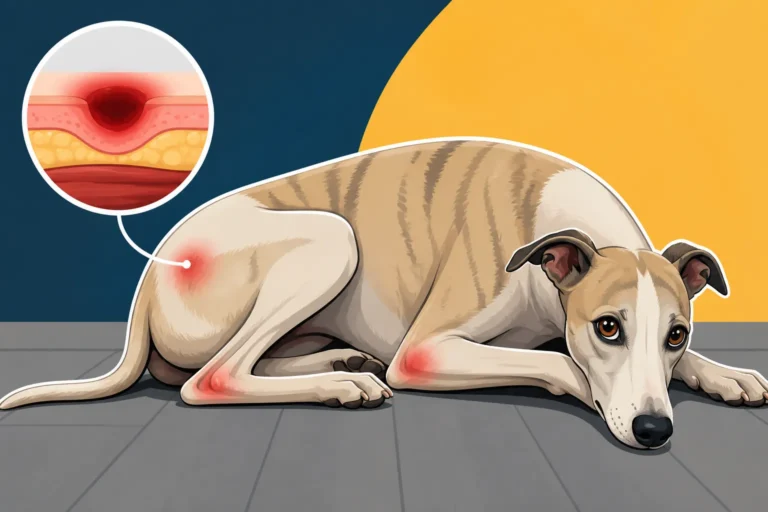
Whippet pressure sores form on elbows and hips because thin skin and bony bodies press against hard floors, requiring prevention steps.
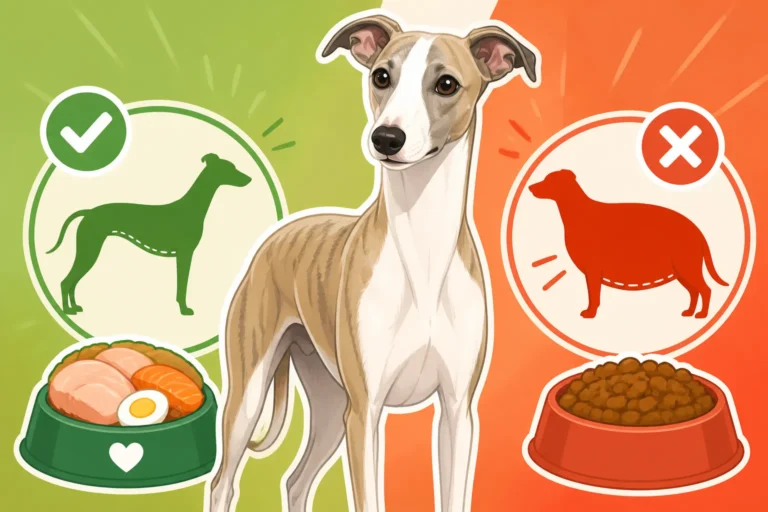
Whippet weight management requires understanding sighthound anatomy and using a body condition score to prevent unhealthy thinness.
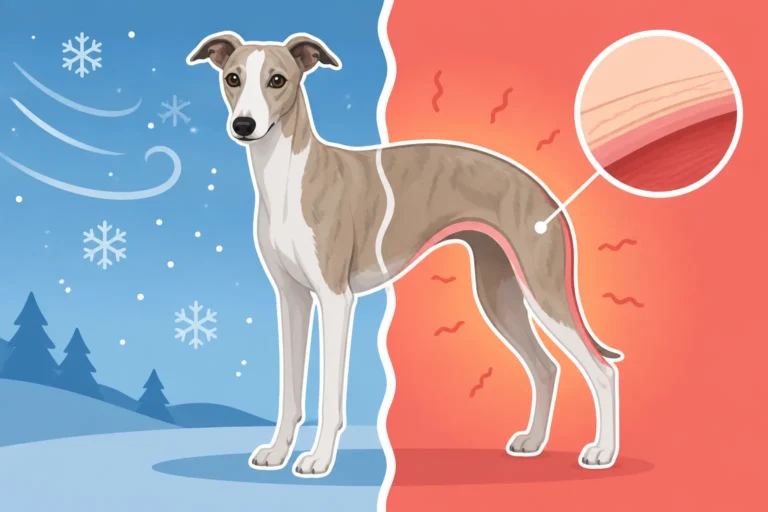
Whippet physical traits like a fine coat and minimal body fat create specific temperature challenges that owners must manage daily.