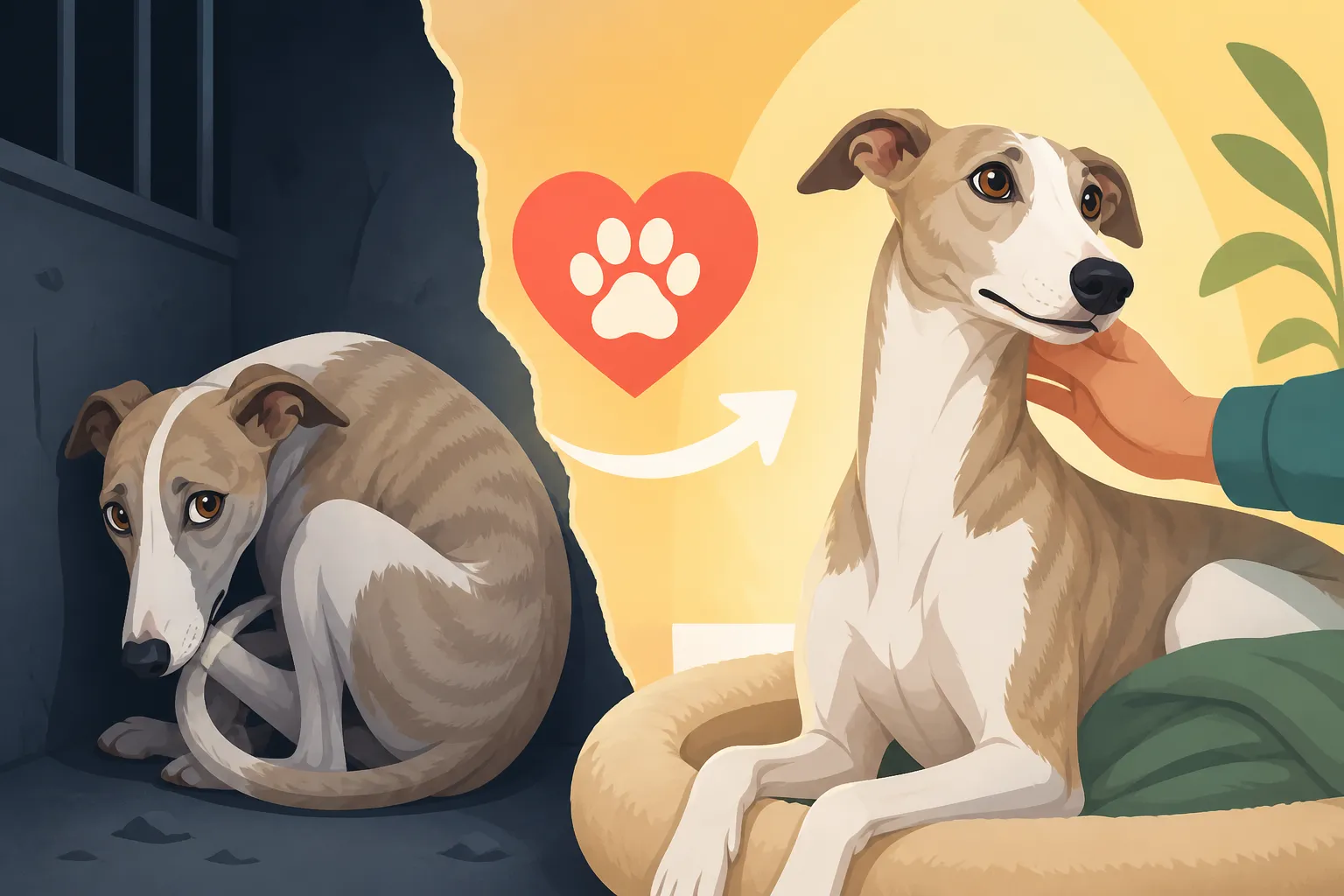
Whether a Rescue Whippet Trusts Again
Bringing a rescue Whippet into your home is an act of incredible kindness, but it often comes with a unique set of challenges. One of the biggest worries many new rescue parents face is whether their dog, who may have experienced neglect or trauma, will ever truly learn to trust again. It's heartbreaking to see fear in their eyes, and frustrating when their past seems to dictate their present behavior. This guide will delve deep into the journey of rebuilding trust with a rescue Whippet, offering practical advice and empathy for both you and your new companion.
The Invisible Baggage: Understanding a Rescue Whippet's Past
When you open your home and heart to a rescue Whippet, you're not just taking in a dog; you're taking in a history. This history, often unknown in its entirety, can profoundly impact their ability to trust, to relax, and to feel safe. It’s crucial to approach this with deep understanding, knowing that their reactions are not personal but rather echoes of past experiences.
The Impact of Previous Trauma and Neglect
Many rescue Whippets have stories we can only imagine. Perhaps they were abandoned, experienced harsh handling, lived in an overcrowded environment, or suffered from neglect where basic needs weren't consistently met. These experiences don't just fade away; they can leave deep psychological scars. A Whippet who was consistently punished for normal dog behaviors, for instance, might become withdrawn or extremely timid, flinching at sudden movements or loud noises. They might associate certain human actions, like reaching out to pet them, with negative consequences, leading to fear-based reactions. It’s a profound betrayal for an animal to experience such things, and healing that wound takes time.
Think about how sensitive a Whippet already is by nature. They are often described as having thin skin, both literally and figuratively. How a Whippet Learns When It Bruises From Pressure highlights just how physically delicate they can be, which also speaks to their emotional fragility. A breed that can literally bruise from mild pressure is not one that responds well to anything but the gentlest touch and softest voices. If their previous life was one of constant stress or fear, their nervous system might be perpetually on high alert, making it incredibly difficult for them to switch off and simply be a dog.
Common Manifestations of Distrust
So, how does this distrust show itself? It's rarely a straightforward "I don't trust you." Instead, it often manifests in a myriad of subtle and not-so-subtle behaviors. You might see a Whippet who shies away from your hand, tucks their tail constantly, or tries to make themselves invisible under furniture. Some might become "velcro" dogs out of anxiety, never wanting you out of their sight, while others might actively avoid eye contact or retreat to a safe space whenever you enter the room. Fear-based aggression, while less common in Whippets due to their generally gentle nature, can also occur if they feel cornered or threatened, often as a last resort.
Another common sign is a general reluctance to engage. They might not show interest in toys, not initiate play, or seem disinterested in walks, not because they're lazy, but because they're too preoccupied with self-preservation. Some rescue Whippets might be profoundly Whether a Whippet Is Nervous of Strangers, freezing or even barking defensively when new people enter their space. House-training issues can also stem from anxiety, as a dog who doesn't feel safe might struggle to relax enough to relieve themselves or might have learned to hide their accidents to avoid punishment. It’s a complex tapestry of behaviors, all pointing back to a fundamental lack of security and trust.
Laying the Foundation: Creating a Safe and Predictable World
The first step in rebuilding trust isn't about training commands; it's about establishing a sanctuary. Your home needs to become the safest, most predictable place your Whippet has ever known. This takes immense patience and a commitment to consistency, but it’s the bedrock upon which all future trust will be built.
The Power of Routine and Predictability
Dogs thrive on routine, and for a rescue Whippet, predictability is paramount. Knowing what to expect and when can dramatically reduce anxiety and help them understand that their world is now stable. Establish a consistent schedule for feeding, potty breaks, walks, and quiet time. Feed them at the same time each day, in the same spot, and use the same cues. This seemingly simple act tells them, "Food will come, I don't need to fight for it or worry when it will appear."
Think about things like bedtime. Perhaps your Whippet has never had a truly comfortable, safe place to sleep. Providing a cozy bed (or several, scattered around the house) and encouraging them to settle in can be incredibly reassuring. Many Whippets love to burrow, so offer soft blankets or a covered dog bed. You might even find that a crate, initially, can be a secure den if introduced properly, rather than a place of punishment. Just ensure it's a positive space where they feel safe, not Whether a Whippet Feels Trapped in a Crate. A consistent routine acts like a warm blanket for their anxious minds, telling them that life here is orderly and safe.
Gentle Handling and a Calm Environment
Whippets are incredibly sensitive souls. Harsh voices, sudden movements, or forceful handling can shatter any budding trust. Always approach your rescue Whippet calmly, speak in a soft, reassuring tone, and avoid direct eye contact initially, as it can be perceived as a challenge. Let them initiate contact on their terms. Offer an outstretched hand, palm up, and let them sniff you before you attempt to pet them. Focus on gentle strokes along their side or chest, avoiding their head or tail until they're more comfortable.
Creating a calm environment extends beyond your direct interactions. Minimize loud noises, sudden guests, or chaotic energy. If you have a busy household, ensure your Whippet has a quiet retreat they can escape to when things get overwhelming. Soft music, calming diffusers, or even a strategically placed baby gate can help manage their environment. Remember that they likely picked up on every nuance of their previous, unstable environment, so showing them that this environment is peaceful and predictable is a daily, conscious effort. It’s also wise to consider their comfort in all weather conditions; The Whippet That Will Not Toilet in the Rain might struggle to go out in inclement weather, adding another layer of anxiety if not handled with understanding.
Initial Settling-In Period: The "Rule of Threes"
When a rescue dog comes home, many people refer to the "Rule of Threes," which is a general guideline for what to expect as they settle in. It's not a hard-and-fast rule, but it helps manage expectations and remind you that trust takes time.
- First 3 Days: This is often the "shock and awe" phase. Your Whippet is likely overwhelmed, shut down, and just trying to figure out where they are and what's happening. They might not eat, drink, or toilet normally. They're observing everything, trying to understand the new rules. Keep interactions minimal, allow them space, and focus on providing food, water, and a safe den.
- First 3 Weeks: Your Whippet starts to decompress a little. They might show more of their personality, good and bad. They're testing boundaries and trying to understand their place in your home. This is where subtle behavioral issues might emerge as they feel a little safer to express themselves. Keep reinforcing routine and positive interactions. You might see some separation anxiety or vocalizations as they realize this is their new home, and they don't want to lose it. This is a common time when people see signs of them beginning to bond, even if it's tentative.
- First 3 Months: By now, your Whippet should be feeling much more at home. Their true personality will shine through, and they will likely have formed a strong attachment to you. Issues that seemed insurmountable might have faded, replaced by confidence and comfort. However, don't be surprised if minor anxieties or old habits resurface during stressful times. The journey isn't over; it's simply a new, more confident chapter.
This timeline is a guide, not a guarantee. Some Whippets, especially those with severe trauma, might take much longer to reach each stage. Patience, as you'll hear me say often, is the ultimate virtue here. For more insights on the early stages, you might find valuable advice in Settling a Rehomed Adult Whippet.
Speaking Their Language: Communication and Positive Reinforcement
Building trust isn't just about providing a safe space; it's about actively communicating with your Whippet in a way they understand and fostering confidence through positive experiences. This means gentle training, understanding their cues, and consistently rewarding desired behaviors.
The Art of Positive Reinforcement
Traditional, harsh training methods can be disastrous for a sensitive rescue Whippet. They often shut down under pressure, exacerbating fear and undermining trust. Instead, embrace positive reinforcement with open arms. This means rewarding the behaviors you want to see with high-value treats, praise, or gentle play. Did your Whippet make eye contact? Treat! Did they walk calmly past a scary object? Treat! Did they choose to lie down near you? Treat!
The goal is to create positive associations with everything in their new life, especially with you. You become the source of all good things – delicious food, comfy beds, fun games, and gentle affection. Avoid punishment, yelling, or physical corrections. These will only reinforce their fears and teach them to distrust you. If your Whippet does something you don't like, calmly redirect their attention to an appropriate behavior and reward that instead. It truly works wonders on a breed like the Whippet, who is so eager to please once they understand what is being asked of them and feel safe in the asking. Whether Positive Training Alone Works on a Whippet explores this in more detail.
Understanding Canine Body Language
Dogs communicate primarily through body language, and learning to "read" your Whippet's signals is paramount to building trust. Are their ears back? Is their tail tucked low? Are they yawning excessively, lip-licking, or turning their head away? These are all signs of stress or discomfort. Ignoring these signals can push a fearful dog beyond their threshold, leading to a fear-based reaction.
Conversely, a relaxed posture, soft eyes, a loosely wagging tail (not a stiff, high one), and a willingness to approach are all signs that they're feeling more comfortable. Pay attention to their subtle cues. If they look away when you try to pet them, respect that space. If they lean into your touch, take it as a compliment. Building trust means showing them that you understand and respect their boundaries. It's a two-way conversation, and they need to know you're listening.
Gentle Training for Confidence Building
Training isn't just about teaching commands; it's a powerful tool for building confidence and strengthening your bond. Simple, positive training sessions can give your Whippet a sense of purpose and achievement. Start with easy commands like "sit," "stay," or "come" in a calm, distraction-free environment. Use clear, gentle cues and reward heavily. Many Whippets are incredibly intelligent and keen to learn once they feel secure. How Quickly a Whippet Learns can be quite surprising.
Consider enrolling in a positive reinforcement obedience class, but choose wisely. Look for trainers who understand sensitive breeds and use only force-free methods. A good class can expose your Whippet to new environments and people in a controlled, positive way, further building their confidence. If an in-person class feels too overwhelming initially, online training programs, such as those offered by BAXTER & Bella, can provide structured support and exercises you can do at home at your Whippet's pace. This can be especially helpful for addressing specific behavioral challenges that might arise as they settle in.
The Marathon, Not a Sprint: Navigating the Long Road to Trust
Rebuilding trust with a rescue Whippet is not a quick fix; it's a continuous journey filled with small victories and, sometimes, frustrating setbacks. Your commitment to patience and understanding will be the most valuable tools you possess.
Celebrating Small Victories and Milestones
It's easy to focus on the big picture – the fully confident, happy Whippet you envision. But the journey is made up of countless tiny steps forward. Celebrate every single one. Did your Whippet finally take a treat from your hand without hesitation? That's a huge win! Did they choose to lie on a dog bed instead of hiding under the table? Victory! Did they greet a new person with a tentative sniff instead of a full retreat? Success!
These small milestones, when recognized and celebrated (even if it's just a quiet "good job" and a delicious reward), reinforce to both you and your Whippet that progress is being made. It can be incredibly motivating for you, the owner, on those days when you feel like you're not making headway. Keep a mental (or even written) note of these moments. They're proof that your effort and patience are making a tangible difference in your Whippet's world.
Understanding and Managing Setbacks
Just when you think you've turned a corner, your Whippet might have a "bad day." A new sound, an unexpected visitor, or a change in routine can trigger a regression. They might revert to old fearful behaviors, become withdrawn, or show signs of anxiety you thought were long gone. This is incredibly normal and can be disheartening, but it's not a failure.
Setbacks are simply reminders that healing isn't linear. When they happen, don't react with frustration or anger. Instead, calmly return to the basics: provide comfort, reinforce routine, and give them space. Avoid pushing them too hard. Think of it as taking one step back to take two steps forward. Your consistent, calm response during these times will actually deepen their trust, as it teaches them that even when they're struggling, you're a stable and safe presence. Remember, for a sensitive breed like the Whippet, even a How a Whippet Reacts to a Raised Voice can set back weeks of progress.
The Importance of Ongoing Patience and Empathy
Ultimately, the question of Whether a Rescue Whippet Trusts Again can almost always be answered with a resounding "yes," but it's on their timeline, not yours. Some Whippets bounce back quickly, while others may carry a degree of residual shyness or anxiety throughout their lives. Your role isn't to "fix" them entirely, but to provide a loving, safe, and understanding environment where they can be the best version of themselves.
It requires profound empathy to step into their paws and understand that their fear isn't defiance. It requires immense patience to repeat the same gentle actions day after day, week after week, with seemingly little reward. But when that moment comes – when your Whippet finally relaxes into your touch, seeks you out for comfort, or lets out a contented sigh while curled up next to you – you'll know that every ounce of effort was worth it. This deep bond, forged through understanding and compassion, is one of the most rewarding experiences of living with a rescue Whippet.
Consider also the physical comfort you provide. Whippets, with their minimal body fat, really feel hard surfaces. You can find excellent orthopedic dog beds and soft blankets on platforms like Amazon that can make a huge difference in their overall comfort and sense of security, which in turn helps them relax and trust.
Common Behaviors and Trust-Building Responses
Here’s a quick guide to understanding some common behaviors you might see in a rescue Whippet and how to respond in a trust-building way:
| Behavior | Potential Meaning (Distrust/Fear) | Trust-Building Response |
|---|---|---|
| Shying away from touch | Fear of punishment, past negative associations | Offer hand slowly, palm up, let them approach. Pet gently on chest/shoulder, not head. Use soft voice. Never force interaction. |
| Hiding/retreating | Feeling overwhelmed, seeking safety | Provide designated safe spaces (crate, cozy bed under a table). Do not pull them out. Let them come out on their own. Respect their need for space. |
| Avoiding eye contact | Submissive gesture, fear, feeling threatened | Avoid direct, prolonged eye contact initially. Gaze softly to the side. Blink slowly to signal non-threat. |
| Subtle growls/lip-licking | Warning sign, feeling uncomfortable/stressed | Immediately back off, remove the stressor. Do not punish the growl. Re-evaluate the situation to prevent future recurrence. |
| Reluctance to eat | Anxiety, unfamiliarity with food/environment | Establish routine. Offer food in a quiet, safe spot. Try different high-value foods. Don't hover. Pick up uneaten food after 15-20 min. |
| House-training accidents | Anxiety, lack of prior training, fear | Establish frequent, consistent potty breaks. Reward heavily for outdoor success. Clean accidents thoroughly without scolding. Consider a covered potty area for The Whippet That Will Not Toilet in the Rain. |
| Excessive barking/whining | Separation anxiety, fear, boredom, attention | Ensure adequate exercise/mental stimulation before being left. Practice short departures. Avoid dramatic greetings/goodbyes. Never punish vocalization; address the underlying cause. |
| Resource guarding (food/toys) | Fear of scarcity, past deprivation | Exchange valued items for higher-value treats. Avoid confronting. Never take things by force. Manage environment to prevent situations. Seek professional help if severe. |
This table serves as a quick reference, but every Whippet is an individual. Understanding their unique personality and history will be key to your success.
Disclaimer
This article is for general informational purposes only and does not constitute professional advice. Laws, prices and regulations vary by location and change over time. Consult a qualified professional for guidance on your specific situation.