Whether a Whippet Is Nervous of Strangers
It's a common misconception that all Whippets are outgoing, boisterous social butterflies. While many are incredibly affectionate with their families, the truth is that a significant number of Whippets can be quite reserved, even nervous, around strangers. This isn't a flaw in their character; it's often a deeply ingrained sighthound trait that owners need to understand and respect to help their beloved companion feel secure and confident in the world. This guide will help you understand why your Whippet might be nervous of strangers, how to recognize the subtle signs of their discomfort, and practical steps you can take to build their confidence and ensure positive interactions.
Understanding the Whippet's Sensitive Nature
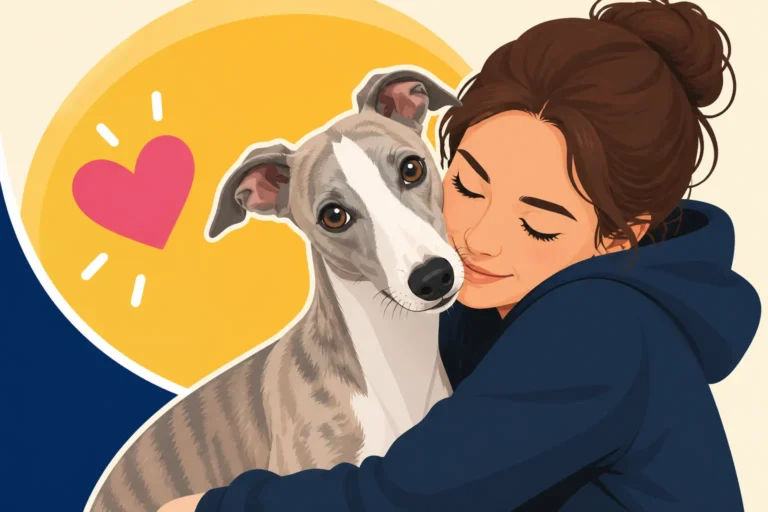
Whippets, by their very nature, are often described as sensitive souls. They are elegant, gentle, and possess a keen awareness of their surroundings. This sensitivity, while making them incredibly attuned to their human companions, can also translate into a wariness of the unfamiliar, especially new people entering their personal space. It's not aggression; it's typically a desire to avoid perceived threats or simply to observe from a safe distance.
The Sighthound Disposition and Stranger Wariness
Many sighthound breeds, including Whippets, were not historically bred to be gregarious with everyone they meet. Their primary role involved hunting by sight, often working independently or in small packs, and then returning to the quiet comfort of their home and trusted human family. They weren't typically expected to be the life of the party at the local pub or the greeter at the front door. This history has contributed to a natural reserve that can manifest as shyness or nervousness around strangers. They're often "one-family dogs" in terms of deep affection, even if they tolerate others politely.
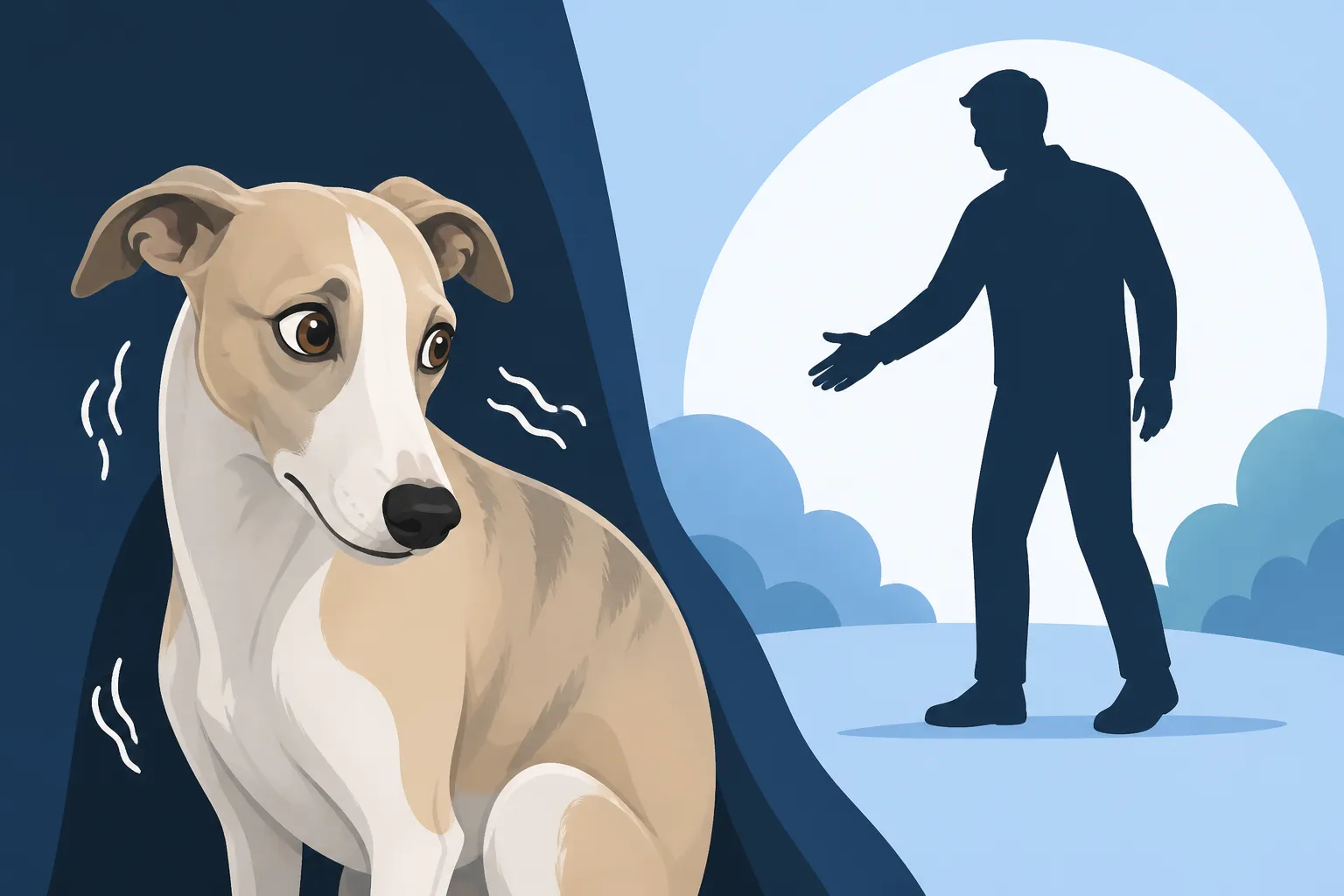
It's a common sight to see a Whippet greet a stranger with a polite sniff, a quick lick, and then retreat to their owner's side, or even behind them. They might lean into their owner, offering a subtle cue that they'd prefer to keep some distance. This isn't rudeness; it's their way of managing their comfort levels in a world that can feel overwhelming at times. Ignoring these subtle signals can actually increase their anxiety, making future interactions even more challenging.
Early Experiences and Socialization
Just like people, a Whippet's early experiences play a huge role in shaping their personality and how they view the world. A puppy that wasn't adequately socialized during its critical developmental period (roughly 3 to 16 weeks) may be more prone to nervousness. This doesn't mean they need to meet every single person on the planet, but rather have positive, low-pressure exposure to a variety of sights, sounds, smells, and people from a young age. Without this foundation, the unfamiliar can become inherently scary.
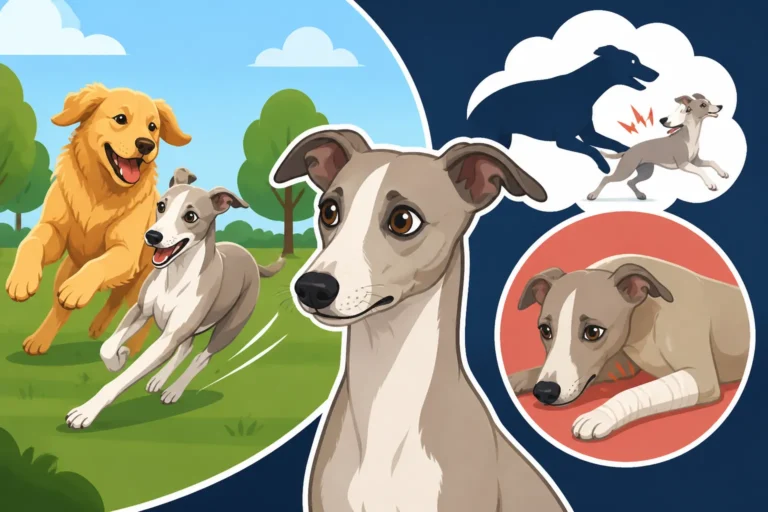
Even a well-socialized Whippet can develop wariness if they have a negative experience. Perhaps an overly enthusiastic stranger loomed over them, or tried to pet them too forcefully, or even startled them with a sudden noise. These single incidents, especially for a sensitive breed, can leave a lasting impression. This is why advocating for your Whippet and controlling their interactions is so crucial. For deeper insights into this crucial period, consider reading Socializing a Whippet Puppy.
Recognizing the Signs of Nervousness in Your Whippet
Whippets are masters of subtle communication. They rarely offer overt, aggressive warnings, but instead use a nuanced language of body posture, tail wags (or lack thereof), and facial expressions to tell you how they're feeling. Learning to read these signals is paramount to helping your nervous Whippet.
Subtle Cues and Body Language
A Whippet that is nervous of strangers might not growl or bark. Instead, look for these quieter signs:
- Lip Licking and Yawning: Often done quickly and out of context (e.g., not after eating or waking up), these are displacement behaviors indicating stress.
- Turning Head/Body Away: Your Whippet might intentionally look away from the approaching stranger or even pivot their entire body to present their side or back. This is a clear signal of avoidance.
- Tail Tucked Low or Between Legs: While a happy Whippet might have a low, gently wagging tail, a tucked tail held tightly to the belly is a definitive sign of fear or extreme apprehension.
- Flattened Ears: Ears pinned back against the head, sometimes accompanied by wide eyes, signal anxiety.
- "Whale Eye": This is when you can see the whites of your Whippet's eyes, often because they are looking away from the threat but turning their head just enough to keep it in their peripheral vision.
- Reluctance to Approach: They might slow their pace, stop entirely, or try to pull away on the leash when a stranger gets too close.
- Seeking Your Protection: Your Whippet might press against your leg, try to get behind you, or even attempt to hide. This is them asking for help.
The Difference Between Shyness and Fear
It's important to distinguish between a truly shy Whippet and one that is experiencing intense fear. A shy Whippet might simply avoid interaction but remain calm. They might politely take a treat from a stranger's hand if offered gently, then retreat. A fearful Whippet, however, will show more pronounced signs of stress, potentially shaking, panting, or even trying to flee. Their body will be tense, and their movements might be stiff or jerky.
A shy Whippet might just need space and time to warm up, while a fearful one requires a more managed approach, often involving careful counter-conditioning and desensitization. Never force interaction on a fearful Whippet, as this can exacerbate the problem and erode their trust in you. Understanding Why a Whippet Is Shy With Strangers can provide more context.
Here's a quick table to help differentiate common body language:
| Body Language Trait | Comfortable/Confident Whippet | Nervous/Fearful Whippet |
|---|---|---|
| Eyes | Soft, blinking, looking at person or surroundings | Wide, "whale eye," darting glances, avoiding eye contact |
| Ears | Relaxed, slightly back or forward, natural | Flattened against head, pulled back tightly |
| Mouth | Closed or slightly open, relaxed pant, soft muzzle | Tightly closed, lip licking, yawning, excessive panting |
| Tail | Low set, gentle wag or still, relaxed sweep | Tucked tightly, rapid small tucks, still and rigid |
| Body Posture | Relaxed, weight evenly distributed, loose muscles | Tense, low to the ground, leaning away, trembling |
| Movement | Fluid, may approach curiously, solicit attention | Stiff, slow, hesitant, trying to retreat or hide |
Strategies for Helping a Nervous Whippet
Helping a nervous Whippet isn't about "fixing" them or forcing them to be something they're not. It's about building their confidence, teaching them that strangers aren't always a threat, and giving them the tools to cope. This journey requires patience, consistency, and a deep understanding of your Whippet's individual needs.
Controlled Exposure and Positive Reinforcement
The key to helping a nervous Whippet is controlled, positive exposure. This means setting up situations where your Whippet can observe strangers from a comfortable distance, without feeling overwhelmed. Think about the threshold where your Whippet notices the stranger but isn't reacting negatively. That's your starting point.
When a stranger is at this distance, offer high-value treats (like small pieces of cheese or chicken) and calm praise. The goal is to associate the sight of a stranger with something wonderful. If your Whippet starts to show signs of stress, you're too close, and you need to increase the distance. Over time, you can gradually decrease the distance, always ensuring your Whippet remains relaxed and happy. Brands like Amazon offer a wide array of training treats and long lines that can be instrumental in these training sessions, allowing your dog space while maintaining safety.
Teaching "Look at That" and Engagement
A simple yet powerful tool is teaching your Whippet to look at a stranger and then immediately look back at you for a reward. This can be taught by clicking or verbally marking the moment they glance at the stranger, then rewarding them generously when they turn their attention to you. This teaches them to "check in" with you rather than fixate on the perceived threat, shifting their focus and building a positive pattern.
Another technique is to make yourself more interesting than the approaching stranger. If your Whippet is engaged with you – doing simple tricks, playing with a favorite toy, or taking treats – they're less likely to be focused on their anxiety. Keep these interactions light and fun. Remember, for a sensitive dog, How a Whippet Learns When It Bruises From Pressure means positive reinforcement is always the way to go, avoiding any harsh corrections.
Advocating for Your Whippet and Managing Interactions
This is perhaps the most crucial strategy. You are your Whippet's advocate. This means politely but firmly telling strangers not to approach, stare, or attempt to pet your dog without permission. A simple "Please give us some space, he's a bit shy" or "She's in training, please don't distract her" goes a long way. If a stranger insists, physically step between them and your dog.
Equally important is to avoid putting your Whippet in situations where they have to interact with strangers if they're not comfortable. If you have guests over, provide your Whippet with a quiet, safe retreat (a crate, another room) where they can relax away from the commotion. If they choose to come out and observe from a distance, great! If not, that's okay too. Respecting their boundaries is key to building trust and confidence. Many online training platforms, such as BAXTER & Bella, offer resources and live coaching sessions that can guide you through managing these scenarios effectively from the comfort of your home.
Building Confidence Beyond Stranger Interactions
A nervous Whippet isn't just nervous around strangers; their general confidence might need a boost. A well-rounded approach to their overall well-being can contribute significantly to their bravery when facing new people.
Consistent Routines and a Sense of Security
Whippets thrive on routine. A predictable daily schedule for meals, walks, and playtime provides a sense of security and reduces overall anxiety. When they know what to expect, they can relax more. Ensure they have a designated safe space in your home – a cozy bed, a crate with a blanket, or a quiet corner – where they can retreat and feel undisturbed. This "safe haven" is essential for a dog that sometimes finds the world a bit too much. For more on what your Whippet needs daily, check out What a Whippet Needs Every Day.
Think about the environment you're creating. A calm, consistent home life can be a powerful antidote to external stressors. If your household is often chaotic or loud, it might amplify your Whippet's natural sensitivity. The Household a Whippet Was Built For delves into the kind of environment where these dogs truly flourish.
Enriching Activities and Mental Stimulation
While physical exercise is important, mental stimulation can be equally vital for building confidence. Engaging your Whippet in activities that challenge their mind can help them feel more capable and self-assured. This could include:
- Puzzle Toys: Toys that dispense treats when manipulated keep their minds active and reward problem-solving.
- Scent Work: Whippets have a surprisingly good nose, even if they're primarily sighthounds. Hiding treats around the house and encouraging them to find them can be a fantastic confidence booster.
- Obedience Training: Even basic obedience commands, taught with positive reinforcement, can strengthen your bond and give your Whippet a sense of purpose and accomplishment. They learn that engaging with you is rewarding.
- Lure Coursing or Fast CAT: For those Whippets with a strong prey drive (which is most of them!), channeling this natural instinct in a controlled, safe environment can be incredibly fulfilling and confidence-boosting. They get to do what they were born to do!
Remember, every small success in these activities contributes to a larger sense of self-efficacy. For a Whippet, finding a hidden treat is a victory, and those victories accumulate to make them feel more capable in general.
The Power of Your Calm Demeanor
Dogs are incredibly adept at reading our emotions. If you feel anxious or stressed when a stranger approaches your nervous Whippet, they will pick up on that and their own anxiety will likely escalate. Strive to remain calm, confident, and reassuring. Speak in a gentle, even tone. Your relaxed energy will communicate to your Whippet that everything is okay and that you are in control.
If you find yourself constantly worrying about every interaction, consider seeking guidance from a certified professional dog trainer who specializes in fear and anxiety. They can provide personalized strategies and support, helping both you and your Whippet navigate these challenges. Sometimes, just having a plan and someone knowledgeable to guide you can significantly reduce your own stress, which in turn helps your dog. If you're wondering Whether a Shy Whippet Can Be Brought Round, remember that professional help often makes a significant difference.
Addressing Specific Triggers
Beyond general nervousness, some Whippets might have very specific triggers. Perhaps they're okay with women but fearful of men, or fine with adults but scared of children. It's crucial to identify these specific triggers to tailor your approach. For example, if your Whippet is nervous around children, all interactions must be carefully supervised and managed, ensuring the child understands how to approach and behave around a sensitive dog. Sighthound Manners: A Whippet Meeting Other Dogs offers principles that can be adapted for human interactions too.
Understanding these nuances will make your training more effective and prevent unnecessary stress for your Whippet. It’s a marathon, not a sprint, but with consistent effort, your Whippet can learn to navigate the world with greater ease and comfort. Even an undersocialized Whippet recovers (Whether an Undersocialized Whippet Recovers) with dedicated, patient work.
Disclaimer
This article is for general informational purposes only and does not constitute professional advice. Laws, prices and regulations vary by location and change over time. Consult a qualified professional for guidance on your specific situation.