Whether a Whippet Puppy Chews Furniture
Bringing home a new Whippet puppy is such an exciting time, full of dreams of snuggly cuddles and graceful sprints. But let's be honest, those adorable little land sharks come with razor-sharp teeth and an insatiable desire to explore the world with their mouths, often setting their sights on your beloved furniture. It's a frustrating reality for many new puppy parents, and it can feel like a constant battle to save your sofa legs or chair rungs. This guide is here to help you understand why your Whippet puppy chews furniture, how to manage it, and most importantly, how to redirect that natural instinct toward appropriate outlets, keeping both your home and your happy pup safe.
The Instinct Behind the Nipping and Chewing
It’s easy to feel personally offended when your sweet little Whippet pup decides your antique coffee table is a delicious snack, but it’s crucial to remember that this isn't defiance or malice. Chewing is a deeply ingrained, completely natural canine behavior, especially for a growing puppy. Understanding the root causes can help you respond with patience and effective strategies, rather than just getting frustrated.
Why Whippet Puppies Chew It's More Than Just Teething!
For a Whippet puppy, chewing is a multi-faceted activity, serving several vital purposes beyond just alleviating teething discomfort. While those sharp puppy teeth falling out and new adult teeth coming in certainly contribute to the urge to gnaw, it's far from the only reason. Think of chewing as a puppy's way of interacting with and understanding its environment. They don't have hands to pick things up and examine them; instead, their mouth is their primary tool for exploration.
Beyond exploration, chewing provides immense relief and stimulation. A stressed or anxious puppy might chew to self-soothe, much like a child sucks their thumb. It can be a way to cope with new environments, unfamiliar noises, or even the feeling of being left alone. For a breed like the Whippet, which might be calm indoors but possesses bursts of incredible energy, chewing can also be a fantastic outlet for pent-up mental and physical energy when they're not zooming around outside. A bored Whippet puppy, just like any other breed, will find its own entertainment, and often, that entertainment involves something you didn't intend for them to chew, like the leg of your dining room chair.
The Difference Between Destructive Chewing and Normal Puppy Exploration
It's important to distinguish between what's normal, albeit sometimes inconvenient, puppy chewing and genuinely destructive behavior. Normal puppy exploration might involve mouthing a variety of objects, tasting textures, or gently gnawing on something until they find their approved chew toy. They're learning what is and isn't okay to put their mouth on. This type of chewing is usually manageable with consistent redirection and providing better alternatives. For example, if you see your puppy gently mouthing the corner of a rug, a quick "No," and then offering a suitable chew toy, is often enough to divert their attention.
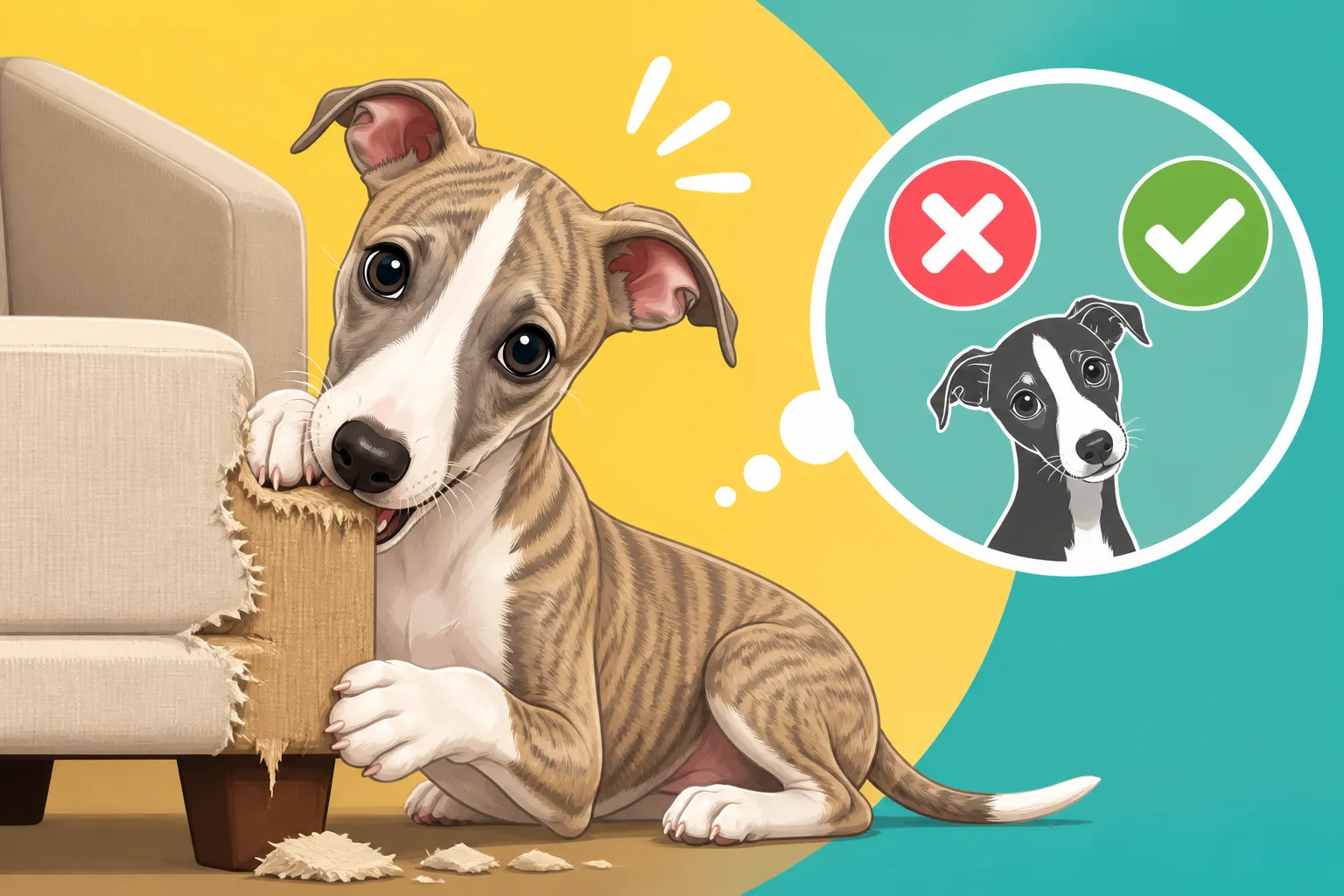
Destructive chewing, however, often goes beyond simple exploration. This is when a puppy is actively trying to break down, consume, or significantly damage an item. You might find chunks missing from furniture, torn-up pillows, or a frantic, obsessive focus on a single object. Furniture often becomes a prime target because it's usually stationary, easily accessible, and offers a satisfyingly sturdy texture that feels good on sore gums or provides resistance for a strong chewer. The legs of chairs and tables, the corners of wooden chests, or the fabric edges of upholstered items are particularly vulnerable. This kind of chewing often signals a deeper issue like extreme boredom, separation anxiety, or an unmet need for appropriate mental and physical stimulation. Don't worry, even if you're dealing with destructive chewing, there are plenty of strategies to help your Whippet redirect that energy.
Puppy-Proofing Your Home to Save Your Furniture (and Your Sanity!)
When you bring a Whippet puppy into your home, you're essentially welcoming a tiny, four-legged explorer with a mission to investigate every nook and cranny with their mouth. Puppy-proofing isn't just about protecting your belongings; it's about keeping your puppy safe from things that could harm them, like electrical cords or toxic plants. It’s an essential step, right alongside house training and socialization, to ensure a happy and healthy start for your new family member.
Identifying and Securing High-Risk Items
Before your Whippet puppy even sets a paw inside, it’s time to get down on your hands and knees and see the world from their perspective. What’s at puppy-mouth height? Likely a lot more than you initially thought! Electrical cables are a huge danger; they can look like tempting chew toys and pose a serious electrocution risk. Secure these by tucking them away behind furniture, using cable protectors, or investing in cord management systems that keep them completely out of reach. Think about lamp cords, charging cables for your phone, and TV wires.
Beyond electrical hazards, look at your furniture. Wooden chair and table legs, the bottom rungs of chairs, baseboards, and the low corners of upholstered furniture are prime targets. These items offer interesting textures and a solid chew. Consider using bitter apple spray or other non-toxic deterrents specifically designed for pets on these surfaces. While not foolproof, they can make furniture less appealing. Baby gates can be invaluable for blocking off entire rooms or sections of a room where valuable or dangerous items reside, effectively creating safe zones where your puppy can't get into trouble unsupervised. Remember, if you wouldn't want a toddler to put it in their mouth, your Whippet puppy shouldn't either.
Creating a Safe, Engaging Space for Your Whippet Puppy
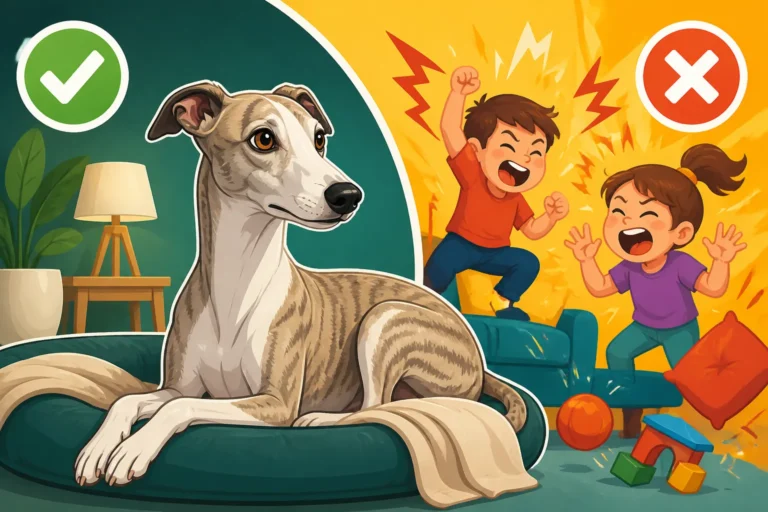
Every Whippet puppy needs a designated "safe zone" – a place where they can relax, feel secure, and know that everything within reach is appropriate for them. For many owners, this means crate training. A well-introduced crate becomes a den, a private sanctuary, and a fantastic tool for managing puppy chewing, especially when you can't actively supervise them. Whether a Whippet Puppy Should Be Crated is a topic many new owners grapple with, but when done correctly, it's incredibly beneficial. Stock the crate with safe, durable chew toys and comfortable bedding that your puppy can't easily ingest.
Beyond the crate, consider a larger puppy-proofed area, perhaps using an exercise pen in a living room corner or kitchen. This space should be free of anything your puppy shouldn't chew and filled with an abundance of engaging, appropriate chew toys. Regularly rotate these toys to keep things interesting. A bored puppy is a chewing puppy, and variety helps prevent them from seeking out your furniture for entertainment. Ensure they have a comfy bed, too; Whippets love their soft spots, and a good bed can prevent them from seeking out your sofa cushions to nap on and potentially chew. Consider a sturdy, washable bed that can withstand some puppy antics.
Guiding Your Whippet's Chewing Towards Appropriate Outlets
It's one thing to remove temptations, but it's another to actively teach your Whippet puppy what is acceptable to chew. This involves patience, consistency, and a deep understanding of how your Whippet learns best. Remember, they are incredibly sensitive dogs, and harsh corrections can easily shut them down. How a Whippet Learns When It Bruises From Pressure means positive reinforcement is absolutely key.
The Power of Positive Redirection and Consistent Training
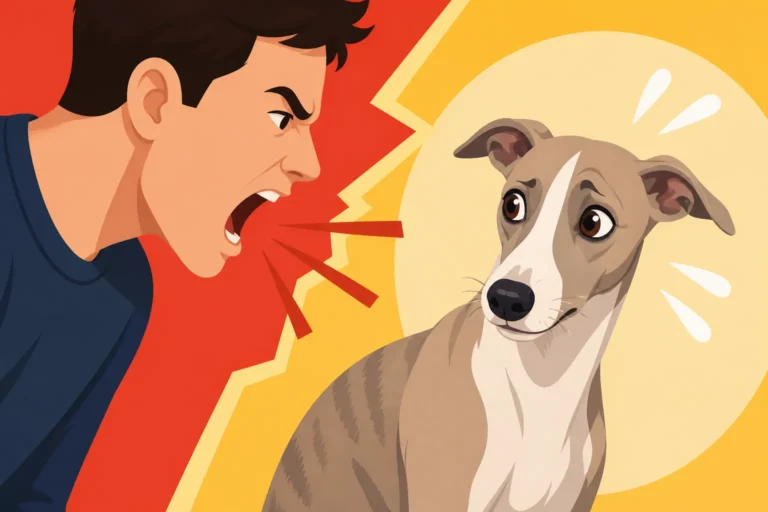
The moment you catch your Whippet puppy chewing on something inappropriate, the goal is to redirect, not punish. A sharp, loud "No!" can be startling and counterproductive for a sensitive Whippet. Instead, use a calm, firm "Ah-ah!" or "Leave it!" followed immediately by offering an appropriate chew toy. As soon as their mouth touches the designated toy, offer enthusiastic praise and a small, high-value treat. This teaches them, "When I chew this, good things happen!" Consistency is the magic word here. Every single time you see them chewing something they shouldn't, redirect. If you let it slide "just this once," you're inadvertently confusing your puppy about the rules.
Enrollment in a good puppy class or an online training program like BAXTER & Bella can provide invaluable guidance and support for this kind of consistent redirection. They offer structured lessons and resources that can help you understand puppy behavior and implement effective, positive training techniques. Remember, your Whippet wants to please you, but they need clear communication about what's expected. Make sure everyone in the household is on the same page with the rules and redirection methods to avoid sending mixed signals to your clever little pup.
The Best Chew Toys and Engagements for a Whippet Puppy
Not all chew toys are created equal, and what one Whippet puppy loves, another might ignore. The key is variety and durability. For a breed with relatively delicate teeth in comparison to some tougher breeds, you want toys that are firm but won't chip or break their teeth. Hard rubber toys, like classic KONGs, are excellent because they can be stuffed with treats (think peanut butter or plain yogurt) to provide extended mental stimulation as your puppy works to get the goodies out. This keeps them engaged for much longer than a simple chew. You can find a wide range of these on Amazon, from different brands and shapes.
Dental chews specifically designed for puppies can also be beneficial, helping to scrape off plaque while satisfying the chewing urge. Just ensure they are appropriate for your puppy's age and size and that you supervise them to prevent them from ingesting large chunks. Rope toys can be fun for tugging, but always supervise and remove them if your puppy starts to shred and swallow strings. Puzzle toys are another fantastic option; they combine mental challenge with the satisfaction of earning a treat, providing a wonderful outlet for a Whippet's intelligence and energy. Rotating these toys daily or weekly prevents boredom and keeps the "new toy" excitement alive, making them more appealing than your furniture.
When Chewing Becomes a Bigger Problem: Seeking Solutions
Sometimes, despite your best efforts at puppy-proofing and redirection, the chewing seems to escalate or become particularly intense. If you feel like you're losing the battle, it's time to dig a little deeper and consider potential underlying causes. Persistent destructive chewing isn't just a nuisance; it's often a signal that your Whippet puppy has an unmet need or is experiencing distress.
Addressing Underlying Causes of Excessive Chewing
One of the most common reasons for excessive chewing, particularly destructive chewing of furniture, is simply boredom or a lack of mental and physical exercise. While Whippets are renowned for being couch potatoes indoors, they are still sighthounds with incredible energy bursts. A few short sprints in a safe, enclosed area, or some vigorous playtime with toys, can make a huge difference. Are they getting enough structured exercise? Are they also getting enough mental stimulation, like training sessions or puzzle toys? A tired puppy is usually a good puppy, and a mentally engaged puppy is less likely to look for trouble. How Much Exercise a Whippet Really Needs can give you a better idea of their requirements.
Another significant contributor to destructive chewing is anxiety, most notably separation anxiety. If your Whippet puppy only chews when left alone, especially around entryways, windows, or your personal items, it could be a sign of distress. They might be trying to cope with the stress of your absence. Separation Anxiety in a Whippet is a real and challenging issue for many owners, and chewing can be a major symptom. Other potential causes include nutritional deficiencies (though less common with a quality puppy food) or even medical issues causing discomfort. It's always a good idea to rule out health problems if chewing becomes extreme or accompanied by other behavioral changes.
When to Seek Professional Guidance
If you've tried all the usual methods – puppy-proofing, consistent redirection, providing plenty of appropriate chew toys, and ensuring adequate exercise and mental stimulation – and your Whippet puppy's furniture chewing persists or worsens, it's time to bring in the cavalry. Your first stop should be your veterinarian. They can perform a thorough check-up to rule out any underlying medical conditions that might be contributing to the behavior. Sometimes, a subtle discomfort or dental issue can manifest as increased chewing.
If health issues are ruled out, the next step is to consult a certified professional dog trainer or a veterinary behaviorist. These experts have the knowledge and experience to assess your puppy's specific situation, identify the root cause of the excessive chewing, and develop a tailored behavior modification plan. They can help you understand complex canine behavior, teach you advanced training techniques, and guide you through strategies for managing anxiety or extreme boredom. Don't feel ashamed or defeated; seeking professional help is a sign of a responsible and loving pet owner who wants the best for their Whippet. It’s an investment in your puppy’s well-being and your peace of mind.
| Chewing Type | Characteristics | Common Causes | Recommended Actions |
|---|---|---|---|
| Normal Puppy Chewing | Mouthing, gentle gnawing, exploring textures | Teething, exploration, mild boredom, stress relief | Redirection to appropriate toys, positive reinforcement |
| Moderate Chewing | Light damage to furniture, occasional shredding | Moderate boredom, lack of engaging toys | Increase appropriate toy variety, structured play, consistent redirection |
| Destructive Chewing | Significant damage (chunks, holes), obsessive focus | Severe boredom, separation anxiety, unresolved stress | Vet check, consult professional trainer/behaviorist, address underlying anxiety |
Disclaimer
This article is for general informational purposes only and does not constitute professional advice. Laws, prices and regulations vary by location and change over time. Consult a qualified professional for guidance on your specific situation.