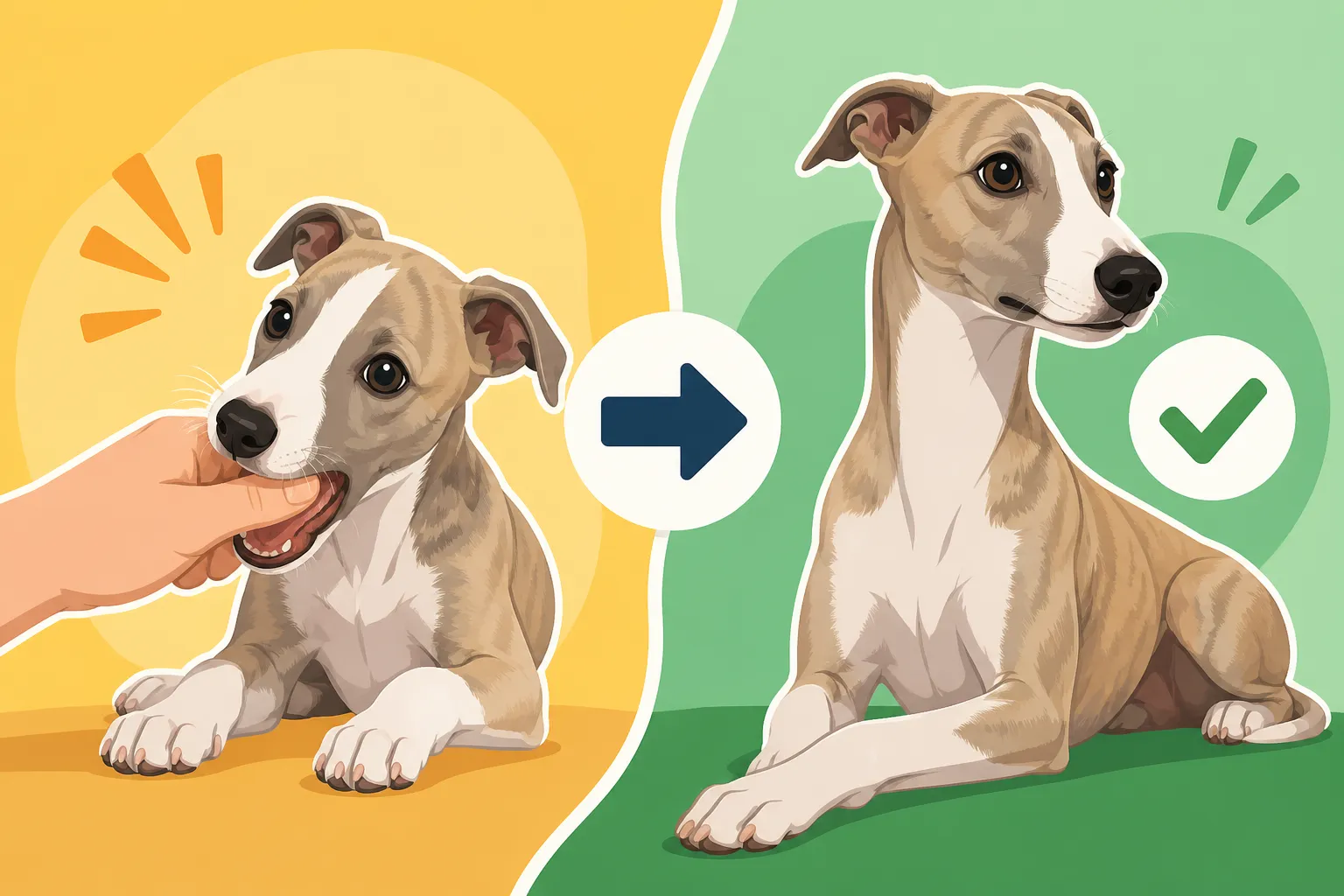
The Age a Whippet Puppy Stops Mouthing
Bringing a Whippet puppy home is an absolute joy, filled with zoomies, snuggles, and endless entertainment. But let's be honest, those razor-sharp puppy teeth can quickly turn adorable nips into frustrating, even painful, encounters. If you're wondering when your little land shark will finally learn to use its mouth more gently, this guide is for you. We're going to dive deep into understanding why Whippet puppies mouth, when you can expect this behavior to naturally subside, and most importantly, how you can gently guide them through this stage without stifling their curious spirit.
Understanding the Roots of Whippet Puppy Mouthing
It’s easy to feel like your tiny Whippet puppy is out to get your hands, ankles, and anything else within reach with its mouth, but this behavior is completely normal and an essential part of their development. Puppy mouthing isn't aggression; it's how they explore their world, play, and learn crucial social skills.
Exploration and Teething: The Oral World of a Puppy
Imagine being a tiny creature with no hands to investigate your surroundings. Your mouth becomes your primary tool! Whippet puppies, like all puppies, use their mouths to pick up objects, test textures, and communicate with their littermates. This oral exploration is paramount in their early weeks. They’re trying to understand what’s firm, what’s soft, what tastes good, and what moves when they apply pressure. Every nip is a piece of information gathered.
Compounding this exploratory phase is teething. From around three weeks to six months, puppies are shedding their deciduous (baby) teeth and growing in their permanent adult set. This process can be uncomfortable, leading them to seek relief by chewing on anything and everything. Just like a human baby with sore gums, your Whippet puppy is looking for a way to alleviate that ache. Without appropriate outlets, your hands and furniture become prime targets. Providing a variety of safe, chewable toys can make a world of difference during this period, often found easily on platforms like Amazon.
Learning Bite Inhibition from Littermates
One of the most critical lessons a puppy learns from its littermates is bite inhibition. When puppies play together, they mouth and nip each other. If one puppy bites too hard, the bitten puppy will often yelp and stop playing. This immediate feedback teaches the offender that their bite was too strong, leading to a break in play, which is a significant deterrent for a social creature. They quickly learn to moderate the pressure of their jaws.
However, when a puppy comes into a human home, this natural learning process can be interrupted. Humans don't have fur, and our skin is much more sensitive than a dog's. A bite that might have been acceptable to a littermate could be quite painful to us. It's our job to continue this education, mimicking the lessons their littermates would have taught. This is why consistent, gentle, and clear communication is so vital. We need to teach them that human skin is fragile and requires a soft mouth, even when they're excited. This lesson is often more nuanced for sensitive breeds like Whippets, as How a Whippet Learns When It Bruises From Pressure reminds us.
The Age When Whippet Puppy Mouthing Typically Subsides
While every Whippet puppy is an individual, there’s a general timeline for when you can expect the intense mouthing phase to lessen. Understanding this can help manage your expectations and keep your sanity intact!
The Peak Mouthing Period
Generally, the most intense period of mouthing for a Whippet puppy occurs between 8 weeks and 4-5 months of age. This aligns perfectly with their most active teething phase and their prime period for exploring the world with their mouths. During this time, they’re still learning boundaries and developing their bite inhibition skills. You might notice them trying to mouth during play, when they're overly excited, or when they're tired and grumpy – much like a toddler having a meltdown.
It's crucial not to mistake this normal puppy behavior for aggression. A Whippet puppy's mouthing is rarely, if ever, malicious. It's a natural way for them to interact and learn. Consistency in your response is far more important than harsh corrections. Think of it as shaping a behavior, not punishing an instinct. Keep an eye on The First Year With a Whippet Puppy for more insights into typical developmental stages.
Gradual Decrease as Adult Teeth Emerge
As your Whippet puppy approaches 5-6 months, you'll likely notice a significant decrease in the intensity and frequency of their mouthing. This age often marks the completion of their adult teeth eruption. With their permanent teeth firmly in place, the discomfort of teething subsides, and with it, much of the instinctual need to chew on everything for relief.
By this stage, if you've been consistent with your training and redirection, your Whippet will have a much better understanding of what is and isn't appropriate to mouth. While the occasional playful nip or a gentle mouth on your hand might still happen, it will be far less frequent and much softer. However, some individual differences exist. A particularly playful Whippet might continue to mouth gently for a bit longer, especially when very excited, which is why ongoing reinforcement is key.
Factors Influencing the Timeline
Several factors can influence how quickly a Whippet puppy stops mouthing. Genetics can play a small role, with some lines being naturally more "mouthy" than others, though this is less common in Whippets compared to retrieving breeds. Early socialization is a huge factor; puppies who spent adequate time with their littermates and mother often have a head start on bite inhibition.
Perhaps the biggest factor, however, is the consistency and type of training they receive in their new home. A Whippet puppy whose owners consistently redirect them to appropriate chew toys and offer clear, calm feedback will learn faster than one whose owners are inconsistent or use punitive methods. Whippets, as sensitive sighthounds, respond best to positive reinforcement. As discussed in How a Whippet Learns When It Bruises From Pressure, harsh handling can actually be counterproductive for this breed, leading to a shutdown rather than learning.
Effective Strategies to Manage Whippet Puppy Mouthing
While the mouthing phase is a natural part of puppyhood, you don't have to simply endure it. There are many gentle, effective strategies you can employ to teach your Whippet puppy appropriate mouth manners.
Teaching Bite Inhibition: The "Ouch!" Method
This technique is a cornerstone of puppy training. When your Whippet puppy mouths you too hard, let out a high-pitched "ouch!" or "yip!" – a sound similar to what a littermate might make. Immediately withdraw the part of your body they were mouthing and stop interacting with them for a few seconds. This signals to your puppy that their bite was too hard and that hard bites make the fun stop.
After a brief pause, you can re-engage in play. If they mouth gently, praise them! If they bite hard again, repeat the "ouch!" and disengage. Consistency is vital here. Ensure everyone in the household uses the same method. You'll often see a quick improvement, as Whippets are intelligent and eager to please. For more on how they learn, consider reading How Quickly a Whippet Learns.
| Mouthing Behavior | Your Reaction | Purpose |
|---|---|---|
| Hard Nip | High-pitched "Ouch!" / Yelp, immediately withdraw and stop play for 5-10 seconds. | Teaches that hard bites end fun and cause pain. |
| Gentle Mouth | Praise, continue play, offer an appropriate chew toy. | Reinforces acceptable mouth pressure and redirects to approved items. |
| Persistent Nipping (over-arousal) | Implement a brief "time-out" by leaving the room or placing pup in a designated quiet space for 30-60 seconds. | Helps the puppy self-regulate and calm down. |
Redirection and Appropriate Chew Toys
A key strategy is to always have appropriate chew toys readily available to redirect your puppy's attention. When your Whippet puppy starts to mouth your hand, immediately offer them a suitable toy instead. When they take the toy, praise them enthusiastically. This teaches them, "Instead of biting this (your hand), bite this (the toy)." Look for durable, safe chew toys online on Amazon, ensuring they are size-appropriate for your Whippet and won't splinter or be easily ingested. Rotating toys can also keep them interesting for your pup.
Variety is important for chew toys: some soft, some firmer, some that can be stuffed with treats. This caters to different chewing needs and provides mental enrichment. This also helps prevent them from learning to chew on inappropriate items like furniture, a common concern explored in Whether a Whippet Puppy Chews Furniture.
Enrolling in Puppy Classes or Online Training Programs
Sometimes, despite your best efforts, you might feel overwhelmed or need extra guidance. Puppy classes or online training programs can be incredibly beneficial. These environments provide structured learning, social interaction, and expert advice. A good puppy class will continue to work on bite inhibition in a controlled setting, and often, the trainers can offer personalized tips for your Whippet's specific challenges.
Online resources, like those offered by BAXTER & Bella, can be a fantastic alternative or supplement, especially if in-person classes aren't readily available or don't fit your schedule. They often provide step-by-step guides, video demonstrations, and direct access to trainers who can help you navigate puppy behaviors like mouthing, house training, and basic obedience. Consistent positive reinforcement, as emphasized in Whether Positive Training Alone Works on a Whippet, is always the most effective approach for a sensitive breed like the Whippet.
When to Be Concerned About Mouthing in a Whippet Puppy
While mouthing is a normal puppy behavior, there are instances where it might signal something more than just playful exploration or teething discomfort. Recognizing these red flags can help you address potential issues early.
Escalation to Hard Biting or Aggression
The most significant concern is when mouthing escalates into genuinely hard biting or shows signs of aggression. A normal puppy nip, even a painful one, is usually accompanied by a soft body, loose tail wags, and a playful demeanor. If your Whippet puppy's bites are breaking skin consistently, if they growl or stiffen their body during mouthing, or if they seem to deliberately target you with force, it's time to take note. This is particularly important if they become possessive over toys or food and bite when approached.
True aggression in a young puppy is rare, but it needs to be taken seriously. Such behavior could indicate underlying pain, fear, or a serious behavioral issue that requires professional intervention. Consult with your veterinarian first to rule out any medical causes for pain that might be causing defensive biting. If there are no medical issues, a certified professional dog trainer or behaviorist is your next step. The intensity of a bite can also indicate if you need to be concerned, as explored in Whether a Whippet Puppy Bites Hard.
Failure to Respond to Training
If you've been consistent with your bite inhibition training, redirection, and providing appropriate chew toys, and your Whippet puppy shows no signs of improvement by 6-7 months of age, it might be a cause for concern. While every puppy learns at their own pace, a complete lack of progress could suggest you need a different approach or that your current methods aren't being understood.
This doesn't mean your Whippet is untrainable; it simply means something isn't clicking. Re-evaluate your techniques: are you truly consistent? Is everyone in the household on the same page? Are the chew toys appealing enough? Sometimes, a fresh perspective from a professional trainer can identify subtle cues or inconsistencies you might be missing. They can observe your interactions and suggest tailored strategies that resonate better with your individual Whippet.
Mouthing Caused by Pain or Discomfort
Occasionally, excessive mouthing or biting can stem from physical pain or discomfort rather than purely behavioral reasons. If your Whippet puppy suddenly becomes much more mouthy, especially if it's coupled with other symptoms like lethargy, loss of appetite, limping, or sensitivity when touched in certain areas, a vet visit is imperative. They might be experiencing discomfort from an injury, a dental issue beyond normal teething, or another underlying medical condition.
For example, a puppy might bite more if they have an ear infection, a sore joint, or even just an upset tummy. It's their way of communicating that something is wrong. Whippets are known for their athleticism, but even young puppies can have minor sprains or strains. Addressing the root cause of the pain will often resolve the sudden increase in mouthing. Always prioritize a vet check-up to ensure your beloved Whippet is healthy and happy.
Disclaimer
This article is for general informational purposes only and does not constitute professional advice. Laws, prices and regulations vary by location and change over time. Consult a qualified professional for guidance on your specific situation.