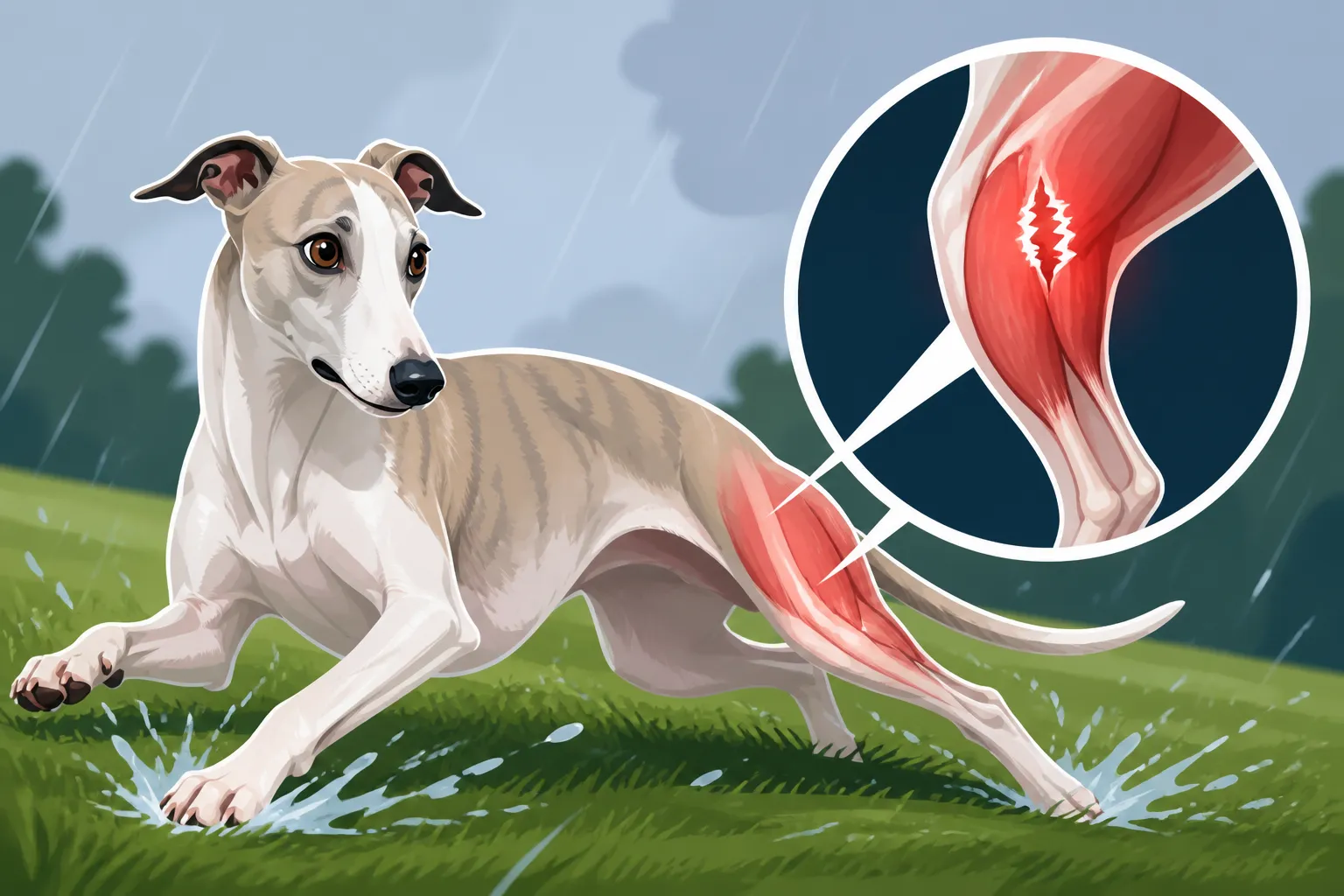
The Muscle a Whippet Tears Sliding on Wet Grass
There's nothing quite like the heart-stopping moment when your graceful Whippet, in full-throttle "zoomie" mode, suddenly loses traction on slick, wet grass. The joy of watching them unleash their incredible speed instantly turns to a surge of fear as you see their legs splay out at an unnatural angle, often followed by a yelp and a sudden halt. This common, yet terrifying, scenario often results in a soft tissue injury, specifically a tear in the gracilis muscle, leaving you with a limping dog and a knot of worry in your stomach about their recovery. This guide will walk you through understanding why this injury happens, how to spot it, what to do next, and importantly, how to help prevent it from happening again.
Understanding the Gracilis Muscle Tear in Whippets
Whippets are built for speed, boasting powerful hindquarters that propel them forward like feathered arrows. This incredible athleticism, however, can sometimes be their undoing, especially when combined with external factors like slippery surfaces. When a Whippet slides or overextends its hind leg, particularly on wet grass, the gracilis muscle is often the victim.
The Anatomy of a Whippet's Sprint and Its Vulnerabilities
Think about how your Whippet launches into a sprint. Their long, strong hind legs extend fully, pushing off the ground with immense power. The gracilis muscle, a long, flat muscle located on the inner thigh, plays a crucial role in adducting (drawing inward) the hind leg and extending the hip. It's a key player in their powerful stride and the rapid scissor-like motion of their gallop. This muscle works in concert with others like the sartorius and semitendinosus, all contributing to that explosive speed.
However, this very design, while perfect for dry, grippy terrain, becomes a vulnerability on slick surfaces. When a Whippet's paws lose purchase on wet grass, their legs can splay out sideways further than they are designed to go, or they might twist awkwardly in an attempt to regain balance. This sudden, uncontrolled stretch, especially when the muscle is already contracting powerfully for a sprint, can cause the gracilis to tear. It's like a highly tuned rubber band snapping under too much sudden tension.
The Force of the Slide and What It Does to the Muscle
Imagine your Whippet tearing across the lawn, full of exuberance. They hit a damp patch, and their back end slides out from under them. The momentum of their body, coupled with the lack of friction, forces their hind legs into an extreme abduction—moving away from the body's midline—while the gracilis muscle is trying to do the opposite, pulling the leg inward. This conflicting force is precisely what causes the tear. It's a sudden, violent overstretching beyond the muscle's natural elastic limits.
Depending on the severity, the tear can range from a minor strain (a few torn fibers) to a partial or even complete rupture of the muscle. A complete rupture is, thankfully, less common but far more serious. The immediate aftermath often involves a sharp yelp and a refusal to put weight on the affected leg, a sight that chills any Whippet owner to the bone. You'll instantly know something is wrong.
Recognizing the Signs of a Muscle Tear
Once the initial shock wears off, you'll need to assess your Whippet for signs of injury. While a vet visit is absolutely essential for proper diagnosis and treatment, knowing what to look for can help you provide immediate care and communicate effectively with your veterinarian.
Immediate and Later Symptoms of Injury
Immediately after the incident, you might see your Whippet exhibit a few key signs. They might:
- Yelp or cry out: A clear indication of sudden pain.
- Favor the leg: Hold the injured leg up, refuse to bear weight, or take only very short, tentative steps.
- Show reluctance to move: They might stand still, looking distressed, or be hesitant to get up after lying down.
- Have an altered gait: If they do try to walk, their stride will likely be noticeably uneven or hobbled.
In the hours and days following the injury, other symptoms might become apparent:
- Swelling: You might notice a visible lump or general puffiness on the inner thigh where the gracilis muscle is located.
- Heat: The injured area might feel warmer to the touch than the surrounding skin due to inflammation.
- Bruising: Depending on the severity of the tear, you might see discoloration (bruising) developing under the skin. This can be harder to spot on darker-coated Whippets but might be visible as the hair parts.
- Pain on palpation: Your Whippet will likely react with sensitivity, flinching, or vocalizing if you gently touch the injured muscle.
It's tempting to think it's just a sprain that will get better with rest, but with sighthounds, muscle injuries can be more complex due to their unique musculature. Ignoring these signs can lead to chronic issues, so prompt action is vital.
When to Seek Veterinary Care
Honestly, if your Whippet has limped or yelped after a slide or fall, your first call should always be to your veterinarian. While you might be tempted to wait and see, particularly if the limping seems mild, soft tissue injuries can worsen without proper management. A vet can accurately diagnose the extent of the injury and rule out other potential, more severe problems.
When you get to the vet, they will perform a thorough physical examination, feeling the muscles, checking range of motion, and observing your Whippet's gait. They might recommend imaging, such as X-rays, not necessarily to see the muscle tear directly (which often requires ultrasound or MRI) but to rule out fractures or other bone injuries that could mimic muscle pain. In some cases, an ultrasound might be used to visualize the muscle and confirm the tear. This clarity is crucial, as the treatment plan will depend heavily on the severity of the injury. Remember, getting a clear picture is the first step toward effective healing.
Recovery and Rehabilitation: Getting Your Whippet Back on Their Paws
Discovering your Whippet has a muscle tear can feel overwhelming, but with proper care and patience, most recover well. The key is understanding that this isn't a quick fix and requires a disciplined approach to ensure full healing.
Initial Treatment and Rest Protocols
Immediately after diagnosis, your vet will likely prescribe anti-inflammatory medications to manage pain and reduce swelling. This is crucial for your Whippet's comfort and to kickstart the healing process. Cold therapy can also be very beneficial in the first 24-48 hours. Applying an ice pack (wrapped in a cloth) to the affected area for 10-15 minutes several times a day can help reduce inflammation. Just make sure your Whippet tolerates it and doesn't try to chew the pack! You can find various cold packs suitable for pets on Amazon.
The most critical part of initial treatment is strict rest. This is often the hardest part for a high-energy Whippet. Your vet will likely recommend crate rest or confinement to a small, safe area of your home for a period, typically several weeks. This means no running, no jumping, no stairs, and only short, leashed walks for potty breaks. It's tough to enforce, especially when your Whippet starts to feel better, but pushing them too soon can easily re-injure the muscle, setting back recovery significantly. Think of it as a forced vacation for their muscles.
Phased Rehabilitation and Long-Term Management
Once the initial inflammation has subsided and the muscle has started to knit itself back together (which your vet will help assess), a phased rehabilitation program can begin. This isn't about rushing back to full activity; it's about gradually strengthening the muscle and restoring flexibility.
- Gentle, Controlled Exercise: This might start with very slow, short leash walks on flat, stable ground. The duration and intensity will gradually increase under veterinary guidance.
- Physical Therapy: Many vets will recommend formal physical therapy, which can include exercises like passive range of motion, gentle stretches, and therapeutic massage. Some facilities offer hydrotherapy (underwater treadmill), which is fantastic for building strength without putting excessive weight on the healing muscle. A certified canine rehabilitation therapist can create a tailored plan for your Whippet.
- Warm-ups and Cool-downs: As your Whippet returns to more active exercise, integrating proper warm-ups before any strenuous activity and cool-downs afterward becomes paramount. Just like human athletes, a Whippet's muscles need to be prepared before a sprint and allowed to gradually relax afterward. This helps prevent future tears.
Recovery can take anywhere from a few weeks to several months, depending on the severity of the tear. Patience, consistency, and close communication with your vet are your best tools. For managing behavior during this confinement period, or for teaching your Whippet impulse control that might prevent future mishaps, resources like BAXTER & Bella can offer great positive reinforcement training strategies to keep their minds engaged even if their bodies are restricted.
| Recovery Phase | Typical Duration | Activities Allowed | Key Focus |
|---|---|---|---|
| Acute Phase | 1-3 days | Strict crate rest, short potty breaks on leash | Reduce pain & inflammation, prevent further damage |
| Healing Phase | 2-4 weeks | Continued strict confinement, very short, slow leash walks | Allow muscle fibers to knit, protect new tissue |
| Early Rehab | 4-8 weeks | Longer controlled leash walks, gentle PT exercises | Restore basic strength & range of motion |
| Advanced Rehab | 8-12 weeks+ | Increased duration/intensity of walks, light jogging, specific strengthening exercises | Build muscle endurance, prepare for full activity |
| Maintenance | Ongoing | Regular exercise, proper warm-ups/cool-downs | Prevent recurrence, maintain fitness |
It's a long road, but seeing your Whippet happily trotting without a limp again is worth every effort. You might find our posts on Muscle Pulls in a Whippet and Whether a Whippet Needs Physical Therapy After Injury helpful as you navigate this period.
Preventing Future Injuries: Safer Play and Environment
Once your Whippet has recovered from a gracilis muscle tear, your focus will naturally shift to preventing a recurrence. It's a common fear, and for good reason—these injuries are painful and the recovery is demanding. Luckily, there are concrete steps you can take to minimize the risks.
Choosing Safe Play Environments
The number one culprit for these types of injuries is often a slippery surface combined with high-speed activity. For a Whippet, this almost always means wet grass.
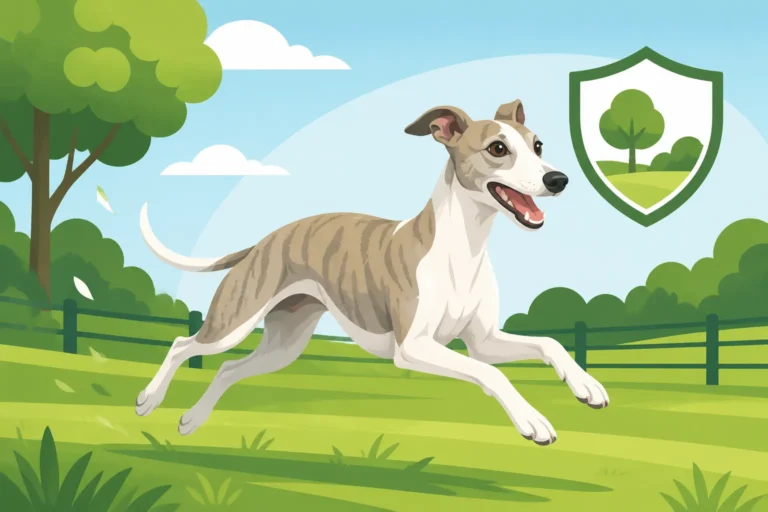
- Avoid Wet Grass and Slick Surfaces: It sounds simple, but it's paramount. If the grass is dewy, damp from rain, or just recently watered, it's not the time for an all-out sprint. Find a dry, grippy alternative. This might mean waiting until later in the day, or heading to a local track with a more consistent surface.
- Familiar and Even Terrain: Opt for play areas where you know the ground is level and free of hidden holes, divots, or obstacles. A sudden dip or rise can cause an awkward landing or twist, even on dry ground.
- Designated Running Areas: If you have access to a large, securely fenced area, consider designating a specific, well-maintained section for high-speed runs. Ensure it has good drainage and isn't prone to becoming slick. This is where topics like Whether a Whippet Should Run on Wet Grass really hit home.
The Importance of Warm-ups and Cool-downs
Just like human athletes, a Whippet's muscles perform best when they are properly warmed up before intense activity and allowed to cool down afterward. Skipping these steps, especially for a breed prone to explosive bursts of speed, is like asking an engine to go from zero to sixty without ever letting it idle.
- Pre-Exercise Warm-up: Before letting your Whippet sprint or engage in vigorous play, take them for a brisk 5-10 minute walk. This gets the blood flowing to the muscles, increases their flexibility, and prepares them for the demands ahead. Gentle stretching can also be incorporated if your Whippet is accustomed to it and comfortable. Our guide on Warming Up a Whippet Before It Runs dives deeper into this.
- Post-Exercise Cool-down: After an energetic play session or run, don't let your Whippet immediately flop down. A 5-10 minute cool-down walk allows their heart rate to gradually return to normal, helps dissipate metabolic waste products from the muscles, and can prevent stiffness. Gentle massage can also aid in muscle recovery. You'll find more helpful tips in Cooling a Whippet Down After a Sprint.
Other Preventive Measures
- Maintain a Healthy Weight: While Whippets are naturally lean, ensuring they maintain an ideal body condition score reduces unnecessary stress on their joints and muscles. An overweight Whippet is at higher risk for all sorts of injuries.
- Regular Exercise, Not Just Bursts: While Whippets are couch potatoes, they still need regular, moderate exercise to maintain muscle tone and overall fitness. Consistent daily walks and appropriate play sessions build resilience. What a Whippet Needs Every Day discusses this balance well.
- Nail Care: Long nails can sometimes interfere with paw grip and contribute to awkward foot placement during a sprint. Keeping them trimmed is a small but important detail.
- Listen to Your Whippet: Pay attention to any signs of stiffness, limping, or reluctance to move. Sometimes these are early warnings that something isn't quite right and it's time to reduce activity or consult your vet.
By being mindful of their environment and integrating these preventive strategies, you can significantly reduce the risk of your Whippet experiencing another painful muscle tear. It’s about creating a safe and supportive routine that honors their incredible athleticism while protecting their delicate structure. The well-being of your beloved companion is always worth the extra effort.
Disclaimer
This article is for general informational purposes only and does not constitute professional advice. Laws, prices and regulations vary by location and change over time. Consult a qualified professional for guidance on your specific situation.