Whether a Whippet Gets Hurt Playing With Bigger Dogs
It's a common, gut-wrenching worry for any Whippet owner: seeing your sleek, delicate dog trying to play with a much larger, boisterous breed. You love seeing your Whippet happy and engaged, but the fear of a misplaced paw, an accidental tumble, or a too-enthusiastic chase leading to a serious injury is incredibly real. This guide is here to walk you through understanding the risks and navigating safe play scenarios for your Whippet when bigger dogs are around, because peace of mind is paramount.
The Whippet's Delicate Build and Why It Matters
Whippets are magnificent athletes, built for speed and agility. Their lean, muscled bodies, fine bones, and thin skin are perfectly designed for explosive sprints, but they aren't exactly armored. This unique physique, while beautiful, does come with some inherent vulnerabilities, especially when interacting with dogs that are built like tanks by comparison.
Anatomy That Can Be Vulnerable
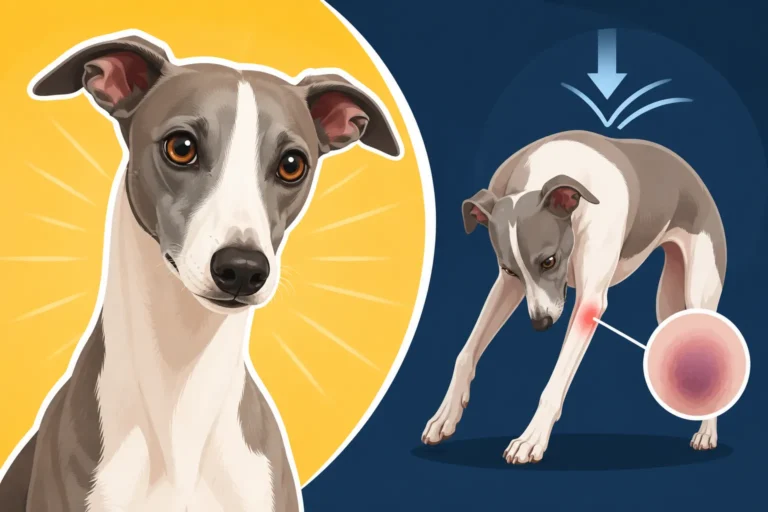
Think about your Whippet's physical characteristics. They have minimal body fat, which means less natural padding to cushion blows or falls. Their skin, particularly over the legs and flanks, is incredibly thin and can tear easily – often from what might seem like a minor brush against something rough, let alone the teeth or claws of a larger, more powerful dog. We've all heard the stories, or perhaps even lived them, of a simple play session turning into a trip to the emergency vet for stitches. It's not because Whippets are inherently weak, but because their design prioritizes speed over brute resilience.
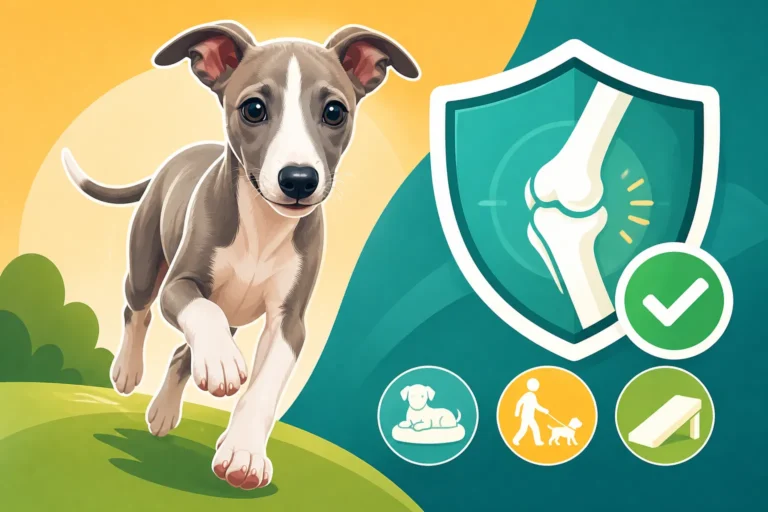
Their long, elegant legs are also prone to certain types of injuries. While they can run like the wind, a sudden stop, a collision, or an awkward twist during vigorous play can put tremendous strain on their joints and bones. A bigger dog might barrel into them, or they might simply misstep trying to dodge a larger playmate. It's not just broken bones we worry about, but also muscle strains and ligament tears that can be just as debilitating and take a long time to heal. Muscle Pulls in a Whippet are a very real concern when they're exerting themselves intensely, especially in uneven play.
Whippet Play Style Versus Others
Whippets often have a distinctive play style. They love to chase, to dart, to weave, and to engage in high-speed, acrobatic maneuvers. Their play can look intense and thrilling, but it's largely about speed and evasion. Many larger breeds, particularly those with a heavier build or a more "rough and tumble" play style (think Boxers, Bulldogs, some Retrievers), enjoy more physical contact: body slams, wrestling, pinning, and tugging.
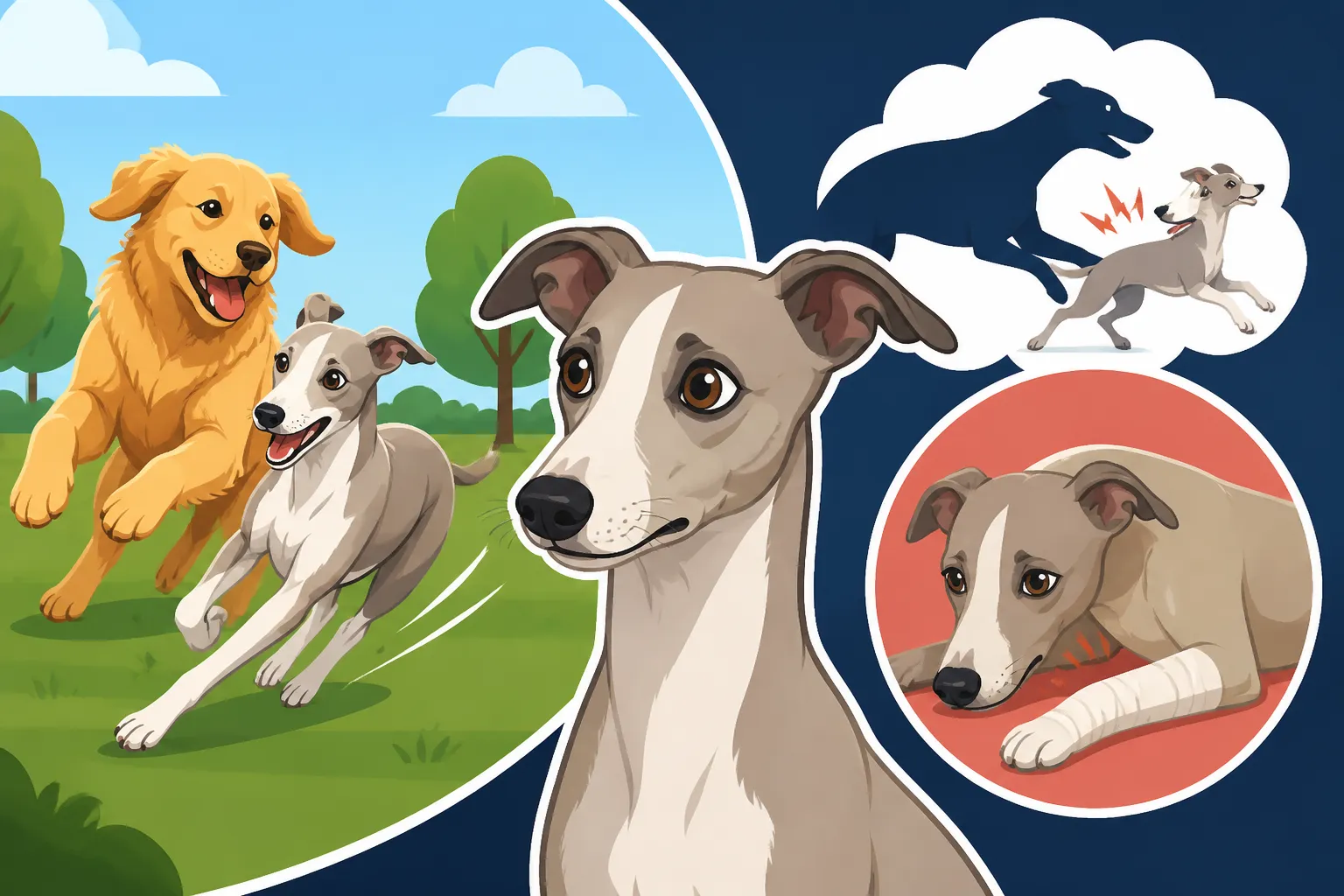
When these two styles clash, it can be a recipe for disaster. A larger dog's idea of a fun "tackle" might send a Whippet sprawling. What a bigger dog considers a gentle "mouth tag" could easily puncture a Whippet's delicate skin. The size difference means that even well-intentioned play can become dangerous simply due to the disparity in mass and force. It's not always malice; often, it's just a lack of understanding or control on the part of the bigger dog, or even a simple accident during high-energy fun. This is why careful supervision is so crucial.
Identifying Safe Versus Unsafe Play
Knowing what to look for in dog-dog interactions is key to preventing injuries. It's not about stopping all play, but about ensuring the play is appropriate, reciprocal, and safe for your Whippet.
Reciprocal Play: The Golden Standard
Truly safe play is reciprocal. This means both dogs are taking turns, initiating play, and responding appropriately. They're engaging in play bows, wagging tails, and relaxed body language. You might see a larger dog "handicapping" itself by lying down or moving more slowly to match the Whippet's pace. The play should have natural pauses, where both dogs can shake off, catch their breath, and decide whether to re-engage. If one dog is consistently chasing and the other is constantly fleeing in panic, that's not reciprocal play. If one dog is constantly being pinned or bowled over and can't get away, that's not reciprocal either.
Look for these signs of good play:
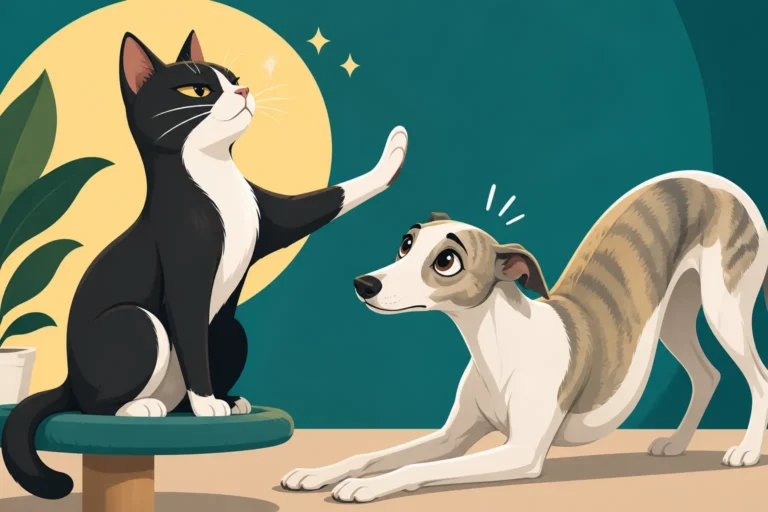
- Play Bows: A universal invitation to play, where the dog lowers its front end while keeping its rear end up.
- Turn-taking: Both dogs get a chance to chase, to be chased, to "win" a wrestle.
- Loose, relaxed bodies: No stiff tails, tense postures, or raised hackles.
- Soft mouths: Nipping might happen, but it shouldn't be hard enough to cause pain or injury.
- Self-handicapping: The larger dog might lie down or run slower to keep the play fair.
- Frequent breaks: Dogs disengage for a moment, shake off, and then decide to continue.
When play is reciprocal, the risks are significantly lower because both dogs are enjoying themselves and adjusting their behavior to suit the interaction. This often means that if a bigger dog plays too roughly, a well-adjusted Whippet will simply disengage, and a well-socialized bigger dog will respect that signal.
Red Flags: When to Intervene
Unfortunately, not all play is safe play. Recognizing the red flags quickly is vital for your Whippet's safety. Ignoring these signs can lead to stress, fear, or physical injury.
Signs of dangerous or inappropriate play include:
- Non-reciprocal chasing: One dog is relentlessly pursuing the other, who appears stressed or unable to escape. Your Whippet might be tucked, looking over its shoulder, or trying to hide behind you.
- Constant pinning/bullying: The larger dog is repeatedly pinning your Whippet down, not allowing it to get up, or body-slamming it with too much force.
- Hard mouth contact: Any biting that causes your Whippet to yelp, retreat with pain, or leave visible marks. This is especially dangerous given The Thin Skin That Sends a Whippet to the Vet for Stitches.
- Stiff body language: Raised hackles, stiff legs, a high, stiff tail, or a hard stare. These are signs that play is escalating into something more serious.
- Growling or snarling: While some growls are part of play, listen for a change in tone. A low, guttural growl or an aggressive snarl is a serious warning.
- Ignoring signals: If your Whippet is trying to disengage, cowering, or showing appeasement signals (licking lips, averting eyes), and the larger dog continues to pursue or harass, it’s time to step in.
- Excessive excitement without control: A larger dog that is simply too wound up, unable to self-regulate its energy, and crashing into everything, including your Whippet.
Intervention means calmly separating the dogs. Don't yell or add to the excitement. A simple, firm "Let's go!" and physically separating them by calling your Whippet away or gently leading the bigger dog might be enough. If you’re at a dog park, this often means leaving the situation entirely.
Mitigating Risks and Managing Interactions
You can't control every dog or every owner you encounter, but you can control your own behavior and the environments you choose for your Whippet's socialization. Proactive management is your best friend here.
Choosing the Right Playmates and Environments
One of the best things you can do for your Whippet is to curate their social circle. Instead of random encounters at a busy dog park, seek out dogs whose temperaments you know and trust.
- Known, gentle playmates: Arrange playdates with friends' dogs or trusted neighbors' dogs that you know have a gentle or appropriate play style with smaller dogs.
- Similar size and energy: Whenever possible, let your Whippet play with other sighthounds or dogs of similar size and energy levels. This naturally reduces the risk of accidental injury.
- Supervised, enclosed areas: If you must use a dog park, choose off-peak hours when fewer dogs are present, and always ensure the area is securely fenced. Make sure there are no blind spots where your Whippet could be cornered. Remember, Why a Whippet Cannot Be Let Off Leash in an Open Field extends to situations where a fight could break out, making escape impossible.
- Avoid overly crowded places: Too many dogs, especially boisterous ones, can quickly lead to overstimulation and accidents.
- Training facilities or structured playgroups: Some professional trainers offer supervised playgroups where dogs are matched by play style and temperament, providing a much safer environment.
When you do introduce your Whippet to a new, larger dog, do it gradually. Start on leash with a calm "meet and greet" where both dogs are relaxed. Observe their body language carefully before allowing off-leash play. If you see any tension, it's okay to end the interaction early. Your Whippet's safety is more important than politeness.
Essential Gear and Training for Safety
Having the right tools and a solid training foundation can make a huge difference in managing your Whippet's interactions with bigger dogs.
- A reliable recall: This is non-negotiable. Your ability to call your Whippet away from a potentially dangerous situation is paramount. Practice recall in various environments, even around distractions. You want an emergency recall that works 100% of the time. Programs like those offered by BAXTER & Bella often emphasize strong foundational training, which includes reliable recall. Investing time and effort here pays dividends in safety.
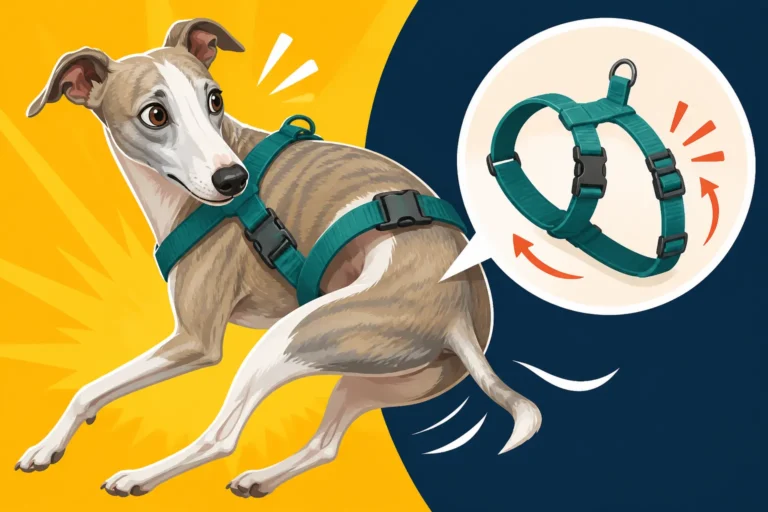
- A well-fitting harness or martingale collar: A regular flat collar can slip off a Whippet's narrow head easily. A martingale collar provides security without choking, and a well-fitted harness gives you more control. Always ensure whatever you use is secure but comfortable. You can find many excellent options on Amazon.
- "Leave It" and "Stay" commands: These can be invaluable for interrupting escalating play or preventing your Whippet from approaching an unknown dog too quickly.
- "Touch" or "Here" cue: A positive, reliable way to get your Whippet to come to you for a treat, helping you extract them from a situation without stress.
- Advocate for your dog: Don't be afraid to tell other owners, "My dog is delicate, please keep your dog from body slamming mine." Most responsible owners will understand. If they don't, remove your Whippet from the situation. You are your Whippet's primary protector.
Consider having a first-aid kit readily available, especially if you frequent dog parks or trails where injuries can occur. Gauze, antiseptic wipes, and vet wrap (which you can easily stock up on via Amazon) are good basics to have on hand for minor scrapes or Treating a Whippet's Skin Tear before you can get to a vet.
When to Keep Your Whippet Separate
There will be times when the safest choice is simply to keep your Whippet separate from certain larger dogs or situations. This isn't about being overprotective; it's about being responsible and realistic.
Consider separation when:
- The other dog is unknown and off-leash: You have no idea of its temperament or play style.
- The other dog is clearly overexcited, unruly, or shows signs of aggression: Trust your gut feeling. If something feels off, it probably is.
- The environment is too chaotic or high-energy for safe play: A busy dog park with many large, rough-playing dogs is often not the place for a Whippet.
- Your Whippet seems stressed or uncomfortable: Even if no physical injury has occurred, psychological stress from being bullied or overwhelmed by larger dogs can have long-lasting negative effects on their confidence and willingness to socialize. A Whippet that constantly Shuts Down When Corrected or is nervous might be similarly affected by rough play.
- The other owner is unresponsive or dismissive: If an owner isn't actively supervising their dog or shrugs off your concerns, it’s best to avoid future interactions.
Remember, allowing your Whippet to play safely with other dogs is important for their socialization and happiness, but it should never come at the cost of their physical or emotional well-being. Prioritizing their safety means making informed decisions about who they play with and where.
| Play Scenario | Safety for Whippets | Key Considerations |
|---|---|---|
| Reciprocal Chase Play | Generally safe if speed is matched or self-handicapped | Ensure both dogs are enjoying it, taking turns chasing and being chased. Watch for signs of one dog being truly pursued. Avoid hard, abrupt stops or collisions that could lead to Whether a Whippet Breaks a Leg Running. |
| Wrestling/Body Slams | High risk, especially with larger dogs | Avoid this altogether with significantly larger breeds. Whippets lack padding and their thin skin is vulnerable. Even gentle wrestling from a big dog can be too much force. |
| Mouthy Play/Nipping | High risk for skin tears | Whippets' thin skin can be easily punctured. Any dog that is overly "mouthy" should be avoided. A soft mouth from a large breed can still cause a deep cut. |
| Group Play (many dogs) | Moderate to High risk | Increased chance of accidental collisions, overwhelming stimuli, and difficulty for the Whippet to escape if feeling threatened. Better to choose smaller, curated groups. |
| Supervised 1-on-1 Play | Optimal for managing risk | Allows you to directly observe interactions and intervene immediately. Choose playmates you know well and trust their temperament and play style with smaller dogs. |
Ultimately, your Whippet relies on you to be their advocate and protector. While the sight of them romping happily with a big friend is wonderful, it's crucial to understand the risks and be prepared to step in. A happy, healthy Whippet is a confident Whippet, and that confidence stems from knowing they are safe with you.
Disclaimer
This article is for general informational purposes only and does not constitute professional advice. Laws, prices and regulations vary by location and change over time. Consult a qualified professional for guidance on your specific situation.