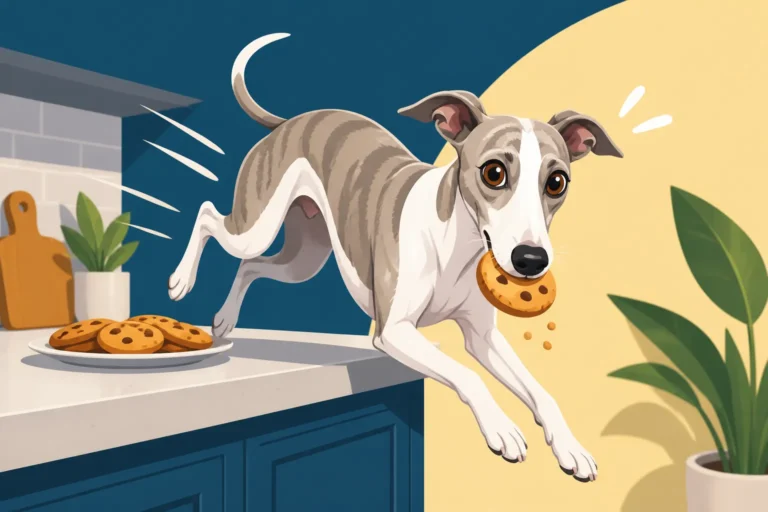
How Much a Whippet Barks
One of the biggest concerns for many prospective dog owners, and a common source of frustration for existing ones, is dealing with excessive barking. It’s natural to wonder if a Whippet, with their generally calm demeanor indoors, is an exception to the rule. This guide will delve into the reality of Whippet vocalizations, exploring why they bark, what their barks sound like, and how you can manage this perfectly normal canine behavior.
The Myth of the "Silent" Whippet
It's a common misconception that sighthounds, including our beloved Whippets, are inherently silent dogs. While they might not be as vocal as some breeds, assuming they'll never utter a peep can lead to some surprises!
Why Whippets Are Often Considered Quiet
Whippets and other sighthounds were bred for hunting by sight, not by sound or scent. Their primary tools for the hunt were their incredible speed and visual acuity, not a booming bay that would alert prey from miles away. This historical purpose shaped their temperament; they needed to be keen observers, but not necessarily loud communicators in the field. When you compare them to breeds like Beagles or various terrier types, who are known for their strong vocal tendencies often tied to their working roles, a Whippet's general quietness indoors can be quite striking. Many owners will go days without hearing a proper bark from their Whippet, especially if their environment is calm and predictable.
The Reality of Whippet Vocalizations
However, "quiet" is not the same as "silent." While they may not bark as frequently as some other breeds, Whippets absolutely have a range of vocalizations, and they are not shy about using them when they feel the need. Think of it less as constant background noise and more as selective, often purposeful communication. They might let out a sharp "woof" when someone approaches the door, a soft "chuff" when they want attention, or a joyous series of yips during a particularly enthusiastic play session. Understanding these nuances is key to appreciating their communication style and avoiding disappointment if your "silent" Whippet turns out to have something to say.
Common Reasons a Whippet Barks
Just like any dog, a Whippet barks for a variety of reasons. It’s rarely random; usually, there's a specific trigger or desire behind the noise.
Alert Barking and "Stranger Danger"
This is perhaps the most common type of barking you'll hear from a Whippet, and it often catches new owners off guard. Whippets are incredibly observant, thanks to those keen sighthound eyes. They notice everything: a leaf blowing across the street, a squirrel dashing up a tree, or, most commonly, someone walking past the house. They can be quite territorial in a vocal sense, and that high-pitched, insistent bark serves as an excellent alarm system. They are quick to alert you to anything they perceive as an intrusion or unusual occurrence. This doesn't necessarily mean they're aggressive; it's more of a "hey, something's out there!" announcement.
For many Whippets, the doorbell is a major trigger, as are strangers approaching the front door or even just passing by a window. If your Whippet has a clear line of sight to the street, you might find yourself hearing frequent alert barks. While this can be helpful to know when someone's at the door, it can also become a nuisance if they're barking at every passerby or delivery driver.
Demand Barking for Attention or Needs
Whippets are smart cookies, and they quickly learn what gets your attention. If they bark and you immediately respond – whether it's by petting them, giving them a treat, or letting them out – they'll associate the bark with achieving their goal. This is demand barking. It can be for food ("My bowl is empty!"), for play ("Pick up that toy!"), for a walk ("I need to go outside, now!"), or simply for your undivided attention. They often start with a soft whine or nudge, but if that doesn't work, a series of increasingly insistent barks might follow.
It's easy to accidentally reinforce demand barking, especially when a Whippet gives you those big, soulful eyes. Consistency is key in managing this. If you want to curb it, you must avoid rewarding the barking. Instead, wait for a moment of quiet before giving them what they want, or redirect their attention to a more appropriate way of asking.
Excitement and Play Barking
Ah, the joyous sounds of a truly happy Whippet! When a Whippet is in the throes of a zoomie session, chasing a lure, or engaging in enthusiastic play with another dog, their vocalizations can become quite lively. You might hear excited yips, high-pitched barks, or even playful growls. This isn't usually the deep, resonant bark you'd associate with a large guardian breed; it's often more clipped, higher in pitch, and clearly expressive of pure fun.
This type of barking is a normal part of their playful expression and is generally not something to be concerned about or "fixed." It's a sign of a dog enjoying themselves and interacting with their environment or playmates. If you're at a dog park, you'll likely hear a chorus of various barks and yips, and your Whippet will be contributing to the symphony of canine fun.
Anxiety and Frustration Barking
Just like humans, dogs can bark out of anxiety, fear, or frustration. This type of barking often sounds different – it might be more repetitive, higher pitched, or have an almost desperate quality to it. A Whippet who is feeling anxious might bark when left alone, particularly if they suffer from Separation Anxiety in a Whippet. This isn't an act of defiance, but a sign of genuine distress. The barking can be accompanied by other symptoms like pacing, destructive chewing, or inappropriate elimination.
Frustration barking can also occur if a Whippet is confined and can't reach something they want, or if they're highly stimulated but unable to engage. For example, a Whippet crated in a busy room might bark out of frustration at not being able to join in the activity. Similarly, if they are desperate to go outside but it’s raining and they absolutely detest getting wet, you might hear frustration barks, much like The Whippet That Will Not Toilet in the Rain can lead to dramatic vocalizations. Understanding the underlying emotion is crucial for addressing this kind of barking effectively.
What a Whippet's Bark Sounds Like
When someone asks "How much does a Whippet bark?", it's also worth discussing what those barks actually sound like. They have a distinct vocal repertoire.
The Range of Vocalizations
Whippets have a surprising range of sounds beyond just a standard "bark." You'll hear distinct yips, which are often quick, sharp, and high-pitched, frequently associated with excitement or mild alarm. They might also emit soft "chuffs" or "woofs" as a low-key greeting or to get attention without being too demanding. When truly alarmed or guarding, their bark can become more insistent and repetitive, though rarely does it possess the booming depth of a large breed.
Then there are the whines – those mournful or pleading sounds that are often deployed when they want something, like food or a cuddle. Some Whippets are known for their "roo-roo" or "aroo" sounds, a delightful howl-like vocalization that they might use when playing, greeting you enthusiastically, or even when expressing frustration. My own Whippet, Lily, used to let out a series of dramatic roos if she thought I was taking too long to prepare her dinner! It's worth noting that while they are generally quiet, their individual personalities shine through in their vocal expressions.
Comparing to Other Breeds
To give you a better idea, a Whippet's bark is generally not a deep, chesty bark like that of a Labrador or a German Shepherd. Nor is it typically the incessant, high-strung yapping that some small terrier breeds are known for. It often falls somewhere in the middle: a medium-pitched, relatively clean bark that carries well but doesn't usually reverberate with the intensity of a larger dog.
They are generally not considered prolific barkers like certain scent hounds or herding breeds. While they will certainly alert you to intruders or unusual events, they typically don't patrol the yard barking at every leaf or distant sound. This contributes to the notion that Why a Whippet Makes a Poor Watchdog is a truth, as their barking is more an alert than an aggressive deterrent. Their vocal style reflects their sighthound heritage – quick to notice, quick to react, but not necessarily designed for sustained, loud vocal output.
Managing and Reducing Unwanted Whippet Barking
If your Whippet's barking is becoming a bit much, don't despair! There are many effective strategies for managing and reducing unwanted vocalizations.
Identifying the Root Cause
Before you can tackle the barking, you absolutely must figure out why your Whippet is barking. Is it boredom? Anxiety? Alerting you to something? Demand for attention? Observe your dog closely: When do they bark? What are they barking at? What happens immediately before and after the barking starts? Does it happen when you leave the house, or only when you're home? Does it sound excited, fearful, or demanding? Keeping a little log for a few days can reveal patterns you might not have noticed.
For example, if they only bark when you’re on the phone, it might be a demand for attention. If it’s only when someone walks past the window, it’s alert barking. If they bark constantly while you’re gone, that points to Separation Anxiety in a Whippet. Knowing the root cause is like having the right key for a lock; without it, you're just guessing.
Training for Quietness
Once you know why they're barking, you can start targeted training. Positive reinforcement is always the way to go with a sensitive breed like a Whippet, as How a Whippet Learns When It Bruises From Pressure reminds us that harsh methods can be counterproductive and damaging to their trust.
Start by teaching a "Quiet" command. First, get your dog to bark (maybe by knocking on a wall or having someone ring the doorbell, if that's a trigger). Once they've barked a couple of times, hold a high-value treat in front of their nose. The moment they stop barking to sniff the treat, say "Quiet!" and reward them. Repeat this many, many times, gradually increasing the time they need to be silent before getting the treat. You can also teach a "Speak" command first, which often makes teaching "Quiet" easier.
If the barking is demand-driven, stop rewarding the barking itself. If they bark for attention, turn your back until they are quiet for a few seconds, then reward with attention. If they bark for food, put the bowl down, step away, and only approach again once they've settled down for a moment. This teaches them that quiet gets results, not noise. Online training resources, like those offered by BAXTER & Bella, can provide structured guidance and support for these training protocols.
Environmental Management
Sometimes, the simplest solution isn't training the dog, but changing their environment to remove triggers. For window barkers, simply closing curtains or blinds can work wonders, especially when you're not home. If your Whippet is prone to barking at every leaf, try some frosted window film or even placing a tall plant in front of the window to break their line of sight to the street.
Boredom is a huge contributor to unwanted barking. Ensure your Whippet is getting enough physical exercise, but don't forget mental stimulation! Puzzle toys, sniffy walks, and short training sessions throughout the day can make a big difference. Chews and toys from places like Amazon can keep them occupied when you can't actively engage with them. Remember, How Much Exercise a Whippet Really Needs is a nuanced question, as their physical and mental energy need to be met. A tired, mentally stimulated Whippet is a quiet Whippet.
When Barking Becomes a Problem
While some barking is normal, there are times when it escalates into a genuine issue that needs more serious intervention.
Neighbors and Nuisance Barking
If your Whippet’s barking is consistently disrupting your neighbors, it’s not just an annoyance – it can lead to complaints, fines, and strained relationships. Nuisance barking often happens when owners are away, so they aren't even aware of the problem until a neighbor brings it up. If you suspect this is happening, try recording your dog when you leave for a short period. This can give you invaluable insight into the frequency, duration, and type of barking, helping you pinpoint the cause and track your progress.
For persistent nuisance barking, consider consulting a certified professional dog trainer or a veterinary behaviorist. They can offer tailored strategies, identify underlying issues, and guide you through more intensive training or behavior modification plans. This is especially important for breeds like Whippets, whose sensitivity means they respond poorly to punishment-based methods.
Underlying Health or Behavioral Issues
Sometimes, a sudden increase in barking, or barking that seems out of character for your Whippet, can be a red flag. It could indicate pain, discomfort, or an undiagnosed medical condition. If your generally quiet Whippet suddenly starts barking excessively, especially with no obvious trigger, a vet visit is always a good idea to rule out any health problems.
Beyond physical health, escalating barking can also be a symptom of a deeper behavioral issue, such as severe anxiety, cognitive dysfunction in older dogs, or even a phobia. If you've tried management and training techniques without success, or if your dog seems genuinely distressed, professional help is essential. A qualified behaviorist can help you decipher what your Whippet is trying to communicate and develop a comprehensive plan to address their needs, ensuring both their well-being and your peace of mind.
Disclaimer
This article is for general informational purposes only and does not constitute professional advice. Laws, prices and regulations vary by location and change over time. Consult a qualified professional for guidance on your specific situation.