Whether a Whippet Can Be Crate Trained
One of the biggest concerns new Whippet owners often grapple with is how to provide their sleek, sensitive companions with a safe, secure space while managing their natural energy and sometimes mischievous tendencies. It's a common frustration to worry about destructive chewing or house training accidents, especially when you need to leave your dog alone. This guide aims to thoroughly explore whether crate training is a viable and beneficial option for your Whippet, helping you understand their unique needs and how to introduce a crate successfully.
Understanding the Whippet Temperament and Crate Training
Before you even think about picking out a crate, it’s crucial to understand the unique personality of a Whippet. They aren't just any dog; they're sighthounds, bred for speed and keen senses, but also for close companionship. Their temperament plays a huge role in how they respond to training methods, especially something as personal as a crate.
The Whippet's Natural Denning Instinct
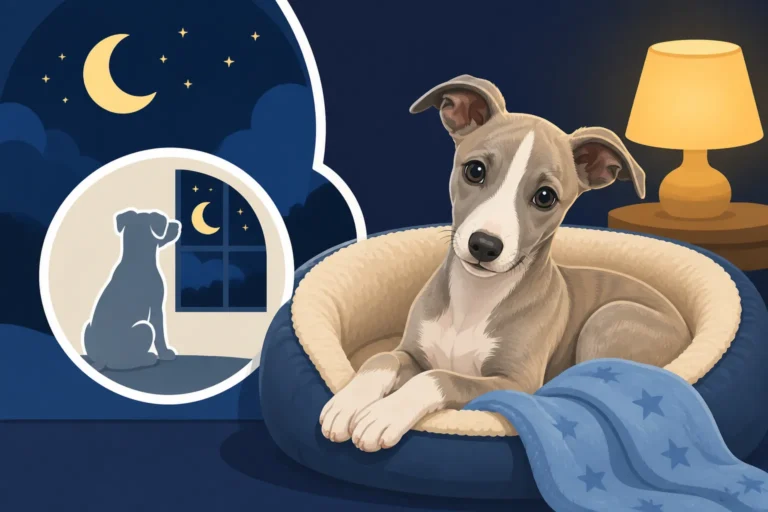
Despite their sometimes delicate appearance, Whippets are dogs, and like many dogs, they often possess a natural denning instinct. This isn't about being locked away, but about seeking out small, secure, cozy spaces where they feel safe from perceived threats and can rest undisturbed. Think about how often your Whippet will curl up under a blanket, burrow into a pile of laundry, or seek out the smallest, darkest corner of a room. That's this instinct at play.
For a Whippet, a crate can become an extension of this natural den. It provides a consistent, predictable, and enclosed space that many find incredibly comforting. Instead of being an unfamiliar prison, it can quickly become their personal sanctuary, a place they retreat to when they need quiet time, feel overwhelmed, or just want to snooze in peace. This inherent desire for a secure nook makes them surprisingly good candidates for crate training, provided it's introduced correctly.
Sensitivity and the Whippet Personality
Whippets are renowned for their sensitive nature. They aren't typically dogs that respond well to harsh words, loud noises, or forceful handling. This sensitivity extends to their emotional well-being and how they perceive their environment. A negative or frightening experience with a crate can be incredibly detrimental, potentially leading to a lifelong aversion. This is why a gentle, positive, and patient approach is not just recommended, but absolutely essential for a Whippet.
Any training method that relies on intimidation or punishment will likely backfire with a Whippet, causing them to shut down or become fearful. Instead, their training thrives on encouragement, positive reinforcement, and making every interaction a pleasant one. When it comes to the crate, this means creating an association with good things: treats, quiet chew toys, and comfortable bedding, ensuring they never feel trapped or abandoned. You'll find that understanding How a Whippet Learns When It Bruises From Pressure is key to all your training endeavors.
Crate Training as a Tool for Security
For many Whippets, a crate isn't a punishment; it's a security blanket. In a busy household, it offers a personal retreat from children, other pets, or general commotion. For a dog that can sometimes be a little anxious or overwhelmed, knowing they have a designated safe space can significantly reduce stress. This is particularly true for puppies learning to navigate a new home, or for adult Whippets who might be prone to Separation Anxiety in a Whippet.
The crate acts as a consistent anchor in their world. If you travel, a familiar crate provides a sense of continuity in new environments. If your home has unexpected visitors, the crate can be a place where your Whippet can relax without being disturbed. It’s about building a positive association where the crate represents peace, safety, and comfort, rather than isolation or confinement.
Setting Up the Perfect Crate Environment for Your Whippet
Once you've decided to embark on crate training, the next critical step is creating an environment that your Whippet will love. It's not just about throwing a crate into a corner; it's about thoughtful preparation that makes the space inviting and secure.
Choosing the Right Crate Size and Type
Selecting the right crate is paramount for your Whippet's comfort and safety. A crate shouldn't be so large that your Whippet can toilet in one corner and sleep in another, nor should it be so small that they can't comfortably stand up, turn around, and lie down in a natural position. For an adult Whippet, this usually means a crate around 30-36 inches long, depending on their individual size. A growing Whippet Puppy Should Be Crated in a size that fits them now, with dividers to expand as they grow.
There are several types of crates to consider:
- Wire Crates: These are often the most popular due to their durability, ventilation, and collapsible design for storage or travel. Many come with a divider, which is ideal for puppies. You can often find a good selection on platforms like Amazon.
- Plastic Crates (Airline Approved): These provide more of a "den" feel as they are enclosed, which some Whippets prefer. They are also excellent for travel. Ventilation is good, but not as open as wire crates.
- Soft-Sided Crates: These are lightweight and portable, great for temporary use or specific travel situations, but typically not suitable for unsupervised crating, as a determined Whippet can easily chew through them.
- Furniture Style Crates: These blend into your home decor and can be quite appealing, but ensure they are sturdy and well-ventilated, and meet the size requirements for your Whippet.
Making the Crate a Cozy, Inviting Space
A bare crate will feel stark and uninviting. The key to success is transforming it into a luxurious den. Start with comfortable bedding. Whippets have very little body fat and thin skin, making soft, well-padded bedding essential to prevent pressure sores. Think thick orthopedic mats, soft blankets, or even an old duvet folded up. Many Whippets also enjoy having a soft blanket to burrow under, mimicking their natural desire to snuggle deep into covers. You can learn more about What a Whippet Bed Should Be Made Of to pick the best option.
Beyond bedding, add a few safe, engaging chew toys to the crate. These aren't just for entertainment; they help create positive associations and provide a distraction. A Kong filled with peanut butter or a long-lasting chew can make crate time a special treat. Never leave collars or harnesses on your Whippet when they are in the crate, as these can pose a strangulation hazard.
Location, Location, Location: Where to Put the Crate
Where you place the crate can significantly impact your Whippet's comfort and willingness to use it. Whippets are social creatures who thrive on companionship. Placing their crate in a central area of your home, like the living room or bedroom, where they can still feel part of the family, is often best. Avoid isolated areas like basements or garages, which can make them feel abandoned and foster negative associations.
Consider temperature and drafts. Whippets are sensitive to cold, so ensure the crate isn't near a drafty window or door. Similarly, in warmer weather, make sure it's not in direct sunlight. The goal is to make the crate a comfortable temperature year-round. For nighttime, many owners move the crate into their bedroom, allowing their Whippet to sleep close by, which provides comfort and security for both of you. You'll find that Why a Whippet Burrows Under the Covers isn't just a cute quirk, it's a need for warmth and security.
The Crate Training Process: A Gentle Approach for Whippets
Crate training isn't a race; it's a marathon that requires patience, consistency, and a very gentle touch, especially with a sensitive Whippet. Rushing the process can easily undo weeks of effort and create an aversion that's hard to overcome.
Introducing Your Whippet to the Crate Positively
The very first step is to make the crate a "happy place." Start by simply placing the crate in a communal area with the door open, allowing your Whippet to explore it at their own pace. Toss high-value treats or their favorite toys inside, encouraging them to enter voluntarily. Never force them in. Let them come and go as they please. The idea is to build curiosity and positive associations.
You can feed meals near the crate, then just inside the crate, and eventually, with the door briefly latched while they eat. Each positive experience, no matter how small, adds to their comfort level. Praise them softly and offer treats when they willingly enter or show interest. The goal is for them to see the crate as a source of good things, not a place of confinement.
Gradual Acclimation: Short Stays and Increasing Time
Once your Whippet is comfortable entering and exiting the crate, you can begin short periods of confinement. Start with just a few minutes, while you remain in the room. As they settle, you can increase the duration and slowly move out of sight. The key is to return before they start to fuss, so they don't associate crying with your return. If you wait until they're upset, you inadvertently teach them that being vocal gets your attention.
It's helpful to provide a special "crate-only" toy or treat that they only get when they go into their crate. This makes crate time extra appealing. Over several days or weeks, gradually extend the time they spend in the crate. For puppies, remember that they can only hold their bladder for a limited time, so be mindful of How Long a Whippet Puppy Holds It Overnight and during the day. Never use the crate as punishment; it should always be a positive experience.
Addressing Common Crate Training Challenges
Even with the gentlest approach, you might encounter some bumps in the road. Some Whippets might whine, bark, or try to escape. This is where patience truly comes into play. If your Whippet starts to vocalize, avoid rushing to their aid immediately, as this can reinforce the behavior. Wait for a brief moment of quiet before letting them out, or if they are genuinely distressed, calmly let them out, offer a potty break, and then try again later with a shorter duration.
If your Whippet seems anxious, ensure they have had ample exercise before crate time. A tired Whippet is a calm Whippet. Ensure the crate is truly comfortable and perhaps cover it with a light blanket to create a more den-like, secure feel, but always ensure proper ventilation. For those looking for structured guidance, online puppy training programs, like those offered by BAXTER & Bella, often provide step-by-step crate training modules that can be incredibly helpful for navigating these challenges with a sensitive breed.
Benefits of Crate Training for Both Whippet and Owner
Crate training, when done correctly, is far more than just a temporary solution for puppyhood. It offers a wealth of long-term benefits that contribute to a well-adjusted dog and a happier owner.
Aiding in House Training and Preventing Accidents
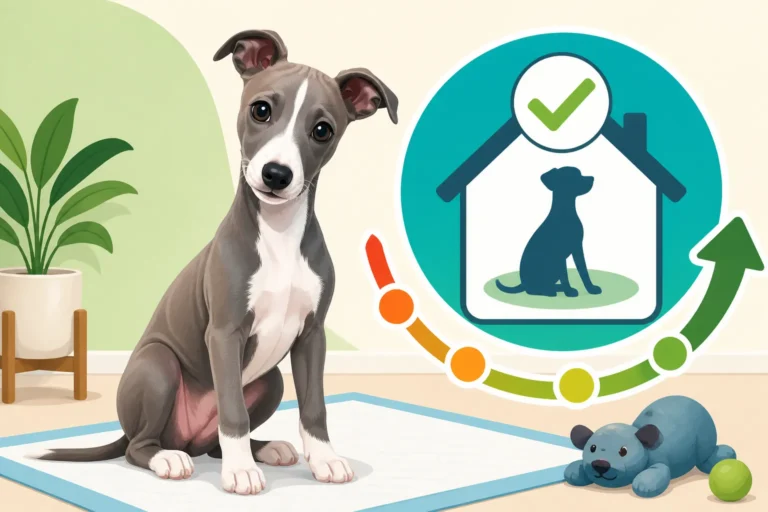
One of the most significant advantages of crate training, especially for puppies, is its effectiveness in house training. Dogs are naturally clean animals and instinctively avoid soiling their sleeping area. A properly sized crate leverages this instinct, encouraging your Whippet to hold their bladder and bowels until they are let out. This is a game-changer when you're working with a new puppy or an adult Whippet who needs a refresher.
When you're consistent with scheduled potty breaks immediately after crate time, your Whippet quickly learns to associate going outside with relief. This structured routine minimizes accidents indoors, saving you from constant cleanup and reducing frustration. It’s particularly useful for breeds like Whippets, who might be hesitant to toilet in the rain, needing that extra incentive to do their business outdoors.
Managing Destructive Chewing and Unsupervised Freedom
Whippets, like many dogs, go through chewing phases, especially as puppies. While they're generally not as destructive as some other breeds, an unsupervised Whippet can still find plenty of things to chew that aren't meant for their teeth – think furniture legs, shoes, or electrical cords. A crate provides a safe, contained space where you know your belongings are safe, and your Whippet isn't getting into trouble.
When you can't actively supervise your Whippet, the crate offers peace of mind. Instead of letting them roam freely and potentially develop bad habits, the crate ensures they are in a secure environment. As they mature and prove themselves trustworthy, you can gradually increase their unsupervised time outside the crate, but it always remains a reliable management tool.
Creating a Safe Space for Travel and Emergencies
Life with a dog often involves travel, whether it's a short trip to the vet, a visit to friends, or a longer vacation. A Whippet that is comfortable and secure in their crate will handle these situations with far less stress. The crate becomes their familiar "home away from home," providing a sense of security in unfamiliar surroundings. This is essential for their emotional well-being and makes travel much smoother for everyone.
Furthermore, in emergency situations, such as a natural disaster or an unexpected vet stay, a crated dog is a safer dog. It allows for easier transport and provides a secure space during stressful times. Being crate trained means your Whippet can be safely contained if injured, or if you need to evacuate quickly. This preparedness is an invaluable benefit, ensuring your Whippet's safety in a variety of unforeseen circumstances.
When Crate Training Might Not Be the Right Fit
While crate training offers many benefits, it's not a one-size-fits-all solution, and it's essential to recognize when it might not be suitable for your individual Whippet or your lifestyle. Forcing a dog into a crate when it's causing severe distress is counterproductive and harmful.
Recognizing Signs of Extreme Stress or Anxiety
For most Whippets, a crate can become a cherished den, but some individuals may experience extreme stress or anxiety when confined. Signs of this can include persistent howling, excessive drooling, frantic attempts to escape that result in injury, severe trembling, or even defecating or urinating in the crate despite being fully house trained. While some whining or initial protest is normal, these extreme reactions are indicators that the crate is causing significant distress.
If you observe these severe symptoms, it's crucial to stop or significantly modify your approach. Continuing to force a dog into a crate under these circumstances can exacerbate anxiety issues and damage your bond. Consult with a professional dog trainer or veterinary behaviorist who can help you identify the root cause of the anxiety and explore alternative solutions. You might also want to explore managing Separation Anxiety in a Whippet through other methods if the crate proves too stressful.
Over-Crating and Its Potential Negative Impacts
Even for a Whippet who tolerates their crate, over-crating can have serious negative consequences. A crate is a management tool, not a permanent living space. Dogs need exercise, mental stimulation, social interaction, and opportunities to relieve themselves regularly. Leaving a Whippet in a crate for excessive periods – for example, an entire workday plus overnight – can lead to physical and psychological problems.
Physical issues might include muscle atrophy from lack of movement, or skin sores from prolonged contact with bedding. Psychologically, over-crating can lead to boredom, frustration, increased anxiety, destructive behaviors when finally let out, and difficulty with house training if they are forced to hold it beyond their capacity. It’s vital to provide your Whippet with appropriate exercise and mental engagement outside the crate. You should consider How Many Hours a Whippet Can Be Left and plan accordingly, perhaps hiring a dog walker or arranging for a friend to visit if you have long workdays.
Alternatives to Crate Training
If crate training doesn't work for your Whippet, or if your lifestyle doesn't allow for responsible crate use, there are plenty of alternative methods for managing your dog's safety and behavior. These alternatives often involve creating a "safe zone" rather than a confined box.
One popular alternative is to use a dog-proofed room or a large exercise pen. A playpen offers more space for movement, a bed, water, and toys, while still containing your Whippet. You can gradually increase the size of this safe zone as your Whippet proves their trustworthiness. Child gates can be used to block off access to certain rooms, creating a secure area within your home.
When using these alternatives, ensure the space is thoroughly "Whippet-proofed." Remove anything that could be chewed, broken, or ingested. This approach allows your Whippet more freedom while still ensuring their safety and protecting your home. Remember, the goal is always to provide a secure and comfortable environment for your beloved sighthound, whether that's a crate or another well-managed space.
Disclaimer
This article is for general informational purposes only and does not constitute professional advice. Laws, prices and regulations vary by location and change over time. Consult a qualified professional for guidance on your specific situation.