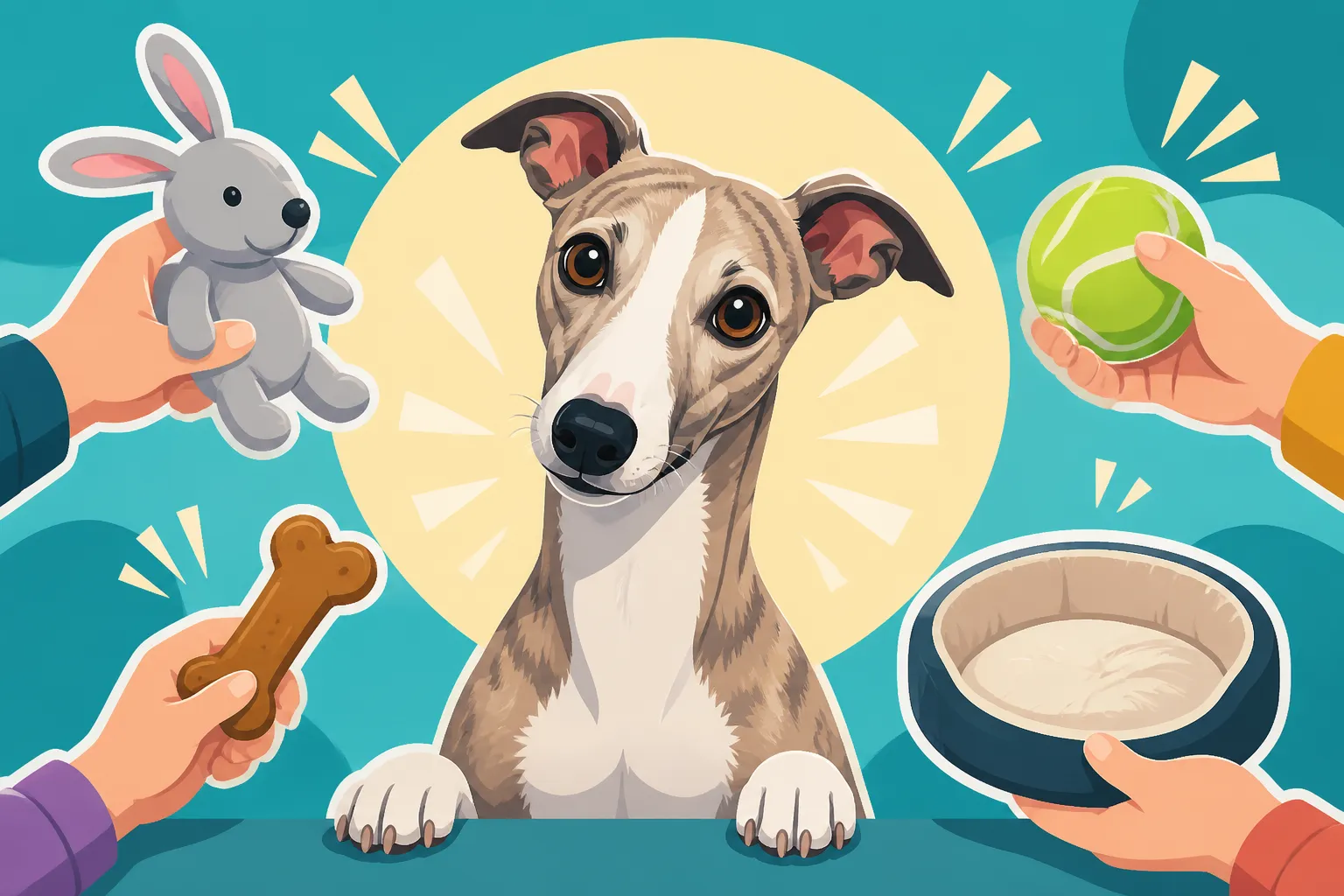
What a Whippet Will Work For
If you've ever found yourself wondering what on earth truly motivates your elegant, often seemingly aloof Whippet, you're certainly not alone. Many Whippet owners experience the frustration of a dog that seems to have selective hearing, especially when a squirrel darts across the path, or one that would rather perform acrobatic feats to steal a rogue crumb than respond to a perfectly reasonable "sit." This guide is here to shed light on the unique psychology of our sighthound companions, helping you discover the real currency that gets a Whippet's tail wagging and its brain engaged in training.
Understanding the Whippet's Core Motivations
Whippets are magnificent creatures, built for speed and comfort in equal measure, and their motivations are deeply rooted in their history and physical traits. Forget what you might know about high-drive working breeds; a Whippet operates on a different, often more subtle, frequency. Understanding these fundamental drives is the first step to unlocking their cooperation and making training a joy for both of you.
The Sighthound Drive: Prey and Movement
At its very core, a Whippet is a sighthound, bred for centuries to spot, chase, and catch fast-moving prey. This isn't just a quirk; it's an ingrained, primal instinct that dictates much of their behavior outdoors. When that leaf blows past, or a rabbit darts into the distance, your Whippet isn't being disobedient; it's simply following a genetic blueprint that says, "Go get it!" This powerful drive for movement and pursuit is one of their strongest motivators, but it needs to be managed and channeled appropriately.
This instinct means that anything moving quickly, whether it's a toy, a person, or an actual critter, can immediately become the most compelling thing in their world. You’ll notice their intense focus, the way their ears prick forward, and their body tenses, ready to explode into action. Trying to fight this drive is often a losing battle. Instead, we can use it to our advantage by incorporating movement-based rewards into training, playing games that satisfy their chase instinct, or engaging in sighthound-specific sports like lure coursing. It's about respecting what they are and working with that incredible speed and focus.
Affection and Connection: The Soft Side
Despite their independent hunting drive, Whippets are incredibly affectionate and bond deeply with their families. They are often described as "velcro dogs" indoors, craving physical closeness and companionship. This desire for connection, for being near their people, is a huge motivator. They thrive on praise, gentle touches, and quiet moments curled up beside you. Unlike some breeds that might be driven purely by food or toy, a Whippet often works just as hard, if not harder, for your approval and the opportunity to spend quality time with you.
This isn't to say they'll always be at your heels like a shadow. Whippets have a delightful blend of independence and devotion. They’ll happily snooze in a sunbeam for hours, but they’ll also follow you from room to room, just to be in your orbit. During training, genuine, heartfelt praise and a loving scratch behind the ears can be just as potent as a tasty treat, especially for exercises focused on calm behavior or proximity. Building that strong, trusting relationship where they feel safe and loved is paramount, and it provides a powerful foundation for all your training efforts. How a Whippet Learns When It Bruises From Pressure reminds us of their sensitive nature, making gentle praise and positive reinforcement especially effective.
Comfort and Security: Why They Love the Sofa
Anyone who lives with a Whippet knows their absolute dedication to comfort. Given half a chance, they will seek out the softest blanket, the warmest sun spot, or the most plush sofa cushion. This isn't just laziness; it's a genuine need for warmth and coziness due to their minimal body fat and thin skin. They also thrive on routine and a sense of security within their home environment. A quiet, predictable home where they feel safe is incredibly important to their overall well-being and willingness to learn.
When training, leverage this love for comfort and security. A training session that ends with a snuggle on the sofa or a quiet moment in their favorite dog bed can be a powerful reinforcement. Understanding that sudden loud noises or chaotic environments can make a sensitive Whippet shut down is also key. Creating a calm, consistent training space where they feel secure allows them to focus better and reduces anxiety, making them more receptive to learning. They are creatures of habit and thrive on predictability, so consistent training times and locations also contribute to their sense of security.
High-Value Rewards: Beyond the Basic Kibble
When it comes to training a Whippet, not all rewards are created equal. While some dogs might happily work for a piece of their regular kibble, your discerning Whippet often needs something a bit more exciting to truly capture their attention and motivate them, especially when facing distractions. The key is to understand what constitutes "high-value" in their eyes.
Delectable Treats: What Really Gets Their Attention
For many Whippets, food is a powerful motivator, but it needs to be the right kind of food. Forget dry biscuits for complex tasks or distracting environments. We're talking about soft, smelly, incredibly delicious morsels that are reserved only for training. Think small pieces of cooked chicken, cheese, hot dogs, liverwurst, or even specialized soft training treats. The smellier and softer, the better, as they can be gobbled down quickly without interrupting the flow of a training session.
When you're asking your Whippet to perform something challenging, like a rock-solid recall when a squirrel is teasing them from a tree, you need to pull out the big guns. These aren't treats for everyday snacking; they are precious, rare, and associated solely with positive training experiences. It's often helpful to carry a variety, testing which ones elicit the most enthusiastic response from your individual dog. You can find a great selection of high-value training treats and durable treat pouches on Amazon to keep your rewards fresh and accessible.
Favorite Toys: Tapping into Play Drive
While food is often primary, a Whippet's inherent sighthound drive means that certain toys can be incredibly motivating, especially those that tap into their chase instinct. Flirt poles, squeaky toys, or soft, fuzzy lures can be fantastic rewards, particularly for active behaviors or when teaching recall. The opportunity for a short, exhilarating chase after a favorite toy can be just as reinforcing as a treat, if not more so, for a dog bred for pursuit.
The trick is to use these toys strategically. Don't just leave them out all the time. Make them special training rewards. After a successful command, a quick game of tug or a short toss and chase can be immensely rewarding. For instance, if you're practicing a "stay," the release cue could be followed by launching their favorite squeaky ball. This teaches them that listening to you leads to the fun they naturally crave. It channels their innate desire for movement into a positive training outcome, making training exciting and engaging rather than a chore.
Praise and Affection: When Words and Cuddles are Enough
It's easy to overlook the power of non-food rewards, but for an affectionate breed like the Whippet, sincere praise and physical affection can be incredibly effective motivators. A happy, high-pitched "Good dog!" coupled with a gentle stroke or a belly rub can reinforce desired behaviors just as strongly as a treat, especially for behaviors they find inherently easy or enjoy doing. This is particularly true for basic manners around the house or when they're simply being calm and settled.
For example, when your Whippet lies quietly at your feet while you're working, a soft murmur of "good boy" and a quiet pat can reinforce that peaceful behavior without needing to interrupt the moment with food. However, it's crucial that this praise is genuine and timely – delivered immediately after the desired action. Combine praise and affection with food or toy rewards initially, and gradually, for easier tasks, you might find that your Whippet works just for the joy of pleasing you and receiving your loving attention. What a Whippet Will Work For really highlights the multifaceted nature of their motivations.
| Reward Type | Description | When to Use | Effectiveness for Whippets |
|---|---|---|---|
| High-Value Treats | Soft, smelly, highly palatable food items (e.g., chicken, cheese) | Distracting environments, new or difficult commands, recall training | High |
| Favorite Toys | Squeaky toys, flirt poles, soft lures, chase toys | Active commands, channeling prey drive, engagement, recall | High |
| Verbal Praise | Enthusiastic "Good dog!", "Yes!", "Perfect!" | Basic manners, calm behavior, reinforcing easy tasks, combined with other rewards | Medium to High |
| Physical Affection | Gentle strokes, belly rubs, ear scratches, cuddles | Reinforcing calm behavior, bonding, for dogs that crave touch | Medium to High |
| Environmental Rewards | Access to a favorite spot, a walk, a sniffy yard excursion | Specific scenarios (e.g., waiting politely at a door for a walk) | Medium |
Leveraging Play and Instinct for Training
One of the most effective ways to train a Whippet is to understand and utilize their natural instincts and love for play. Trying to suppress their sighthound nature is futile and often counterproductive. Instead, we can channel these powerful drives into structured activities that are not only fun for your dog but also reinforce desirable behaviors.
Lure Coursing and Fast CAT: Natural Outlets
If you want to see a Whippet truly come alive, introduce them to lure coursing or Fast CAT. These sports are designed specifically for sighthounds, simulating the chase of live prey with a plastic lure. For a Whippet, this isn't just exercise; it's an intensely satisfying mental and physical workout that taps directly into their deepest instincts. Participating in these activities can dramatically improve their overall happiness and reduce the urge to chase inappropriate things in daily life. How Lure Coursing Channels a Whippet's Drive perfectly illustrates this benefit.
By providing a safe, controlled environment where they can run at full speed and engage their prey drive without consequence, you offer them an invaluable outlet. The sheer joy and exhaustion after a few runs can make them more settled and receptive to training at home. The thrill of the chase itself becomes the ultimate reward, and because it’s a controlled activity, it doesn't inadvertently reinforce undesirable chasing behaviors in public. Many owners find that regularly scheduled lure coursing or Fast CAT events become a cornerstone of their Whippet's enrichment and behavioral management.
Engaging Playtime: Structured Fun
Beyond organized sports, regular, engaging playtime at home is crucial for a Whippet's well-being and can be a fantastic tool for training. This isn't just letting them run wild; it's about structured games that incorporate elements of chase, fetch, and problem-solving. Think about interactive toys, puzzle feeders, or even simply throwing a soft toy for them to chase in a secure, fenced yard. The key is to make it fun, unpredictable, and rewarding.
Games like "hide and seek" with a toy or treats, or a controlled game of fetch, can build focus and responsiveness. Use these games as rewards for good behavior during other training sessions. For example, after a successful "stay," release them to chase a ball. This reinforces the idea that cooperating with you leads to exciting, instinct-fulfilling activities. It also strengthens your bond, as they learn that you are the source of all the best fun.
Using the Chase: Controlled Instinct
The Whippet's intense chase drive, which can sometimes be a challenge, can actually be turned into a powerful training motivator when handled correctly. Instead of trying to eliminate it, we can teach our Whippets when and where it's appropriate to chase. This involves teaching a strong "leave it" or "wait" cue, followed by a release cue that allows them to chase a designated toy or lure. This teaches impulse control while still allowing them to express their natural behaviors.
For example, if you're working on recall, let your Whippet see a fun, moving toy, then call them back before they fully engage in the chase. When they return, reward them with the opportunity to chase that very toy for a few exhilarating seconds. This makes returning to you even more rewarding than the initial distraction. A long line can be an invaluable tool here, allowing you to practice recall and impulse control in a larger, but still safe, area. Remember, Why a Whippet's Chase Instinct Overrides Its Recall is a real challenge, but with consistent, positive training using their own drives, it can be managed.
Creating a Positive Training Environment
Whippets are known for their sensitive nature, and their approach to learning reflects this. Harsh corrections, loud voices, or impatient handling can quickly make a Whippet shut down, become anxious, or simply disengage. To truly motivate your Whippet, you need to cultivate a positive, supportive, and understanding training environment where they feel safe to learn and explore.
Short, Fun Sessions: Keeping a Whippet Engaged
Whippets have relatively short attention spans, especially for repetitive drills. They are not the kind of dog that thrives on long, arduous training sessions. Instead, focus on short, frequent, and highly engaging bursts of training throughout the day. Think 5-10 minutes, perhaps two or three times a day, rather than one intense half-hour session. This approach keeps them interested, prevents boredom, and ensures that training remains a positive experience. Short Sessions Suit a Whippet perfectly encapsulates this wisdom.
Each session should end on a high note, even if it means finishing after a simple, well-known command they can easily perform. This leaves them feeling successful and eager for the next session. Vary the location and the type of exercises to keep things fresh. By making training feel like a game rather than a chore, you tap into their playful side and foster a lifelong love for learning. Remember, the goal is to build enthusiasm, not compliance through fear.
Patience and Consistency: The Whippet Way
While Whippets are intelligent, they often learn at their own pace and in their own unique way. What might click quickly for one dog might take longer for another, and sometimes it feels like they know a command perfectly one day and have completely forgotten it the next. This requires a huge amount of patience and unwavering consistency from you. Every member of the household needs to use the same cues, the same rewards, and the same expectations to avoid confusing your Whippet.
Consistency in your routine, your commands, and your reactions helps your Whippet understand what is expected of them and builds a sense of security. Without it, they might become anxious or simply decide it's not worth the effort to figure out what you want. Celebrate small victories and don't get discouraged by setbacks. A Whippet responds best to a calm, predictable leader who offers clear communication and steadfast encouragement, even when things aren't going perfectly. This long-term, consistent approach is what ultimately leads to a well-trained and happy Whippet.
Minimizing Pressure and Harshness
This point cannot be stressed enough: Whippets do not respond well to harsh training methods. They are incredibly sensitive souls, both physically and emotionally. Raised voices, physical corrections, or even a stern tone can cause them to become anxious, shut down, or withdraw. This isn't just about their feelings; it also hinders their ability to learn effectively. A dog operating under stress cannot think clearly or make good choices. How a Whippet Reacts to a Raised Voice details this perfectly.
Instead, rely exclusively on positive reinforcement techniques. Reward desired behaviors generously with high-value treats, toys, and praise. Ignore or redirect unwanted behaviors, rather than punishing them. If your Whippet isn't responding, it's usually a sign that they don't understand what you're asking, are too distracted, or are simply not motivated enough by the current reward. Take a step back, simplify the task, reduce distractions, and increase the value of your reward. Creating an environment free of fear and pressure is the foundation for a confident, cooperative Whippet. For those seeking structured, positive-reinforcement based programs, online training resources like those offered by BAXTER & Bella can be incredibly helpful in understanding these nuanced approaches.
Addressing Common Training Challenges
Even with the best intentions and the most understanding approach, Whippets present a few common training challenges that many owners encounter. Recognizing these specific hurdles and having strategies to address them can make a huge difference in your training journey.
The "Selective Hearing" Recall
Ah, the infamous Whippet recall! You call their name, they glance back, acknowledge your existence, and then continue their joyful sprint after an imaginary (or real) scent or movement. It's not malice; it's simply their instinct overriding everything else. This selective hearing is perhaps the most frustrating aspect of Whippet ownership for many. The key here is not just practice, but proofing the recall against distractions and making yourself the most exciting thing in the environment.
This means consistently using high-value rewards (remember those cooked chicken bits?) every single time they come back, especially when distractions are present. Practice in varied environments, starting with low distractions and gradually increasing them. Use a long line in open, secure areas to practice recall safely and prevent them from successfully running off. Make coming back to you a party – enthusiastic praise, a quick game, or the best treat ever. Remember, a Whippet's natural drive to chase is incredibly powerful, so your reward needs to be more powerful than whatever they're chasing.
House Training Hurdles (Especially in Bad Weather)
While many Whippets are fairly easy to house train, some develop a peculiar aversion to going potty in the rain, snow, or even on wet grass. This isn't just a quirky preference; for a dog with such thin skin and little body fat, getting wet and cold can be genuinely uncomfortable. The Whippet That Will Not Toilet in the Rain is a very common scenario many owners face. This can lead to accidents indoors, even with an otherwise well-trained dog.
To combat this, start by making outdoor potty breaks as comfortable as possible. A warm, waterproof coat is essential for cold or wet weather. Consider creating a sheltered potty area, perhaps under an overhang or a pop-up tent, especially if you live in a climate with frequent inclement weather. Going out with them, offering enthusiastic praise and a treat immediately upon success, and making it a quick, positive experience can also help. Patience is key here; understand it's not defiance, but discomfort. Keep a consistent schedule, and celebrate every successful outdoor potty.
Counter Surfing and Stealthy Stealing
Whippets are incredibly smart, agile, and surprisingly quiet. These traits, combined with a love for food, can sometimes lead to a sneaky habit: counter surfing and stealing unattended snacks. One minute your sandwich is on the coffee table, the next it has vanished without a trace, and your Whippet is looking innocently out the window. They are masters of stealthy acquisition. The Whippet That Steals Off the Counter is a classic Whippet tale.
Prevention is often the best cure here. Keep counters clear and food out of reach. Don't leave plates unattended, even for a moment. Teach a strong "leave it" command and practice it consistently with tempting items on the floor. When they do resist temptation, reward them handsomely. If you catch them in the act, a quick, firm "no" followed by redirecting them to an appropriate chew toy might work, but usually, they've already enjoyed their spoils. The real solution lies in managing the environment and proactively teaching impulse control, making it less likely they'll even have the opportunity to steal.
Disclaimer
This article is for general informational purposes only and does not constitute professional advice. Laws, prices and regulations vary by location and change over time. Consult a qualified professional for guidance on your specific situation.