What Extracting a Whippet’s Tooth Costs
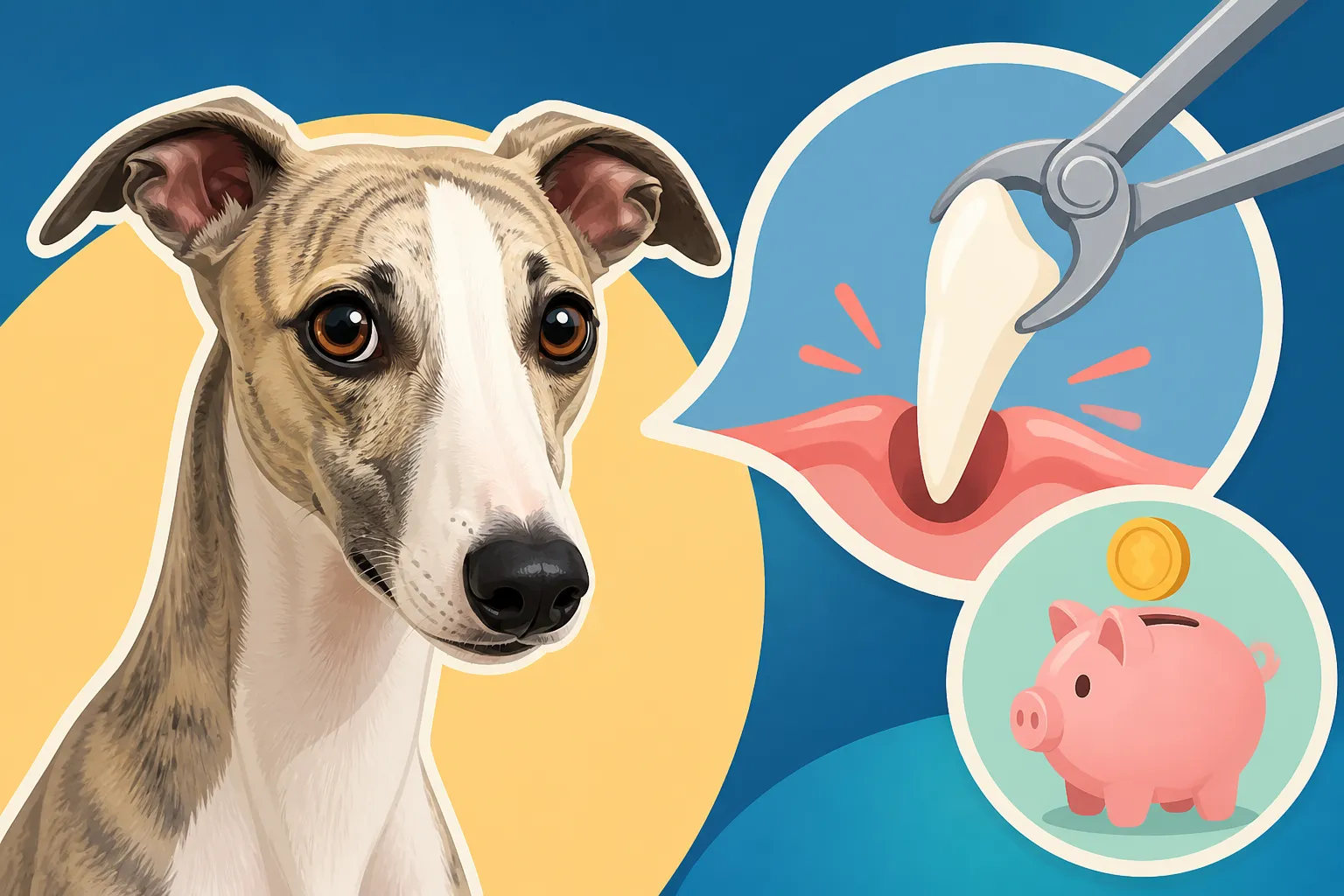
One of the most disheartening things a Whippet owner can hear from their vet is that their beloved dog needs a tooth extracted. It immediately conjures up images of hefty bills and worries about our sensitive sighthounds undergoing surgery. It’s a common issue, though, as dental disease often sneaks up on us, and a necessary procedure to ensure our Whippet’s comfort and long-term health. This guide will walk you through what goes into the cost of a Whippet tooth extraction, helping you understand the bill and how to prepare for this unexpected expense.
Deconstructing the Whippet Tooth Extraction Bill
When you get that estimate for a dental extraction, it can feel like a laundry list of unfamiliar terms and surprising prices. But each item plays a crucial role in ensuring your Whippet's safety and successful recovery. It's not just about pulling a tooth; it's a comprehensive medical procedure.
Initial Examination and Pre-Anesthetic Diagnostics
Before any surgical procedure, especially one involving general anesthesia, a thorough assessment of your Whippet's overall health is paramount. This isn't just a quick look; it's a deep dive into their physiological state to minimize risks.
Your vet will perform a comprehensive physical exam, checking everything from their heart and lungs to their hydration status. This initial check-up helps identify any underlying issues that could complicate anesthesia or recovery. Then, there’s the pre-anesthetic bloodwork. This blood panel assesses organ function, red and white blood cell counts, and clotting abilities. For Whippets, understanding their unique physiology is even more critical. We know that The Bloodwork Numbers That Look Wrong on a Healthy Whippet can sometimes cause unnecessary alarm if your vet isn't familiar with sighthound norms. It’s vital that these results are interpreted with a sighthound lens, ensuring that what looks "off" in a standard dog isn't just normal for a Whippet. This screening catches potential problems like kidney or liver issues that could affect how your dog metabolizes anesthetic drugs, making the procedure much safer. Without it, you’re flying blind, and that’s a risk no responsible owner wants to take with their cherished companion.
Another critical diagnostic tool often included in the initial cost is dental X-rays. Unlike humans, we can't just open our dogs' mouths and see what's going on beneath the gum line. A significant portion of dental disease, like root infections or fractured teeth, lies hidden. X-rays reveal these unseen issues, allowing the vet to formulate a precise extraction plan. Without them, the vet might miss another problem tooth, leading to another expensive procedure down the line. It's an investment in a complete and effective treatment the first time around.
Anesthesia and Monitoring Protocols for Sighthounds
This is often one of the largest line items on the bill, and for good reason, especially when it comes to Whippets. Sighthounds have specific sensitivities to anesthesia that require a more tailored and often more intensive approach. You see, our Whippets are lean machines, with very little body fat, which impacts how they process and eliminate anesthetic agents.
Because of this unique physiology, a standard anesthesia protocol used for a bulldog or a Labrador might be dangerous for a Whippet. Vets experienced with sighthounds often follow Why a Whippet Needs a Sighthound Anesthesia Protocol, utilizing specific drugs and dosages that are safer and allow for a smoother recovery. This often means using shorter-acting anesthetics and meticulous monitoring throughout the procedure. The cost here reflects the expertise of the veterinary staff, the specific medications chosen, and the advanced monitoring equipment used, such as pulse oximetry, blood pressure monitors, and even ECG. They are constantly watching your Whippet's heart rate, breathing, and temperature, ready to intervene at a moment's notice.
The recovery phase is also crucial and often requires extra care. Whippets tend to take How Slowly a Whippet Wakes From Sedation, meaning they need a warm, quiet, and carefully monitored environment for longer than many other breeds. The staff needs to be vigilant about keeping them warm, as their low body fat makes them prone to hypothermia, and ensuring they wake up calmly without complications. All this specialized attention adds to the overall cost, but it's a non-negotiable part of keeping your Whippet safe during what can be a risky procedure. After all, Why Anesthesia Is Riskier in a Whippet isn't just a myth; it's a real concern that demands a premium level of care.
The Extraction Procedure and Immediate Post-Op Care
Once your Whippet is safely under anesthesia and thoroughly monitored, the actual dental work begins. This isn't just about yanking a tooth; it's a precise surgical process.
First, the vet will perform a full mouth scaling and polishing, just like a regular What a Whippet's Dental Cleaning Costs. This removes all the tartar and plaque from the remaining teeth, giving your Whippet a clean slate and making it easier to identify any other issues. Then comes the extraction itself. A simple extraction, like a loose incisor, might be relatively quick. However, many extractions, especially of larger molars or teeth with fractured roots, are surgical. This means the vet might need to create a flap of gum tissue, section the tooth into smaller pieces, and carefully remove bone to ensure all root fragments are extracted. This meticulous work prevents future pain and complications. After the tooth is removed, the gum tissue is sutured closed, often with dissolvable stitches, to promote healing and prevent food particles from getting into the socket.
Pain management is a huge component of the immediate post-operative care, and it starts even before your Whippet wakes up. Your vet will administer pain medication during the procedure and often send you home with a course of anti-inflammatories and potentially antibiotics. Managing pain is crucial not only for your dog's comfort but also for a smoother recovery and to encourage them to eat and drink. The cost of these medications and the vet's time in ensuring appropriate pain control are factored into the overall bill. Depending on the complexity, your Whippet might need additional treatments or medications, especially if there were severe infections or multiple teeth extracted. This holistic approach ensures that your Whippet not only survives the procedure but thrives afterwards.
Factors Influencing the Cost of Whippet Dental Extractions
It's frustrating when you call different vets and get wildly different quotes for what seems like the same procedure. However, several factors contribute to this variability, making each Whippet's dental extraction cost unique. Understanding these can help you manage expectations and better communicate with your veterinary team.
Number and Type of Teeth Involved
This is perhaps the most straightforward factor impacting the cost. Removing one tooth is, naturally, less expensive than removing several. But it's not just about the count; the type of tooth matters significantly.
A small incisor or a premolar with a single root is usually simpler and quicker to extract. The roots are shorter, the bone surrounding them is less dense, and the procedure is less invasive. Think of it like pulling a weed with a shallow root versus digging out a tree stump. On the other hand, molars and canines have multiple, long roots that are deeply embedded in the jawbone. These often require a "surgical extraction," which involves more time, more specialized tools, and a more delicate approach. The vet might need to cut the gum tissue, remove small amounts of bone surrounding the tooth, and then section the tooth into multiple pieces to extract each root individually without damaging the jaw. A fractured tooth, especially one broken below the gum line, can also be particularly challenging, as locating and removing all fragments is essential to prevent future pain and infection. Each additional complex extraction adds significant time under anesthesia and requires greater skill, naturally increasing the overall cost. It's why one estimate might be drastically different from another if your Whippet has multiple hidden issues.
Geographic Location and Clinic Type
Just like human healthcare, the cost of veterinary services, including dental extractions, varies significantly based on where you live and the type of clinic you choose.
In densely populated urban areas or regions with a higher cost of living, veterinary services tend to be more expensive. Rent, staff salaries, and overhead costs are higher, and these are reflected in the prices charged. A clinic in downtown Manhattan or Los Angeles will likely have higher fees than a small-town practice in rural Iowa. Beyond location, the type of clinic plays a role. A general practice veterinary clinic, where your Whippet typically goes for routine check-ups and vaccinations, will usually have lower prices than a specialized veterinary dental clinic. Specialized dental clinics have advanced equipment, such as dental radiography machines, specialized dental surgical tools, and often board-certified veterinary dentists or technicians with extensive training in advanced dental procedures. This expertise and specialized equipment come at a higher price point, but they can be invaluable for particularly complex extractions or when dealing with intricate oral pathology. While your trusted general practitioner might be perfectly capable of many extractions, for severe cases, a referral to a specialist might be recommended, adding to the overall cost but potentially offering a better outcome.
Post-Operative Care and Medications
The care doesn’t stop once the tooth is out and your Whippet is waking up. The post-operative phase is critical for healing and comfort, and these components are typically included in your overall bill or billed separately upon discharge.
Your Whippet will almost certainly go home with a course of pain medication, often an NSAID (non-steroidal anti-inflammatory drug) to manage discomfort and reduce swelling. Depending on whether there was an active infection or if the extraction was particularly invasive, antibiotics might also be prescribed to prevent post-surgical complications. The cost of these medications, which are crucial for your Whippet's comfort and proper healing, will be part of the final total. In some cases, a recheck appointment might be recommended a week or two after the procedure to ensure proper healing, check the incision site, and remove any non-dissolvable sutures. While this might seem like an extra cost, it's an important follow-up to catch any potential complications early. Sometimes, a soft food diet might be recommended for a period, which could also involve a temporary change in your regular food budget, though many of us already order our Whippet’s food from places like Chewy, making it easy to add. Ensuring proper care after the surgery is just as important as the surgery itself to ensure your Whippet recovers quickly and comfortably.
Managing the Cost and Preparing for Whippet Dental Care
Let's face it, veterinary bills can be a shock, and a tooth extraction is often an unexpected hit to the wallet. But there are ways to manage these costs and even prevent some of the more expensive dental procedures in the first place.
Pet Insurance and Wellness Plans
This is one of the best ways to mitigate the financial impact of unexpected veterinary procedures like tooth extractions. Pet insurance works similarly to human health insurance, where you pay a monthly premium, and in return, the insurance company covers a percentage of eligible veterinary bills after your deductible is met.
Many reputable pet insurance providers, such as Healthy Paws, offer plans that cover dental extractions due to accident or illness. If your Whippet's tooth extraction is medically necessary due to disease (like periodontitis) or a fracture, it's highly likely to be covered. However, it's crucial to read the fine print. Most standard pet insurance policies do not cover routine dental cleanings (like Whether a Whippet Needs Yearly Dental Cleaning) unless they are part of a specific "wellness" add-on package. This means that while they'll help with the cost of removing an infected tooth, they won't cover the preventative cleaning that could have potentially avoided the extraction. Always check what your specific policy covers regarding dental care, including any waiting periods for dental conditions. Getting insurance when your Whippet is young can also be beneficial, as pre-existing conditions are typically not covered. If you already have a Whippet with dental issues, you might find that those specific problems are excluded from new policies.
Preventative Care to Reduce Extraction Risk
An ounce of prevention is truly worth a pound of cure, and nowhere is this more evident than in dental health. Regular, proactive dental care for your Whippet can significantly reduce the likelihood of needing expensive extractions down the line.
The cornerstone of preventative dental care is brushing your Whippet's teeth regularly. Yes, it sounds daunting, but even a few times a week can make a huge difference in preventing plaque and tartar buildup. Start slow, use a pet-specific toothpaste (never human toothpaste!), and make it a positive experience with lots of praise and treats. Given that Why a Whippet Builds Tartar Fast, especially compared to some other breeds, this daily effort is even more vital. Beyond brushing, there are dental chews and water additives designed to help reduce plaque. You can find a wide variety of these products from online retailers like Chewy, offering different textures and ingredients to suit your Whippet. Just be sure to choose products that are Veterinary Oral Health Council (VOHC) approved for effectiveness.
Regular professional dental cleanings under anesthesia are also key. While pet insurance may not cover these, they are a fundamental part of maintaining good oral hygiene. During these cleanings, your vet can identify and address issues before they become severe enough to require extraction. Discussing your Whippet's diet with your vet can also be beneficial. While fresh food options like Ollie are excellent for overall health and nutrition, they aren't a magical cure for dental disease. However, a balanced diet supports general health, which includes healthy gums. Think of preventative care as an ongoing investment in your Whippet's long-term health and your financial peace of mind.
Budgeting and Emergency Funds
Even with the best preventative care and pet insurance, unexpected veterinary expenses can arise. Preparing financially is a smart move for any Whippet owner.
Setting aside a dedicated emergency fund specifically for veterinary care can provide immense relief when those unexpected bills arrive. Even saving a small amount each month can add up quickly. Consider what you might realistically be able to afford should your Whippet need an emergency procedure or an unexpected extraction. If saving a large sum isn't immediately feasible, many veterinary clinics offer payment plans or accept third-party financing options that allow you to pay off the cost over time. Always discuss payment options with your vet's office upfront, especially when receiving an estimate for a procedure. Being transparent about your financial concerns allows them to work with you to find the best solution. Having these conversations before an emergency strikes can make a stressful situation much more manageable for both you and your Whippet.
Understanding the Investment in Your Whippet's Health
When you look at the price tag for a tooth extraction, it's easy to focus on the numbers. But what you're really investing in is your Whippet's quality of life. An infected or painful tooth isn't just an inconvenience; it can severely impact their well-being, leading to chronic pain, difficulty eating, and even systemic health issues.
| Service/Component | Description | Estimated Cost Factor (Relative) |
|---|---|---|
| Initial Assessment & Diagnostics | Physical exam, pre-anesthetic bloodwork, dental X-rays | Moderate to High |
| Anesthesia & Monitoring | Sighthound-specific drugs, continuous monitoring (heart rate, BP, oxygen, temperature), recovery care | High |
| Simple Extraction | Single-rooted tooth, minimal gum/bone involvement | Low to Moderate |
| Complex Surgical Extraction | Multi-rooted tooth, fractured tooth, bone removal, gum flap surgery, sutures | Moderate to High |
| Multiple Extractions | Cost increases proportionally with number and complexity of teeth | High to Very High |
| Post-Operative Medications | Pain relief, antibiotics for home use | Low |
| Recheck Appointment | Follow-up to ensure proper healing and address concerns | Low |
The pain from dental disease can be subtle in dogs, as they are masters at hiding discomfort. A Whippet might simply eat less, seem less enthusiastic about toys, or just be generally subdued, and you might not even realize it's a toothache. Getting rid of that pain through extraction can be transformative, bringing back their playful, energetic selves. While costs can vary greatly depending on the complexity of the extraction, the number of teeth involved, and geographic location, understanding the breakdown of the bill empowers you as an owner. What a Whippet's Dental Under Anesthesia Costs is often quite high, but it's a critical component of their overall health.
Remember that taking proactive steps with daily brushing, dental chews, and regular professional cleanings can go a long way in preventing more severe and costly problems down the road. Addressing issues like The Age a Whippet Starts Losing Teeth or understanding Whether a Whippet's Bad Breath Means Dental Disease early on can prevent the need for extractions. Don't hesitate to have open conversations with your vet about your Whippet's dental health and any financial concerns you might have. They are there to help you make the best decisions for your beloved sighthound.
Disclaimer
This article is for general informational purposes only and does not constitute professional advice. Laws, prices and regulations vary by location and change over time. Consult a qualified professional for guidance on your specific situation.