Whether a Whippet Coat Rubs Its Skin Raw
It’s a heart-sink moment for any Whippet owner: you pull off their cozy winter coat after a walk, only to find a patch of irritated, reddened skin underneath. We dress our delicate sighthounds to protect them from the cold and the elements, but sometimes, the very thing meant to shield them can inadvertently cause discomfort, even leading to raw spots. This guide is here to help you understand why this happens, how to prevent it, and what to do if your Whippet's coat starts rubbing their sensitive skin.
Why a Whippet's Skin is So Susceptible to Rubbing
Whippets, with their sleek, athletic build, are truly unique dogs. While their short coats and lean physiques make them incredibly fast and elegant, these same characteristics can also make their skin more prone to irritation from clothing. It's not just a matter of delicacy; it's fundamental to their physiology.
The Thin Skin of a Whippet
One of the most defining features of a Whippet, and sighthounds in general, is their remarkably thin skin. It’s not robust and thick like that of a working terrier or a double-coated retriever. Instead, it’s fine, almost paper-thin, allowing their muscles to flex and move with incredible freedom, which is crucial for their legendary speed. This thinness, however, means there's less buffer between the outside world and the underlying tissue. When a coat, harness, or even a rough piece of bedding constantly presses or slides against this delicate surface, friction can quickly lead to irritation. Think of it like a human with very sensitive skin; even a slight seam in clothing can cause a rash if it's in the wrong spot or the material is rough. This is precisely why issues like The Thin Skin That Sends a Whippet to the Vet for Stitches are so common – their skin just doesn't offer much protection.
Lack of Natural Padding and Insulation
Unlike many other breeds, Whippets possess very little body fat. This is part of what gives them their distinctive streamlined appearance and allows them to be so fast, but it also means they have almost no natural cushioning beneath their skin. There’s no thick layer of fat to absorb pressure or prevent friction. Their bones, especially around the hips, elbows, and shoulders, are quite close to the surface, making these areas particularly vulnerable. When a coat fits too snugly or moves improperly, it's not just rubbing against skin; it's often pressing directly onto bone, which exacerbates the issue. It's a fundamental reason why A Whippet Has No Insulation and No Padding, and thus, why coats are often a necessity for them, even indoors for some.
Fine Coat Texture
A Whippet's coat is short, smooth, and incredibly fine. While this makes them wonderfully low-maintenance in terms of grooming—no tangles or mats here!—it also means there's no thick, dense undercoat to offer protection against external rubbing. Breeds with coarser or thicker coats have a built-in layer that can distribute friction more effectively. A Whippet's fine hair simply lies flat and offers minimal resistance, meaning that any rough material or persistent pressure from a coat is directly transferred to their sensitive skin beneath. This lack of a protective barrier highlights the importance of choosing soft, smooth materials for anything that touches their body for extended periods.
Common Areas Where Coats Can Cause Rubbing and Irritation
Understanding why a Whippet's skin is sensitive is one thing, but knowing where to look for potential problems is equally vital. Certain areas on their body are particularly susceptible to rubbing due to their anatomy and how coats are typically designed.
Under the Legs and Chest
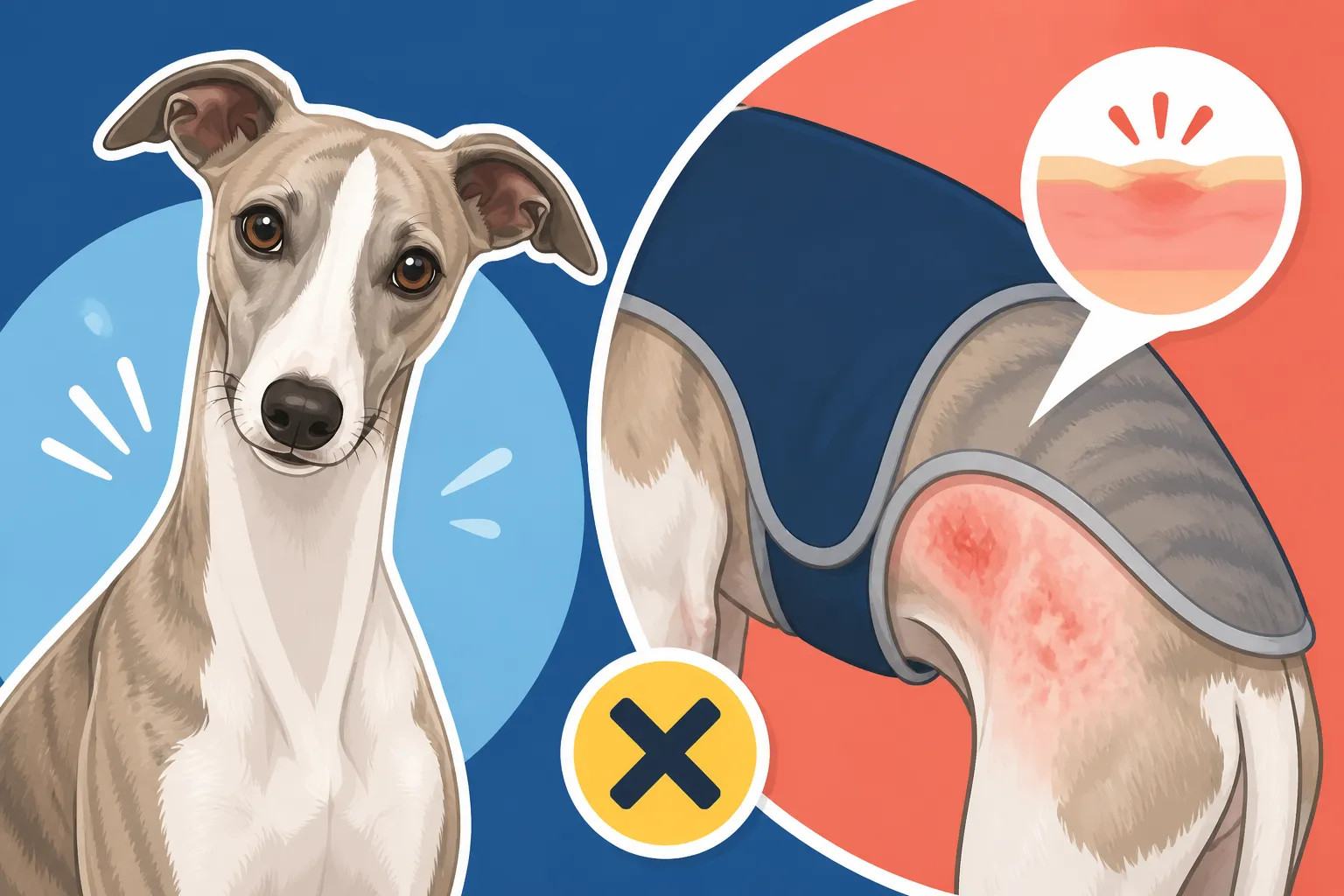
This is perhaps the most common trouble spot, especially for coats that wrap around the chest or have elasticized leg holes. The armpits (or axillary region, as a vet would call it) and the inner thighs are areas where skin is naturally thinner, softer, and more prone to chafing. When a coat is too tight in the chest, or if the leg holes are ill-fitting, the material can bunch up and continuously rub with every step your Whippet takes. This constant friction, particularly during walks or energetic sprints, can quickly lead to redness, hair loss, and even raw sores. It's often worse with waterproof materials that don't breathe well or have stiffer seams. Imagine wearing a shirt with a rough seam digging into your armpit all day – that's the kind of irritation we're trying to prevent for our Whippets. This is especially true for coats that don't account for their Which Coat Brand Fits a Whippet's Deep Chest and unique body shape.
Around the Neck and Shoulders
Many Whippet coats feature a collar or a high neck design to keep them extra warm, and rightly so! However, if this part of the coat is too snug, too loose, or made of an abrasive material, it can rub the skin around their throat and shoulders. A coat that's too tight might chafe as they move their head or when you attach a leash. Conversely, a coat that's too loose can shift and rub unevenly. The prominent shoulder blades and the delicate skin over their throat can easily become inflamed. Even a well-meaning buckle or tag on a coat can become an irritant if it’s positioned poorly and causes repeated pressure or friction against their sensitive skin. This is distinct from a collar rubbing, but the principle is the same—constant friction in a sensitive area.
Along the Spine and Hips
While less common than the armpits, the area along the spine and over the hip bones can also be affected, particularly by heavier or poorly fitted coats. A coat that sags or bunches can create pressure points along the spine, especially if your Whippet is lying down or moving in certain ways. Over the prominent hip bones, which have very little padding, any seam or tight spot can cause friction. This can manifest as hair thinning, redness, or even small calluses if the rubbing is prolonged. It's a reminder that even when a coat seems "big enough," its fit can still be problematic if it's not designed to accommodate the unique contours of a sighthound's body. Ensuring a coat lies smoothly across their back without bunching is key.
Choosing the Right Coat to Prevent Rubbing
The good news is that preventing coat-related skin rubbing is largely within your control. It comes down to thoughtful selection, paying close attention to materials, fit, and design. You want your Whippet to be warm and protected, not chafed and uncomfortable.
Material Matters: Softness and Breathability
When selecting a coat, the fabric is paramount. Opt for soft, smooth materials that glide over the skin rather than creating friction. Fleece, often used in pajamas or lighter coats, is a fantastic choice because it’s incredibly soft, breathable, and provides warmth without bulk. For outdoor coats, look for waterproof or water-resistant options with smooth inner linings, such as satin or a soft, fine-weave nylon, rather than rougher textures. Avoid stiff, scratchy fabrics or those with prominent seams on the inside. Breathability is also crucial; a coat that traps moisture can lead to damp skin, which is more prone to irritation and even bacterial or yeast infections. For instance, What a Fleece or Pajama Set for a Whippet Costs can be a great investment for indoor comfort or layering beneath an outer shell.
Here's a quick look at common coat materials and their suitability for sensitive Whippet skin:
| Material Type | Pros for Whippet Skin | Cons for Whippet Skin | Best Use Case |
|---|---|---|---|
| Soft Fleece | Very soft, breathable, lightweight, low friction. | Not waterproof, less wind resistant. | Indoor wear, mild weather, layering, sleepwear. |
| Quilted Nylon | Often has smooth lining, good insulation. | Can be bulky, some outer fabrics may feel stiff. | Moderate cold, dry conditions, casual outdoor. |
| Waterproof/Shell | Protects from rain/snow, durable. | Can be less breathable, stiffer seams, may rustle. | Wet weather, snow, serious outdoor protection. |
| Wool Blend | Natural warmth, good breathability. | Can be scratchy if not lined, might shrink, heavier. | Very cold, dry weather, if properly lined. |
| Knit/Sweater | Soft, flexible, good for indoor/mild outdoor. | Can snag easily, limited wind/water resistance. | Indoor warmth, light outdoor cover, layering. |
Fit is King: Avoiding Chafing Points
A coat must fit your Whippet's unique physique like a glove – but a well-fitting glove, not a tight one. Measure your Whippet carefully, paying attention to chest girth, back length, and neck circumference. Look for coats specifically designed for sighthounds, as they accommodate the deep chest, narrow waist, and arched back. A coat that's too small will be tight and rub. One that's too large will shift excessively and also cause friction or become entangled. Ensure there’s enough room in the armpits for full range of motion without the fabric bunching. The neck opening should be snug enough to prevent drafts but loose enough to be comfortable. When you put the coat on, observe your Whippet walking, trotting, and even doing a little zoomie if you can. Does it stay in place? Does any part dig in? Adjustments might be needed. You can find a wide variety of sighthound-specific coats on sites like Chewy, which often have detailed sizing guides and customer reviews that can be incredibly helpful.
Design Considerations: Straps and Seams
Beyond material and overall fit, pay close attention to the smaller design elements.
- Strap placement: Avoid coats with straps that cross sensitive areas like the armpits or inner thighs in a way that could dig in. Wide, soft straps are generally better than narrow, stiff ones.
- Velcro vs. Buckles: While convenient, Velcro can sometimes be abrasive if it comes into contact with skin or if hair gets caught in it. Buckles, if they are flat and padded, can be fine, but protruding hardware can also be an issue.
- Internal seams: Turn the coat inside out. Are the seams flat and smooth, or are they bulky and prominent? Bulky seams are prime candidates for causing irritation, especially along the spine or under the belly. High-quality coats will often have flat-locked seams or smooth lining to minimize this risk.
- Full belly coverage: For warmth, Whether a Whippet Coat Should Cover the Belly is a common consideration. While great for keeping them toasty, ensure the belly panel is soft and designed to move with your Whippet without bunching or rubbing.
What to Do If Rubbing Occurs
Despite our best efforts, sometimes a coat might still cause irritation. It's crucial to identify the problem early and address it promptly to prevent it from escalating into a more serious skin issue.
Identifying the Problem Early
The first step is vigilance. After every walk, especially if your Whippet has been wearing a new coat or one for an extended period, remove it and thoroughly inspect their skin. Look for:
- Redness: Any pink or red patches, especially in the common rubbing areas (armpits, chest, hips).
- Hair loss or thinning: This is a clear sign of chronic friction.
- Dullness or broken hairs: The coat might look rough or sparse in affected spots.
- Scabs or sores: If the rubbing has progressed to breaking the skin, you might see small scabs, oozing, or raw patches.
- Licking or chewing: Your Whippet might draw attention to the area by licking, chewing, or scratching it.
- Reluctance to wear the coat: If your Whippet suddenly becomes hesitant or uncomfortable when you try to put on a specific coat, it's a huge red flag that something is wrong.
Even if you don't see outright sores, persistent redness or hair loss means it's time to change something. Catching it early prevents minor irritation from becoming a full-blown infection.
First Aid and Skin Care
If you notice mild redness or minor chafing, here’s how to provide immediate care:
- Remove the offending coat: This is non-negotiable. Do not put it back on.
- Gently clean the area: Use a mild, pet-safe antiseptic solution or warm water and a clean cloth to clean the irritated skin. Pat dry thoroughly.
- Apply a soothing balm: A thin layer of a pet-safe soothing balm, like one containing aloe vera or calendula, can help calm inflammation. Make sure it's safe if licked.
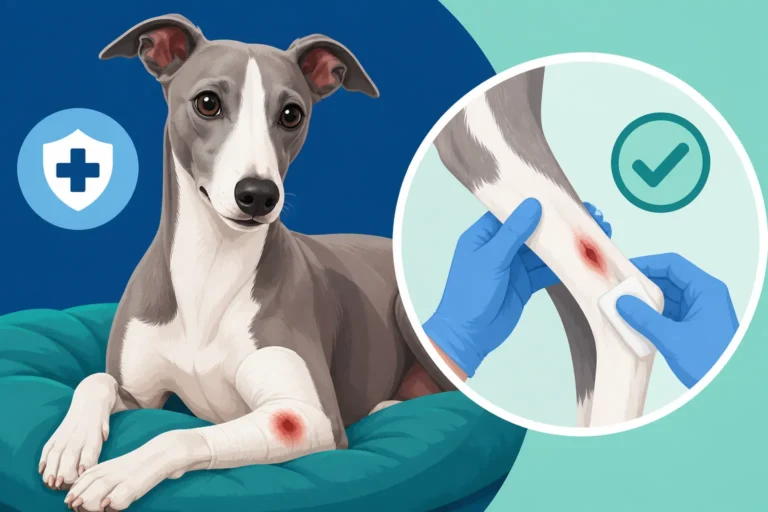
- Prevent further irritation: Keep the area clean and dry. For a day or two, avoid putting any coat on the area if possible, or opt for a very loose-fitting, soft pajama-style garment. You might need to cover it with light, breathable medical gauze if your dog won't leave it alone, but ensure it's not restrictive. If the skin is broken, Cleaning and Dressing a Whippet's Cut is critical, and you should consider a vet visit.
It’s also worth considering your Whippet's overall skin health. A balanced diet, for example, contributes to healthy skin and coat. Some owners choose to feed their Whippets high-quality, whole-food options like those offered by Ollie, as good nutrition can bolster skin resilience.
Seeking Veterinary Advice
While mild chafing can often be managed at home, there are times when a veterinary visit is absolutely necessary:
- Open sores or broken skin: Any time the skin is broken, there's a risk of infection. Your vet might prescribe antibiotics or a medicated cream.
- Persistent redness or inflammation: If the area doesn't improve within a couple of days of home care, or if it worsens, it needs professional attention.
- Swelling, heat, or pus: These are clear signs of infection and require immediate veterinary intervention.
- Lameness or pain: If your Whippet is showing signs of pain, limping, or reluctance to move due to the irritation, consult your vet.
Your vet can properly diagnose the extent of the damage, rule out other skin conditions, and provide appropriate treatment. Remember, Whippets have delicate skin, and an untreated rub can quickly turn into a significant and painful problem, potentially leading to bills that make you grateful for pet insurance from providers like Healthy Paws.
Beyond the Coat: Other Sources of Skin Rubbing
While coats are a primary concern, it’s worth remembering that other items your Whippet wears can also cause similar rubbing issues. Staying aware of these helps ensure their comfort year-round.
Harnesses and Collars
Just like coats, harnesses and collars can be culprits. A poorly fitting harness, especially one that sits too low in the armpits or is too tight across the chest, can cause severe chafing. The material and design of the harness are just as important as with a coat. Look for harnesses with soft padding, wide straps, and adjustability to ensure a snug but comfortable fit. The same goes for collars. While Whippets typically wear wider, padded sighthound collars to protect their delicate necks and prevent slipping, even these can rub if they're constantly wet, dirty, or if the dog pulls excessively. Whether a Whippet Needs a Martingale often comes down to preventing escapes, but ensuring it's wide and smooth is important for comfort. Always check beneath harnesses and collars for any signs of irritation, especially after long walks or when your dog has been wet.
Bedding and Crates
It might seem less obvious, but even where your Whippet rests can cause skin issues. Whippets, as we know, have little natural padding. This means lying on hard surfaces for extended periods can lead to pressure sores, especially on elbows and hocks. While not exactly "rubbing," the constant pressure and friction from moving on a rough or thinly padded bed can contribute to skin breakdown. Ensure your Whippet has plenty of soft, comfortable bedding everywhere they sleep, whether it’s a luxurious bolster bed or a thick memory foam mat in their crate. What a Whippet Bed Should Be Made Of is a critical question for owners. Soft, washable fabrics are best. A good, plush bed from Chewy or similar retailers can make a world of difference to their delicate joints and skin.
Grooming and Environmental Factors
While a Whippet’s coat takes minimal grooming, regular, gentle brushing helps distribute natural oils and removes loose hairs, promoting healthy skin. Using the right brush for their short, fine coat will prevent any unnecessary irritation. Furthermore, consider environmental factors. Running through dense brush or thorny plants can easily cause scrapes and tears to their thin skin, which can then become irritated by a coat. It's not uncommon for a Whippet to get The Thin Skin That Sends a Whippet to the Vet for Stitches from such encounters. Paying attention to their play environment and perhaps considering a protective vest for adventurous outings can help.
Conclusion
The joy of sharing your life with a Whippet comes with a special set of responsibilities, and ensuring their comfort and skin health is definitely high on that list. While coats are essential for keeping our sleek sighthounds warm and protected, they can, paradoxically, be a source of discomfort if not chosen and used wisely. By understanding your Whippet's unique physiology – their thin skin, lack of body fat, and fine coat – you can be proactive in selecting materials that are soft and breathable, ensuring a fit that accommodates their deep chest and delicate frame, and paying close attention to design details like seams and straps. Regularly checking your Whippet's skin, especially in common problem areas like the armpits and chest, will allow you to catch any irritation early. And remember, if you spot any broken skin or persistent redness, a quick trip to the vet is always the best course of action. With a little care and attention, your Whippet can enjoy all the warmth and protection their wardrobe offers without any rub-related worries.
Disclaimer
This article is for general informational purposes only and does not constitute professional advice. Laws, prices and regulations vary by location and change over time. Consult a qualified professional for guidance on your specific situation.