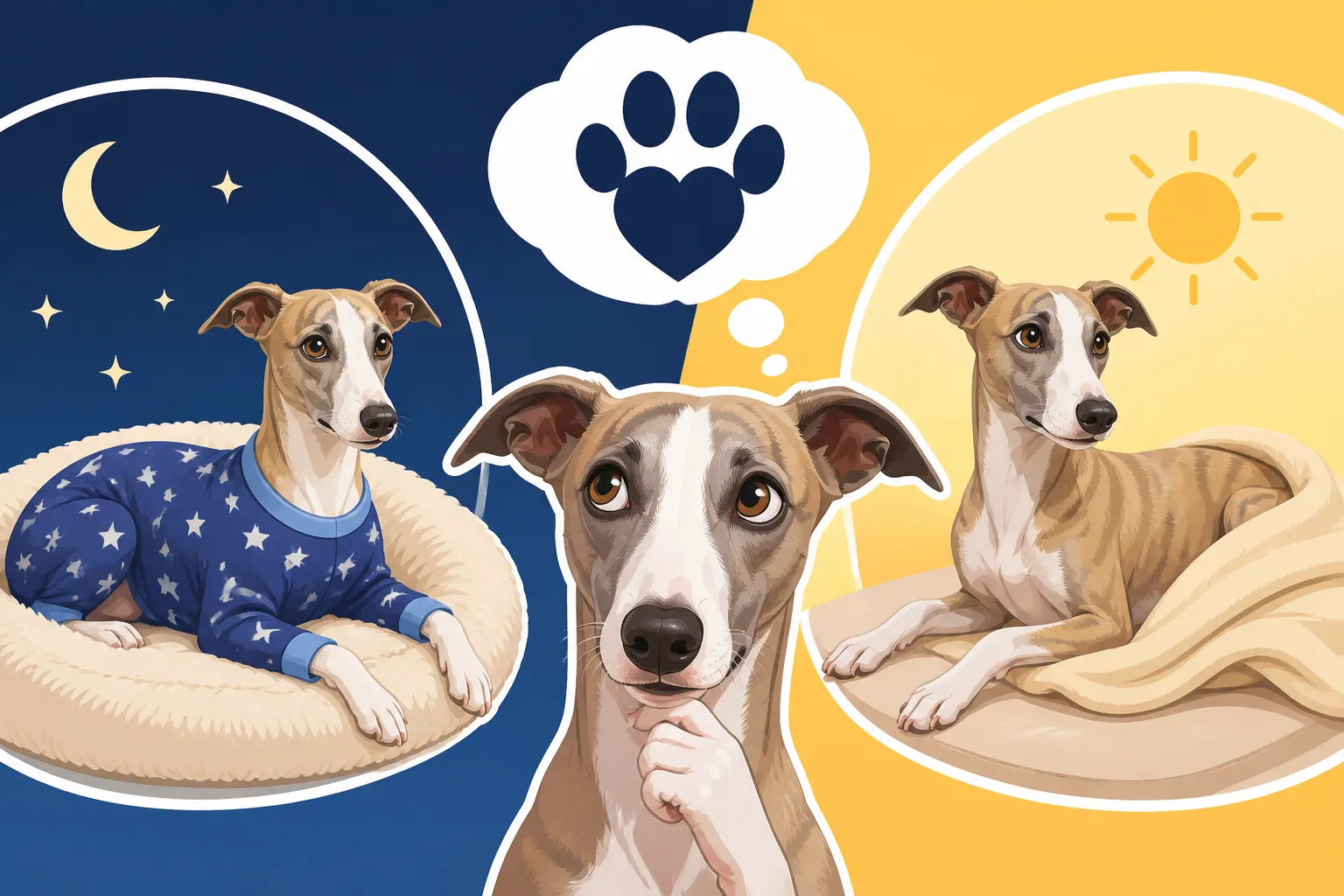
Whether a Whippet Needs Pajamas for Sleeping
You've just tucked your sweet Whippet into their favorite donut bed, maybe even pulled a soft blanket over them, but as you walk away, a nagging thought pops into your head: are they truly warm enough? That slender build, that super-fine coat – it makes you wonder if your beloved sighthound needs more than just a cozy bed to stay toasty through the night. This guide is all about understanding why Whippets get cold, whether pajamas are the answer, and how to ensure your lean, loving companion sleeps soundly and warmly, no matter the season.
Why Whippets Get Cold Easily
It's not just a stereotype; Whippets genuinely do feel the cold more acutely than many other breeds. There's a very good physiological reason for this, and it all comes down to their unique build and metabolism. As a Whippet owner, you quickly become attuned to these nuances, often finding yourself reaching for an extra blanket or a warmer coat when others might not even feel a chill.
The Lack of Natural Insulation
Take a moment to truly feel your Whippet. Run your hand over their back, their chest, their lean legs. What do you feel? Skin, muscle, and bone. There's not much fat padding, is there? Unlike breeds with thick double coats or ample subcutaneous fat, Whippets have very little natural insulation. Their short, fine hair does little to trap warm air against their body. It's like comparing wearing a light t-shirt to a thick down jacket in winter; one simply isn't designed to keep the cold out.
This is a key characteristic of sighthounds, bred for speed and agility, not for enduring harsh climates without assistance. They are sleek, aerodynamic machines. While this is fantastic for chasing a lure across a field, it means that when they slow down, especially when sleeping, their body temperature can drop quite rapidly. You'll notice it most in the cooler months, but even air conditioning on a summer evening can feel like an icy blast to a sensitive Whippet. This is why you often hear that A Whippet Has No Insulation and No Padding.
How Their Metabolism Affects Body Temperature
Whippets are built for bursts of incredible speed, fueled by a high metabolism. While this metabolic rate helps them generate heat when they're active, it also means that when they're at rest, especially during long periods of sleep, their internal furnace isn't roaring as loudly. They're designed for a sprint-and-sleep lifestyle, which contributes to their reputation as The Whippet Is a Forty Mile an Hour Couch Potato. When they're curled up on the sofa or tucked into bed, their body is efficient, but not necessarily geared towards maintaining core warmth in a cool environment.
Think of it like a high-performance sports car: it burns fuel quickly and can get very hot when running hard, but once it's turned off, it cools down equally fast. A Whippet's body functions similarly. They're not "slow burn" dogs when it comes to heat retention, and this makes them particularly susceptible to feeling cold even in temperatures that seem mild to us. This is also why you might find your Whippet seeking out sunny spots or burrowing deeply into blankets, even indoors.
Signs Your Whippet is Cold
Sometimes, your Whippet might not shiver overtly, but they'll give you plenty of subtle cues that they're feeling a bit nippy. Learning these signs is crucial for their comfort and well-being. A common tell-tale sign is the "Whippet curl"—a tight ball with their nose tucked under their tail, often accompanied by shivering, especially around their back and hindquarters. If they're trying to burrow under blankets, pushing their head under pillows, or relentlessly trying to get closer to you for body warmth, these are all big indicators.
You might also notice their ears or paw pads feeling cool to the touch. Sometimes, a cold Whippet might seem a little more restless, unable to settle into a deep sleep because they're constantly shifting to find a warmer spot. They might even whine softly or give you those big, pleading sighthound eyes. Pay attention to their breathing too; if it seems shallow or they're generally less relaxed than usual, cold could be a factor. Remembering that Whether a Whippet Needs a Coat Indoors is a common question highlights just how often these dogs feel chilly even in seemingly temperate home environments.
The Case for Whippet Pajamas
So, given their propensity for feeling cold, where do pajamas fit into the picture? For many Whippet owners, pajamas aren't just a cute accessory; they're a practical and often essential part of keeping their dogs comfortable and healthy, especially during those long night hours.
Providing Essential Warmth
The primary reason for putting your Whippet in pajamas is, quite simply, warmth. During the night, especially in cooler homes, temperatures can drop significantly. A set of soft, well-fitting pajamas acts as an additional layer of insulation, much like an extra blanket wrapped around them constantly. This is particularly important for dogs who struggle to stay warm, or for Caring for an Old Whippet That Feels the Cold. Older Whippets, like older humans, often have less fat, poorer circulation, and a harder time regulating their body temperature.
Pajamas help to maintain a consistent body temperature, preventing those uncomfortable shivers and allowing your Whippet to get a truly restful sleep. This consistent warmth can also be beneficial in preventing stiffness in joints, especially in older or arthritic dogs. It’s about creating a microclimate of warmth around their body, ensuring they wake up feeling refreshed rather than chilled to the bone. They truly are part of The Wardrobe a Whippet Needs Because It Has No Body Fat.
Comfort and Security for Anxious Sleepers
Beyond just physical warmth, pajamas can offer a surprising level of psychological comfort and security for some Whippets. The gentle, all-over pressure of a snug-fitting garment can mimic the feeling of being swaddled or held, which can be incredibly soothing for dogs who are prone to anxiety or feel insecure in new environments. It's a bit like a thunder shirt, but for general nighttime comfort.
This sense of security can help anxious Whippets settle down more easily for sleep, reducing restlessness and promoting deeper relaxation. Some Whippets might even associate their pajamas with bedtime, creating a positive routine that signals it's time to wind down. This can be especially helpful for rescue Whippets who might have had an uncertain past and benefit from predictable, comforting routines. The consistency of wearing pajamas nightly can become a comforting ritual, fostering a sense of safety that is invaluable for their emotional well-being.
Protecting Sensitive Skin
Whippets have incredibly thin, delicate skin that can be prone to nicks, scrapes, and irritation, particularly if they enjoy burrowing into rougher blankets or sleeping on surfaces that aren't perfectly smooth. Their skin is so fine that a simple brush against a sharp corner or a playful tumble can lead to a trip to the vet. This is part of the challenge of living with such a lean and athletic breed.
Pajamas can offer a protective barrier against minor abrasions, especially if your Whippet is a restless sleeper or shares their bed with another pet. The soft fabric acts as a buffer, reducing the direct contact of their delicate skin with potential irritants. While it won't prevent major injuries, it can certainly help with the everyday bumps and scrapes that Whippet owners know all too well. It's a small but significant layer of defense for their vulnerable exterior.
Choosing the Right Pajamas
So you're on board with the idea of pajamas for your Whippet. Great! But not all pajamas are created equal. Just like finding the perfect human sleepwear, there are some key considerations to ensure maximum comfort and effectiveness for your canine companion.
Material Matters for Comfort and Warmth
When it comes to Whippet pajamas, the fabric is paramount. You want something soft, breathable, and effectively insulating. Fleece is a very popular choice for its warmth-to-weight ratio and softness. It feels lovely against their skin and traps body heat efficiently. Cotton blends are also good, especially if you're looking for something lighter for slightly milder nights or if your Whippet has very sensitive skin that needs to breathe a bit more.
Avoid anything scratchy, stiff, or with synthetic fibers that don't breathe well, as these can cause overheating or skin irritation. Some brands, like those found on Chewy, offer a variety of materials specifically designed for dog comfort. Look for fabrics that are easy to wash, as dog pajamas will definitely need regular laundering. Consider the climate you live in too; a thick fleece might be perfect for a New England winter, but a lighter knit cotton might be better for a milder Southern evening.
| Material Type | Pros | Cons | Best For |
|---|---|---|---|
| Fleece | Very warm, soft, lightweight | Can sometimes lead to static, less breathable | Cold climates, Whippets who get very chilly |
| Cotton Blend | Breathable, soft, good for sensitive skin | Less insulating than fleece | Mild climates, layering, sensitive skin |
| Jersey Knit | Stretchy, comfortable, easy to wear | Varies in warmth depending on thickness | General wear, medium warmth |
| Silk/Bamboo | Very soft, hypoallergenic, breathable | Expensive, less durable | Luxury, very sensitive skin, milder nights |
Ensuring a Proper Fit
A good fit is crucial for both comfort and safety. Pajamas that are too tight can restrict movement, cause chafing, or even cut off circulation. Too loose, and they can get tangled, slip off, or become a tripping hazard, especially if your Whippet is prone to those sudden zoomies even indoors. Look for pajamas designed specifically for sighthounds, which will accommodate their deep chest, narrow waist, and athletic build. Many regular dog clothes simply won't fit a Whippet correctly, gaping in the chest or being too loose around the middle.
Measure your Whippet carefully: length from the base of the neck to the tail, chest girth at the deepest part, and neck circumference. Most reputable brands will have a sizing chart. The pajamas should be snug enough to stay in place but stretchy enough to allow full range of motion. Check that there are no tight spots around the legs, armpits, or neck. Think of it like a second skin that moves with them.
Styles and Features to Consider
Beyond material and fit, there are various styles and features that can enhance the utility and comfort of Whippet pajamas. Some come with full legs, covering all four limbs, which is fantastic for maximum warmth. Others are more like a onesie, covering the body but leaving the legs free. Consider your Whippet's preference and how much coverage they truly need.
Look for pajamas without excessive zippers, buttons, or embellishments, as these can be uncomfortable or even chewed off. A simple pull-on design is often best. Reflective elements might be a nice touch if your Whippet will be wearing them for a quick late-night potty break, though for purely indoor sleeping, it's not essential. Some pajamas even incorporate belly bands for extra warmth on their exposed underside. If your Whippet tends to Whether a Whippet Sleeps Under a Blanket but kicks it off, a good set of pajamas can provide continuous warmth.
Alternatives and Considerations
While pajamas can be a fantastic solution, they're not the only way to keep your Whippet warm, and they might not be necessary for every dog in every situation. It's about finding what works best for your individual Whippet and your home environment.
Bedding and Blankets as Alternatives
Before investing in a full wardrobe of pajamas, ensure your Whippet has truly excellent bedding. This is often the first line of defense against the cold. Memory foam beds or orthopedic beds provide excellent insulation from cold floors and cradle their slender bodies. Bolster beds can offer a sense of security, allowing them to curl up against soft edges. Layering is key: a good quality bed, topped with a soft fleece or faux fur blanket, gives them options.
Many Whippets are natural burrowers, and providing them with several soft blankets they can tunnel into will satisfy this instinct and keep them toasty. You might also consider a heated pet bed, especially for older Whippets or those in very chilly homes. These can provide targeted warmth and are often a huge hit. Remember, The Beds a Whippet Owner Keeps Buying often highlights the trial and error involved in finding the perfect sleep setup!
When Pajamas Might Not Be Necessary
Not every Whippet will need pajamas, all the time. If you live in a warm climate, keep your house consistently toasty, or your Whippet prefers to sleep snuggled right up against you under the covers, they might be perfectly fine without them. Some Whippets might also simply dislike wearing clothes, no matter how soft. Forcing them into pajamas can cause stress and defeat the purpose of promoting restful sleep.
If your Whippet is very active during the night, constantly getting up for water or to adjust positions, pajamas might actually get in the way or cause them to overheat if they're moving around a lot. Always observe your dog's behavior. If they seem comfortable, aren't shivering, and are sleeping soundly through the night, then pajamas might be an unnecessary addition. It's about enhancing comfort, not adding complexity where it's not needed.
Monitoring Your Whippet's Overnight Comfort
The best judge of your Whippet's comfort is, of course, your Whippet themselves. Even if they're wearing pajamas or have an abundance of blankets, keep an eye on their overnight behavior. Are they still shivering? Are they restless? Or conversely, are they panting or seeking out cooler spots, indicating they might be too warm? You might find your Whippet has distinct preferences; some love to be completely covered, while others prefer just a light layer over their back.
Regularly check their ears and belly to gauge their temperature. If they feel cold, add a layer. If they feel warm or clammy, remove one. It’s a dance, especially as seasons change. Understanding Whether a Whippet Needs a Heated Bed in Winter or whether Why a Whippet Shivers Indoors is a sign of being cold is part of becoming a seasoned Whippet parent. Their needs can also change as they age, or if they're recovering from an illness. A well-fed Whippet with a good diet, perhaps with the support of a company like Ollie that provides fresh, customized meals, tends to have better overall health and temperature regulation. Just as you adjust your own sleepwear and bedding, be prepared to do the same for your sensitive sighthound, ensuring they enjoy truly restorative sleep every night.
Disclaimer
This article is for general informational purposes only and does not constitute professional advice. Laws, prices and regulations vary by location and change over time. Consult a qualified professional for guidance on your specific situation.