Whether Insurers Treat a Whippet as a High Risk Breed
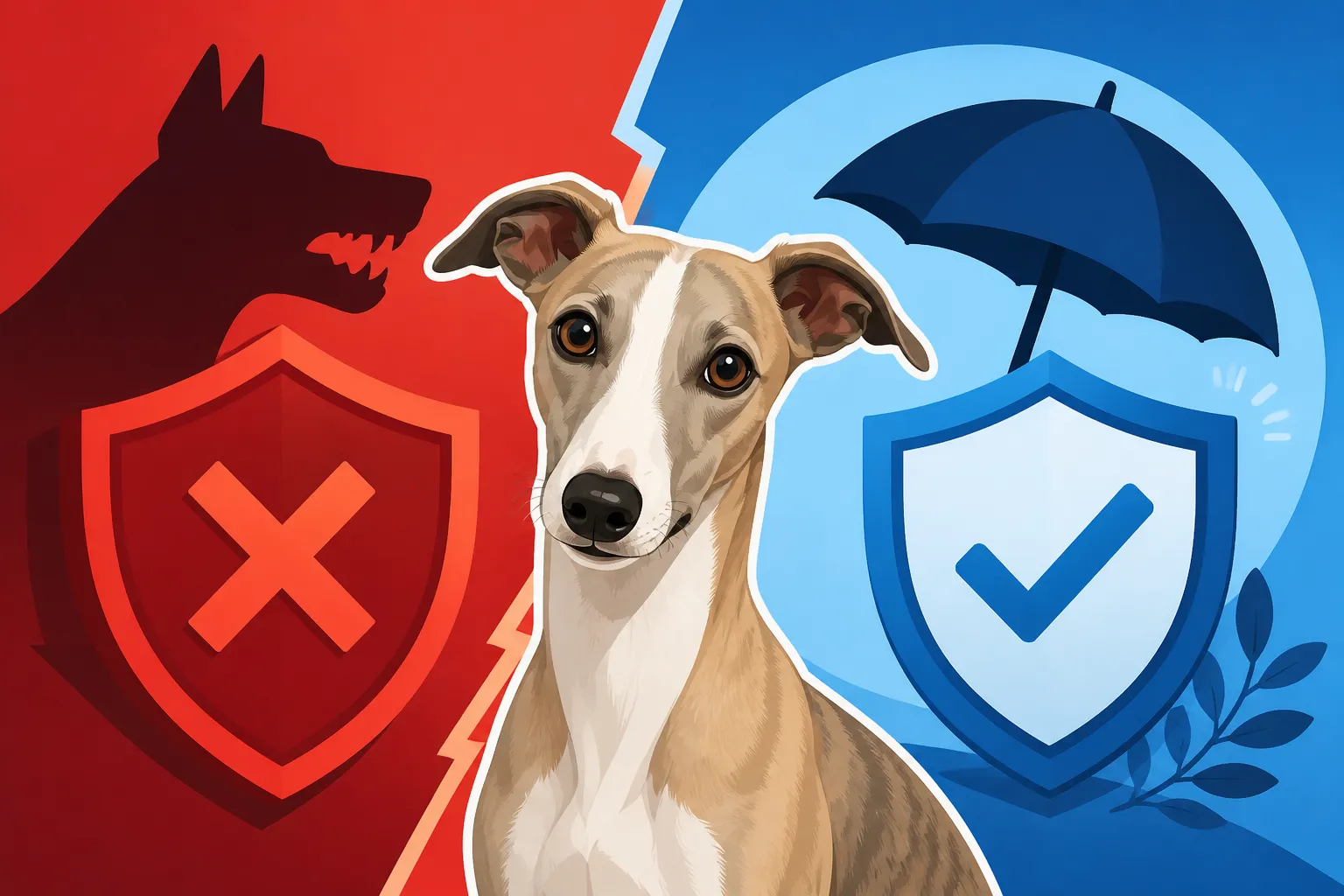
One of the biggest worries for any Whippet owner, or prospective owner, is getting caught off guard by unexpected costs, and pet insurance often feels like a murky area. Many people fret that because Whippets are so slender, so fast, and seem delicate, they might automatically be deemed a "high-risk" breed by insurance companies, leading to sky-high premiums. This guide is here to unravel that perception, helping you understand how insurers actually view our beloved sighthounds and what factors truly influence the cost of covering your Whippet.
Understanding the "High-Risk" Label for Pet Insurance
When we talk about "high-risk" breeds in the context of pet insurance, it usually conjures images of dogs known for aggression, leading to liability claims, or breeds notoriously prone to a laundry list of expensive, chronic health conditions. It's a natural concern for many potential Whippet owners, especially given their somewhat unique physical characteristics. However, it's important to differentiate between common perceptions and the cold, hard data insurers work with.
Why Some Breeds Are Flagged as High Risk
Insurance companies are, at their heart, businesses built on statistics and actuarial tables. They look at vast amounts of data regarding vet claims, breed-specific health predispositions, and even behavioral tendencies. For instance, breeds with a high incidence of hip dysplasia, certain cancers at young ages, or complex congenital heart defects might see higher premiums because the likelihood of expensive medical intervention is statistically elevated. Similarly, breeds with a documented history of aggression or a higher propensity for biting might be flagged for higher liability coverage costs, as the risk of property damage or injury to others is greater.
It's a numbers game, plain and simple. If a particular breed consistently racks up high veterinary bills for certain conditions, or if they are frequently involved in incidents that lead to liability claims, those trends will inevitably be reflected in their insurance premiums. This isn't about judging the breed, but about calculating potential payouts.
Where the Whippet Stands in the Risk Assessment
So, where does our elegant Whippet fit into this picture? The good news is that Whippets are generally not classified as a high-risk breed by most pet insurance providers. They don't have the same pervasive, costly genetic health issues that plague some larger or more popular breeds, nor do they carry a reputation for aggression that drives up liability concerns. In fact, their sweet, gentle dispositions usually work in their favor.
Whippets are typically healthy dogs with a good lifespan, often living The Twelve to Fifteen Years a Whippet Lives with proper care. While they are prone to certain types of injuries and conditions, these are often manageable and, in many cases, not as catastrophically expensive as, say, orthopedic surgeries for a giant breed puppy or ongoing complex treatments for a breed predisposed to multiple auto-immune disorders. Their "fragile" appearance can be misleading; they are surprisingly hardy, though their thin skin does make them prone to certain common issues we'll discuss.
Dispelling Common Myths About Whippet Insurance
One of the biggest myths is that a Whippet's lean body and thin skin automatically make them "delicate" in an insurance sense. While it's true that The Thin Skin That Sends a Whippet to the Vet for Stitches, leading to what can be an unexpected bill for Emergency Stitches: the Whippet Bill Nobody Budgets For, these are often relatively straightforward repairs, not complex, ongoing conditions. These cuts and scrapes might be frequent for active Whippets, but they rarely threaten their lives or require years of specialized care.
Another misconception is that their speed and athleticism make them more prone to catastrophic injuries like broken legs, which would surely drive up premiums. While athletic dogs can certainly get hurt, Whippets are generally agile and intelligent in their play. Serious bone breaks are not as common as people might fear, especially if proper precautions are taken, like avoiding running them on hard surfaces or in areas with unseen hazards. The truth is, their inherent physical robustness often surprises those unfamiliar with the breed.
Factors That Influence Your Whippet's Insurance Premium
While Whippets aren't generally considered a high-risk breed, that doesn't mean your premium will be uniformly low. Many variables come into play when calculating pet insurance costs, and understanding these can help you anticipate and potentially manage your expenses.
Age, Location, and Individual Health History
Just like with human health insurance, your Whippet's age is a major determinant of their premium. A Whippet puppy, typically seen as low-risk for major health crises, will almost always have lower premiums than an older Whippet. As dogs age, the likelihood of developing conditions like arthritis, cancer, or heart disease increases significantly. For Whippets, issues like Mitral Valve Disease Is What Ends Most Old Whippets become more prevalent in their senior years, and insurers factor this into pricing for older pets. A policy started when your Whippet is young will often be more affordable in the long run, even as it gradually increases each year.
Your geographic location also plays a critical role. Veterinary costs vary dramatically from one region to another. A vet visit in a major metropolitan area with high overheads and specialized facilities will undoubtedly cost more than one in a rural setting. Since insurance premiums are directly tied to the expected cost of veterinary care, a Whippet living in an expensive area will likely have higher premiums than one living somewhere with more affordable vet services. It’s worth checking What a Sighthound Vet Costs Over a Whippet's Life in your specific area.
Lastly, your individual Whippet's health history matters, particularly if you're switching insurers or buying a policy later in their life. Pre-existing conditions—any illness or injury your pet had before enrolling in a policy or during a waiting period—are typically not covered. This means if your Whippet had chronic skin issues before you got insurance, those might be excluded. This is why getting insurance early, while your Whippet is young and healthy, is almost always the best strategy.
Coverage Levels, Deductibles, and Reimbursement Rates
The choices you make about your insurance plan's structure will have a direct and substantial impact on your monthly or annual premium. These aren't unique to Whippets but apply to all pet insurance policies.
Firstly, the coverage level you choose. A basic accident-only plan, which covers injuries from unforeseen events like a broken leg or an ingestion of something harmful, will be the cheapest option. An accident-and-illness plan, which is the most common and comprehensive, covers both injuries and illnesses (from infections to cancer), but comes at a higher price. Wellness plans, which cover routine care like vaccinations and dental cleanings, are often an add-on and further increase the total cost. For many Whippet owners, an accident-and-illness plan makes the most sense to cover both potential injuries and age-related diseases.
Secondly, your deductible. This is the amount you pay out of pocket before your insurance coverage kicks in each policy year. You can usually choose from various deductible amounts (e.g., $250, $500, $1000). A higher deductible means you pay more initially, but your monthly premium will be lower. Conversely, a lower deductible means higher monthly payments but less out-of-pocket expense when you make a claim. For a Whippet, knowing that they can be prone to smaller, frequent issues like skin tears, a lower deductible might seem appealing, but it's a balance to strike with the monthly premium.
Finally, the reimbursement rate. This is the percentage of eligible veterinary costs that the insurance company will pay back to you after you've met your deductible. Common rates are 70%, 80%, or 90%. If you choose a 70% reimbursement rate, your premium will be lower, but you'll be responsible for 30% of the vet bill. A 90% reimbursement rate offers more financial protection but at a higher premium. Companies like Healthy Paws and Chewy Pet Insurance (often backed by partners like Lemonade or Trupanion) will offer these varying options, allowing you to tailor a plan that fits your budget and risk tolerance.
Common Whippet Health Concerns and How Insurers View Them
While Whippets aren't "high risk," they do have specific health considerations that are common within the breed. Understanding these typical Whippet ailments helps you prepare for potential vet visits and how your insurance might respond.
Skin Tears and Other Athletic Injuries
One of the most defining characteristics of a Whippet, beyond their incredible speed, is their incredibly thin, delicate skin. It's almost like tissue paper! This means that while they're robust athletes, they are highly prone to cuts, scrapes, and tears, often from simply brushing against something sharp in the yard, running into furniture, or wrestling a bit too enthusiastically with a playmate. A minor snag that another dog might barely notice can result in a trip to the vet for stitches for a Whippet.
These incidents, while rarely life-threatening, can certainly add up. Whether a Whippet's Cut Always Needs Stitches is a frequent question, and often, the answer is yes, given how thin the skin is and how little underlying fat there is to protect. Each vet visit for a skin tear might involve examination, cleaning, local anesthesia, stitches, and sometimes a cone or antibiotics. Over the course of a Whippet's life, these minor "repair" bills can become quite numerous. Insurers are aware of this breed trait. While a single skin tear isn't a huge claim, a pattern of frequent minor claims could impact your overall cost over many years, though generally, it won't categorize them as "high risk" initially. This is precisely the kind of recurring accident coverage that an accident-and-illness policy is designed for, saving you from constant out-of-pocket expenses.
Beyond skin tears, as active and agile dogs, Whippets can also be susceptible to other athletic injuries, such as muscle strains, sprains, or even toe injuries, especially if they are involved in activities like lure coursing or racing. These types of injuries are also typically covered by accident insurance and are a good reason to have a policy in place.
Cardiac Health and Anesthesia Sensitivity
Whippets possess a naturally large, powerful heart, perfectly suited for their athletic endeavors. This can sometimes lead to misunderstandings at the vet, where a large heart on an X-ray might be mistaken for a problem. It's important for owners and vets to recognize that Why a Whippet's Big Heart Is Not a Diagnosis but rather a normal physiological adaptation for a sighthound. However, like many breeds, Whippets are susceptible to certain cardiac conditions as they age. Mitral Valve Disease Is What Ends Most Old Whippets is a common concern in senior Whippets, and the development of a heart murmur is something vets will monitor closely. Diagnosing and managing MVD can involve echocardiograms, medications, and regular check-ups, which can become quite costly. Most comprehensive pet insurance plans will cover these age-related cardiac conditions, provided they aren't pre-existing when the policy starts.
Another crucial health consideration for Whippets is their unique sensitivity to certain anesthetic drugs. Why Anesthesia Is Riskier in a Whippet is a well-known fact among sighthound-savvy veterinarians. Due to their low body fat and unique metabolism, Whippets process anesthetics differently and can take How Slowly a Whippet Wakes From Sedation. They require specific sighthound anesthesia protocols, which often involve different drugs and careful monitoring of body temperature during and after surgery. This specialized care, while vital for their safety, can sometimes add to the cost of procedures requiring sedation, such as dental cleanings or wound repairs. Insurers generally cover the cost of the anesthetic procedure as part of the covered treatment, but it highlights the importance of choosing a vet experienced with sighthounds and having insurance to absorb these potentially higher associated costs. Why a Whippet Needs a Sighthound Anesthesia Protocol is a critical piece of information for any Whippet owner.
Dental Issues and Other Ailments
Dental health is often overlooked, but for Whippets, Teeth Are the Whippet Problem That Sneaks Up faster than you might expect. Many Whippets are prone to developing tartar and plaque buildup at a relatively young age, which can lead to periodontal disease, tooth extractions, and other painful oral issues if not addressed. Regular dental cleanings under anesthesia are often recommended, and as we just discussed, anesthesia for a Whippet can be more complex and potentially more expensive.
While most pet insurance plans do not cover routine dental cleanings (these are usually part of a separate wellness add-on), they will typically cover the cost of treating dental disease, such as extractions or treatment for infections, once the disease has progressed and is no longer considered "routine care." This can be a significant cost, as tooth extractions and associated anesthesia can run into hundreds of dollars per tooth.
Beyond these common issues, Whippets are generally a robust breed with relatively few widespread, devastating genetic conditions compared to some others. This contributes positively to their overall insurance risk profile. Of course, any dog can develop cancer, autoimmune diseases, or other unexpected illnesses, and this is where a comprehensive accident-and-illness policy truly provides peace of mind.
Whippet Temperament and Lifestyle: Insurer Considerations
While health is a major driver of insurance costs, a breed's temperament and typical lifestyle also factor into the risk assessment, particularly for liability concerns and the types of accidents they might encounter.
The Myth of the Delicate, High-Strung Whippet
Despite their sleek, athletic build and incredible speed, Whippets are famously known as "40-mph couch potatoes." This isn't just a cute saying; it's an accurate description of their typical demeanor indoors. They are incredibly calm, quiet, and affectionate house dogs, happy to spend hours curled up on the sofa or in a cozy bed. This serene indoor nature generally means a lower risk of destructive behavior, which could otherwise lead to costly claims for property damage or injuries to household members.
Their gentle, docile temperament is also a huge positive when it comes to liability insurance. Whippets are typically not prone to aggression towards people or other dogs. They are not known as biters or overly protective guard dogs. This significantly reduces the risk of liability claims, which can be a major concern for insurers with breeds known for aggressive tendencies. Most pet insurance policies include some level of third-party liability coverage, but for breeds with a clean slate like the Whippet, this component of the premium remains relatively low.
The Reality of Their Athletic Lifestyle and Potential for Injury
While they are couch potatoes inside, the moment a Whippet steps outside, especially into an open, secure area, their true nature emerges. They are sighthounds, built for speed and the chase. They can sprint at incredible velocities and love to zoom, chase, and play with unparalleled enthusiasm. This burst of athleticism, while wonderful to watch, does come with its own set of risks.
As discussed, their thin skin makes them prone to tears if they catch themselves on something while running at top speed. They can also suffer from sprains, strains, or even more serious orthopedic injuries if they twist awkwardly, collide with something, or take a bad fall during vigorous play. Running on uneven terrain, or being given too much intense exercise before their bodies are fully mature, can sometimes lead to issues. Raising a Whippet Puppy Without Wrecking Its Joints is important for preventing future problems.
However, these are generally considered "accident" risks rather than inherent breed weaknesses. A responsible owner who provides safe spaces for exercise and manages play appropriately can mitigate many of these risks. Most insurers understand that all active dogs face some risk of injury, and they don't typically penalize Whippets disproportionately for their athletic abilities. The key is that these are usually acute injuries, not chronic, debilitating conditions that require lifelong, expensive management, which is what truly drives up "high-risk" premiums for other breeds.
Strategies to Manage Whippet Insurance Costs
Knowing that Whippets aren't generally "high-risk" is a great start, but there are still steps you can take to ensure you're getting the best value and coverage for your beloved companion.
Understanding Different Types of Plans
Before you even start comparing prices, it's crucial to understand the different types of pet insurance plans available. This helps you select coverage that genuinely meets your Whippet's needs and your budget.
- Accident-Only Plans: These are the most basic and cheapest. They cover injuries resulting from accidents (like a broken bone, a laceration, or eating something toxic). They do not cover illnesses. While these can be a good budget option to cover common Whippet skin tears and running injuries, they won't help if your Whippet develops Mitral Valve Disease, an infection, or requires treatment for dental disease.
- Accident and Illness Plans: This is the most popular and recommended type of coverage for most pet owners, including Whippet owners. These comprehensive plans cover both accidents and a wide range of illnesses, including chronic conditions, cancer, infections, digestive issues, and more. This is where you'll get the most peace of mind for both the unexpected scrape and the potential senior health issue. Most insurers, like Healthy Paws, focus primarily on this type of robust coverage.
- Wellness Plans (or Add-ons): These are usually separate riders or supplementary plans that cover routine and preventative care, such as annual exams, vaccinations, flea/tick prevention, and sometimes even routine dental cleanings. While valuable for budgeting, they rarely offer significant savings compared to paying for these services out-of-pocket, and they significantly increase your monthly premium. Consider your financial comfort level here; some prefer to budget for routine care separately.
Comparing Providers and Coverage Options
Once you know what type of plan you need, it's time to shop around. Just like with car or home insurance, premiums and benefits can vary significantly between providers. Don't assume that one company's quote will be the same as another's.
When comparing, look beyond just the monthly premium. Consider:
- Annual Limits: Does the policy have a maximum payout per year or per incident? Unlimited annual payouts, offered by some plans, provide the best protection against very expensive treatments.
- Waiting Periods: How long do you have to wait after signing up before coverage for accidents or illnesses begins? Pay close attention to orthopedic waiting periods, which can sometimes be longer.
- Customer Service and Claims Process: Read reviews to see how easy it is to file a claim and how responsive the company is. A smooth claims process is invaluable during a stressful vet emergency.
- Flexibility: Can you customize your deductible, reimbursement rate, and annual limit to find a sweet spot between premium cost and out-of-pocket expenses?
Many online platforms and pet supply retailers, like Chewy, offer portals where you can compare pet insurance plans from various providers side-by-side, which can simplify the shopping process. Take your time, read the fine print, and ask questions.
Adjusting Deductibles and Reimbursement Rates
As discussed earlier, these two factors offer the most direct control over your monthly premium. You can often choose from several options:
- Higher Deductible = Lower Premium: If you're comfortable with a higher initial out-of-pocket cost before your insurance kicks in (e.g., $1000 instead of $250), your monthly payments will be lower. This can be a good strategy if you have an emergency fund for smaller bills and want protection primarily against catastrophic expenses.
- Lower Reimbursement Rate = Lower Premium: Choosing a 70% reimbursement rate instead of 90% means you'll pay more of the bill yourself, but your monthly premium will be less. Again, this works if you're prepared to cover a larger portion of each bill.
The best approach is to consider your own financial situation and risk tolerance. If a surprise $500 vet bill would strain your budget, a lower deductible and higher reimbursement rate might be worth the increased monthly premium. If you have significant savings for emergencies, opting for a higher deductible could save you money in the long run.
The Long-Term View: Why Insurance Matters for Whippets
While Whippets are not "high-risk," they are living beings who will inevitably face health challenges over their lifetime. Pet insurance isn't just for emergencies; it's a financial tool that helps you provide the best possible care for your Whippet throughout their life, especially as they enter their senior years.
Lifespan and Age-Related Conditions
Whippets are fortunate to have a relatively long lifespan compared to many dog breeds, often reaching The Twelve to Fifteen Years a Whippet Lives. This is fantastic news, but it also means a longer period during which age-related health issues can arise. While they may sail through their younger years with only minor scrapes, senior Whippets, much like senior humans, become more susceptible to a range of conditions.
As a Whippet ages, you might start to see issues like the aforementioned Mitral Valve Disease Is What Ends Most Old Whippets. They can also develop arthritis, particularly in their joints, though less commonly than some larger breeds. Cancer is a sadly universal risk for all older dogs, and a Whippet is no exception. Other conditions such as kidney disease, liver issues, or even cognitive dysfunction can emerge. Caring for a Whippet Past Ten will undoubtedly involve more frequent vet visits, diagnostic tests, and potentially ongoing medications, all of which can become very expensive. Having pet insurance in place before these conditions develop ensures that you'll have financial support when you need it most, allowing you to focus on your Whippet's comfort and well-being rather than the accumulating bills.
Unexpected Emergencies and Peace of Mind
Beyond age-related conditions, the simple reality is that accidents and sudden illnesses can strike any dog, at any age. While Whippets aren't inherently clumsy, a misstep during a zoomie could lead to a sprain, or an innocent chew toy could splinter and cause an internal issue. A sudden allergic reaction, an unexplained lameness, or a gastrointestinal upset could all warrant an emergency vet visit.
These unexpected events can be incredibly stressful, both emotionally and financially. Knowing that you have a comprehensive pet insurance plan, from a reputable provider like Healthy Paws, can provide immense peace of mind. It means that if your Whippet suddenly needs an emergency vet visit, diagnostics, or even surgery, you won't have to make heart-wrenching decisions based solely on your ability to pay. Instead, you can authorize the best possible care, confident that a significant portion of the cost will be reimbursed. This financial safety net allows you to truly prioritize your Whippet's health and comfort, making stressful situations a little less overwhelming.
Table: Factors Influencing Whippet Pet Insurance Costs
| Factor | Impact on Premium | Explanation |
|---|---|---|
| Breed Status | Low | Whippets are generally NOT considered a high-risk breed for aggression or widespread catastrophic genetic diseases. |
| Age of Enrollment | Lower (younger) | Enrolling a puppy is cheaper; premiums increase as the Whippet ages due to higher likelihood of health issues. |
| Geographic Location | Variable | Vet costs vary by region; higher costs in metropolitan areas lead to higher premiums. |
| Coverage Type | Higher (A&I) | Accident-only is cheapest, Accident & Illness (A&I) is comprehensive and moderately priced, wellness add-ons increase cost significantly. |
| Deductible Choice | Lower (higher ded.) | Choosing a higher deductible lowers your monthly premium but increases your out-of-pocket cost per claim. |
| Reimbursement Rate | Lower (lower rate) | A lower reimbursement rate (e.g., 70%) means a lower premium but you pay more of each vet bill. |
| Common Whippet Issues | Moderate | Frequent skin tears, potential for athletic injuries, and age-related cardiac/dental issues mean regular vet visits are likely. |
| Anesthesia Protocol | Moderate | Whippets require specialized anesthesia, potentially increasing costs for procedures requiring sedation. |
Proactive Health Management and Whippet Well-being
While insurance is a crucial safety net, proactive health management for your Whippet can also contribute to fewer claims and overall lower long-term costs. A healthy Whippet is simply less likely to need expensive veterinary interventions.
Maintaining Optimal Nutrition and Weight
Proper nutrition forms the foundation of a healthy life for any dog, and Whippets are no exception. Feeding a high-quality, balanced diet provides the essential nutrients for strong bones, healthy muscles, a robust immune system, and good organ function. While they are often slender, Keeping Weight On a Whippet Without Making It Fat is important. An overweight Whippet can suffer from increased strain on joints and organs, making them more prone to a host of health problems that would certainly lead to vet visits and insurance claims.
Consider a diet tailored to their needs. Some owners opt for fresh food options, believing it contributes to better overall health and digestion. For instance, brands like Ollie deliver fresh, human-grade dog food that can be customized to your dog's specific dietary requirements. While a premium food might have a higher upfront cost, the benefits of superior nutrition can often be seen in a healthier coat, better energy levels, and potentially fewer trips to the vet for diet-related issues. Good nutrition, combined with regular, appropriate exercise, helps maintain a healthy weight and reduces the risk of many preventable conditions.
Regular Preventative Care and Early Detection
Consistent preventative veterinary care is paramount for keeping your Whippet healthy and catching potential issues before they become serious and expensive. This includes annual check-ups, appropriate vaccinations, and parasite prevention (fleas, ticks, heartworm). During these routine visits, your vet can identify subtle changes in your Whippet's health, such as the early signs of a heart murmur, dental issues, or changes in gait that might indicate an emerging orthopedic problem.
Early detection often means less invasive and less costly treatments. For example, addressing dental tartar with regular brushing and professional cleanings can prevent painful extractions later on. Monitoring for a developing heart murmur in a senior Whippet allows for early intervention, potentially delaying the progression of conditions like Mitral Valve Disease. What a Whippet Needs Every Day includes consistent attention to their overall well-being. By staying on top of preventative care, you're not just being a responsible pet owner; you're also strategically minimizing the likelihood of future, more expensive insurance claims. This proactive approach supports both your Whippet's health and your financial peace of mind.
Disclaimer
This article is for general informational purposes only and does not constitute professional advice. Laws, prices and regulations vary by location and change over time. Consult a qualified professional for guidance on your specific situation.