The Wardrobe a Whippet Needs Because It Has No Body Fat
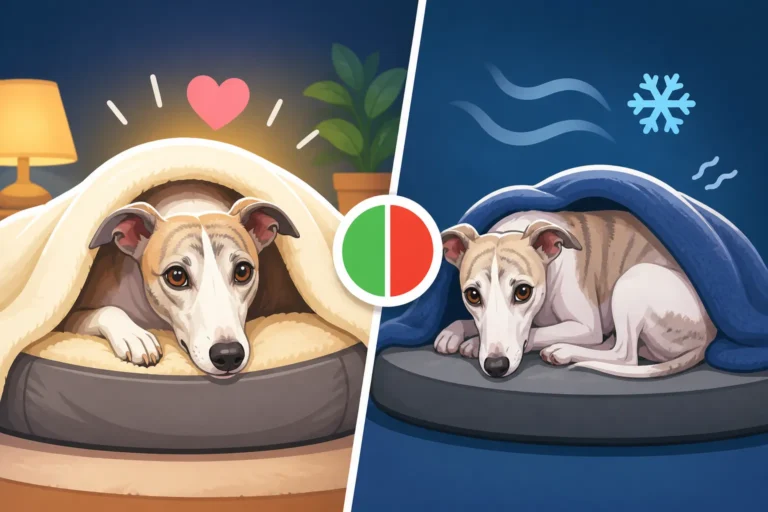
It’s a common sight for Whippet owners: a shivering dog bundled in blankets indoors, or refusing to go out in anything less than perfect weather. This isn't just a quirky habit; it's a direct consequence of their unique physiology. Unlike many breeds, Whippets lack the insulating body fat and thick undercoat to protect them from the cold, making a carefully curated wardrobe an absolute necessity. This comprehensive guide will walk you through everything you need to know to keep your Whippet comfortable, safe, and stylish, no matter the season.
The Cold Reality: Why Whippets Are Built Differently
Living with a Whippet means understanding that their sleek, athletic build, while beautiful and efficient for speed, leaves them incredibly vulnerable to temperature fluctuations. They're built for bursts of speed, not for enduring cold or harsh elements. This isn't a flaw; it's just who they are, and it means we, as their guardians, need to step up and provide the warmth and protection they naturally lack.
Understanding Their Unique Physiology
Whippets possess a lean, muscular physique with very little subcutaneous fat. Imagine trying to stay warm without any natural insulation; that's your Whippet's daily reality. Their short, fine coats offer minimal protection against cold winds, rain, or even just a chilly evening indoors. When the temperature drops, their bodies expend a lot of energy just trying to maintain core warmth, which can lead to discomfort, lethargy, and even illness if not properly managed. It's truly a situation where their body just doesn't have the padding to keep them warm. This is why understanding A Whippet Has No Insulation and No Padding is so crucial for their overall well-being. They really do feel the cold in a profound way that many other breeds simply don't.
The Thin Skin Factor
Beyond the lack of insulation, Whippets are known for their incredibly delicate, thin skin. It’s almost paper-thin in some areas, making them highly susceptible to nicks, scrapes, and tears from even minor bumps against rough surfaces, branches, or other dogs during play. This isn't just about superficial cuts; a simple brush against a thorny bush could mean a trip to the vet for stitches. So, while keeping them warm is paramount, providing a physical barrier against everyday hazards is equally important. Think of their clothing not just as fashion or warmth, but as protective armor against the world. Owners often discover this when they face The Thin Skin That Sends a Whippet to the Vet for Stitches, highlighting just how vulnerable they can be.
Essential Outerwear: Keeping Your Whippet Warm Outdoors
When it comes to outdoor adventures, your Whippet's wardrobe needs to be as functional as it is fashionable. Different weather conditions call for different types of protection. Just like you wouldn't wear a light jacket in a blizzard, your Whippet needs specific gear for specific forecasts. It's all about making sure they can still enjoy their zoomies without risking hypothermia or injury.
Winter Coats and Extreme Cold Protection
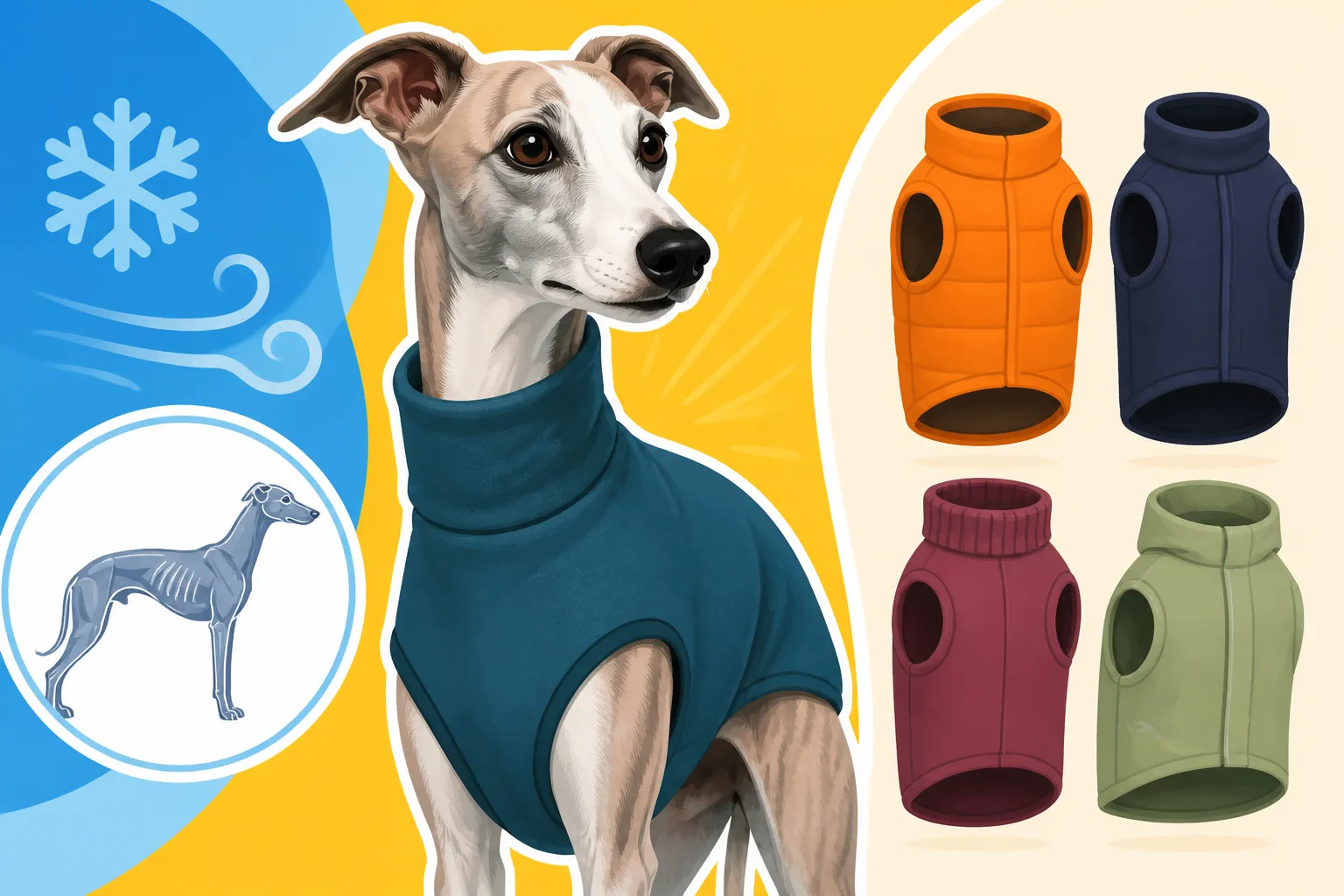
For those truly biting cold days, a robust winter coat is non-negotiable. Look for coats that offer ample coverage, extending from the neck all the way over the tail, and ideally covering a good portion of their belly. Materials like fleece lining, wool, or synthetic insulated fabrics are excellent choices for trapping body heat. Many owners find that coats with adjustable straps around the chest and waist ensure a snug fit, preventing drafts and allowing for layering underneath if necessary. Remember, the goal is to keep them toasty warm without overheating them during a quick run. Getting a coat that properly fits their unique shape is key; you'll want to explore options that address Which Coat Brand Fits a Whippet's Deep Chest.
For extreme temperatures, consider coats designed for sighthounds, which often feature a more tailored fit to accommodate their deep chests and narrow waists. Some even come with built-in snoods for ear protection. Investing in a high-quality winter coat is probably one of the most important purchases you'll make for your Whippet's comfort and health during colder months. Don't skimp on this essential piece, especially if you live in an area with harsh winters. Owners often wonder What a Winter Coat for a Whippet Costs, but consider it an investment in their health.
Raincoats and All-Weather Layers
Rain or drizzle can feel just as miserable to a Whippet as freezing temperatures, if not more so, because their fine fur offers no water repellency. A lightweight, waterproof raincoat is essential for keeping them dry during walks in inclement weather. Look for materials like nylon or polyurethane that are truly waterproof, not just water-resistant. Many raincoats are unlined, making them versatile for layering over a sweater on cooler, wet days, or wearing alone when it’s just damp and mild.
An all-weather softshell jacket can also be incredibly useful, offering a balance of water resistance, wind protection, and breathability. These are great for autumn days or spring showers. The key is to keep their skin and muscles dry, preventing that miserable, shivery feeling that can cut a walk short. A wet Whippet is a cold Whippet, and they absolutely detest getting soaked! If you've ever had a Whippet refuse to toilet in the rain, you know exactly what I mean.
Indoor Comfort: Sweaters, Pajamas, and Cozy Wear
It’s not just the outdoors where Whippets feel the chill. Even in a comfortable home, their lack of natural insulation can leave them seeking warmth, often burrowing deep under blankets or snuggling into the warmest lap available. This is where a good selection of indoor wear comes into play, providing that extra layer of comfort and warmth they crave.
Everyday Sweaters for Chilly Homes
For cooler indoor temperatures, or even just during an evening nap, a soft, breathable sweater can make all the difference. Think of it as their indoor blanket, always ready. Fleece, knit wool, or cotton blends are popular choices. Sweaters are great for transitional seasons when the heating might not be on full blast, or for homes that tend to be a bit drafty. They also provide a sense of security and coziness, which many Whippets appreciate.
When choosing sweaters, ensure they are comfortable and don't restrict movement. A good sweater should allow your Whippet to stretch, lounge, and zoom around the house without feeling constrained. Having a few different sweaters allows for rotation and washing, ensuring your Whippet always has a clean, warm option. You might be surprised at How Many Sweaters a Whippet Owner Ends Up With, but trust me, they all get used! Remember, the goal is to keep them cozy without making them overheat, especially if they're active indoors.
Pajamas for Deep Sleep and Extra Warmth
Whippets are champion sleepers, often spending a good chunk of their day snoozing. For their deepest slumber, especially during colder nights, pajamas are a fantastic addition to their wardrobe. Made typically from soft fleece or cotton, pajamas cover a larger portion of their body than a standard sweater, often including their legs, providing maximum warmth retention. This is particularly beneficial for older Whippets or those who tend to get chilly quickly.
Pajamas also prevent pressure sores on their bony joints by adding a soft layer between their skin and the bedding, especially if they shift positions frequently during the night. They can also provide a comforting "hug" that some anxious dogs find soothing. Many owners find that their Whippets sleep more soundly and comfortably when wearing pajamas, particularly if they are prone to burrowing under covers. It helps with Caring for an Old Whippet That Feels the Cold, ensuring their comfort as they age.
Specialty Gear: Snoods, Boots, and More
Sometimes, a standard coat or sweater just isn't enough to cover all the bases. Whippets have specific needs that call for specialized accessories, addressing vulnerabilities that might not be obvious to those unfamiliar with the breed. From protecting delicate ears to safeguarding sensitive paws, these items complete the comprehensive Whippet wardrobe.
Head and Ear Protection with Snoods
A Whippet's ears are thin, sparsely furred, and incredibly susceptible to cold, especially windburn or frostbite in extreme temperatures. A snood, which is essentially a tubular scarf for their head and ears, offers excellent protection. They come in various materials, from thin fleece for chilly days to thick wool for winter expeditions. Many Whippets quickly grow to tolerate, and even appreciate, the warmth and comfort a snood provides, especially when the wind is whipping around.
Snoods are also beneficial for keeping ears clean during meal times or preventing them from getting soaked in the rain. Some winter coats even integrate a snood into their design, providing seamless warmth from head to tail. For dogs prone to ear infections, keeping their ears warm and dry can be a preventative measure, though always consult your vet for any health concerns.
Paw Protection with Boots
While not every Whippet will tolerate boots, they can be an invaluable addition for certain situations. Their paw pads, while tough, can still be vulnerable to extreme temperatures, sharp objects, abrasive surfaces, or harsh chemicals like de-icing salts. In freezing snow or on scorching pavement, boots provide a crucial barrier. They can prevent frostbite, burns, and cuts, making walks safer and more comfortable.
Introducing boots early in a puppy's life can help them adjust, but even adult Whippets can learn to wear them with patience and positive reinforcement. Look for boots designed for dog comfort, with flexible soles and secure closures that won't slip off easily. While they might look a bit awkward at first, the protection they offer can prevent painful injuries and costly vet visits. If you're wondering if your Whippet really needs them, considering Whether a Whippet Needs Boots can help you decide based on your climate and activities.
Finding the Perfect Fit: Sizing and Material Matters
When it comes to outfitting your Whippet, one of the biggest challenges is finding clothing that actually fits their unique body shape. They aren't built like your average Labrador, and a generic dog coat just won't do. A poorly fitting garment can restrict movement, cause chafing, or fail to provide adequate warmth, defeating the entire purpose.
Addressing the Deep Chest and Tucked Waist
The Whippet's distinctive physique features a very deep chest that tapers dramatically to a small, tucked-up waist. This "inverted" pear shape makes off-the-rack clothing a nightmare for many owners. Coats that fit the chest are often baggy around the belly, allowing cold air to rush in, while those that fit the waist are too tight across the chest, restricting movement and breathing. This is why many sighthound-specific brands have emerged, designing patterns that accommodate this unique silhouette.
When shopping, look for coats with an athletic cut, often featuring a longer "drop" to cover the abdomen without excessive fabric, and adjustable closures that can be cinched at the waist without pulling across the chest. Measuring your Whippet accurately – chest girth, back length from neck to tail, and neck circumference – is critical. Don't just guess or go by weight; two Whippets of the same weight can have vastly different proportions. This is where brands like those available through Chewy often provide detailed sizing charts and customer reviews that specifically address breed-specific fits, which can be a lifesaver.
Choosing Fabrics for Comfort and Durability
The material of your Whippet's clothing is just as important as the fit. Given their thin skin, rough or irritating fabrics can cause chafing or discomfort. Soft, breathable materials are generally best for anything worn directly against their skin.
Here's a quick guide to popular materials:
| Material Type | Best For | Pros | Cons |
|---|---|---|---|
| Fleece | Sweaters, PJs, Linings | Soft, warm, lightweight, dries quickly | Can pill, not wind/waterproof |
| Wool/Blends | Winter Coats, Sweaters | Excellent warmth, breathable, durable | Can be itchy, higher cost, heavier |
| Cotton | Light Sweaters, PJs | Soft, breathable, inexpensive | Not very warm, absorbs moisture, shrinks |
| Nylon/Poly | Raincoats, Outer Shells | Waterproof, windproof, durable, easy care | Not breathable, can be noisy/stiff |
| Softshell | All-Weather Jackets | Windproof, water-resistant, breathable | Less warmth than insulated coats |
For outdoor gear, prioritize water resistance and wind blocking. For indoor wear, focus on softness, breathability, and ease of cleaning. Durability is also a consideration; Whippets can be surprisingly tough on their clothes during play, so reinforced stitching and robust zippers are a plus.
Budgeting for the Whippet Wardrobe
It's easy to get carried away with cute dog clothes, but for a Whippet, their wardrobe is a genuine necessity, not just a fashion statement. Understanding the costs involved and how to budget effectively will save you surprises down the road. It's not just the initial purchase; there are ongoing considerations too.
Initial Investment vs. Ongoing Costs
The initial outlay for a comprehensive Whippet wardrobe can seem substantial, especially if you're starting from scratch. You'll likely need:
- 1-2 Heavy Winter Coats: These are usually the most expensive items.
- 1-2 Raincoats/All-Weather Jackets: Essential for wet days.
- 3-5 Everyday Sweaters: For indoor chill and layering.
- 2-3 Pairs of Pajamas: For cozy nights.
- 1-2 Snoods: For ear protection.
- Optional Boots: If needed for your climate.
An initial investment could range quite a bit, depending on brands and quality. However, remember these are often durable items that will last for several seasons with proper care.
Ongoing costs will primarily involve replacing worn-out items, purchasing different sizes as a puppy grows, or adding specialty items as new needs arise. For example, if your Whippet develops arthritis later in life, you might invest in a heated bed or specific therapeutic clothing. Just like with any pet care, it's wise to set aside a small budget annually for wardrobe maintenance and upgrades. Consider What Fourteen Years With a Whippet Comes To and you'll realize these costs are part of a long-term commitment.
Where to Find Quality and Value
Finding quality Whippet clothing often means looking beyond generic pet stores. Here are a few avenues:
- Sighthound-Specific Retailers: Many online shops specialize in clothing designed specifically for Whippets, Greyhounds, and other sighthounds. These brands understand the unique body shape and material needs, offering custom or semi-custom fit options.
- Etsy and Handmade Crafters: You can find incredible craftsmanship and unique designs from independent sellers on platforms like Etsy. Many will offer custom measurements, ensuring a perfect fit.
- Online Pet Superstores: While their selection might be more general, sites like Chewy do carry a broader range of brands, including some that cater to specific breeds or offer adjustable designs. Reading reviews from other sighthound owners can be very helpful here.
- Local Pet Boutiques: Sometimes, smaller, independent pet stores will stock higher-quality, specialty brands that might fit a Whippet better than mass-market options.
When looking for value, don't just focus on the lowest price. A cheaper coat that doesn't fit well or falls apart after a season isn't a good value in the long run. Look for durable materials, good stitching, and positive reviews from other Whippet owners. Sometimes, a slightly higher upfront cost for a well-made item will save you money on replacements and vet bills down the line.
Care and Longevity: Making Your Whippet's Clothes Last
So, you've invested in a fantastic wardrobe for your Whippet. Now, how do you keep it in tip-top shape? Proper care and maintenance aren't just about hygiene; they're about extending the life of your garments, ensuring they continue to provide the warmth and protection your Whippet needs, and making your investment worthwhile.
Washing and Maintenance Tips
Most dog clothing, especially sweaters and pajamas, can be machine washed. Always check the care label first, as some specialty items (like waterproof outer layers or those with delicate embellishments) might require hand washing or specific detergents.
Here are some general tips:
- Use a gentle cycle: This helps preserve the fabric and stitching.
- Cold or warm water: Hot water can cause shrinking or damage delicate materials.
- Mild detergent: Avoid harsh chemicals or strong perfumes that could irritate your Whippet's sensitive skin.
- Air dry or low heat: High heat in a dryer can shrink fabric, damage waterproof coatings, or melt synthetic fibers. Air drying is often the safest bet.
- Close all fasteners: Before washing, make sure all Velcro, zippers, and buckles are closed to prevent snagging other items or damaging the garment itself.
- Remove excess fur: Give items a good shake or use a lint roller before washing to prevent fur from clogging your machine.
Regular washing is important, especially for items worn outdoors, to remove dirt, allergens, and odors. For outdoor coats, occasional spot cleaning can prolong the time between full washes.
Repairs and Replacements
Even the best-made clothing will eventually show signs of wear and tear, especially with an active Whippet. Don't be too quick to discard an item with a minor tear or a loose seam.
- DIY Repairs: Simple needle-and-thread repairs can often fix small holes, reattach a loose button, or reinforce a weak seam. Fabric glue can also be useful for quick fixes on non-structural tears.
- Professional Alterations: If a coat is almost perfect but needs a slight adjustment (e.g., the belly strap is a bit loose), a local tailor or seamstress might be able to help. This can be more cost-effective than buying a whole new item.
- Know When to Replace: There comes a point when an item is simply beyond repair or no longer provides adequate protection. A winter coat that's lost its insulation, a raincoat that's no longer waterproof, or a sweater that's become threadbare should be replaced. Trying to make do with compromised clothing could leave your Whippet cold or vulnerable. Regularly inspecting your Whippet's entire wardrobe for wear and tear will help you catch issues before they become problems.
Beyond Warmth: How Clothing Helps in Other Ways
While keeping your Whippet warm is the primary driver behind their extensive wardrobe, there are several other invaluable benefits that dog clothing provides. These often overlooked aspects contribute significantly to your Whippet's overall health, safety, and well-being.
Protecting Delicate Skin from Scrapes
We've talked about their thin skin, and it bears repeating: it's incredibly delicate. Whippets are prone to skin tears from seemingly innocuous encounters – a run through tall grass, a tumble during play, or even catching themselves on furniture. A well-fitting coat or sweater acts as a crucial barrier, offering an extra layer of protection against these everyday hazards.
Imagine your Whippet sprinting through a field or playing rough with another dog. Their skin, especially over their bony legs and hips, is highly exposed. A robust jacket or even a sturdy fleece can significantly reduce the risk of nicks, scratches, and deeper lacerations. This proactive approach can save you a stressful, expensive, and potentially painful trip to the vet for stitches. It directly helps in preventing issues like Whether a Whippet's Skin Tears From Running Through Brush or even Whether a Whippet Tears Its Skin on a Crate Door. Wearing protective clothing is a simple, effective way to mitigate these common Whippet injuries.
Calming and Comforting Anxious Whippets
Beyond physical protection, clothing can also offer psychological benefits. For some Whippets, the gentle, constant pressure of a snug-fitting garment can have a calming effect, similar to swaddling a baby or using a "thunder shirt." This can be particularly helpful for dogs prone to anxiety during thunderstorms, fireworks, car rides, or when left alone.
A well-fitting sweater or a set of pajamas can provide a sense of security and containment, which can reduce stress and promote relaxation. While not a cure-all for severe anxiety, it can be a valuable tool in your calming toolkit, alongside training and other behavioral interventions. Observing your Whippet's reaction to different types of clothing can help you determine if this is a benefit they experience. A happy, calm Whippet is a healthy Whippet, and sometimes, a cozy outfit is just what they need. And speaking of overall health, feeding a high-quality, balanced diet can also contribute to a dog's general well-being and resilience, whether you choose traditional kibble or explore fresh food options like Ollie. Good nutrition, combined with appropriate care like proper clothing, ensures they're thriving.
A Year-Round Wardrobe: Season by Season
Thinking about your Whippet's wardrobe isn't just a winter affair. Their needs change throughout the year, and having appropriate attire for each season ensures their comfort and safety regardless of the climate. It's about adapting to the elements, much like we do for ourselves.
Spring and Fall: Transitional Layers
Spring and fall are notorious for unpredictable weather. Warm sunny mornings can quickly turn into chilly, windy afternoons or unexpected rain showers. This is where layering becomes your best friend.
- Light Sweaters: Perfect for cool mornings or evenings when a full coat is too much.
- Thin Raincoats: Essential for unexpected downpours, often layered over a light sweater for added warmth if needed.
- Soft Shell Jackets: Great for windy days, offering protection without excessive bulk or warmth.
Having a few versatile, lighter pieces that can be easily added or removed is key during these transitional months. It allows you to adjust your Whippet's outfit on the fly, ensuring they stay comfortable whether they're enjoying a crisp autumn walk or a mild spring romp. It’s a delicate balance to strike, making sure your Whippet is warm enough but not overheating, especially after a good sprint. Owners must consider Keeping a Whippet Warm Without Overheating It during these variable times.
Summer: Sun Protection and Indoor Cool
While it might seem counterintuitive to dress a Whippet in summer, there are still situations where clothing is beneficial.
- UV Protective Clothing: Whippets with very sparse or light-colored coats, especially those with pink skin, are highly susceptible to sunburn. Lightweight, breathable UV-protective shirts or rash guards can shield their delicate skin from harmful sun rays, particularly during peak sun hours or extended outdoor activities. Their thinly furred bellies and ears are especially vulnerable.
- Cooling Vests (with caution): For very hot climates, some owners use cooling vests that are soaked in water to help lower body temperature. However, use these with extreme caution and always monitor your Whippet closely to ensure they don't become too cold or that the vest doesn't create a humid, warm environment next to their skin once it dries out. Often, plain shade and water are the best solutions for heat.
- Indoor Air Conditioning: Paradoxically, while outdoor summer heat is a concern, overly air-conditioned indoor spaces can still make a Whippet chilly. A light cotton sweater or a pair of thin pajamas might still be appreciated if your home tends to be on the colder side, especially at night. It comes down to individual preference, but it’s not uncommon for owners to consider Whether a Whippet Needs a Coat Indoors even when the weather outside is warm.
Conclusion: Investing in Your Whippet's Comfort and Well-being
Providing a thoughtful and functional wardrobe for your Whippet isn't just about indulgence; it's a fundamental part of responsible ownership. Their unique physiology demands it. From robust winter coats that brave the bitter cold to lightweight layers that prevent skin tears and sun exposure, each piece plays a vital role in their comfort, health, and happiness.
It's about understanding their needs, being proactive, and making sure that your beloved companion can enjoy every adventure, every nap, and every moment with you in complete comfort and safety. By investing in quality, well-fitting clothing, you're not just dressing your dog; you're safeguarding their well-being for years to come. Remember to check out the extensive selections at places like Healthy Paws for pet insurance options, as prevention is key, but sometimes those unexpected vet bills still arise, and having coverage can ease the burden.
Disclaimer
This article is for general informational purposes only and does not constitute professional advice. Laws, prices and regulations vary by location and change over time. Consult a qualified professional for guidance on your specific situation.