Whether a Whippet’s Long Bones Break More Easily
It’s a common worry for anyone bringing a lithe, slender Whippet into their home: "Are their bones just too delicate? Will they break easily with all that speed and playful exuberance?" This concern is completely understandable, given their finely-boned appearance. But let's get to the bottom of whether a Whippet's long bones are actually more prone to breaks than those of other breeds, and what you can do to keep your speedy companion safe and sound.
The Myth of Fragile Whippet Bones
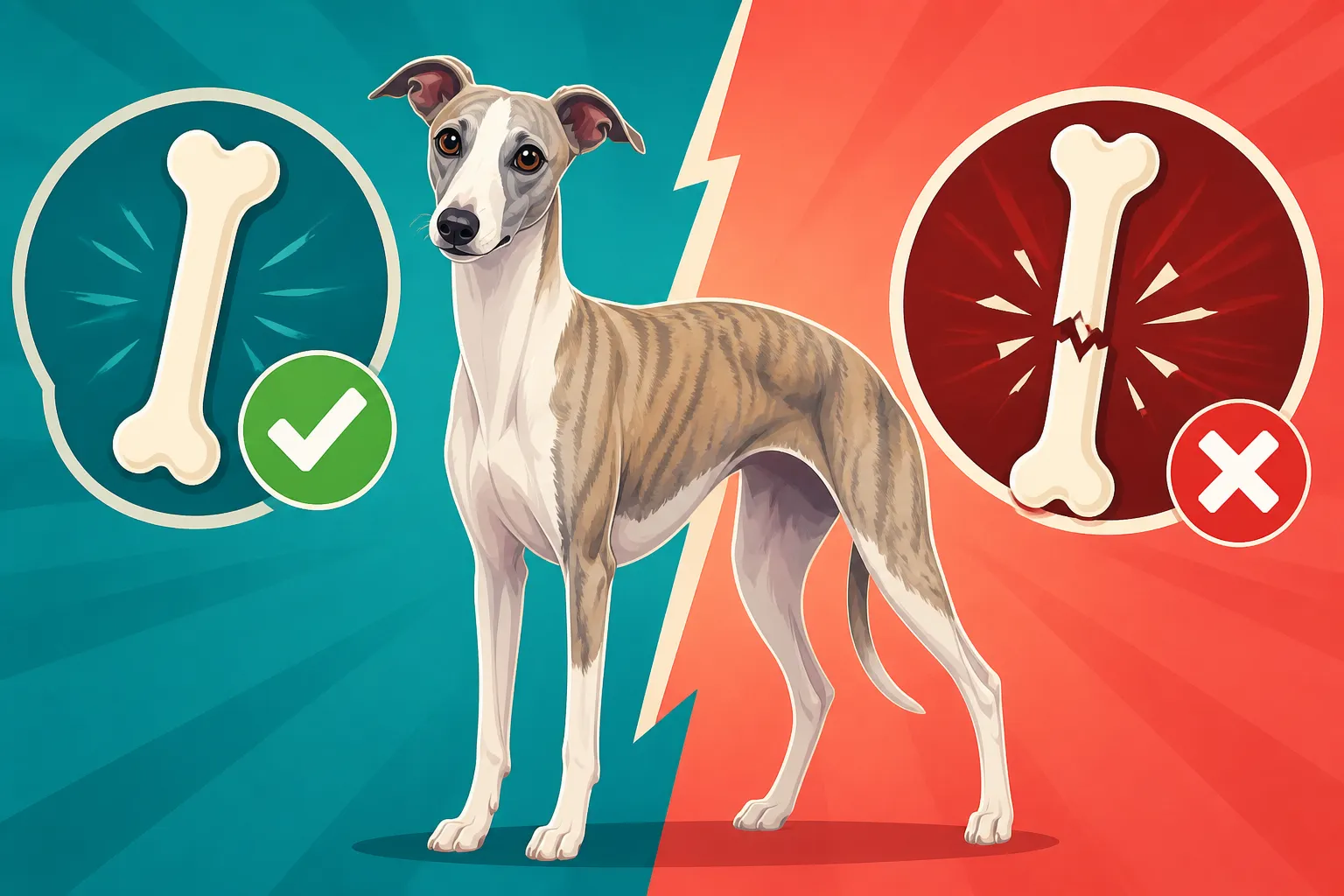
Let's cut right to the chase: despite their sleek, almost ethereal appearance, a Whippet's long bones are not inherently more fragile or prone to breaking than those of other active breeds. This is a persistent misconception that often arises from their visibly lean physique and fine bone structure. When you see their ribs, feel their prominent hip bones, and marvel at their deep chest and tucked-up waist, it’s easy to assume fragility. But assumptions can be misleading when it comes to the engineering of a sighthound.
Built for Speed, Not Frailty
Whippets are athletes, pure and simple. They were bred for speed and agility, and their bone structure is a testament to this purpose. Their bones are dense and strong, designed to withstand the incredible forces generated during their characteristic bursts of speed, quick turns, and sudden stops. Think of them less like delicate porcelain and more like high-performance carbon fiber – lightweight yet incredibly resilient where it counts. Their lean muscle mass and efficient build mean they don't carry excess weight, which further reduces stress on their skeletal system. A racing Whippet might look like it could snap in half if it runs into something, but in reality, their bodies are incredibly well-adapted for their athletic lifestyle.
Dispelling Common Misconceptions
The idea that Whippets have unusually fragile bones often comes from comparing them visually to more heavily boned breeds, or from anecdotes about sighthounds in general being "delicate." However, scientific evidence does not support a breed-specific predisposition to long bone fractures in Whippets under normal circumstances. Of course, any dog can break a bone under sufficient trauma—a fall from a height, a collision with a moving vehicle, or a serious impact with a solid object. These aren't unique to Whippets; they're risks for any dog. The thin skin that sends a Whippet to the vet for stitches, for example, is a much more common concern than a broken femur. While skin tears happen relatively frequently due to their lack of padding, their underlying bones are generally robust.
What Actually Causes Bone and Joint Injuries in Whippets
While long bone fractures are not particularly common, Whippets are certainly not immune to injury. Their active, high-energy lifestyle, combined with some breed-specific characteristics, can predispose them to other types of orthopedic issues. It's important for owners to understand these realities so they can focus their prevention efforts effectively.
High-Impact Activities and Mishaps
Whippets love to run, jump, and play with boundless enthusiasm. While this is wonderful to witness, these high-energy activities can sometimes lead to accidents. A hard collision with another dog at full speed, a misstep while chasing a squirrel, or an awkward landing from a jump could potentially cause various injuries. These might include:
- Toe Fractures: These are perhaps the most common type of actual bone fracture seen in Whippets. Their long, slender toes are vital for gripping and propulsion during a sprint, but they can be vulnerable. A sudden twist, snagging a nail, or an impact while running can lead to a broken toe. This is often more painful and debilitating than it sounds!
- Muscle Pulls and Strains: Far more common than bone breaks are muscle pulls in a Whippet, sprains, or soft tissue injuries. Their powerful musculature is prone to strains, especially when pushing off at high speeds or making sharp turns. This can manifest as lameness or a reluctance to put weight on a limb.
- Ligament or Tendon Injuries: While not a bone break, these are serious orthopedic issues. A sudden pivot or awkward landing could lead to a tear in a cruciate ligament (much like an ACL tear in humans) or other connective tissue. While perhaps not as frequent as in some breeds known for these issues, it's a possibility for any active dog.
Environmental Hazards and Accidents
The environment your Whippet lives and plays in plays a huge role in their risk of injury. A well-fenced yard free of debris is paramount, not just to prevent them from running off, but to prevent accidents.
- Running Surfaces: While they love to zoom, running on hard, uneven, or slippery surfaces can increase the risk of slips, falls, and subsequent injuries. A beautiful grassy field is ideal, but watch out for hidden holes or obstacles.
- Collisions: Whether it's running into furniture indoors, a tree outdoors, or colliding with another dog during play, high-speed impacts are a risk factor for any dog, including Whippets.
- Falls: Puppies especially can be clumsy, and a fall from a height (like off a sofa or bed) could cause a fracture in an immature bone. It's important to protect young Whippets and restrict their jumping until their growth plates have closed. The age a Whippet stops growing is typically between 12-18 months, but some can continue to fill out until two years old.
Nurturing Strong Bones and Preventing Injury
While Whippets aren't inherently fragile, smart ownership means taking proactive steps to support their bone health and minimize injury risks. This isn't just about avoiding catastrophic breaks, but about promoting a long, healthy, and comfortable life for your agile companion.
Balanced Nutrition for Skeletal Health
A cornerstone of strong bones is proper nutrition. Your Whippet needs a high-quality, balanced diet appropriate for their life stage and activity level.
- High-Quality Dog Food: Choose a reputable brand of dog food that provides adequate protein for muscle development, and the right balance of calcium and phosphorus for bone density. Avoid feeding excessive calcium to puppies, as this can paradoxically lead to orthopedic problems. For a growing Whippet, slow and steady growth is key to developing strong bones. You want to make sure you are feeding a Whippet that sprints and then sleeps an appropriate diet.
- Supplements (When Necessary): Most healthy Whippets on a good diet won't need specific bone supplements. However, if your vet identifies a deficiency or suggests it for an aging dog, supplements like glucosamine and chondroitin can support joint health. Consult your veterinarian before adding any supplements. We covered whether a Whippet needs joint supplements in a previous post, if you're curious about the specifics.
- Maintaining Ideal Weight: A lean Whippet is a healthy Whippet. Excess weight puts undue stress on bones and joints, increasing the risk of injury and contributing to conditions like arthritis over time. You should always be able to feel your Whippet's ribs easily, but not see them sharply protruding.
Safe Exercise and Environmental Management
Exercise is essential for a Whippet's physical and mental well-being, but it needs to be managed carefully to prevent injuries.
- Controlled Exercise: While they adore sprinting, ensure these bursts of speed occur in safe, securely fenced areas, away from traffic and sharp objects. A long line can be a great tool for safe running in open spaces if you’re concerned about their recall.
- Appropriate Playmates: Be mindful of who your Whippet plays with. While many Whippets enjoy romping with larger dogs, a significant size or play style mismatch can lead to accidental injuries. Rough play or being jumped on by a much heavier dog could cause issues.
- Soft Landing Spots: Indoors, provide plenty of soft bedding. Whippets have very little natural padding, and prolonged lying on hard surfaces can lead to pressure sores, especially on their elbows and hocks. Comfortable beds, rugs, and soft throws are a must.
- Puppy-Proofing and Controlled Jumping: For puppies, avoid excessive jumping or stair climbing while their growth plates are still open. Raising a Whippet puppy without wrecking its joints means being mindful of high-impact activities during this critical developmental phase. Keep your floors clear of clutter that could trip them up, and consider ramps or steps for access to furniture if your Whippet is prone to jumping off.
Regular Veterinary Care
Routine vet visits are crucial for monitoring overall health, including bone and joint health.
- Wellness Exams: Your veterinarian can assess your Whippet's gait, range of motion, and overall physical condition. They can catch subtle signs of discomfort or developing issues before they become serious.
- Early Detection: If your Whippet does suffer an injury, prompt veterinary attention is key. Early diagnosis and treatment, whether for a muscle strain or a toe fracture, can prevent minor issues from escalating. If you’re ever worried, it’s always better to get your vet to take a look. What a sighthound vet costs over a Whippet's life is an investment in their long-term health.
- Pet Insurance: Unexpected injuries can be expensive. Having pet insurance, like a plan from Healthy Paws, can provide peace of mind and help cover the costs of diagnostics, surgeries, and rehabilitation should a significant injury occur. Healthy Paws is known for its comprehensive coverage that can be a real lifeline.
When to Worry: Recognizing and Responding to Potential Bone Injuries
Even with the best preventative measures, accidents can happen. Knowing what to look for and how to react if you suspect a bone injury in your Whippet is vital. Early intervention can make a significant difference in recovery.
Signs of a Potential Bone Injury
Whippets, like many dogs, can be stoic, but a bone injury will usually cause clear signs of pain and lameness.
- Sudden Lameness: If your Whippet suddenly cannot put weight on a leg, is hopping, or is holding a limb up, this is a red flag.
- Swelling or Deformity: Look for any abnormal swelling, bruising, or an unnatural angle to a limb. A bone fracture can sometimes cause visible changes to the leg's contour.
- Pain Response: If your Whippet cries out when you touch a specific area, or shies away from being handled, it's a strong indicator of pain.
- Reluctance to Move: They might refuse to run, jump, or even get up and walk. A dog known for its boundless energy suddenly becoming sedentary is cause for concern.
- Licking or Chewing the Area: Constant attention to a specific limb or joint, including licking, nibbling, or chewing, can signal pain or discomfort.
What to Do If You Suspect an Injury
If you believe your Whippet may have a bone injury, acting calmly and quickly is important.
- Restrict Movement: Immediately try to limit your Whippet's movement. If possible, gently guide them to a small, quiet area where they can't jump or run. A crate can be useful here if your dog is crate-trained and will enter it without struggle.
- Avoid Manipulation: Do not try to straighten the limb, apply pressure, or manipulate the injured area yourself. You could cause further damage or increase their pain.
- Contact Your Veterinarian: Call your vet or an emergency veterinary clinic right away. Describe what happened and the symptoms you are seeing. They will advise you on the best course of action and whether you need to come in immediately.
- Safe Transport: If you need to transport your Whippet, do so carefully. If it's a limb injury, try to keep the limb as still as possible. You may need assistance to gently lift and carry them into the car. A sturdy blanket or towel can be used as a makeshift stretcher if they are a larger Whippet.
- First Aid Kit: Having a well-stocked first aid kit for your Whippet is invaluable for minor scrapes and cuts, but for suspected bone breaks, your primary goal is to get to the vet. What belongs in a Whippet owner's first aid kit is a great topic to review for general preparedness.
Table: Common Whippet Concerns vs. Actual Injury Risk
Here’s a quick overview to help differentiate between common perceptions and actual risks regarding Whippet injuries:
| Concern/Perception | Reality for Whippet Bones & Joints | Common Injury Type | Typical Cause |
|---|---|---|---|
| "Whippets are so delicate, their long bones must break easily." | Whippet long bones are dense and strong, built for athletic performance. Not inherently fragile. | Rare (unless severe trauma) | High-force impact (e.g., car accident, very high fall) |
| "They run so fast, they'll surely snap a leg." | Their musculoskeletal system is adapted for speed. More prone to soft tissue injuries or specific small bone fractures. | Muscle pulls, strains, toe fractures | Sudden pivots, overextension, rough play, snagging a nail or toe. |
| "Their thin skin means they get hurt easily." | True, thin skin is prone to tears and lacerations, but this is a skin issue, not a bone issue. | Skin tears, lacerations | Running through brush, catching on sharp objects, rough housing with other dogs. |
| "They need to be bubble-wrapped." | While caution is good, they thrive with appropriate exercise and a safe environment. Over-protection isn't healthy. | Stress fractures (rare) | Extremely repetitive, high-impact exercise without proper rest, or underlying bone weakness (very uncommon). |
In conclusion, while your Whippet's elegant, finely-boned physique might make you worry about fragility, rest assured that their long bones are remarkably strong and well-suited for their active lifestyle. The more common concerns for a Whippet owner revolve around skin tears, muscle strains, and those pesky toe injuries, rather than easily shattered femurs. By providing excellent nutrition, a safe environment, appropriate exercise, and attentive veterinary care, you can help ensure your Whippet enjoys a long, healthy life, zipping around with all the speed and grace they were born with.
Disclaimer
This article is for general informational purposes only and does not constitute professional advice. Laws, prices and regulations vary by location and change over time. Consult a qualified professional for guidance on your specific situation.