Whether a Whippet Loses Teeth Young
It’s a heart-sinking moment for any Whippet owner: you glance into your beloved dog’s mouth, maybe after they give you a sloppy kiss, and you notice something isn't quite right with their teeth. Perhaps there’s more yellow buildup than you remember, or a tooth looks wobbly, and suddenly you’re wondering, "Is my Whippet losing teeth too young?" This isn't just a cosmetic concern; dental health is intimately linked to their overall well-being, and it’s a very real worry for many of us. This comprehensive guide will delve into why Whippets can seem prone to dental issues, what's truly going on when teeth are lost, and how you can be proactive in keeping their pearly whites healthy for as long as possible.
Understanding Whippet Dental Health: More Than Just a Pretty Smile
Whippets, with their elegant lines and athletic build, often surprise new owners with the specific care needs that come with their unique physiology. Their dental structure is one area where understanding their breed-specific traits can make a huge difference in preventative care. It's not just about looking good for the show ring; it's about comfort, nutrition, and preventing systemic health problems down the line.
The Unique Anatomy of a Whippet's Mouth
One of the first things you might notice about a Whippet's mouth, especially compared to more broad-faced breeds, is its long, narrow, and often delicate structure. This distinctive sighthound characteristic contributes significantly to their speed and efficiency in catching prey, but it also creates some challenges for dental health.
Imagine fitting 42 adult teeth into that sleek jawline. While this is the standard number for most adult dogs, the Whippet's narrow jaw can sometimes lead to teeth being positioned closer together than ideal. This crowding creates nooks and crannies where food particles and bacteria can easily get trapped. When teeth are packed tightly, it’s much harder for their natural chewing action, or even your diligent brushing, to reach all surfaces and dislodge buildup. This lack of natural cleaning action in tight spaces directly contributes to plaque and tartar accumulation. Moreover, some Whippets might have slightly softer enamel, a less common but sometimes observed trait, which can make their teeth more susceptible to wear and tear or the initial stages of decay. This is why paying attention to whether a Whippet's narrow jaw crowds its teeth is so important from an early age.
Why Whippets Are Prone to Dental Issues
It’s not just their jaw structure that makes Whippets a little more susceptible to dental woes. Several factors converge to make them prone to developing issues like plaque, tartar, and eventually, periodontal disease, often at what feels like a younger age than many other breeds.
Firstly, their natural inclination towards a soft diet can be a subtle culprit. While many Whippets enjoy a good crunch, some can be a bit picky or have sensitive stomachs, leading owners to opt for softer foods or kibble with smaller, less abrasive pieces. Unlike larger, harder kibble that provides some mechanical cleaning as the dog chews, softer foods tend to stick to the teeth more readily, creating a fertile ground for bacterial growth. This quickly leads to the formation of plaque, a sticky film that hardens into tartar if not removed. You might notice that a Whippet's tartar builds faster than other breeds, and this is a common observation. Once tartar forms, it provides an even rougher surface for more bacteria to adhere to, accelerating the process of gum inflammation and disease.
Secondly, genetics play a role. While Whippets don't have a single "bad teeth" gene, the genetic predisposition for jaw shape and even the composition of their saliva can influence how quickly plaque forms and how resilient their gums are. Furthermore, many Whippets aren't power chewers in the same way a Labrador or a Mastiff might be. While they enjoy a good chew, they might not spend hours grinding on hard toys or bones that could naturally scrape away some plaque. This combination of factors means that without diligent human intervention, dental problems can start subtly and progress rapidly, often going unnoticed until they’re quite advanced.
Debunking the "Losing Teeth Young" Myth vs. Reality
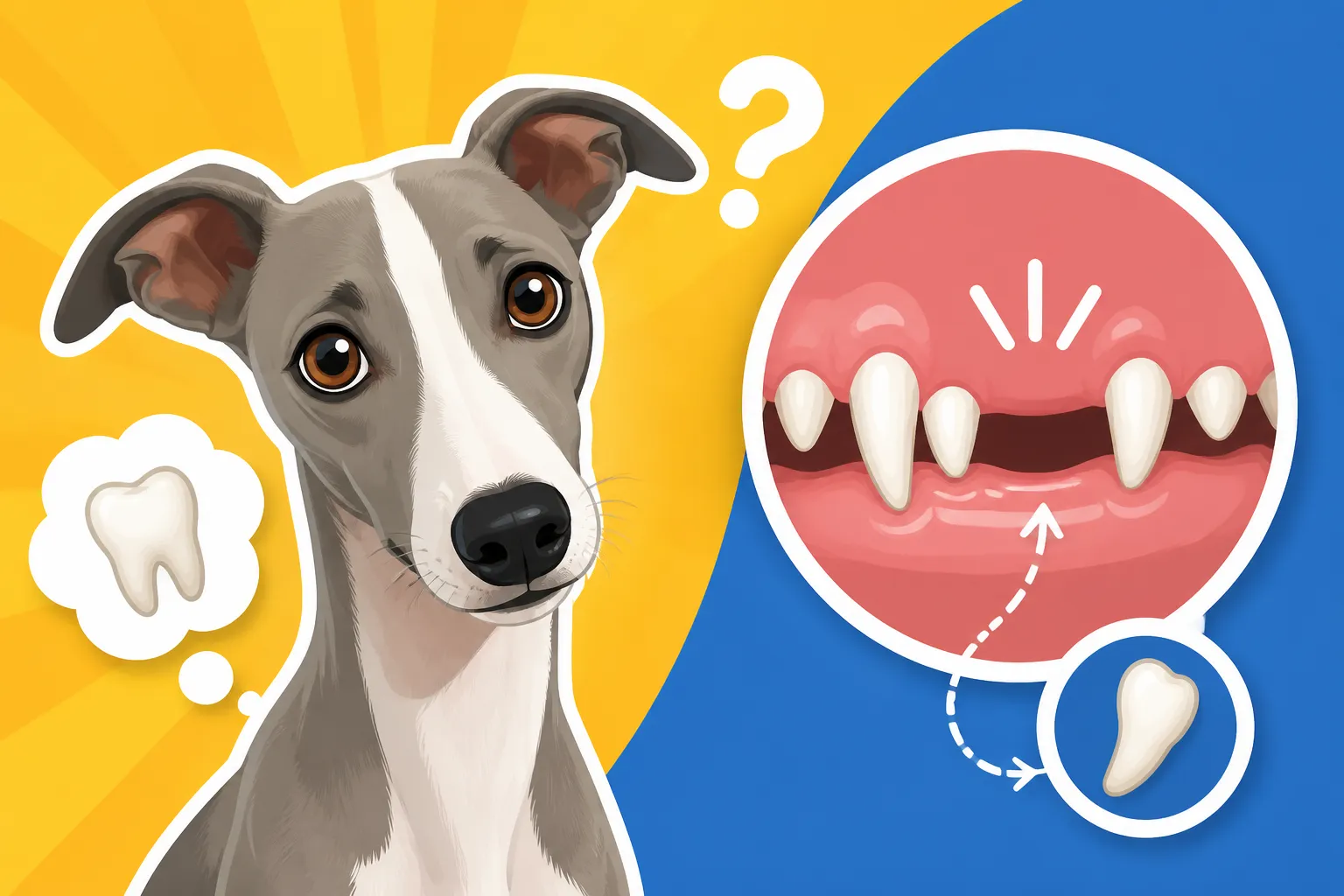
When you see a Whippet with a missing tooth at what seems like an early age, it’s easy to jump to the conclusion that their teeth are inherently weak or fall out quickly. While the visible outcome might be premature tooth loss, the underlying cause is rarely weakness in the tooth itself. It’s almost always a consequence of progressive dental disease that has been silently at work.
The Reality of Early Dental Disease, Not Early Tooth Loss
Let’s be clear: Whippets don't typically lose healthy, structurally sound adult teeth at a young age out of the blue. What they do often experience, unfortunately, is the early onset and rapid progression of periodontal disease, which then leads to teeth becoming loose and eventually falling out or requiring extraction. This isn't a "myth" in the sense that teeth aren't being lost, but it's crucial to understand the mechanism behind it.
The process usually starts with gingivitis, an inflammation of the gums caused by bacteria in plaque. If this isn't addressed, it progresses to periodontitis, a more severe infection that affects the supporting structures of the tooth – the bone and ligaments that hold it in place. The bacteria, along with the body’s inflammatory response, start to destroy these critical tissues. As the bone recedes and the ligaments degrade, the tooth loses its anchor. It becomes wobbly, painful, and eventually, it can no longer be saved. So, while you might observe a tooth falling out "young," it's typically a healthy tooth succumbing to an unhealthy environment, rather than a fundamentally weak tooth. The key here is prevention and early intervention to halt this destructive process. Understanding the Age a Whippet Starts Losing Teeth is really about understanding when periodontal disease often starts to take hold.
Factors That Accelerate Dental Problems
Several lifestyle and genetic factors can significantly speed up the progression of dental disease in Whippets, making it seem like their teeth are falling out prematurely. Recognizing these can empower you to take preventative measures.
Firstly, diet plays a monumental role. As mentioned, softer foods can adhere to teeth, accelerating plaque formation. While not all soft foods are bad, a diet lacking in any form of mechanical cleaning (like dental kibble or appropriate chew toys) will leave your Whippet vulnerable. On the flip side, some hard chews or bones can be too hard and risk fracturing teeth, which is another painful route to tooth loss. It's about finding the right balance.
Secondly, lack of regular home care is perhaps the biggest accelerator. If you're not brushing your Whippet's teeth regularly, plaque has free rein to form and harden into tartar. Think of it like our own teeth – if we never brushed, we'd have serious problems quickly! Many owners find that How Often a Whippet's Teeth Need Brushing feels like a constant battle, but it's one worth fighting. Even a few times a week can make a significant difference in slowing tartar buildup.
Thirdly, infrequent veterinary dental care allows problems to escalate. Annual or bi-annual check-ups with your vet are essential for catching dental issues early, and professional cleanings under anesthesia are often necessary to remove tartar below the gumline, where brushing can't reach. If these are skipped, minor gingivitis can morph into severe periodontitis without you even realizing it until your Whippet is in pain or a tooth is lost. The associated costs of What a Whippet's Dental Cleaning Costs can be a hurdle for some, but it's an investment in their long-term health.
Finally, genetics can contribute. Some lines of Whippets may have a genetic predisposition to faster tartar buildup, weaker gum tissue, or specific tooth alignment issues that exacerbate problems. While you can't change genetics, knowing your dog's lineage and discussing any known dental history with your breeder or vet can help you be even more proactive.
Proactive Dental Care: Your Best Defense Against Early Tooth Loss
The good news is that much of the premature tooth loss we see in Whippets is preventable with consistent, proactive dental care. It's an ongoing commitment, but one that pays dividends in your Whippet's comfort, health, and longevity.
Daily Oral Hygiene: Brushing and Beyond
Just like with humans, daily (or at least very frequent) brushing is the gold standard for preventing plaque buildup in dogs. It's the single most effective thing you can do at home. Don't worry if your Whippet isn't thrilled about it at first; patience and positive reinforcement are key.
To start, get a soft-bristled toothbrush designed for dogs, or even a finger brush. Crucially, use a dog-specific toothpaste! Human toothpaste contains ingredients like fluoride and xylitol that are toxic to dogs. Pet toothpastes come in appealing flavors like chicken or beef, which can make the experience more pleasant for your Whippet. Begin slowly, letting them lick the toothpaste off your finger, then introduce the brush for short periods, focusing on the outside surfaces of their teeth, especially the canines and molars where plaque tends to accumulate most. Over time, you can gradually increase the duration and coverage. Even if you only manage a minute or two, it’s better than nothing. Many Whippet owners find that integrating this into a routine, perhaps right before bedtime, makes it less of a chore.
Beyond brushing, consider other dental aids. Dental wipes can be a good interim solution or for those hard-to-reach areas. Water additives formulated to reduce plaque bacteria can also offer some benefit, though they are usually not a substitute for brushing. Dental sprays, gels, and chews are also on the market, each with varying degrees of effectiveness. For example, Whether Dental Chews Are Enough for a Whippet depends heavily on the specific chew and your dog's chewing habits, but they can be a helpful supplement.
Professional Cleanings and Veterinary Oversight
While at-home care is critical, it rarely eliminates the need for professional veterinary dental cleanings. These cleanings, performed under anesthesia, allow your veterinarian to thoroughly examine every tooth, scale away hardened tartar both above and below the gumline, and polish the tooth surfaces. This subgingival cleaning is vital, as much of the destructive periodontal disease occurs below the gumline, out of sight.
The frequency of professional cleanings varies. Some Whippets might need them every year or two, while others, particularly those with excellent home care and genetics, might go longer. Your vet will assess your Whippet's individual needs during their annual check-up. It's during these examinations that they can identify early signs of gum disease or other issues. Given the Whippet's unique physiology, it's also important to discuss the anesthesia protocol with your vet. Sighthounds, including Whippets, require a specific approach to anesthesia due to their lean body mass and sometimes different metabolic rates for certain drugs. It's wise to ensure your vet is familiar with Why a Whippet Needs a Sighthound Anesthesia Protocol to minimize risks. Comprehensive pre-anesthetic bloodwork is always recommended to ensure your Whippet is a good candidate for the procedure. Many pet insurance providers, like Healthy Paws, recognize the importance of preventative care and often cover a portion of unexpected dental procedures or even routine cleanings, depending on the policy, which can be a huge relief for owners.
Nutritional Support and Chew Options for Dental Health
What your Whippet eats and chews on can also contribute significantly to their dental health. It's not just about cleaning; it's about strengthening their teeth and gums naturally.
When it comes to diet, some kibbles are specifically formulated as "dental diets." These often have a larger kibble size or a unique texture that encourages more chewing and provides a mild abrasive action to scrape away plaque. Look for products with the Veterinary Oral Health Council (VOHC) seal, which indicates that the food meets certain standards for plaque and/or tartar control. While these diets aren't a magic bullet, they can certainly help.
Beyond specialized foods, providing appropriate chew toys is invaluable. Not all chews are created equal, however. Avoid anything that is too hard, like real bones (which can fracture teeth), antlers, or very hard nylon toys, especially for a breed like the Whippet with a more delicate jaw. Instead, opt for softer rubber toys, dental-specific chews that are designed to be pliable yet effective, or rope toys (supervised, to prevent ingestion of strands). The act of chewing not only helps remove plaque but also strengthens jaw muscles and stimulates gum tissue, improving circulation and overall gum health. For those considering raw feeding, some advocates believe raw bones can clean teeth, but this comes with significant risks of fractures or internal blockages and should only be pursued with extreme caution and veterinary guidance.
Recognizing the Signs of Dental Trouble in Your Whippet
As dedicated Whippet parents, we want to catch any health issues early. Dental problems are no exception, but they can be subtle at first. Knowing what to look for can prevent significant pain and tooth loss down the line.
Subtle Clues and Obvious Red Flags
Sometimes, dental disease creeps up without obvious fanfare, but there are almost always subtle signs if you know where to look. One of the earliest and most common indicators is bad breath, or halitosis. It's easy to dismiss "dog breath" as normal, but a truly foul odor often signals a bacterial infection in the mouth. If you notice your Whippet's bad breath means dental disease, it's time for a closer look.
Other subtle clues include red or swollen gums, especially along the gumline. Healthy gums are pale pink; inflamed gums look puffy and may bleed easily if touched. You might also notice yellowish-brown tartar buildup on the teeth, starting at the gumline. As the disease progresses, your Whippet might show a reluctance to chew on hard toys or even eat dry kibble. They might start favoring one side of their mouth or drop food more frequently. Some dogs will also paw at their mouth or rub their face against furniture or the floor.
More obvious red flags indicate advanced disease and often significant pain. These include loose or missing teeth, visible pus around the gumline, excessive drooling, blood in their saliva or on their chew toys, significant facial swelling, or a noticeable change in appetite or weight loss due to discomfort. If you observe any of these, it's an emergency.
When to Seek Veterinary Intervention
The moment you notice any of the subtle clues mentioned above, it's time to schedule a vet visit. Early detection and intervention are paramount in preventing the progression of periodontal disease and saving teeth. Don't wait until your Whippet is in obvious pain or a tooth falls out. By that point, the disease is likely advanced, and treatment will be more extensive, costly, and potentially involve extractions.
Your veterinarian can conduct a thorough oral examination, often combined with dental X-rays, which are crucial for assessing the health of the tooth roots and the bone structure below the gumline – areas not visible to the naked eye. They can then recommend a treatment plan, which will likely involve a professional dental cleaning under anesthesia. Remember, even if your Whippet seems fine, an annual vet check-up should always include an oral exam. A proactive approach, including regular cleanings and diligent home care, is the best strategy to keep your Whippet’s teeth healthy throughout their life, ensuring they can enjoy their meals and stay comfortable well into their senior years. This foresight is part of Caring for a Whippet Past Ten and ensuring their overall quality of life.
Here’s a quick comparison of common dental care approaches:
| Dental Care Approach | Description | Impact on Tooth Retention | Frequency Recommended | Potential Costs (Estimate) |
|---|---|---|---|---|
| Daily Tooth Brushing | Manual removal of plaque from tooth surfaces. | Highly effective in preventing plaque & tartar buildup, significantly reduces disease progression. | Daily is ideal, 3-4 times/week minimum | Low (toothbrush, dog toothpaste – $15-$30 initial, then small ongoing) |
| Dental Chews/Treats | Specially designed chews with abrasive action or plaque-reducing ingredients. | Supplements brushing, can help reduce plaque, but rarely sufficient alone. | Daily to several times/week | Moderate ($10-$40/month depending on brand/type) |
| Water Additives/Gels | Products added to water or applied to gums to reduce bacteria. | Mild to moderate plaque inhibition, best as an adjunct to brushing. | Daily | Moderate ($15-$30/month) |
| Professional Dental Cleaning | Vet-performed scaling, polishing, and oral exam under anesthesia. | Essential for removing subgingival tartar, treating existing disease, and preventing tooth loss. | Every 1-3 years (based on vet recommendation) | High ($500-$1500+ depending on location, vet, and complexity; Healthy Paws often helps cover this, but check your specific policy). These costs contribute significantly to What a Sighthound Vet Costs Over a Whippet's Life. |
| Fractured Tooth Repair/Extraction | Surgical removal or repair of damaged teeth. | Saves remaining healthy teeth, eliminates pain, but involves permanent tooth loss. | As needed | Very High ($300-$1000+ per tooth, can be much higher for complex cases or multiple extractions). This is part of the overall financial picture of What Fourteen Years With a Whippet Comes To. |
Disclaimer
The information provided in this article is for general informational purposes only and is not a substitute for professional veterinary advice. Always consult with a qualified veterinarian regarding your Whippet's health, dental care, and any medical conditions or concerns.