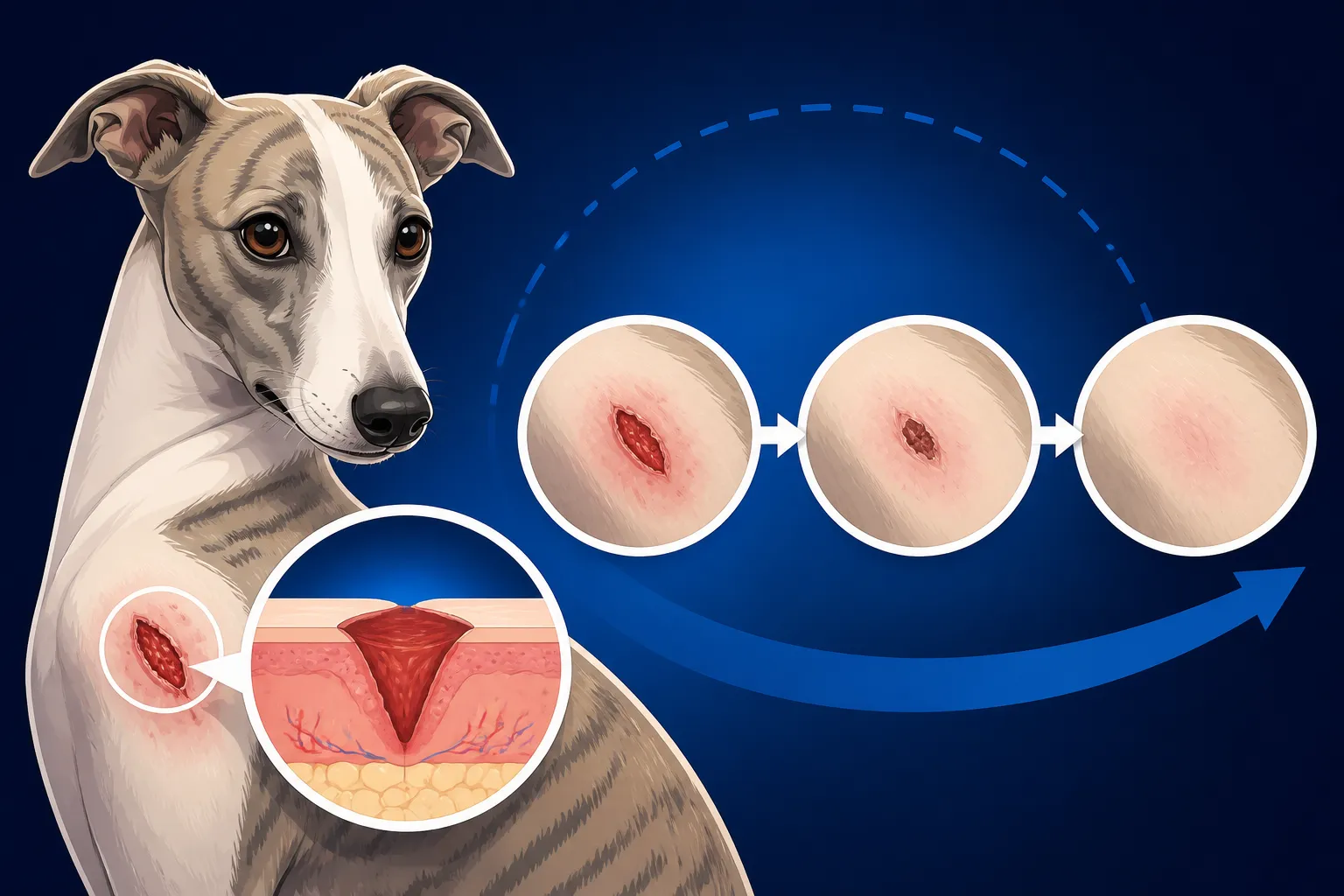
How Slowly a Whippet’s Skin Heals
One of the most disheartening things a Whippet owner can face is seeing their beloved, delicate dog suffer a skin injury. Whether it’s a tiny scrape from a spirited zoomie in the yard or a more significant tear from an unfortunate encounter with furniture, the frustration isn't just the injury itself, but the agonizingly slow pace at which these wounds sometimes heal. This guide is dedicated to shedding light on why a Whippet's skin often heals slowly, what factors can influence this process, and how you can best support your furry friend's recovery.
The Delicate Nature of Whippet Skin
It’s no secret that Whippets are built for speed, not for rough-and-tumble durability. Their sleek, athletic form comes with a trade-off: incredibly thin, vulnerable skin that tears with surprising ease. Understanding the unique physiological makeup of a Whippet’s skin is the first step to truly grasping why healing can be such a protracted affair.
Thinness and Lack of Subcutaneous Fat
Unlike many other breeds, Whippets possess very little subcutaneous fat. This isn't just about their lean appearance; it's a fundamental difference in their anatomy. Subcutaneous fat acts as a protective cushion, absorbing impact and providing insulation. For a Whippet, this layer is practically non-existent. Their skin lies very close to muscle and bone, making it susceptible to injury even from minor trauma. Imagine a sheet of tissue paper covering a frame – that’s pretty close to what you're dealing with. When a tear occurs, there's no fatty layer to hold the edges together or protect underlying tissues, which can complicate the initial repair and subsequent healing. This inherent fragility is why you might find yourself dealing with situations that send a Whippet to the vet for stitches more often than you'd expect with other dogs.
Blood Supply and Healing Mechanisms
While Whippets are incredibly vascular animals, meaning they have a rich blood supply crucial for their athletic prowess, the immediate area around a skin tear might not always benefit optimally. The skin itself, being so fine, can sometimes struggle with consistent blood flow directly to the wound edges, especially if the tear is extensive or has compromised smaller capillaries. Proper blood supply is absolutely vital for delivering oxygen and nutrients to the site of injury and for removing waste products, all of which are critical components of efficient healing.
The body's natural healing mechanisms kick into gear immediately, but with Whippets, these processes can be challenged by the very nature of their skin. Collagen production, cell regeneration, and scar tissue formation all rely on a robust, healthy environment. When the foundational skin layer is already compromised by its thinness, these processes, while active, might proceed at a visibly slower rate compared to a dog with thicker skin and more padding.
Common Skin Injuries in Whippets
Whippets are graceful, but also prone to sudden bursts of energy and sometimes, sheer clumsie. Their common skin injuries are often a direct result of their athleticism and delicate build. We're talking about everything from minor scrapes to significant lacerations. A Whippet running full tilt through a seemingly innocuous bush might emerge with a deep gash from a hidden branch. Or perhaps they've snagged themselves on a piece of furniture during an excited dash through the house.
Another common scenario involves everyday objects like crate doors or even other dogs during play. Because their skin is so thin and lacks resilience, what might be a minor bump for a Golden Retriever could result in a full-blown skin tear for a Whippet. This vulnerability means that knowing Where a Whippet Tears Its Skin Most can help you take preventative measures, but accidents still happen. It’s a recurring frustration for many owners, who try their best to "Whippet-proof" their homes, only to discover a new, ingenious way their dog has managed to injure themselves.
Factors Influencing Slow Healing
Even when a tear is cleaned and treated promptly, several factors can conspire to prolong the healing process in a Whippet. It’s not just the initial injury; it’s everything that happens afterward that dictates the timeline.
Location and Depth of the Wound
The healing rate is heavily dependent on where the injury occurs and how deep it is. Wounds on areas with less tension, like the flank or back, tend to heal more readily. However, many Whippet skin tears happen on their legs, chest, or other areas that experience a lot of movement and stretching. Skin on the joints, for instance, is under constant tension. Every time your Whippet bends a leg or stretches, those delicate healing tissues are pulled and stressed, which can disrupt the formation of new cells and delay closure.
Deep lacerations, especially those that involve muscle tissue or are close to bone, will inherently take longer to heal than superficial scrapes. These require more extensive tissue regeneration and often involve more intricate repair by a veterinarian, potentially with multiple layers of sutures. The sheer volume of tissue that needs to knit back together means a longer recovery period. Even if your vet has done a fantastic job, the biological process is still slow.
Infection and Contamination Risks
No matter how meticulous you are with initial first aid, any wound carries a risk of infection. With Whippets, whose skin is so close to the ground during play or when they're investigating things, wounds can easily become contaminated with dirt, bacteria, or other environmental debris. An infection acts like a major roadblock to healing. Instead of focusing energy on repairing tissue, the body has to divert resources to fight off pathogens. This can lead to increased inflammation, pus formation, and can even cause the wound to break down or spread, extending the healing time significantly.
It’s a balancing act: keeping the wound clean without over-cleaning it, which can also irritate fragile new tissue. Sometimes, antibiotics are necessary, but it's important to understand Whether a Whippet Needs Antibiotics for Every Cut – often, good wound care is the primary defense.
Movement and Re-injury
This is perhaps one of the biggest challenges for Whippet owners. Whippets are active dogs, and keeping them still, especially a young, energetic one, is easier said than done. Every stretch, jump, or enthusiastic wriggle can put immense strain on a healing wound. If your Whippet manages to lick, chew, or otherwise interfere with the stitches or scabs, they can easily reopen the wound or introduce new bacteria, setting the healing process back days or even weeks.
This is why vet-prescribed cones (Elizabethan collars) are so common, despite how much dogs (and owners) dislike them. While a Whippet might look comical or miserable in a cone, it's a vital tool for preventing them from disrupting their own healing. You might also consider Whether a Whippet Should Wear a Cone After Stitches as a non-negotiable part of recovery. Preventing re-injury is paramount, and it often means restricting exercise and close supervision, which can be tough for both dog and owner.
Nutritional Support for Skin Repair
The body requires a robust supply of nutrients to repair itself, and skin healing is no exception. Protein is essential for rebuilding tissues, while vitamins like C and E, and minerals like zinc, play critical roles in collagen synthesis, immune function, and reducing inflammation. If a Whippet's diet is lacking in these key components, its ability to heal efficiently can be compromised.
While most commercial dog foods are formulated to provide complete nutrition, a dog recovering from a significant injury might benefit from a temporary boost, particularly in high-quality protein and specific antioxidants. This doesn't necessarily mean buying expensive supplements, but ensuring their regular diet is top-notch. Given that Whippets are typically "easy keepers" and it can be a challenge keeping weight on a Whippet without making it fat, it’s also important to ensure they're consuming enough calories to fuel recovery without overfeeding.
The Healing Process: A Whippet Timeline
Setting realistic expectations is key when dealing with a Whippet's skin injury. The journey from open wound to closed scar is a complex biological dance, and for our thin-skinned companions, it often takes a slower rhythm.
Initial Wound Care and Veterinary Intervention
As soon as you discover a skin tear on your Whippet, the clock starts ticking. Immediate, gentle first aid is crucial. This usually involves stopping any bleeding, gently cleaning the wound with saline or mild antiseptic solution, and covering it to prevent further contamination. However, don't hesitate to seek veterinary care quickly. Many Whippet skin tears, even seemingly small ones, benefit from professional assessment.
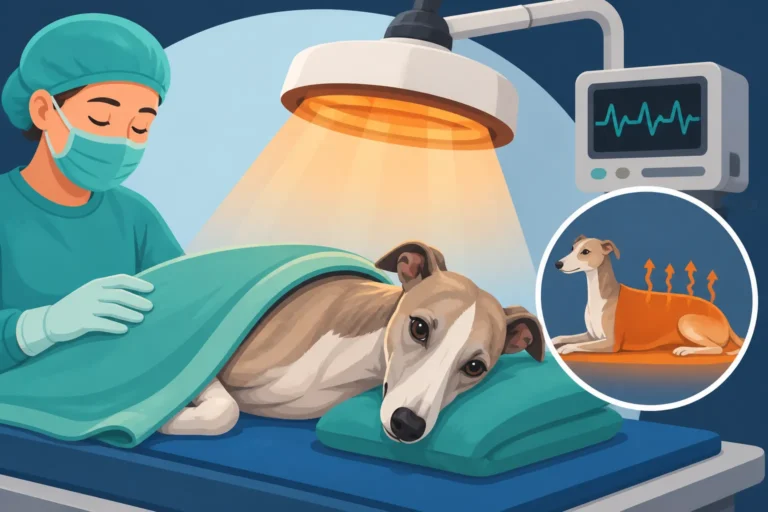
A veterinarian will clean the wound thoroughly, assess its depth and extent, and often opt for stitches to close the gap. Because of the Whippet's thin skin, careful suturing is vital to ensure the edges come together without excessive tension, which could lead to them pulling apart. Sometimes, particularly with larger, deeper wounds, sedation or even general anesthesia might be necessary for proper cleaning and repair. It's an expense that nobody budgets for, but essential for proper healing. When considering such costs, having pet insurance like Healthy Paws can provide significant peace of mind.
Stages of Healing and Realistic Expectations
The healing process unfolds in several stages:
- Inflammatory Phase (Day 1-5): This is when the body rushes blood and immune cells to the injury site. You'll see redness, swelling, and possibly some discharge. This is normal and necessary, but can look alarming.
- Proliferative Phase (Day 3-21): New tissue starts to form. Fibroblasts lay down collagen, and new blood vessels grow (granulation tissue). The wound will start to visibly shrink, and a scab will form.
- Maturation/Remodeling Phase (Weeks to Months): This is the longest phase. The new tissue strengthens, and the scar remodels and matures. The scar will become less red and flatten out.
For a Whippet, these timelines often skew towards the longer end of the spectrum. A minor cut that might take a week to scab over completely on another breed could take two weeks or more for a Whippet, especially if located in an area of high movement. Deeper lacerations, even with stitches, can take a full month to achieve solid closure, and the remodeling phase can extend for several months, with the scar tissue slowly strengthening.
Recognizing Complications
While some slowness in healing is typical for Whippets, there's a difference between a slow but steady recovery and a stalled or complicated one. Be vigilant for signs that something isn't right:
- Excessive Swelling or Redness: Beyond the initial inflammatory phase, this could signal infection.
- Pus or Foul Odor: Definite indicators of infection.
- Heat at the Wound Site: Another classic sign of inflammation or infection.
- Wound Dehiscence: The wound edges pulling apart, either partially or completely. This often requires another vet visit.
- Persistent Pain or Licking: If your Whippet continues to show discomfort or obsessively licks the area, it could mean the wound is still irritated, infected, or not healing properly.
- Lethargy or Loss of Appetite: These systemic signs suggest a more widespread issue or significant discomfort.
If you observe any of these symptoms, contact your vet immediately. Early intervention can prevent minor complications from becoming major setbacks in the healing journey.
Supporting Your Whippet's Recovery
As a Whippet owner, your role in supporting the healing process is critical. While you can't magically speed up biology, you can create the optimal conditions for your dog's recovery.
Creating a Conducive Healing Environment
The goal is to minimize stress on the wound and prevent re-injury or infection.
- Restrict Activity: This is often the hardest part! Leash walks only, no zoomies, no roughhousing with other dogs. This might mean crating your Whippet more than usual or keeping them in a small, safe area. Remember, preventing Whether a Whippet's Racing Injuries Heal Fully requires strict rest.
- Proper Bandaging: Your vet may apply a bandage. Keep it clean and dry, and change it as directed. If you're managing smaller scrapes at home, ensure they are covered with a non-stick pad and a breathable wrap like Vet Wrap. Knowing What Vet Wrap and Supplies Cost a Whippet Owner will help you prepare your own first aid kit.
- Clean Bedding: Ensure your Whippet has soft, clean bedding. This reduces pressure on healing areas and minimizes bacterial exposure. Whippets already get pressure sores from sleeping on hard floors, so extra padding is essential.
- Use an E-Collar (Cone): Seriously, embrace the cone. It might be awkward, but it’s invaluable for Stopping a Whippet Chewing Its Stitches or licking an open wound. There are various types available, from traditional plastic to softer, inflatable options.
- Monitor Other Dogs/Pets: If you have other pets, ensure they don't play too roughly or disturb the injured Whippet. Sometimes, temporary separation is necessary.
Nutrition and Supplements for Skin Health
While a balanced diet is always important, during recovery, it takes on even greater significance.
- High-Quality Diet: Feed a premium dog food rich in easily digestible protein. Protein is the building block of new tissue.
- Omega Fatty Acids: Consider a supplement rich in Omega-3 and Omega-6 fatty acids, such as fish oil. These are known for their anti-inflammatory properties and their role in promoting healthy skin and coat. Talk to your vet about appropriate dosages.
- Vitamins and Minerals: Ensure your dog's diet provides adequate levels of Vitamin C (important for collagen synthesis), Vitamin E (an antioxidant), and Zinc (crucial for cell division and immune function). Many high-quality foods already contain these, but your vet might recommend a specific supplement if a deficiency is suspected or if the healing is particularly challenging.
- Hydration: Always ensure access to fresh, clean water. Good hydration is vital for all bodily functions, including healing.
Monitoring and Follow-up Care
Your vet is your partner in this journey. Don’t hesitate to use them as a resource.
- Scheduled Rechecks: Adhere to all scheduled follow-up appointments. These visits allow your vet to assess the wound, check for infection, and decide when it’s safe to remove stitches (if applicable). They can also provide guidance on Treating a Whippet's Skin Tear at home.
- Daily Inspection: Gently inspect the wound daily (if bandaging allows). Look for any of the complication signs mentioned above. Documenting your observations can be helpful for your vet.
- Be Patient: This is perhaps the hardest advice to follow. Whippets simply take their time. While it’s frustrating, try to channel your energy into consistent care and positive reinforcement for your dog. They pick up on our stress!
Here’s a quick overview of factors that can impact healing:
| Factor | Impact on Healing | What You Can Do |
|---|---|---|
| Thin Skin/Lack of Fat | Less structural support, slower initial closure | Gentle handling, quick veterinary attention |
| Wound Location | High-motion areas prolong healing | Strict rest, appropriate bandaging, potentially more frequent vet checks |
| Depth of Wound | Deeper wounds require more tissue regeneration | Surgical closure (if needed), diligent post-op care |
| Infection | Delays healing, can cause breakdown | Prompt cleaning, antibiotics (if prescribed), consistent monitoring |
| Movement/Re-injury | Tears sutures, opens scabs, introduces bacteria | E-collar, restricted exercise, supervised downtime |
| Nutrition | Insufficient nutrients hinder cell repair | High-quality diet, vet-approved supplements (Omegas, Zinc, Vit C) |
| Age | Older Whippets may heal slower | Extra care, warmth, ensure good circulation (e.g., heated beds), softer bedding |
Living with a Whippet means accepting their unique needs, and that includes their delicate skin and the patience required for healing. While it can be a long road, with careful management and a lot of love, your Whippet will be back to their happy, healthy self. Insurance providers like Healthy Paws can also offer a great safety net for these unexpected (and sometimes expensive) vet visits related to skin injuries.
Disclaimer
This article is for general informational purposes only and does not constitute professional advice. Laws, prices and regulations vary by location and change over time. Consult a qualified professional for guidance on your specific situation.