Whether PFK Deficiency Has a DNA Test in Whippets
The worry that your beloved Whippet might be carrying a hidden genetic health issue can be truly unsettling, especially when symptoms surface that don't quite make sense. For conditions like Phosphofructokinase (PFK) Deficiency, knowing if a reliable test exists to provide clarity and peace of mind is paramount. This guide will walk you through everything you need to know about PFK deficiency, focusing on the availability and importance of DNA testing for your Whippet.
Understanding Phosphofructokinase Deficiency in Whippets
Finding out your Whippet could be susceptible to a genetic condition like PFK Deficiency can send a shiver down your spine. It's a scary thought, envisioning your active, happy dog suddenly becoming unwell due to something inherent in their genetic makeup. PFK deficiency isn't just a complicated-sounding name; it's a real, inherited metabolic disorder that affects how a dog's red blood cells function, potentially leading to serious health complications if not properly understood and managed.
What PFK Deficiency Actually Does
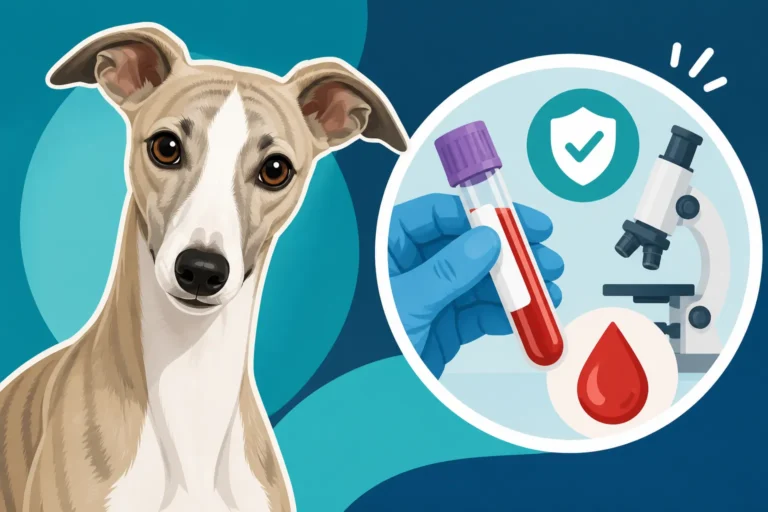
At its heart, Phosphofructokinase (PFK) Deficiency impacts an enzyme called phosphofructokinase, which is absolutely vital for glycolysis – the process where glucose is converted into energy within cells. Specifically, in dogs affected by this inherited condition, there's a problem with the PFK enzyme in their red blood cells. These cells, which are responsible for carrying oxygen throughout the body, become less efficient and more fragile because they can't produce energy properly. This makes them prone to premature destruction, leading to a condition known as hemolytic anemia.
Imagine your Whippet, full of beans and ready for a sprint, but their body's oxygen delivery system is compromised. That's essentially what happens with PFK deficiency. The body struggles to keep up, especially during times of physical exertion or stress. It's a silent battle happening at a cellular level, often hidden until a triggering event or significant strain on the system.
Recognizing the Symptoms and Triggers
One of the most frustrating aspects of PFK deficiency is that affected Whippets can often appear perfectly normal for long periods. Symptoms typically don't manifest until the dog is subjected to certain stressors, such as intense exercise, excitement, or even extreme heat. It’s not uncommon for a dog to have a PFK episode after a vigorous play session at the dog park, or even just from the sheer thrill of a car ride to a favorite spot. For a breed known for its bursts of speed and playful nature, these triggers are an inherent part of their lives, making diagnosis tricky without proper testing.
When an episode occurs, the signs can be quite alarming. Owners might notice their Whippet becoming suddenly weak, lethargic, or intolerant to exercise. Their gums might appear unusually pale due to the anemia, and in some cases, you might even see yellowing of the skin or whites of the eyes (jaundice). A distinctive and concerning symptom of PFK deficiency is when a Whippet With PFK Deficiency Passes Dark Urine. This dark, reddish-brown urine is due to the release of hemoglobin from the destroyed red blood cells, which is then filtered by the kidneys. It's a clear indicator that something serious is happening internally and warrants immediate veterinary attention. These episodes can range in severity, but they are always a cause for concern and require careful management.
The Availability and Importance of DNA Testing for PFK Deficiency
The good news amidst the worry is that advancements in veterinary medicine and genetics mean we don't have to navigate PFK deficiency in the dark. For conditions like this, a direct, reliable DNA test is often available, offering a clear path to understanding your Whippet's genetic status. This isn't just about identifying sick dogs; it's about responsible breeding, proactive health management, and giving owners the information they need to provide the best possible care.
Yes, a DNA Test for PFK Deficiency Exists
Absolutely, a highly accurate DNA test for Phosphofructokinase Deficiency in Whippets is readily available. This is fantastic news for both current Whippet owners and prospective puppy buyers. The test works by analyzing a sample of your dog's DNA – usually collected via a simple cheek swab or blood sample – to identify the specific genetic mutation responsible for PFK deficiency. Because it's a direct gene test, it’s incredibly precise in determining whether a dog is clear, a carrier, or affected by the condition.
Many reputable veterinary genetic testing laboratories offer this service. Companies like Embark Veterinary, Optimal Selection, and even university-affiliated labs like PennGen at the University of Pennsylvania, provide comprehensive genetic panels that include PFK deficiency. These tests typically cover a wide range of genetic health conditions, making it a very efficient way to screen for multiple concerns at once. This ease of access means that anyone with a Whippet, or considering getting one, can proactively assess the risk and make informed decisions, ensuring a healthier future for the breed. If you're wondering What a Whippet DNA Panel Costs, it's often a reasonable investment for the peace of mind and critical information it provides.
Why DNA Testing Is So Crucial for Whippets
DNA testing for PFK deficiency is more than just a diagnostic tool; it's a cornerstone of responsible breeding and proactive pet ownership. Without such a test, breeders would be unknowingly passing on a debilitating genetic condition, and pet owners would be left to grapple with mysterious symptoms. Because PFK deficiency is a recessive genetic trait, a Whippet's PFK Deficiency Is Recessive, meaning a dog must inherit two copies of the defective gene (one from each parent) to be affected. Dogs with only one copy are carriers and typically show no symptoms themselves, but they can pass the gene to their offspring. This makes carrier identification vital.
For breeders, identifying carriers is paramount. Knowing the genetic status of breeding dogs allows them to make informed pairings that avoid producing affected puppies. For instance, breeding two carriers together carries a 25% risk of producing an affected puppy, a 50% chance of producing carriers, and a 25% chance of producing clear puppies. By testing The Health Tests Both Whippet Parents Should Have, breeders can ensure they never breed a carrier to another carrier, thereby eliminating the risk of affected puppies from their lines. For pet owners, having this knowledge means they can understand potential health risks, inform their veterinarian, and adjust their Whippet's lifestyle to minimize triggers, especially if they know their dog is affected or a carrier that might experience milder symptoms. It empowers owners to be proactive, rather than reactive, to their Whippet's health needs, potentially saving them from unexpected and costly emergency vet visits. In fact, comprehensive pet insurance plans, such as those offered by Healthy Paws, often cover unexpected illnesses, but preventing them through genetic screening is always the better route.
What the Test Results Mean
Once you've sent off your Whippet's DNA sample and eagerly awaited the results, understanding what those results actually mean is the next crucial step. The outcome of a PFK deficiency DNA test will typically fall into one of three categories: Clear, Carrier, or Affected. Each designation carries significant implications for your dog's health and, if applicable, for breeding decisions.
| Result Category | Genetic Status | Implications for Health | Implications for Breeding |
|---|---|---|---|
| Clear | N/N | The dog does not have any copies of the PFK deficiency gene and will not develop the condition due to this mutation. | Can be bred with any dog (Clear, Carrier, or Affected) without producing affected puppies, though breeding with an Affected dog would produce all Carriers. |
| Carrier | N/PFK | The dog carries one copy of the PFK deficiency gene but will not develop symptoms of the condition itself. | Should only be bred with a "Clear" dog. Breeding with another Carrier or an Affected dog risks producing affected puppies. |
| Affected | PFK/PFK | The dog has two copies of the PFK deficiency gene and will develop symptoms of PFK deficiency at some point. | Should not be used for breeding, as all offspring would receive at least one copy of the gene, and breeding with a Carrier or Affected dog would produce Affected puppies. |
Being "Clear" means your Whippet has two normal copies of the gene, possesses no risk of developing PFK deficiency, and won't pass the defective gene to any offspring. This is the ideal outcome, offering complete peace of mind regarding this specific condition. A "Carrier" result means your Whippet has one normal copy and one copy of the defective gene. While your dog is perfectly healthy and will not experience symptoms, they can pass the defective gene to approximately half of their puppies. This is why careful breeding choices are so important. An "Affected" result indicates your Whippet has two copies of the defective gene and will develop PFK deficiency. While treatment focuses on managing symptoms and avoiding triggers, knowing this upfront allows for a tailored care plan to improve their quality of life. This knowledge is invaluable for managing their exercise regimen, minimizing stress, and having proactive conversations with your vet about their unique needs, including discussing how long a Whippet With PFK Deficiency Lives Long.
Breeder Responsibilities and Ethical Practices
For responsible Whippet breeders, DNA testing for PFK deficiency is non-negotiable. It's a fundamental part of ethical breeding practices, designed to protect the health and well-being of future generations of Whippets. A reputable breeder will always perform comprehensive health testing on their breeding stock, and this absolutely includes genetic screenings for known conditions like PFK deficiency. If you are considering purchasing a puppy, asking to see the PFK DNA test results for both parents is not just recommended, it's essential. An unwillingness to provide these results, or a lack of testing altogether, should be a significant red flag. You don't want to bring home an Untested Whippet Litter Is Worth Buying when there are so many responsible breeders.
Breeders committed to the long-term health of the Whippet breed use these test results to make informed breeding decisions. This typically means that a carrier will only be bred to a clear dog, ensuring that no affected puppies are produced. While this practice still produces carriers, those carriers are then part of a responsible breeding program where their offspring will also be tested, gradually reducing the prevalence of the gene in the overall population without unduly narrowing the gene pool. This thoughtful approach helps preserve the genetic diversity of the breed while actively working towards eradicating preventable hereditary diseases. Many breeders also choose to proactively test all of their puppies for these conditions, even before they go to their new homes, providing new owners with full transparency and a head start on understanding their new companion's genetic health profile. This attention to detail underscores a commitment to the breed that truly makes a difference.
Living With a Whippet and PFK Deficiency
Discovering your Whippet is a carrier or, more rarely, affected by PFK deficiency can be a lot to process. It’s natural to feel a pang of worry, but it’s crucial to remember that a diagnosis isn't a death sentence. Instead, it’s a powerful piece of information that empowers you to provide the best possible care, manage potential issues proactively, and ensure your Whippet lives a full and happy life. Knowledge truly is power when it comes to managing genetic health conditions.
Managing an Affected Whippet
If your Whippet receives an "Affected" diagnosis, the primary focus shifts to diligent management and avoiding the triggers that can lead to PFK episodes. Remember, What Phosphofructokinase Deficiency Does to a Whippet is weaken their red blood cells, making them susceptible to rupture under stress. Therefore, keeping stress and intense physical exertion to a minimum is key. This doesn't mean your Whippet can't be a happy, active dog; it means you'll need to learn to recognize their limits and adapt your routine accordingly.
Activities that might cause a sudden burst of energy, prolonged strenuous exercise, or excessive excitement should be approached with caution. Many owners of affected Whippets learn that while short, moderate walks are perfectly fine, an hour-long, high-speed chase at the dog park might be too much. It's also vital to be mindful of extreme temperatures, as heat stress can sometimes trigger an episode. Regular, calm enrichment activities, gentle play, and a consistent, low-stress home environment are paramount. Your veterinarian will be your most important partner in crafting a specific management plan tailored to your Whippet's individual needs. They can provide guidance on monitoring for signs of an episode, such as changes in gum color or lethargy, and advise on immediate steps to take if an episode occurs.
Supporting a Carrier Whippet
For the vast majority of Whippets who test as "Carriers" of the PFK deficiency gene, their daily life typically remains unchanged. These dogs usually experience no health issues related to the condition because their single normal copy of the gene is sufficient to produce enough functional PFK enzyme. You likely won't see any outward signs or symptoms, and your carrier Whippet will enjoy all the zoomies and cozy couch naps characteristic of the breed. It's easy to forget they are carriers, given their normal disposition and health.
However, even though carriers are generally asymptomatic, it's always wise to be aware of their genetic status. This awareness becomes particularly important if, for any reason, your Whippet undergoes surgery or experiences a severe illness that puts their system under immense stress. While rare, some anecdotal reports suggest that extreme physiological stress could potentially unmask subclinical issues in carriers, though this is not a common or scientifically proven occurrence. The most significant implication for a carrier Whippet is, of course, related to breeding decisions, as discussed previously. For pet owners, the main takeaway is simply to keep this information on file with your veterinarian and to inform any potential future owners if you ever needed to rehome your Whippet, though with proper planning and pet insurance like that offered by Healthy Paws, most owners are well-equipped to manage their dog's health for life.
The Role of Your Veterinarian
Regardless of your Whippet's PFK status – clear, carrier, or affected – your veterinarian is an indispensable resource. For affected dogs, they will help develop a comprehensive management plan, advise on symptom recognition, and be ready to provide emergency care should an episode occur. They can also provide guidance on nutrition and appropriate levels of exercise. For carriers, simply having the information in their medical file is crucial for a holistic view of your dog's health history.
Even for clear Whippets, understanding genetic predispositions helps your vet provide the most targeted preventative care. For any Whippet, regardless of PFK status, it's always important to discuss concerns like exercise tolerance. For instance, if you notice your Whippet suddenly struggling with physical activity, such as when a Whippet With PFK Deficiency Can Exercise, or if Excitement Triggers a PFK Episode in a Whippet, your vet can investigate the cause. This collaborative approach between owner and vet ensures that every Whippet receives individualized care that accounts for their unique genetic makeup and lifestyle.
Disclaimer
Please remember that the information provided in this article is intended for general informational purposes only and does not constitute veterinary advice. Always consult with a qualified veterinarian for any health concerns or before making any decisions about your Whippet's medical care or treatment.