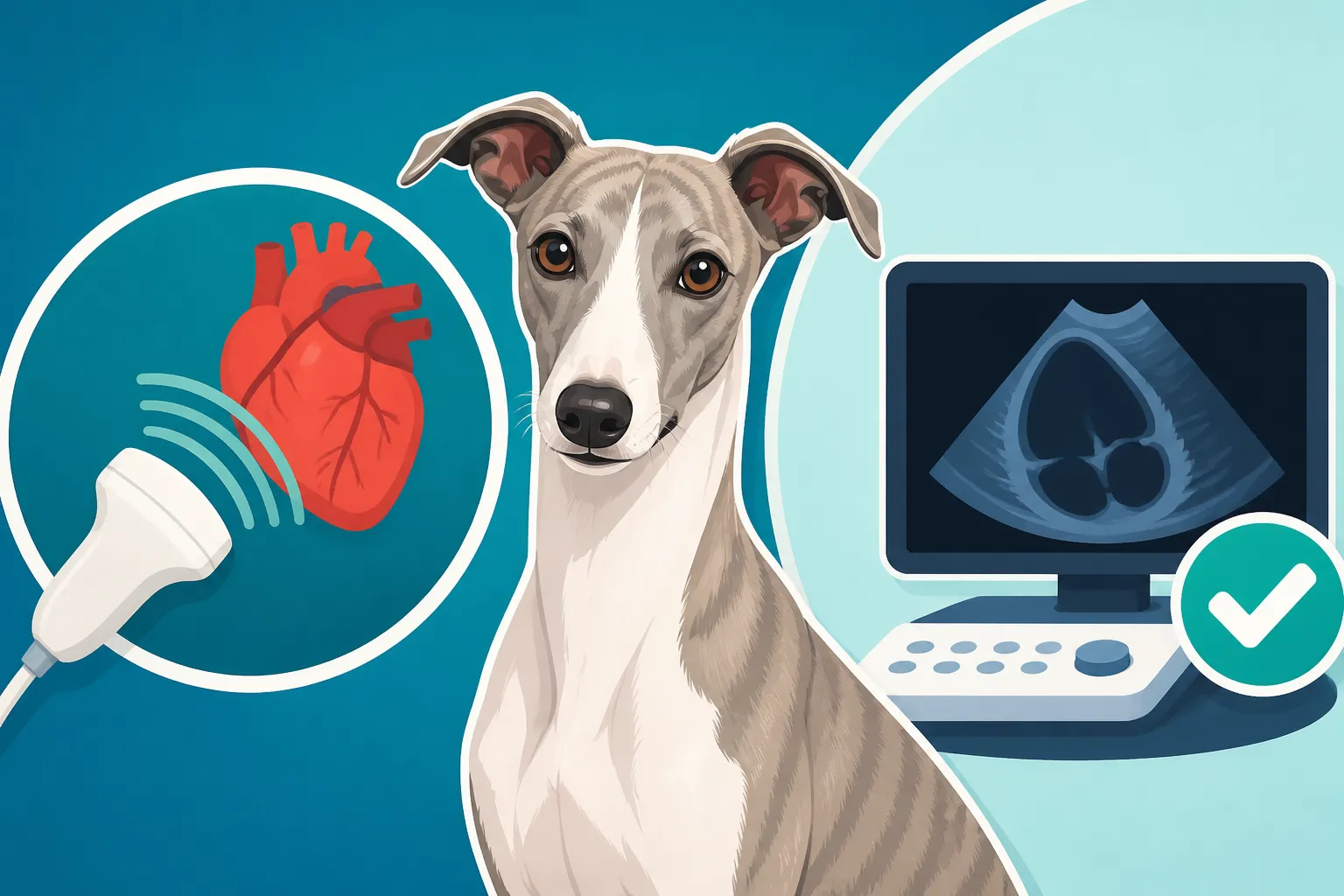
Whether a Whippet Needs an Echocardiogram to Confirm
It’s a moment that can send any Whippet owner’s heart into a flutter – you take your beloved dog to the vet for a routine check-up, and suddenly you hear those worrying words: "heart murmur" or "enlarged heart." Your mind immediately races to the worst-case scenarios, filled with fear about your sighthound's future. This guide is here to unravel the complexities surrounding a Whippet's heart health, explaining why an echocardiogram might be recommended, when it's truly necessary, and what to expect from the process, helping you navigate this potentially stressful situation with clarity and confidence.
Understanding Your Whippet's Unique Heart
Whippets are magnificent athletes, bred for incredible bursts of speed and agility. This unique physiology means their bodies, including their hearts, are built differently than many other breeds. What might be a red flag in a bulldog or a Labrador could be perfectly normal for your lithe sighthound.
Why a Whippet's Heart Looks Different on X-rays
One of the most common reasons Whippet owners find themselves concerned about their dog's heart is a vet's interpretation of an X-ray. When a standard chest X-ray is taken, especially by a veterinarian who might not have extensive experience with sighthounds, a Whippet's heart can often appear larger than what is considered "normal" for the average canine. This isn't necessarily a sign of disease; it's often a hallmark of what's known as an "athletic heart."
Think about human athletes; their hearts are typically larger and more efficient than those of sedentary individuals. The same principle applies to Whippets. Their hearts are conditioned to pump blood rapidly and efficiently throughout their incredibly muscular bodies to support their bursts of speed. So, an X-ray showing a larger-than-average heart can simply be a reflection of their superior cardiovascular conditioning. However, without this specific sighthound knowledge, a vet might be genuinely concerned, prompting a recommendation for further diagnostics. It's why understanding the normal Why a Whippet's Big Heart Is Not a Diagnosis is so important for owners.
The "Innocent" Murmur Phenomenon
Beyond X-ray findings, heart murmurs are another frequent discovery that can cause alarm. A heart murmur is essentially an abnormal sound heard during a heartbeat, caused by turbulent blood flow. While murmurs can certainly indicate underlying heart disease, many Whippets can present with what veterinarians call "innocent" or "physiologic" murmurs. These are low-grade murmurs (typically Grade I or II out of VI) that are not associated with any structural heart defect or disease.
These innocent murmurs are often dynamic, meaning they can come and go, or change in intensity based on the dog's excitement level, hydration, or even how deeply they're breathing. They're more common in young, athletic dogs, and in sighthounds like Whippets, their lean body condition and efficient cardiovascular systems can simply make normal blood flow sounds more audible. It's not uncommon for a new vet to detect a murmur that previous vets have dismissed as benign, leading to unnecessary worry. Learning Whether a Whippet's Murmur Is Always Serious can help distinguish between these types of murmurs.
When a Vet Recommends an Echocardiogram for a Whippet
While it's important not to panic over every murmur or "enlarged heart" finding, there are definitely situations where an echocardiogram is not just recommended, but truly essential for your Whippet's health. It's about discerning between normal sighthound physiology and genuine cardiac concern.
Identifying Red Flags Beyond a Standard X-ray
The key to knowing when to push for an echocardiogram lies in observing your Whippet for actual symptoms of heart failure or significant heart disease. A simple X-ray showing a large heart, or a low-grade murmur found incidentally, isn't enough to warrant invasive or expensive procedures without additional indicators. However, if your Whippet starts exhibiting any of the following, a cardiac specialist should definitely be consulted, and an echocardiogram will likely be the next step:
- Persistent Coughing: Especially a soft, hacking cough that sounds like they're trying to clear their throat, which can worsen at night or after exercise. This can be a sign of fluid buildup in the lungs due to congestive heart failure.
- Difficulty Breathing: Rapid, shallow, or labored breathing, panting excessively when not exercising, or struggling to catch their breath.
- Lethargy or Exercise Intolerance: A noticeable decrease in energy levels, reluctance to play or go for walks, or getting tired much more quickly than usual. Your typically energetic Whippet suddenly doesn't want to run or play.
- Fainting or Collapse (Syncope): Brief episodes of losing consciousness, often after excitement or exertion. This is a serious symptom requiring immediate veterinary attention.
- Abdominal Swelling: Fluid accumulation in the abdomen, causing a distended belly, can be a sign of right-sided heart failure.
- Significant Weight Loss or Poor Appetite: Unexplained weight loss, especially when combined with other symptoms, can point to underlying chronic illness.
- High-Grade Murmur: If your vet detects a louder murmur (Grade III or higher), especially if it's accompanied by a palpable thrill (a vibration felt over the chest), this elevates the concern and almost always warrants an echocardiogram.
- Arrhythmias: Irregular heart rhythms detected by a vet during examination or on an ECG (electrocardiogram).
These are the true red flags that suggest something more than normal Whippet physiology is at play, making an echocardiogram a critical diagnostic tool. These symptoms are clear indicators that it's time to investigate Mitral Valve Disease in a Whippet or other serious conditions.
The Importance of a Sighthound-Knowledgeable Vet
When it comes to sighthound health, the expertise of your veterinarian truly makes all the difference. A general practitioner who primarily sees common breeds might not be familiar with the nuances of a Whippet's anatomy and physiology. They could easily misinterpret normal findings as abnormal, leading to unnecessary stress and potentially costly investigations.
If your regular vet expresses concern about your Whippet's heart based solely on an X-ray or a low-grade murmur, don't hesitate to ask about their experience with sighthound breeds. A good vet, even if they don't specialize in sighthounds, will often recommend a referral to a board-certified veterinary cardiologist. This is not a slight against your regular vet; rather, it’s a wise move that ensures your Whippet receives the most accurate diagnosis. A specialist will have the in-depth knowledge and advanced equipment to properly assess your dog's heart, understanding that Whether a Whippet Needs a Vet Who Knows Sighthounds is vital for accurate care. They can differentiate between an athletic heart and a diseased one, potentially saving you a lot of worry and expense.
What an Echocardiogram Reveals for a Whippet
If you've been advised to pursue an echocardiogram for your Whippet, understanding what this procedure entails and what kind of information it provides can help ease your mind and prepare you for the next steps. It's truly the gold standard for cardiac evaluation.
How an Echo Provides a Clearer Picture
An echocardiogram is essentially an ultrasound of the heart. Unlike an X-ray, which gives you a static image of the heart's size and shape, an echo provides real-time, dynamic images of the heart in motion. Imagine watching your Whippet's heart beat on a screen, seeing its chambers contract and relax, and observing the valves opening and closing. That's what an echocardiogram allows a cardiologist to do.
During the procedure, your Whippet will lie comfortably, usually on their side, while a technician or cardiologist gently shaves a small area of fur on their chest and applies ultrasound gel. A transducer (a small handheld probe) is then moved over the chest, sending sound waves into the body and receiving echoes back, which are converted into images on a monitor. The entire process is non-invasive and usually doesn't require sedation, although very anxious dogs might benefit from a mild sedative to ensure clear images can be obtained.
The information an echo provides is incredibly detailed:
- Heart Chamber Size and Wall Thickness: It can accurately measure the dimensions of each chamber and the thickness of the heart muscle, distinguishing between an athletic enlargement and an enlargement due to disease (like in Dilated Cardiomyopathy).
- Valve Function: The cardiologist can see if the heart valves (mitral, aortic, tricuspid, pulmonary) are opening and closing properly, or if there's any regurgitation (blood leaking backward) or stenosis (narrowing). This is crucial for diagnosing Mitral Valve Disease in a Whippet, a common age-related issue.
- Blood Flow Velocity and Direction: Using Doppler ultrasound, the echo can assess the speed and direction of blood flow through the heart. This helps identify shunts, blockages, or areas of turbulence that might be causing a murmur.
- Pumping Strength: It evaluates the efficiency of the heart's contractions, indicating how well the heart is pumping blood to the body.
This comprehensive view allows the cardiologist to definitively diagnose (or rule out) a wide range of cardiac conditions, providing peace of mind or a clear path for treatment.
Common Heart Conditions Found in Whippets (and Not Found)
After an echocardiogram, many Whippet owners breathe a sigh of relief when the cardiologist confirms that their dog's large heart and murmur are simply characteristics of a healthy, athletic sighthound. However, if a condition is present, the echo will pinpoint it.
One of the most common acquired heart diseases in older Whippets, and indeed in many small to medium-sized breeds, is Mitral Valve Disease (MVD). This is a degenerative condition where the mitral valve, located between the left atrium and left ventricle, thickens and doesn't close properly, leading to a leaky valve. MVD is progressive, and an echocardiogram can stage its severity, guiding treatment decisions. Knowing The Age a Whippet Develops a Heart Murmur can prepare owners for this possibility.
While less common in Whippets compared to other breeds like Doberman Pinschers or Boxers, an echocardiogram can also diagnose Dilated Cardiomyopathy (DCM), a condition where the heart muscle becomes thin and weak, leading to enlarged chambers and poor pumping function. Fortunately, purebred Whippets are generally not predisposed to DCM, but it’s still something a cardiologist will look for, especially if clinical signs are present. Other less common issues, such as congenital defects (present from birth) or specific arrhythmias, can also be identified. Often, the echo will confirm Whether a Whippet's Enlarged Heart Is Normal, providing a huge sense of relief.
The Financial and Emotional Aspect of Heart Diagnostics
Deciding whether to pursue an echocardiogram involves more than just understanding the medical implications; it also requires considering the financial burden and the emotional toll on you and your Whippet. It's a significant step, and being prepared for both outcomes is key.
The Cost of an Echocardiogram and Follow-up Care
Let's be realistic: a specialized veterinary procedure like an echocardiogram is not inexpensive. The cost can vary significantly depending on your geographic location, the veterinary cardiology practice, and whether any sedation is required. Typically, you can expect an echocardiogram to range anywhere from $500 to $1,500 or more. This fee usually includes the cardiologist's consultation, the procedure itself, and the interpretation of the results.
If the echocardiogram reveals a heart condition, this is just the beginning of the financial journey. Follow-up care might include:
- Medication: Depending on the diagnosis, your Whippet might require daily heart medications for the rest of their life. These can range from affordable generic drugs to more specialized, costly medications.
- Recheck Appointments: Regular recheck appointments with the cardiologist, often with repeat echocardiograms, will be necessary to monitor the progression of the disease and adjust medication as needed. These appointments can also cost several hundred dollars each.
- Additional Diagnostics: In some complex cases, further tests like a Holter monitor (a 24-hour ECG) or blood pressure checks might be recommended, adding to the expense.
It's vital to have an open conversation with the veterinary cardiologist about the potential long-term costs associated with any diagnosis, so you can make informed decisions about your Whippet's care.
Planning for the Unexpected with Pet Insurance
This is precisely where pet insurance can be an absolute lifeline. Many Whippet owners, like myself, understand that while our sighthounds are generally healthy, they can have unexpected medical needs, from a sudden skin tear needing Emergency Stitches: the Whippet Bill Nobody Budgets For to more serious internal issues. Investing in pet insurance early can provide immense peace of mind and significantly reduce the financial stress of managing a chronic condition or dealing with an unexpected diagnosis.
Companies like Healthy Paws offer comprehensive coverage plans that can help with the costs of diagnostics, treatments, and medications for unexpected illnesses and accidents. If your Whippet is enrolled before any signs of a heart murmur or other cardiac issues arise, an echocardiogram and subsequent treatment would likely be covered, minus your deductible and co-pay. However, if a heart murmur or other heart-related symptoms are noted before you enroll or during the waiting period, it would likely be considered a pre-existing condition and may not be covered. This highlights the importance of getting coverage while your Whippet is young and healthy.
Having pet insurance means you can make decisions about your Whippet's health based on what's best for them, rather than being solely dictated by the cost. It's a proactive step that many of us wish we had taken sooner, allowing us to focus on our dog's well-being rather than worrying about the veterinary bill.
When an Echocardiogram Is Most Beneficial for Your Whippet
To help you quickly assess if your Whippet's situation warrants an echocardiogram, here's a comparative overview:
| Scenario Warranting an Echocardiogram | Scenario Where an Echo Might Not Be Immediately Needed |
|---|---|
| New, high-grade murmur (Grade III or higher). | Low-grade, soft murmur (Grade I or II), especially if intermittent. |
| Clinical signs of heart disease: Persistent cough, breathing difficulties, fainting, lethargy. | No clinical signs, even if a murmur or "enlarged heart" is noted. |
| Abnormal X-ray AND clinical signs (e.g., fluid in lungs). | "Enlarged heart" on X-ray without other symptoms, often normal for Whippets. |
| Arrhythmias (irregular heart rhythms) detected by ECG or vet. | Young, healthy Whippet with an incidental, low-grade murmur. |
| Breeding soundness exam where a murmur is detected. | Vet is inexperienced with sighthounds and expresses concern without symptoms. |
| Concern about a specific genetic heart condition known in the lines. |
Disclaimer
The information provided in this article is for educational purposes only and should not be considered a substitute for professional veterinary advice. Always consult with a qualified veterinarian regarding your Whippet's health and any specific medical concerns.