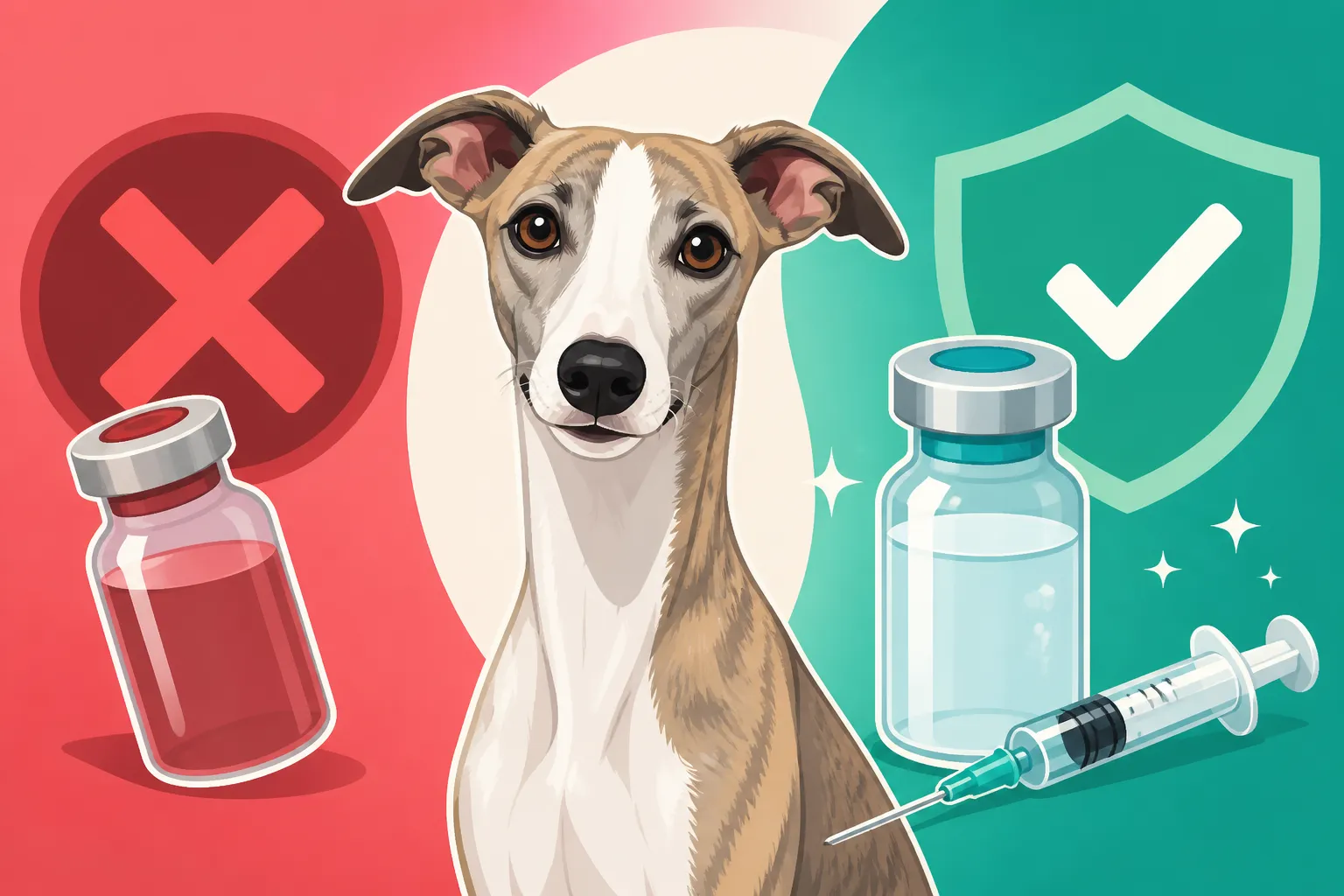
Propofol as a Whippet’s Safer Option
Bringing your beloved Whippet in for any procedure requiring anesthesia can be incredibly stressful, filled with worry about their unique sensitivities and how they’ll cope. It’s a common frustration among sighthound owners, often leaving us feeling anxious and unsure if our vets truly understand their delicate needs. This guide aims to shed light on why Propofol is frequently considered a much safer option for Whippets and equip you with the knowledge to have confident conversations with your veterinary team.
Understanding Whippet Anesthesia Sensitivity
Whippets, with their lean build and specific physiological traits, aren't just small dogs; they're sighthounds, and their bodies process medications, especially anesthetics, in a fundamentally different way. This isn't just an anecdotal concern from owners; it's a well-documented veterinary reality. Understanding these differences is the first step in advocating for your dog's safest possible care.
Why Whippets Are Different
The striking elegance of a Whippet comes with a trade-off when it comes to anesthesia: their incredibly low body fat percentage. Unlike many other breeds, Whippets have very little subcutaneous fat, which acts as a storage depot for many anesthetic drugs. When a fat-soluble anesthetic is administered, it quickly enters the bloodstream and travels to the brain, causing sedation. In breeds with more fat, the drug then redistributes from the brain to the fat tissues, effectively lowering the concentration in the brain and allowing for a smoother, faster wake-up.
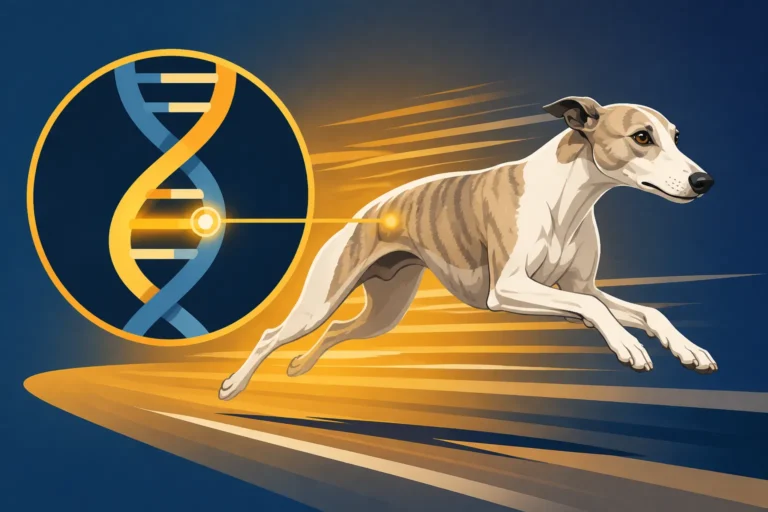
For a Whippet, this redistribution doesn't happen as effectively because there's simply nowhere for the drug to go. The drug stays in circulation longer, affecting the brain and vital organs for an extended period. This leads to profound and prolonged sedation, making their recovery process much slower and often more disorienting than that of other dogs. It’s not just about fat, though. Sighthounds also possess unique liver enzyme systems, specifically different cytochrome P450 enzymes, which play a critical role in metabolizing and eliminating various drugs from the body. These differences mean that a drug that's quickly broken down in a Labrador might linger for hours in a Whippet, leading to a much more intense and extended effect. This unique physiology is why you often hear that Why Anesthesia Is Riskier in a Whippet compared to other breeds.
The Problem with Traditional Anesthetics for Sighthounds
For years, many veterinarians, unaware of sighthound-specific sensitivities, would use standard anesthetic protocols that proved problematic for Whippets. The most infamous culprits are a class of drugs known as thiobarbiturates, such as Thiopental (sometimes known by the brand name Pentothal). These drugs are highly fat-soluble. While they provide a fast induction, their reliance on redistribution into body fat for recovery makes them a terrible choice for a lean Whippet. Imagine giving a human a strong sedative that takes effect quickly but then lingers in their system for an entire day, leaving them groggy and uncoordinated – that’s often what happens to a Whippet with these drugs. Owners have reported their dogs remaining deeply sedated for 12, 24, or even 36 hours after a routine procedure, struggling to stand, eat, or even respond, which is terrifying to witness.
Another drug that raises concern is Acepromazine. While not a primary anesthetic, it’s a tranquilizer frequently used as a pre-medication to calm dogs before anesthesia. For sighthounds, Acepromazine can cause a severe drop in blood pressure (hypotension) and an excessively prolonged period of sedation. Even at low doses, its effects can be much more pronounced in a Whippet, delaying recovery and potentially complicating the entire anesthetic event. Because of these known risks, many sighthound-savvy veterinarians have completely abandoned the use of thiobarbiturates and often opt against Acepromazine for these sensitive breeds. It's crucial for owners to understand Which Drugs a Whippet Should Not Be Given and discuss alternatives with their vet.
How Propofol Offers a Safer Alternative
The good news is that veterinary medicine has advanced, and with a better understanding of sighthound physiology, safer anesthetic options have become widely available. Propofol stands out as a prime example of a modern anesthetic agent that aligns much better with a Whippet's unique metabolism.
What Makes Propofol Different
Propofol is an intravenous anesthetic that works by depressing the central nervous system, leading to rapid unconsciousness. What truly sets it apart and makes it ideal for Whippets is its unique metabolic pathway. Unlike the fat-soluble thiobarbiturates, Propofol is metabolized very quickly and efficiently by the liver and other bodily tissues through enzymatic processes, not primarily through redistribution into fat. This means its elimination from the body is relatively independent of a dog's body fat composition.
This rapid metabolism translates into a much faster and smoother anesthetic experience for a Whippet. They fall asleep quickly and wake up swiftly, often with a clear head, rather than the prolonged grogginess associated with older drugs. The short half-life of Propofol ensures that once the infusion stops, the drug is rapidly cleared from the system, allowing for a more predictable and less stressful recovery. This is a game-changer for owners who previously braced themselves for their Whippet to be disoriented for hours after a procedure.
Advantages for Whippets
The benefits of using Propofol for Whippets are substantial and directly address many of the anxieties owners have about anesthesia.
- Faster Wake-Up and Clearer Recovery: This is perhaps the most significant advantage. With Propofol, Whippets typically wake up much faster from anesthesia – often within minutes to an hour after the procedure concludes. Instead of a drawn-out, confused process, they tend to be more alert and aware, which significantly reduces the stress on both the dog and the owner. This rapid return to consciousness means your Whippet isn't experiencing the prolonged, disorienting effects that can be seen with less suitable drugs. When considering How Long a Whippet Takes to Wake From Anesthesia, Propofol protocols generally lead to a much quicker and more pleasant emergence.
- Less Cardiovascular Depression: While any anesthetic agent has the potential to affect cardiovascular function, Propofol generally offers a more stable cardiovascular profile compared to some older drugs, especially when administered carefully. This is vital for maintaining good blood pressure and oxygen delivery throughout the procedure, which is critical for all dogs, and particularly important for a breed that can be sensitive.
- Reduced Risk of Hypothermia: Whippets, being so lean, are prone to losing body heat quickly under anesthesia, leading to hypothermia. A faster recovery time, facilitated by Propofol, inherently means less time under the full effects of anesthesia, thereby reducing the window of vulnerability to significant heat loss. This doesn't mean warming measures can be skipped—far from it—but it helps shorten the period of greatest risk. Even with Propofol, active strategies for Why a Lean Whippet Loses Body Heat Under Anesthesia are still paramount.
For routine procedures, minor surgeries, or even something as simple as a dental cleaning, Propofol can provide a level of confidence and peace of mind that was once hard to come by for Whippet owners. While no anesthetic is without risk, Propofol allows for a tailored approach that respects the unique physiological makeup of these wonderful sighthounds.
Key Considerations for Whippet Anesthesia
Choosing Propofol is a fantastic step, but it's just one part of a comprehensive, sighthound-specific anesthetic protocol. Effective anesthesia for a Whippet involves a multi-faceted approach, from preparation to recovery, ensuring every aspect is tailored to their unique needs.
Beyond Just Propofol: A Comprehensive Sighthound Protocol
A truly safe anesthetic experience for your Whippet goes far beyond the choice of the induction agent. It encompasses a careful, thoughtful approach to every stage of the process:
- Pre-Anesthetic Bloodwork: This is non-negotiable. Before any anesthetic is administered, a full blood panel should be run to assess organ function, especially the liver and kidneys, and to check red blood cell count. This helps identify any underlying issues that could complicate anesthesia and allows the vet to adjust the protocol accordingly. Whether a Whippet Needs Pre Anesthetic Bloodwork is a resounding yes, always.
- Thoughtful Pre-Medication: A well-chosen pre-medication cocktail is crucial. This typically includes a sedative to reduce anxiety and a pain medication (often an opioid) to provide preemptive analgesia. The goal is to calm the Whippet, make the induction smoother, and ensure they are comfortable both during and after the procedure, all while avoiding drugs like Acepromazine that can cause adverse reactions.
- Intravenous (IV) Catheter and Fluids: An IV catheter provides immediate access for administering emergency drugs if needed, as well as for delivering intravenous fluids. Fluids help maintain blood pressure, support organ perfusion, and aid in the elimination of anesthetic agents.
- Advanced Monitoring: This is absolutely critical. During anesthesia, your Whippet should be continuously monitored by a dedicated veterinary technician. This monitoring includes ECG (electrocardiogram) to track heart rate and rhythm, blood pressure measurements, pulse oximetry to check oxygen saturation, capnography to measure carbon dioxide in exhaled breath (indicating respiratory efficiency), and temperature. Knowing these parameters second-by-second allows the veterinary team to make immediate adjustments to ensure your Whippet's safety.
- Temperature Management: As discussed, Whippets get cold easily. Active warming measures are vital. This can include warm air blankets (like a Bair Hugger), heated surgery tables, and warm IV fluids. Maintaining a stable body temperature helps prevent complications during and after anesthesia.
- Multi-Modal Pain Management: Pain relief should be integrated throughout the process. This means starting pain medication before the procedure, using local anesthetics during surgery if appropriate, and continuing pain relief into the recovery period. A comfortable Whippet will recover more smoothly and quickly.
- Expert Oversight: Ultimately, the most important component is an experienced veterinary team that understands the nuances of sighthound anesthesia. You want a vet and technicians who are not only competent but also familiar with the specific physiological differences of Whippets. This comprehensive approach is what truly defines Why a Whippet Needs a Sighthound Anesthesia Protocol.
What to Discuss with Your Veterinarian
As a Whippet owner, you are your dog's primary advocate. Don't hesitate to ask questions and express your concerns. A good veterinary team will appreciate your proactive involvement.
- Sighthound Experience: Start by asking about their experience with sighthounds. Do they regularly anesthetize Whippets or other sighthound breeds? Do they have a specific "sighthound protocol" they follow? This is a crucial indicator of their awareness and expertise. You want a vet who understands that Whether a Whippet Needs a Vet Who Knows Sighthounds is a serious consideration.
- Specific Drug Choices: Discuss the exact anesthetic agents they plan to use at every stage – pre-medication, induction, and maintenance. Specifically inquire about avoiding thiobarbiturates and Acepromazine. Ask about the use of Propofol for induction and what they plan to use for maintenance (often isoflurane or sevoflurane gas).
- Monitoring Procedures: Confirm the level of monitoring your Whippet will receive. Will there be a dedicated technician solely responsible for monitoring vitals? What equipment will be used (ECG, blood pressure, pulse oximetry, capnography, temperature)?
- Recovery and Post-Operative Care: Ask about their plan for your Whippet's recovery, including temperature management, pain control, and when you can expect your dog to be alert enough for discharge. Understanding the recovery process, especially for something like What a Whippet's Dental Under Anesthesia Costs which is a common procedure, is important.
- Emergency Preparedness: Inquire about their emergency protocols and what steps they take if an adverse reaction occurs.
- Cost and Insurance: Understand the full cost implications, as specialized protocols and advanced monitoring can sometimes incur higher fees. This is where pet insurance can truly shine. Companies like Healthy Paws offer robust coverage that can help offset the expense of these critical veterinary services, including specialist consultations or advanced anesthetic monitoring, which gives many owners peace of mind. While it's vital to enroll before any conditions arise, having comprehensive pet insurance like Healthy Paws in place can ensure you don't have to compromise on the best care for your Whippet.
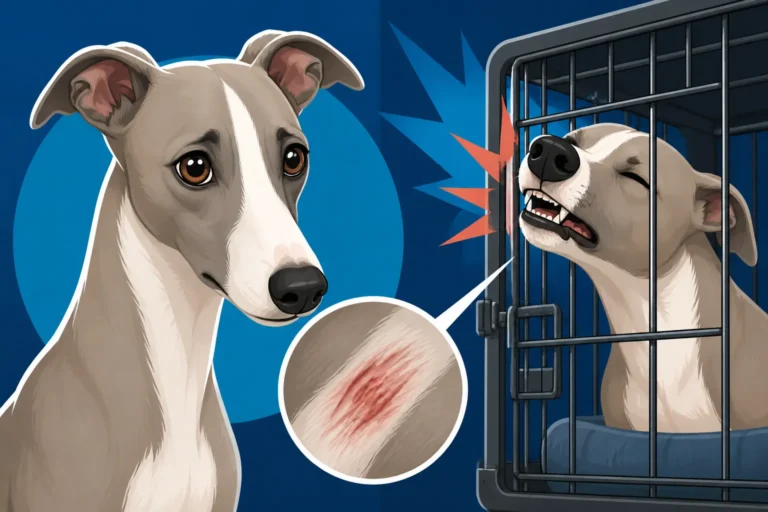
Being an informed Whippet owner empowers you to ensure your dog receives the safest, most appropriate care. Remember, you have every right to understand the procedures and medications being used on your beloved companion, whether it's for a routine procedure or something more involved, like repairing The Thin Skin That Sends a Whippet to the Vet for Stitches.
Here's a quick comparison of traditional (problematic for sighthounds) vs. modern (sighthound-friendly) anesthetic approaches:
| Feature | Traditional (e.g., Thiobarbiturate Induction) | Modern (e.g., Propofol Induction) |
|---|---|---|
| Induction | Fast, but recovery depends on fat redistribution. | Fast, smooth. Rapidly metabolized. |
| Recovery | Prolonged, groggy, disoriented (hours to days). | Quick, clear-headed (minutes to an hour). |
| Metabolism | Primarily liver, reliant on fat for redistribution. | Rapidly metabolized by liver and other tissues, not fat-dependent. |
| Cardiovascular Effects | Can cause significant depression, hypotension. | Generally more stable when properly administered. |
| Hypothermia Risk | Higher due to prolonged sedation. | Lower due to faster recovery time. |
| Sighthound Suitability | POOR (high risk of complications). | EXCELLENT (preferred choice). |
| Common Pre-Med Issues | Acepromazine can cause severe hypotension. | Targeted pre-meds with opioids preferred. |
Disclaimer
This article is intended for informational purposes only and does not constitute medical advice. Always consult with a qualified veterinarian regarding your Whippet's health and any medical procedures. Anesthetic protocols should be tailored to the individual dog by an experienced veterinary professional.