Whether a Bully Whippet Belongs in a Pet Home
Many prospective Whippet owners might stumble upon photos or videos of "bully Whippets" and wonder if these strikingly muscular dogs are suitable companions for a typical family home. The truth is, while undeniably captivating, owning a bully Whippet comes with a distinct set of considerations that go beyond the usual Whippet care, requiring a deeper understanding of their unique physical and health needs to ensure a happy, healthy life for both dog and owner. This guide will walk you through what it really means to welcome a bully Whippet into your home, helping you decide if you're prepared for the commitment.
Understanding the Bully Whippet Phenomenon
First, let's clarify what we mean by a "bully Whippet." These dogs aren't the result of selective breeding for exaggerated size or steroid use; they are a natural, albeit rare, genetic variation within the breed. The term "bully Whippet" refers to a Whippet that possesses two copies of a specific genetic mutation in the myostatin gene. Myostatin is a protein that normally limits muscle growth, acting like a natural brake on how much muscle an animal can develop. When a Whippet inherits two mutated copies of this gene, their body essentially lacks this brake, leading to an extraordinary increase in muscle mass. If you're curious about the science behind it, delve into Bully Whippet Syndrome and the Myostatin Gene Behind It which explains this fascinating genetic condition in detail.
This isn't a common occurrence; it’s estimated that the mutation causing this double-muscling is relatively rare within the overall Whippet population. Typically, dogs with one copy of the mutated gene (carriers) often exhibit slightly more muscle and are sometimes even faster, leading to a natural selection in racing lines for these carriers. However, a dog with two copies of the mutation presents a much more pronounced phenotype. Their musculature is so extreme that it alters their entire appearance, making them look significantly more powerful and less streamlined than the classic elegant Whippet. You can learn more about What Myostatin Does in a Whippet to fully grasp its impact on their development. It's a striking difference, and it fundamentally changes many aspects of their care.
Unique Characteristics and Potential Challenges in a Pet Home
Bringing a bully Whippet into a pet home means understanding that their physical attributes dictate much of their daily needs and potential health concerns. This isn't just about aesthetics; it's about a different physiological make-up.
Intense Physical Needs and Risk of Injury
Bully Whippets are incredibly strong, but this extreme musculature isn't always an advantage in a pet setting. Their muscle mass doesn't necessarily translate to boundless stamina or robust health in the way you might assume. In fact, they can be prone to specific physical challenges. One of the most common and concerning issues is muscle cramping. Imagine an athlete who is incredibly powerful but whose muscles seize up unexpectedly, sometimes with little provocation. Bully Whippets can experience painful cramping episodes, especially during or after strenuous exercise, or even due to excitement. This means that while they might look like they could run all day, their actual exercise regimen needs careful management to prevent these painful occurrences. You can explore Why a Bully Whippet Cramps for a deeper dive into this particular challenge.
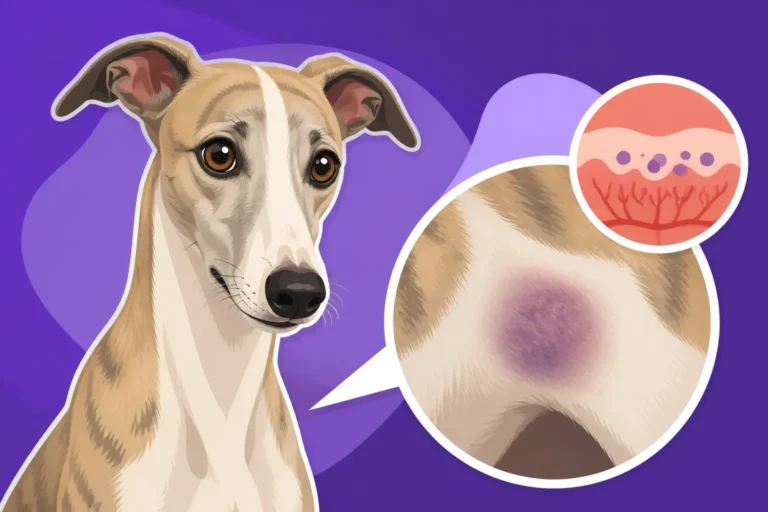
Furthermore, their impressive build can sometimes belie a certain fragility. Whippets, in general, are known for their thin skin, which can easily tear or bruise. When you couple this with the immense power of a bully Whippet, even minor bumps or scrapes can become more significant injuries. Imagine your powerful dog playing a little too enthusiastically and catching themselves on something sharp—what might be a minor scratch for another breed could lead to a deeper laceration requiring veterinary attention. Their extreme musculature might even put extra strain on joints, though definitive long-term studies are still emerging.
Specific Health Considerations
Beyond cramping, bully Whippets can face other health issues directly related to their unique genetic makeup. Some individuals have been reported to develop jaw problems or dental irregularities due to the altered bone and muscle structure of their heads. This isn't a universal issue, but it's a possibility that needs to be considered and monitored by a veterinarian. Understanding The Jaw Problems a Bully Whippet Develops can help you recognize early signs and prepare for potential specialized care.
Their powerful bodies also mean that if they do get injured, the recovery can be more complex. The sheer force they can exert can make controlling movement during healing a challenge, and their body's response to injury can sometimes differ. This means that regular veterinary check-ups are even more crucial, and proactive healthcare planning, including potentially robust pet insurance, is highly recommended. Companies like Healthy Paws, for instance, offer comprehensive plans that can help mitigate the financial burden of unexpected injuries or illnesses, which is a real consideration with a dog requiring specialized care. While most Whippets are generally healthy, the unique physiology of a bully Whippet warrants extra vigilance.
Temperament and Living as a "Couch Potato"
Despite their formidable appearance, the good news is that bully Whippets generally retain the sweet, affectionate, and gentle temperament characteristic of the Whippet breed. They are typically loving, quiet, and devoted companions who adore their families. They are still prone to being the "40-mile-an-hour couch potato" that the breed is famous for, enjoying long naps on soft bedding as much as a good sprint. However, their specific physical needs mean that their "couch potato" time is often hard-earned after a very particular kind of exercise.
You cannot just let a bully Whippet off-leash in an unfenced area and expect them to regulate themselves like a standard Whippet. Their burst of speed and power is incredible, and their prey drive remains strong. If they cramp or injure themselves, they might be in serious distress. This means that ensuring safe, controlled environments for their exercise is paramount, which can be a significant practical challenge for many pet owners who don't have access to very large, securely fenced private land. They are dogs that can still settle beautifully indoors, but they need their intense, managed physical outlet to do so contentedly.
Adapting a Pet Home for a Bully Whippet
Bringing a bully Whippet into your life isn't just about loving them; it's about structuring your home and routine to accommodate their distinct requirements. It's a commitment to a lifestyle that revolves around their well-being.
Thoughtful Exercise Management
This is perhaps the most critical aspect of bully Whippet ownership. Their exercise needs are contradictory in some ways: they need to run and exert their powerful muscles, but they must do so in a way that minimizes the risk of injury and cramping.
A short, intense sprint session in a perfectly safe, level, and well-maintained grassy area is often ideal, followed by a gradual cool-down. Think of them as sprinters who need a very specific track and warm-up/cool-down routine. Dog parks with uneven terrain, unexpected obstacles, or boisterous play with other breeds might pose too great a risk. Owners often resort to using long lines in large, open fields to allow for some freedom while maintaining control, or seeking out specialized sighthound lure coursing clubs that offer controlled, safe running environments. It's not about how much time they spend running, but the quality and safety of that running.
Specialized Nutrition and Diet
With their extreme musculature, it's natural to assume a bully Whippet needs a significantly different diet. While they definitely require high-quality nutrition to support their muscle mass and energy levels, the goal isn't necessarily to bulk them up further. Instead, it’s about maintaining their lean, powerful build while ensuring they get all the necessary nutrients for recovery and overall health. Overfeeding can lead to unwanted fat, which puts additional strain on their already unique physiology.
You might find yourself constantly evaluating their body condition, feeling for ribs and hip bones, ensuring they aren't genuinely too thin but also not carrying excess weight. For more on this, consider reading Keeping Weight On a Whippet Without Making It Fat. Some bully Whippets might benefit from diets with slightly higher protein levels, but consulting with a veterinarian or a canine nutritionist is essential to tailor a diet specific to your dog's activity level and individual needs. A well-balanced diet is key to preventing muscle loss or unwanted weight gain.
Proactive Veterinary Care and Financial Planning
Due to their genetic mutation and associated potential health issues, bully Whippets often require more frequent and specialized veterinary care. Finding a veterinarian who is familiar with sighthound physiology, and ideally, with the myostatin mutation, is incredibly beneficial. They'll know what signs to look for, how to interpret bloodwork numbers that often look "off" in sighthounds (like The Bloodwork Numbers That Look Wrong on a Healthy Whippet), and how to approach anesthesia safely should it ever be needed. This specialized care can be more costly over the dog's lifetime.
It's wise to budget for this, and many owners find that comprehensive pet insurance is not just a luxury but a necessity. Companies like Healthy Paws can offer peace of mind, covering a significant portion of unexpected vet bills from injuries or illnesses. Think about it: a sudden cramping episode, a skin tear that needs stitches because The Thin Skin That Sends a Whippet to the Vet for Stitches, or diagnostics for a jaw issue – these can all add up quickly. Being financially prepared is a major part of responsible bully Whippet ownership.
The Emotional and Practical Commitment
Deciding to bring a bully Whippet into your home is a significant undertaking that requires a deep emotional connection and a practical understanding of their specific needs. It’s a commitment that will shape your daily life in unique ways.
Time and Dedication for Specialized Care
These are not dogs that thrive on minimal attention or a generic routine. A bully Whippet demands a dedicated owner who is willing to invest time in understanding their unique physiology and managing their exercise and health meticulously. This means careful planning for walks, ensuring safe running opportunities, monitoring their diet, and being highly attuned to any signs of discomfort or potential health issues. You'll spend more time researching, consulting with experts, and perhaps even modifying your home environment to be safer for them. It’s a rewarding journey, but it calls for an active, engaged owner.
Patience and Understanding for Their Quirks
Just like any dog with special needs, a bully Whippet will test your patience and expand your understanding. There will be times when a cramping episode is frightening, or when their intense energy seems hard to channel. Learning to read their body language, understanding their limits, and adapting your plans when they aren't feeling their best are all part of the package. It’s a testament to the Whippet spirit that despite these challenges, they remain wonderfully affectionate and eager to please. Embracing their quirks with love and patience is key to a strong bond.
Financial Preparedness for a Lifetime of Care
We've touched on this, but it bears repeating: the financial aspect of owning a bully Whippet can be more substantial than for a typical Whippet. From specialized diets to potentially more frequent vet visits, and the possibility of expensive treatments for injuries or genetic predispositions, the costs can add up. It’s not just about the initial purchase price; it’s the long-term cost of quality care for their entire lifespan. Many bully Whippets can still live long, healthy lives, often within the typical The Twelve to Fifteen Years a Whippet Lives, but that longevity requires consistent investment. Establishing an emergency fund or securing robust pet insurance from a provider like Healthy Paws is a proactive step that can save a lot of stress down the line.
| Aspect of Ownership | Standard Whippet | Bully Whippet |
|---|---|---|
| Exercise | Regular walks, occasional sprints in secure areas. | Managed, intense sprints in very secure, safe areas; high risk of cramping. |
| Diet | High-quality kibble, moderate portions. | High-quality, potentially higher protein; critical to avoid overfeeding/underfeeding. |
| Health Risks | Generally healthy, prone to thin skin injuries. | Increased risk of cramping, jaw problems, skin tears, potential joint issues. |
| Veterinary Care | Standard annual check-ups. | More frequent monitoring, vet with sighthound/myostatin knowledge is crucial. |
| Temperament | Affectionate, quiet, couch potato after exercise. | Equally affectionate, but physical needs dictate more structured exercise. |
| Cost of Ownership (Vet) | Moderate. | Potentially higher due to specialized needs and increased injury risk. |
| Home Environment | Adaptable to apartments/houses. | Needs secure, large, level outdoor space for safe sprints. |
In conclusion, a bully Whippet can absolutely belong in the right pet home. That home, however, needs to be one that fully understands and is prepared for their unique physical demands, potential health considerations, and the commitment to providing specialized care. They are not merely "bigger" or "stronger" Whippets; they are dogs with a distinct genetic difference that requires a truly dedicated and informed owner.
Disclaimer
This article is for general informational purposes only and does not constitute professional advice. Laws, prices and regulations vary by location and change over time. Consult a qualified professional for guidance on your specific situation.