The Jaw Problems a Bully Whippet Develops
Bringing a Bully Whippet into your home can be an incredibly exciting journey; their striking musculature and powerful presence are truly captivating. However, it's also true that these unique dogs, with their distinctive genetic makeup, can sometimes face health challenges that surprise even experienced owners. One area that often gets overlooked, but can significantly impact their quality of life, is their jaw and dental health. This guide is here to shed light on the specific jaw problems a Bully Whippet might develop, helping you recognize the signs, understand the causes, and proactively manage their care.
Understanding the Bully Whippet Phenotype
When we talk about Bully Whippets, we're discussing a very specific genetic variant of the breed, one that showcases an extraordinary amount of muscle. This isn't just about looking "strong"; it's about a fundamental change in their physical composition that can have ripple effects throughout their entire skeletal and muscular system. It’s important to remember that this isn't just a bigger version of a standard Whippet; they are truly distinct in their physical development.
The Myostatin Gene and its Impact
At the heart of the Bully Whippet's unique physique is a mutation in the myostatin gene. For those unfamiliar, myostatin is a protein that normally acts as a regulator, putting the brakes on muscle growth. Think of it as the body’s natural governor for how much muscle can be built. In a standard Whippet, having one copy of the mutated gene (often called a "carrier") actually enhances their athletic ability, making them incredibly fast and agile. You can learn more about this fascinating genetic trait in our article, Bully Whippet Syndrome and the Myostatin Gene Behind It.
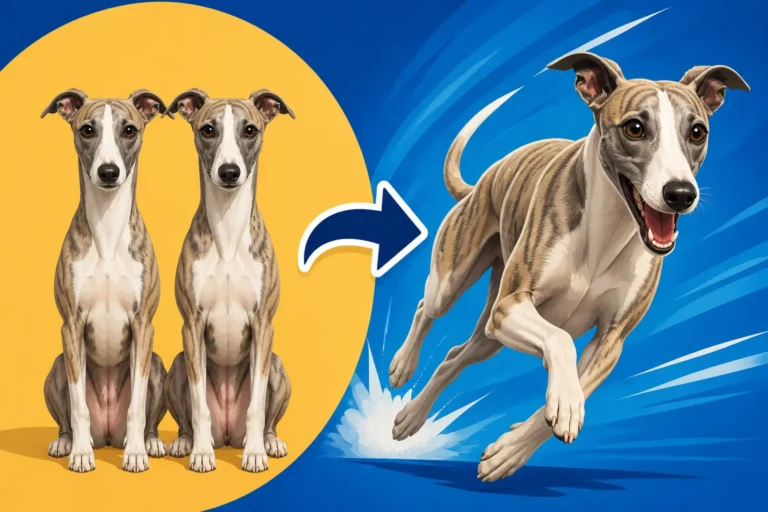
However, a Bully Whippet has two copies of this mutated gene. This means the brakes on muscle growth are essentially removed, leading to a dramatic increase in muscle mass, particularly noticeable in their hindquarters, shoulders, and neck. This is a crucial distinction, as the extreme overdevelopment that occurs when a Whippet has What Two Copies Do to a Whippet can lead to a host of unique anatomical challenges. It's not just about a bit more bulk; it's a complete change in their muscular architecture. This excessive musculature can sometimes create disproportionate development, impacting areas that aren't immediately obvious, like the skull and jaw.
More Than Just Muscle: Skeletal Changes
While the most visible effect of the myostatin mutation is the bulging muscles, it’s a misconception to think that the skeletal structure remains entirely unaffected. Bones and muscles have an intricate relationship; muscles attach to bones, and bone development is influenced by the forces and stresses placed upon them. With such an exaggerated increase in muscle mass, particularly around the head and neck, there can be subtle yet significant shifts in the underlying bone structure.
For a Bully Whippet, this extreme musculature can put different pressures on the skull and jaw bones during development. The sheer volume and density of these muscles might lead to a jaw structure that, while strong, isn't always perfectly proportioned for the teeth it needs to house, or it might alter the mechanics of how the jaw articulates. These changes aren't always glaring deformities, but rather subtle differences in shape and alignment that can predispose them to certain issues later in life. It's a complex interplay where the drive for powerful muscles can inadvertently create vulnerabilities in other areas.
Specific Jaw Problems in Bully Whippets
Given the unique physical development of Bully Whippets, their jaw structure can present a different set of challenges compared to their standard counterparts. The powerful musculature that defines their appearance can sometimes create an imbalance with the more delicate structures of the mouth. This can lead to issues that affect not just their comfort, but also their ability to eat and live without pain.
Dental Crowding and Misalignment
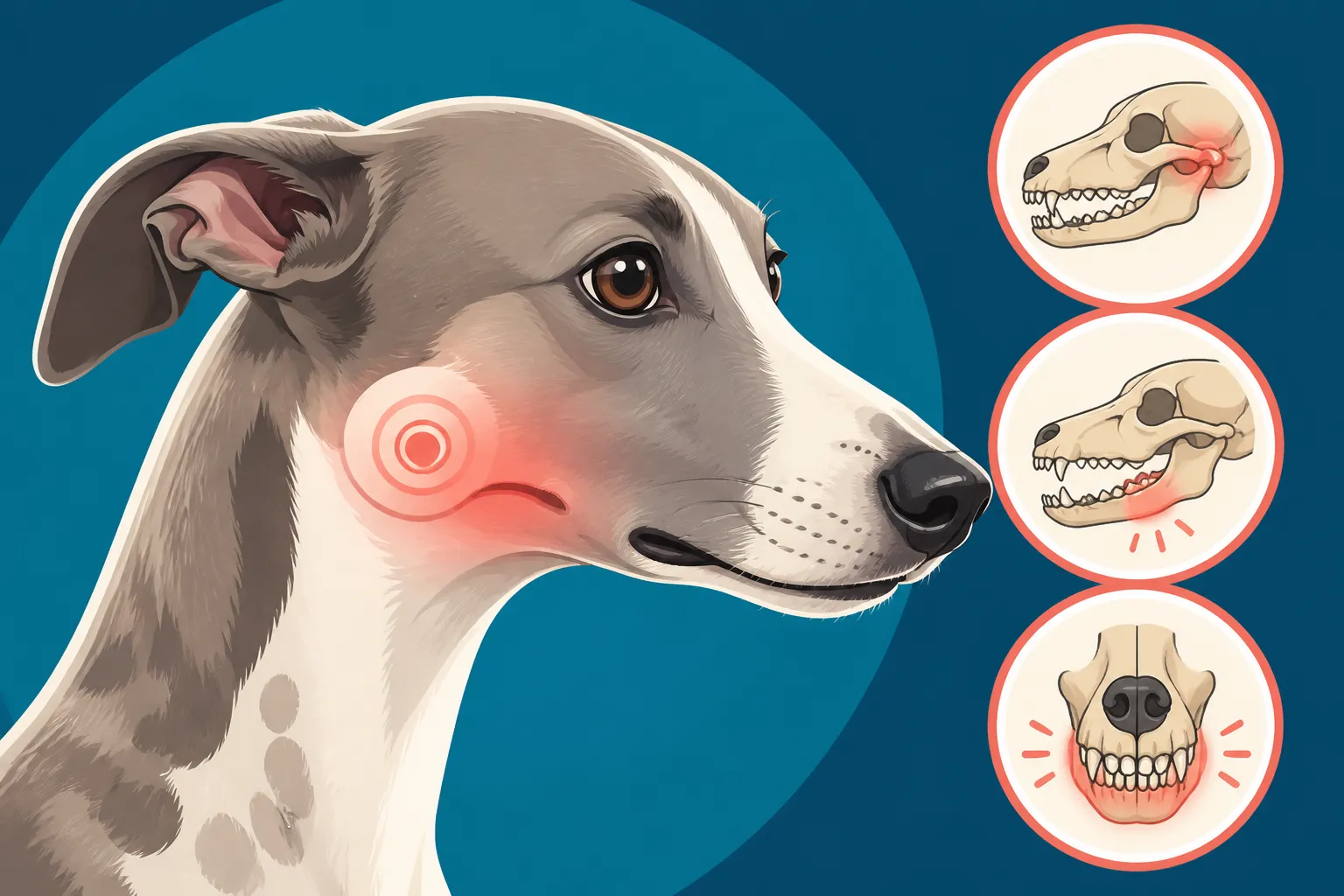
One of the more common issues observed in Bully Whippets can be dental crowding and misalignment, often referred to as malocclusions. Imagine having a set of teeth designed for a standard-sized jaw, but that jaw is now operating within a skull framework that has been altered by extreme muscle development. The result can be a mismatch: teeth might not have enough space, leading them to be rotated, pushed out of alignment, or even to erupt improperly. This can manifest as an overbite, underbite, or crossbite, where the upper and lower jaws don't meet correctly.
This crowding creates pockets where food particles and plaque can easily accumulate, making it incredibly difficult for owners to keep their dog's teeth clean, even with diligent brushing. This dramatically increases the risk of periodontal disease, characterized by inflamed gums, infection, and eventually, tooth loss. Many Whippet owners already worry about Whether a Whippet's Narrow Jaw Crowds Its Teeth, and for Bully Whippets, this concern can be even more pronounced due to the overall altered head conformation. Severely misaligned teeth can also rub against the gums or other teeth, causing painful abrasions or wear over time.
Increased Stress on Jaw Joints and Muscles
The powerful, hypertrophied muscles that give a Bully Whippet its distinctive look extend into the head and neck region, including those responsible for chewing and jaw movement. While these muscles are undeniably strong, their exaggerated size and force can put undue stress on the temporomandibular joints (TMJ) – the hinges connecting the jawbone to the skull. Over time, this constant, powerful exertion can lead to inflammation, pain, or even degenerative changes in these joints, similar to TMJ disorders seen in humans.
Think of it like an athlete consistently pushing their body to extremes; while they gain strength, certain joints might bear the brunt of that power. This isn't just about discomfort during chewing; it can affect the overall mobility of the jaw, leading to stiffness, difficulty opening the mouth fully, or even subtle changes in how they carry their head. These issues might not be immediately obvious, but they can contribute to chronic pain and reduced quality of life, silently impacting their daily activities and enjoyment of life.
Challenges with Normal Oral Function
When a Bully Whippet experiences dental crowding, misalignment, or stress on their jaw joints, it inevitably impacts their normal oral functions. The simple act of eating, which should be a joyous and instinctual activity for a dog, can become a painful chore. You might observe them struggling to pick up kibble, dropping food frequently, or showing a preference for softer foods they can swallow with less chewing. Some dogs might even develop an aversion to certain textures or types of chew toys, which is a significant red flag.
Beyond eating, these jaw issues can also affect other natural behaviors. They might be less inclined to engage in appropriate chewing activities, which are crucial for mental stimulation and dental health. In severe cases, pain or restriction in jaw movement could even impact their ability to yawn fully, pant effectively to regulate body temperature, or bark without discomfort. These seemingly small challenges can accumulate, leading to a diminished overall well-being. Owners might notice subtle behavioral changes, such as increased irritability or withdrawal, which could be linked to chronic oral pain.
Recognizing and Managing Jaw Issues
Catching potential jaw problems early in a Bully Whippet is absolutely key to preventing more serious complications and ensuring their comfort. These dogs are incredibly stoic, often hiding their pain, so it's up to us, their dedicated owners, to be vigilant and proactive. A keen eye and a good relationship with your veterinarian are your best tools here.
Signs to Watch For
It can be difficult to tell if your dog is experiencing discomfort, but there are several signs that might indicate a problem with their jaw or teeth. Pay close attention to their eating habits: are they suddenly eating more slowly, dropping food from their mouth, or turning away from their usual kibble? A preference for soft foods or only chewing on one side of their mouth can also be a tell-tale sign. Bad breath, often called halitosis, is never "normal dog breath"; it usually signals underlying dental disease, which crowding and misalignment only exacerbate.
Other signs might include excessive drooling or drooling that is tinged with blood, pawing at their mouth, or reluctance to let you touch their face or open their mouth. Sometimes, you might even notice swelling on one side of their face or a discharge from their nose or eyes if an infection is present. Beyond physical symptoms, changes in behavior such as lethargy, increased irritability, or a sudden disinterest in their favorite chew toys or games can all be subtle indicators of pain, including oral pain. If you notice any of these signs, don't wait; contact your vet right away.
Veterinary Diagnosis and Treatment Options
When you suspect your Bully Whippet might have jaw or dental issues, the first crucial step is a thorough veterinary examination. It's incredibly beneficial to find Whether a Whippet Needs a Vet Who Knows Sighthounds, as they understand the unique physiological quirks of these breeds. Your vet will conduct an initial oral examination, but often, the true extent of dental issues, especially below the gum line or involving the jaw joints, can only be assessed under anesthesia. This is where comprehensive dental X-rays come into play; they can reveal hidden problems like impacted teeth, bone loss, or issues with the TMJ that are invisible to the naked eye.
Treatment options will vary depending on the specific diagnosis. For dental crowding and malocclusions, treatments can range from simple extractions of problematic teeth to alleviate crowding and prevent gum damage, to more complex orthodontic procedures in severe cases (though this is less common for pets). If TMJ stress is identified, treatment might involve pain management with anti-inflammatory medications, dietary adjustments to minimize chewing effort, or even physical therapy to improve jaw mobility. Regular professional dental cleanings under anesthesia are essential for all Whippets, but even more so for those prone to crowding. Pet insurance providers like Healthy Paws can be a tremendous help in offsetting the costs of these specialized diagnostics and treatments, which can often be quite substantial.
Proactive Care and Prevention
While some issues may be inherent to their unique genetic makeup, there's a lot you can do proactively to support your Bully Whippet's jaw health and potentially prevent severe problems. Regular at-home dental care, including daily brushing with dog-specific toothpaste, is paramount. Start this early with your puppy to get them accustomed to the routine. Choosing appropriate chew toys that are gentle on the teeth and gums, but still satisfy their natural chewing instincts, is also important. Avoid extremely hard chews that could fracture teeth.
Diet plays a role too. While kibble can offer some abrasive action, it's often not enough. Discuss with your vet whether a softer diet, or even adding some dental-specific treats approved by the Veterinary Oral Health Council (VOHC), would benefit your dog. Most importantly, maintain a schedule of regular veterinary check-ups, ideally yearly, where their oral health is specifically assessed. Early detection truly makes all the difference, as addressing minor issues before they escalate can save your dog from pain and you from significant veterinary bills down the line. Remember, issues like The Thin Skin That Sends a Whippet to the Vet for Stitches are often immediately apparent, but dental issues can be far more insidious.
Living with a Bully Whippet's Unique Needs
Owning a Bully Whippet is a unique experience, and while their extraordinary physique is impressive, it does come with specific care considerations. Just like understanding their need for particular exercise routines, recognizing and adapting to their potential jaw and dental challenges is part of being a responsible and loving owner. It's all about tailoring their environment and care to suit their one-of-a-kind physiology.
Adapting Daily Routines
Once you've identified and started managing any jaw issues with your vet, you'll find that making a few adaptations to your daily routine can significantly improve your Bully Whippet's comfort and quality of life. For dogs with dental crowding or discomfort, consider offering softer foods or rehydrating their kibble with warm water or broth to make it easier to chew. Elevated food and water bowls can also sometimes help dogs with neck or jaw discomfort eat in a more natural, comfortable position, reducing strain.
Supervised chewing sessions are vital. If your dog struggles with certain chew toys, experiment with different textures and shapes, always prioritizing those recommended by your vet to be safe and effective without causing further dental wear or injury. You might even need to cut treats into smaller, more manageable pieces. The goal is to make eating and chewing as comfortable and pain-free as possible, allowing them to enjoy these fundamental activities without stress.
Financial Considerations
Let's be realistic: specialized veterinary care, particularly for dental issues that might require extractions, root canals, or even orthodontic work, can be a significant financial undertaking. It's not uncommon for a complex dental procedure to run into the hundreds or even thousands of dollars. This is often an unexpected expense that can catch owners off guard, much like the sudden need for Emergency Stitches: the Whippet Bill Nobody Budgets For.
This is precisely where pet insurance, such as a plan from Healthy Paws, can become an invaluable asset. While no one wants to think about their beloved pet needing extensive medical care, having a good insurance policy can provide immense peace of mind, allowing you to make medical decisions based on what's best for your Bully Whippet, rather than solely on your immediate budget. Comparing policies and understanding what they cover for dental and orthopedic issues is a wise move for any Bully Whippet owner, as these specialized breeds can sometimes accumulate higher veterinary bills over their lifespan compared to other breeds. Thinking ahead about the What a Sighthound Vet Costs Over a Whippet's Life can save a lot of stress down the line.
| Jaw Problem | Common Signs to Watch For | Potential Impact | Management/Treatment |
|---|---|---|---|
| Dental Crowding | Bad breath, visible rotated/overlapping teeth, red/swollen gums, pawing at mouth, difficulty eating. | Increased risk of periodontal disease, tooth decay, pain, infection. | Regular brushing, dental chews, professional dental cleanings, extractions for severe crowding. |
| Malocclusion (Bad Bite) | Dropping food, abnormal wear patterns on teeth, visible misalignment of jaws, mouth pain. | Difficulty chewing, potential soft tissue trauma, increased dental disease, TMJ stress. | Dental extractions, orthodontic intervention (rare), pain management, dietary adjustment. |
| TMJ Stress/Pain | Difficulty opening mouth, pain when yawning/eating, reluctance to chew, facial swelling, behavioral changes (irritability). | Chronic pain, reduced jaw mobility, difficulty with eating/grooming. | Pain medication, anti-inflammatories, soft diet, warm compresses, physical therapy. |
Disclaimer
This article is for general informational purposes only and does not constitute professional advice. Laws, prices and regulations vary by location and change over time. Consult a qualified professional for guidance on your specific situation.