Whether a Whippet’s Cut Always Needs Stitches
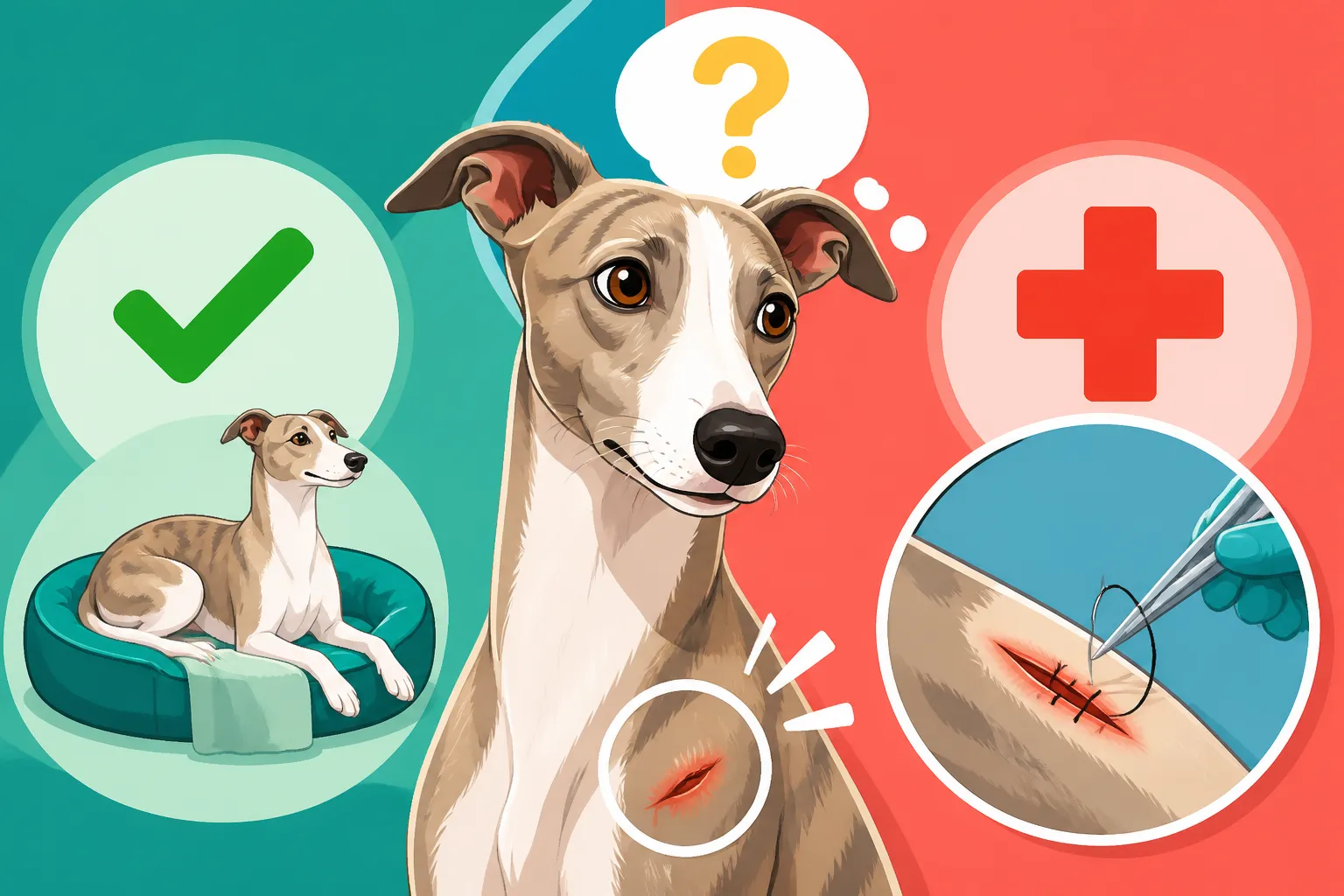
One of the most heart-stopping moments for any Whippet owner is discovering a nasty cut on their beloved dog. Their skin, a marvel of sleekness and speed, is also notoriously delicate, leading to a frantic internal debate: is this a minor scrape I can handle at home, or do we need to rush to the vet for stitches? This guide is here to walk you through how to assess your Whippet's wound, understand when professional intervention is absolutely necessary, and demystify the options beyond just traditional stitches.
The Unfortunate Reality: Whippet Skin and Injuries
If you own a Whippet, you've likely already discovered their skin is, shall we say, uniquely vulnerable. It’s part of their charm – that fine, close-lying coat and the way you can see every ripple of muscle beneath – but it also means they’re more prone to certain kinds of injuries. It’s a frustration many of us share, watching our graceful athletes acquire what look like battle scars from the most mundane of activities.
Why Whippet Skin is So Delicate
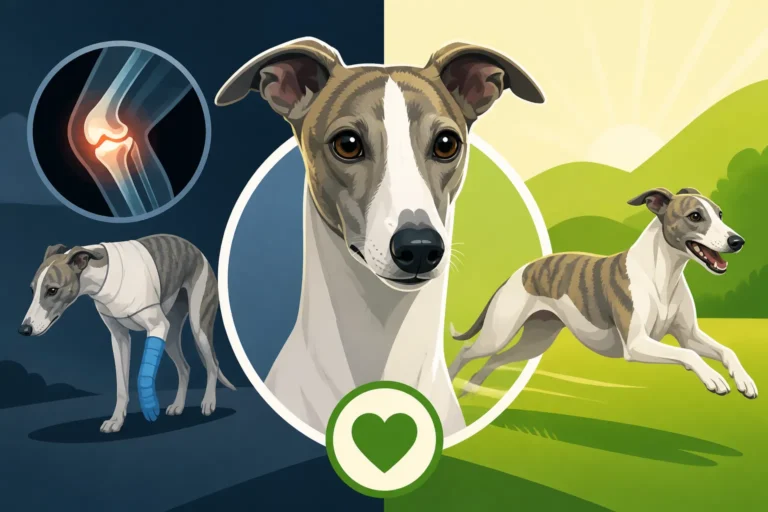
Whippets, like their larger Greyhound cousins, possess incredibly thin skin. This isn't a defect; it's an evolutionary trait perfectly suited for speed. Thinner skin is lighter and generates less friction, making them more aerodynamic. However, this comes at a cost in terms of durability. Unlike breeds with thicker, more robust coats and denser dermis, a Whippet's skin has very little subcutaneous fat and often very fine hair follicles. This lack of padding means there's less buffer between the surface and underlying muscle and bone. A minor brush against a sharp edge that another dog might barely notice can result in a significant tear for a Whippet. This vulnerability is a primary reason why you'll often read about "The Thin Skin That Sends a Whippet to the Vet for Stitches."
Think about it this way: imagine wearing a silk blouse instead of a heavy canvas jacket. Both are garments, but one offers significantly less protection against snags and tears. Our Whippets are essentially running around in silk blouses, and while beautiful, it requires a certain level of vigilance from us. This delicate nature also means that when a wound does occur, the edges can be quite fragile, making them more challenging to close securely.
Common Scenarios for Whippet Skin Tears
It's not always a dramatic event that causes a skin tear in a Whippet; sometimes it feels like a mystery. However, several common scenarios frequently lead to these unfortunate lacerations. Running full tilt through brush or even seemingly innocuous tall grass can result in long, linear tears, particularly on their legs and flanks. This is why many owners are cautious about where they allow their Whippets to really "open up" and run, opting for well-maintained, open fields rather than dense woodlands.
Another frequent culprit is playful roughhousing, especially with dogs of other breeds who might not understand the delicate nature of Whippet skin. A playful nip or even a clumsy pounce can easily snag and tear. Even household objects can pose a surprising risk. I've heard countless stories of Whippets tearing their skin on crate doors when trying to squeeze out, catching themselves on furniture corners, or even getting a leg caught in a chain-link fence during a moment of excitement. These aren't always high-impact accidents, but rather simple, everyday interactions that, because of their unique physiology, result in a trip to the vet. It’s a frustrating part of Whippet ownership, learning to anticipate and mitigate these almost invisible threats.
Understanding the Unique Challenges of Whippet Healing
Whippets don't just get cuts easily; they also present unique challenges when it comes to healing. Due to their thin skin and minimal fat, there’s less tissue for stitches to hold onto, which can sometimes lead to stitches pulling out prematurely. This is particularly true in areas with a lot of movement, like joints, or over bony prominences. Their efficient metabolism, while fantastic for their athletic prowess, also means they often run "cooler" than other breeds, which can slightly slow down the initial inflammatory phase of healing.
Furthermore, any kind of bandage or surgical cone can be a real hassle. Whippets are sensitive, and while a cone is often necessary to stop them from bothering a wound, it can be a source of stress. Getting a Whippet to tolerate a cone after stitches means extra patience, distraction, and often a lot of comfort to help them adapt. You might also find that "How Slowly a Whippet's Skin Heals" is a question on your mind, as these wounds can sometimes take a bit longer to fully knit than you might expect, especially if the tear was extensive or in a challenging location. This requires vigilant aftercare and careful monitoring to prevent infection and ensure proper closure.
When is a Cut More Than "Just a Scratch"? Assessing Wound Severity
It's natural to panic when you first see blood on your Whippet. But before you call the emergency vet in a full-blown frenzy, take a deep breath and try to assess the situation calmly. Not every cut demands immediate veterinary attention, but knowing when it does can literally be a lifesaver. This quick evaluation can help you determine the urgency and whether you need to prepare for a vet visit that includes closing the wound.
Depth, Length, and Location: Key Indicators
When assessing a cut on your Whippet, three factors are paramount: depth, length, and location.
- Depth: This is perhaps the most critical indicator. Is it just a superficial scrape, barely breaking the skin, or can you see deeper tissues, like fat, muscle, or even bone? If you can see anything beyond the very top layer of skin, or if the wound is "gaping" open, it's almost certainly going to need more than just a bandage. A deep cut significantly increases the risk of infection and complications if not properly closed.
- Length: Longer cuts (generally anything over half an inch to an inch, depending on the area) tend to gape more and are less likely to heal cleanly on their own. While a short, deep puncture wound is serious, a long, shallow laceration also struggles to close without help, increasing scarring and infection risk.
- Location: This can dictate both the difficulty of healing and the necessity of closure. Cuts over joints (like the elbow, hock, or knee), bony prominences (hips, shoulders), or areas of high movement (neck, chest, flanks) are much more likely to pull open if not stitched. Wounds on the head or face, especially near the eyes or mouth, also warrant immediate veterinary attention due to delicate structures and potential for functional impairment. On the other hand, a superficial scrape on a less mobile, well-muscled part of the leg might be managed more conservatively.
Bleeding and Contamination: Red Flags
Beyond the physical dimensions of the wound, excessive bleeding and potential contamination are major red flags that signal an urgent trip to the vet.
- Bleeding: A small amount of blood, even if it looks dramatic against a pale coat, can often be managed with direct pressure. However, if the bleeding is profuse, spurting (which indicates arterial damage), or simply doesn't stop after 5-10 minutes of continuous firm pressure, you need to seek emergency veterinary care immediately. Significant blood loss, especially in a smaller dog like a Whippet, can lead to shock. Try to apply direct pressure with a clean cloth or gauze pad, and keep your Whippet as calm as possible while you head to the clinic.
- Contamination: Open wounds are an invitation for bacteria, and a contaminated wound is a recipe for infection. If the cut occurred in a dirty environment (e.g., outside, in mud, from a rusty object, or if it's packed with debris like dirt, grass, or gravel), it's highly susceptible to infection. Even if the wound doesn't look deep, contamination significantly increases the need for thorough cleaning (debridement) and possibly antibiotics, which a vet is best equipped to handle. Puncture wounds, even if small on the surface, can be deceptively deep and carry contaminants far into the tissue, making them particularly dangerous and almost always warranting vet attention.
Signs Your Whippet Needs Immediate Veterinary Attention
Sometimes, it's not just the wound itself but the overall demeanor of your Whippet that signals an emergency.
- Lethargy or Weakness: If your normally energetic Whippet is suddenly listless, weak, or unresponsive after sustaining a wound, it could indicate significant blood loss, shock, or severe pain.
- Persistent Pain: While any cut will cause some discomfort, if your Whippet is continuously crying, yelping, or actively trying to chew or lick the wound despite your efforts to distract them, they might be in severe pain that requires professional management.
- Swelling or Discoloration: Any rapid or significant swelling around the wound, or a strange discoloration of the surrounding skin (beyond normal bruising), could indicate deeper tissue damage, a severe infection, or even a foreign object lodged inside.
- Lameness or Inability to Bear Weight: If the cut is on a leg and your Whippet cannot put weight on it, or is severely limping, it could suggest damage to tendons, ligaments, or even a fracture, requiring immediate veterinary assessment.
- Changes in Gum Color: Pale gums are a classic sign of blood loss or shock. If your Whippet's gums are anything other than a healthy pink (or their normal pigmented color), it's a serious emergency.
- Fever: While harder to gauge at home, if your Whippet feels unusually hot, it could indicate the onset of a systemic infection.
Always err on the side of caution. If you have any doubt, contacting your veterinarian or an emergency animal clinic is the safest course of action. They can advise you over the phone or tell you to come in immediately. Being prepared with a basic "What Belongs in a Whippet Owner's First Aid Kit" can help you manage initial bleeding and cover the wound during transport.
| Wound Type | Description | Likely Intervention |
|---|---|---|
| Superficial Abrasion | Scrape, graze, only top layer of skin removed, no gaping. | Cleaning, antiseptic, protective bandage. |
| Minor Laceration | Clean cut, shallow, less than 1 inch, no gaping, minimal bleeding. | Cleaning, possibly veterinary glue, or watchful waiting. |
| Deep Laceration | Clean cut, deeper layers visible (fat, muscle), gaping, moderate bleeding. | Stitches (sutures) or staples. |
| Puncture Wound | Small entry hole, potentially deep, high infection risk, minimal external bleeding. | Vet exam, cleaning, possible exploration, antibiotics. |
| Extensive Tear | Long, jagged, or wide-open wound, often with skin flaps, significant bleeding. | Stitches, often with debridement, possibly drains. |
| Contaminated Wound | Any wound with debris, dirt, or signs of infection. | Thorough cleaning by vet, stitches, antibiotics. |
Beyond Stitches: Other Methods for Closing Whippet Wounds
While "stitches" is often the first word that comes to mind, veterinary medicine offers several ways to close a wound, each with its own advantages and disadvantages, especially for a breed with delicate skin like a Whippet. Sometimes, what seems like a stitch-worthy injury can be managed differently, or a combination of techniques might be used to get the best outcome.
The Role of Veterinary Glue and Staples
For certain types of wounds, stitches aren't always the best or only option.
- Veterinary Glue (Tissue Adhesive): This can be a fantastic solution for clean, superficial cuts with edges that can be easily brought together without tension. It's often quicker to apply than stitches, doesn't require sedation for minor wounds, and doesn't need removal. For a Whippet, whose skin can be fragile, glue avoids the trauma of needle punctures and the potential for stitches to pull out. However, glue isn't suitable for deep wounds, contaminated wounds, wounds under tension, or those in areas with a lot of movement or moisture. It essentially holds the very top layers of skin together while the underlying tissue begins to heal. It’s a great option for "Whether a Whippet Wound Can Be Glued Instead" of stitched, but only if the wound meets specific criteria.
- Veterinary Staples: Staples are often used for straightforward, clean lacerations, especially on the body, where quick closure is needed. They are faster to apply than stitches, offer good strength, and are less likely to loosen than some types of sutures. Like stitches, they do require removal by a vet. For Whippets, staples can be a good choice for longer, linear cuts where rapid closure is beneficial, but they still involve punctures and can be uncomfortable if placed in highly mobile areas. Your vet will assess the wound, considering its nature and your Whippet's temperament, to determine if glue or staples are a viable alternative to traditional suturing.
When Bandaging and Conservative Management Suffice
Not every wound requires closure with glue, staples, or stitches. Sometimes, the best approach is conservative management, especially for abrasions or very minor lacerations.
- Cleaning and Protection: For superficial scrapes or small, non-gaping cuts, the primary goal is meticulous cleaning and protection. Your vet, or you at home with veterinary guidance, will thoroughly clean the wound with a mild antiseptic solution (like diluted chlorhexidine or povidone-iodine). After cleaning, a sterile non-stick pad is applied, often secured with self-adhesive vet wrap. This keeps the wound clean, prevents your Whippet from licking or chewing it, and promotes a moist healing environment, which is often optimal.
- Monitoring: With conservative management, diligent monitoring is key. You'll need to check the wound daily for any signs of infection (redness, swelling, heat, pus, foul odor) or if it's getting worse instead of better. Bandages need to be changed regularly to keep the wound clean and dry, especially for a breed like a Whippet, whose delicate skin can react poorly to prolonged moisture or adhesive. This approach is usually reserved for wounds that do not gape, are not deep, and show no signs of significant contamination or ongoing bleeding. It requires a commitment from the owner to follow through with regular checks and bandage changes.
Considerations for Difficult-to-Suture Areas
Some areas on a Whippet's body are notoriously difficult to suture effectively, making the decision process even more complex.
- Joints and High-Movement Areas: Wounds over joints, like elbows or hocks, are under constant tension as your Whippet moves. Stitches in these areas are much more likely to pull out or tear the delicate skin. In such cases, your vet might use special suture patterns, combine sutures with tissue adhesive, or recommend strict activity restriction. They might also prioritize deeper, stronger sutures to hold the underlying tissues, relying less on surface skin closure.
- Bony Prominences: Areas like the hip bones, shoulders, or even the skull have very little muscle or fat over them, making it challenging to get a good bite with stitches. The skin is directly over bone, increasing the risk of pressure sores from stitches and making healing more prolonged.
- Areas Prone to Swelling: The lower limbs, especially paws and lower legs, can swell easily. If a wound here is stitched too tightly, it can impede circulation. Your vet will have to balance closure with avoiding excessive constriction.
In these challenging locations, your veterinarian's expertise in sighthound anatomy and skin fragility becomes invaluable. They may suggest a slightly different approach, such as fewer, larger sutures, or even a staged repair, to minimize complications and ensure successful healing. You might also want to consult with an insurance provider like Healthy Paws, as unexpected complications or repeat procedures for difficult-to-heal wounds can quickly add up.
The Healing Journey: What to Expect After a Whippet's Injury
Once your Whippet's wound has been addressed by the vet, whether with stitches, glue, or careful bandaging, the real work of healing begins. This period requires patience, vigilance, and adherence to your veterinarian's instructions to ensure a smooth recovery and prevent complications.
Post-Procedure Care and Management
Bringing your Whippet home after a wound repair, especially if it involved sedation or stitches, requires careful attention to detail.
- Medication: Your vet will likely prescribe pain relief and, if infection is a concern, antibiotics. It's crucial to administer these exactly as directed. Whippets, being sensitive, can sometimes hide discomfort, so staying on top of pain management is key to their comfort and willingness to rest.
- Wound Protection: This is paramount. Most Whippets will come home with an Elizabethan collar (the dreaded "cone of shame") or an alternative such as an inflatable collar. This is not optional. Even if your Whippet hates it, it prevents them from licking, chewing, or scratching at the wound, which can pull out stitches, introduce bacteria, and severely impede healing. You may find yourself asking "Whether a Whippet Should Wear a Cone After Stitches" but the answer is almost always yes, for at least the initial healing phase.
- Restricted Activity: Depending on the wound's location and severity, your Whippet will need limited exercise. No jumping, no roughhousing, and short, leashed walks only. Excessive movement can pull at the healing tissues, reopen the wound, or cause stitches to fail. This can be challenging for an active Whippet, so creative ways to provide mental stimulation without physical exertion will be helpful.
- Keeping it Clean and Dry: Follow your vet's instructions regarding wound cleaning. Often, you'll be told to keep the wound dry. If bandaged, you’ll need to prevent it from getting wet, especially outdoors. If the wound is open to air, gently wipe any discharge as directed.
Monitoring for Complications and Infection
The first few days to a week after wound closure are critical for watching for signs of complications.
- Infection: This is the most common concern. Look for increased redness, swelling, heat around the wound, a foul odor, or any pus-like discharge. Even a subtle change in your Whippet's demeanor – lethargy, loss of appetite, or fever – could signal an infection. If you suspect infection, contact your vet immediately. They may need to prescribe different antibiotics or re-examine the wound.
- Stitch Failure/Opening: Check the wound daily to ensure the stitches (or glue/staples) are holding. If you notice any gaping, a stitch missing, or the wound edges separating, call your vet. This often happens if the Whippet was too active or if the delicate skin didn't hold the sutures well. This is particularly relevant given "Treating a Whippet's Skin Tear" can be complex.
- Swelling: Some mild swelling is normal initially, but excessive or rapidly increasing swelling could indicate fluid buildup, inflammation, or infection.
- Bruising: Whippets can bruise easily, especially around a fresh wound. While some bruising is normal, extensive or spreading bruising should be reported to your vet.
Remember, early detection and intervention for any complication can prevent a more serious issue down the road.
Long-Term Scarring and Skin Sensitivity
After the stitches come out (typically 10-14 days for a Whippet, though this can vary depending on the location and your vet's assessment), the wound will continue to heal and mature over several weeks to months.
- Scarring: While Whippets are known for their fine skin, they can still develop scars, especially from deeper lacerations or those in areas with more tension. These scars might be visible as a thin line, sometimes slightly raised or discolored. In most cases, these are purely cosmetic and don't bother the dog. However, some deep or wide scars can occasionally be sensitive to touch or cold.
- Hair Regrowth: Hair may or may not grow back fully over the scar. For Whippets with their very short, fine coats, the scar might remain hairless or have thinner hair than the surrounding area. Again, this is usually a cosmetic issue.
- Increased Sensitivity: The skin around a healed scar can sometimes be a bit more sensitive to touch, pressure, or even temperature changes. While rare, a Whippet might develop a "callus" or a slightly thickened patch of skin over a heavily scarred area, especially if it was on a bony prominence. Continued protection and comfortable bedding, similar to how we might prevent "The Pressure Sores a Whippet Gets From Sleeping on the Floor," can help minimize long-term issues.
Overall, with proper care, most Whippet skin tears heal remarkably well, leaving behind only a faint reminder of the incident.
Prevention and Preparedness: Minimizing Risks and Being Ready
While you can't completely eliminate the risk of your adventurous Whippet getting a cut, you can certainly minimize it and be better prepared for when it inevitably happens. Being proactive is key to keeping your delicate-skinned companion safe and ensuring you’re not caught off guard.
Environmental Adjustments for a Whippet-Safe Home
Making your home and yard Whippet-friendly is the first line of defense against cuts and tears.
- Indoor Hazards: Take a "Whippet's-eye view" of your home. Look for sharp furniture corners, exposed nails or screws, or anything that could snag delicate skin. Secure loose electrical cords, as a curious Whippet can accidentally cut themselves if they pull something down. Ensure crate doors are smooth and free of snags, as "Whether a Whippet Tears Its Skin on a Crate Door" is a common scenario.
- Outdoor Hazards: In your yard, regularly inspect fences for sharp edges or protruding wires. Trim back thorny bushes or plants that could cause lacerations. Remove any discarded metal objects, broken glass, or other debris that could be a hazard. If you have chain-link fencing, consider adding a protective barrier or mesh along the bottom to prevent your Whippet from trying to squeeze through and getting caught.
- Supervision During Play: When your Whippet is playing with other dogs, particularly larger or rougher breeds, supervise closely. A playful nip from a thick-skinned Bulldog could be a severe tear for a Whippet. Teach your Whippet to respect personal space and recall them if play gets too boisterous.
Essential Items for Your Whippet First Aid Kit
Every Whippet owner should have a well-stocked first aid kit specifically for their dog. This isn't just a suggestion; it's a necessity for this breed.
- Antiseptic Solution: Diluted chlorhexidine (like Hibiclens) or povidone-iodine are excellent for cleaning wounds.
- Sterile Gauze Pads and Non-Stick Dressings: To cover wounds and apply pressure.
- Self-Adhesive Vet Wrap: This is indispensable for securing dressings and providing light compression without sticking to fur. It's flexible and allows some airflow.
- Blunt-Tipped Scissors: For cutting bandages or fur around a wound.
- Medical Tape: For securing the ends of vet wrap or other dressings.
- Triple Antibiotic Ointment (without pain reliever): For very minor scrapes, but always consult your vet before applying to deeper wounds.
- Emergency Contact Info: Your vet's number, the nearest emergency vet clinic, and the ASPCA Animal Poison Control number.
- Clean Towels/Cloth: For applying direct pressure to bleeding wounds.
Having these items readily available means you can provide immediate care, stabilize the situation, and safely transport your Whippet to the vet if needed. "What Belongs in a Whippet Owner's First Aid Kit" is a topic worth exploring thoroughly before an emergency strikes.
The Importance of Knowing Your Vet's Emergency Protocol
Don't wait until an emergency to figure out what to do. Know your veterinarian's emergency procedures before something happens.
- Emergency Hours: Does your regular vet have emergency hours, or do they refer to an emergency clinic after hours?
- Emergency Clinic Location and Directions: Know where the nearest 24/7 emergency veterinary hospital is located and how to get there quickly. Keep their number saved in your phone.
- Financial Preparedness: Understand the potential "What a Whippet Laceration Repair Costs" and how you will cover it. This leads us to our next crucial point. Having a plan in place removes a layer of stress when you're already worried about your dog.
Financial Considerations: The Cost of Whippet Wound Care
Dealing with a Whippet's cut can be emotionally taxing, but it also often comes with an unexpected financial burden. Understanding these costs and having a plan in place can alleviate some of the stress when an accident happens.
Understanding the Variables in Treatment Costs
The cost of treating a Whippet's cut can vary wildly depending on several factors, making it hard to give a single estimate.
- Wound Severity: A small, superficial cut that can be glued or simply cleaned and bandaged will be far less expensive than a deep, extensive laceration requiring sedation, multiple stitches, and potentially debridement (removal of damaged tissue).
- Type of Closure: Veterinary glue is generally the least expensive closure method, followed by staples, and then traditional sutures, which require more time and skill to apply.
- Sedation/Anesthesia: This is often the biggest cost driver. Many Whippets, even the best-behaved, will require some level of sedation or even full anesthesia for proper wound cleaning and closure, especially if the wound is deep, painful, or in a sensitive area. "What Sedation Adds to a Whippet's Wound Repair" can easily double or triple the bill. It's also important to remember that "Why a Whippet Needs a Sighthound Anesthesia Protocol" due to their unique physiology means specialized care, which might incur higher costs.
- After-Hours/Emergency Fees: If your Whippet needs care outside of regular business hours, at an emergency clinic, expect higher fees. Emergency clinics typically have higher overheads and staff on call. "What an After Hours Vet Visit Costs for a Whippet" can be significant.
- Medications: Painkillers and antibiotics post-procedure add to the total.
- Follow-up Visits: Removal of stitches, rechecks for healing progress, or addressing complications can all incur additional consultation fees.
- Location of Clinic: Vet costs can vary significantly by region and even within different practices in the same city. A specialist or university veterinary hospital might also charge more than a general practice. For example, "What a Sighthound Vet Costs Over a Whippet's Life" can be a substantial sum.
The Value of Pet Insurance for Unexpected Injuries
Given the propensity for Whippets to get skin tears and other unforeseen injuries, pet insurance can be a literal lifesaver for your wallet. A severe laceration requiring emergency care, sedation, stitches, and follow-up can easily run into hundreds, if not over a thousand dollars.
- Peace of Mind: Knowing that a significant portion of your vet bill will be covered allows you to focus on getting your Whippet the best possible care, rather than agonizing over the cost. Companies like Healthy Paws offer comprehensive plans that typically cover accidents and illnesses, including laceration repairs, emergency visits, and prescribed medications. This means less stress about the financial impact of an unexpected injury.
- Coverage for Accidents: Most accident and illness plans will cover skin tears, broken bones, ingestion of foreign objects, and other sudden, unexpected medical needs. It's worth comparing plans to understand deductibles, reimbursement percentages, and "What a Whippet's Annual Deductible Should Be" for your specific budget.
- Long-Term Savings: While you pay a monthly premium, a single major incident can easily outweigh years of premiums. For a breed like a Whippet, prone to delicate skin and energetic pursuits, the likelihood of an accident over their lifetime is fairly high. Healthy Paws and similar providers can help manage these costs.
Budgeting for Whippet Health: Planning for the Unforeseen
Even with insurance, it's wise to have a dedicated fund for your Whippet's health.
- Emergency Fund: Aim to have at least a few hundred to a couple of thousand dollars saved for unexpected vet bills. This can cover deductibles, treatments not fully covered by insurance, or the initial costs of an emergency while you wait for insurance reimbursement.
- Routine Care: Don't forget to budget for routine care like annual check-ups, vaccinations, parasite prevention, and dental cleanings. While not directly related to acute injuries, preventative care keeps your Whippet healthy overall, which can aid in recovery from any injury.
- Consider "Wellness Plans": Some veterinary clinics offer wellness plans that bundle routine care, sometimes at a discount. While these typically don't cover emergencies, they help manage predictable costs.
By understanding the potential expenses and proactively preparing, you can ensure that when your Whippet inevitably gets a little too adventurous, you're ready to provide them with the care they need without added financial strain. Pet insurance, like that offered by Healthy Paws, can be a cornerstone of this financial preparedness for any Whippet owner.
Disclaimer
The information provided in this guide is for general informational purposes only and does not constitute veterinary advice. Always consult with a qualified veterinarian for any health concerns or before making any decisions related to your Whippet's care.