Whether a Nervous Whippet Overheats Under Anesthesia
It’s a totally understandable worry when your beloved Whippet needs a procedure involving anesthesia. We all fret, of course, but when your particular Whippet is already a bit on the nervous side, that anxiety gets amplified. You might wonder if their stress will make them overheat under anesthesia, adding another layer of danger to an already delicate situation. This guide is here to unravel that specific concern, explaining why your worries are valid and what steps you and your veterinarian can take to keep your precious sighthound safe and comfortable.
Understanding Anesthesia's Impact on Whippets
Let's be real, putting any dog under anesthesia is a serious decision, but with Whippets, there are some unique considerations that often make us, their owners, even more nervous. These aren't your average fluffy retrievers, and their unique physiology means the stakes can feel a little different.
Why Anesthesia is Riskier for Sighthounds Like Whippets
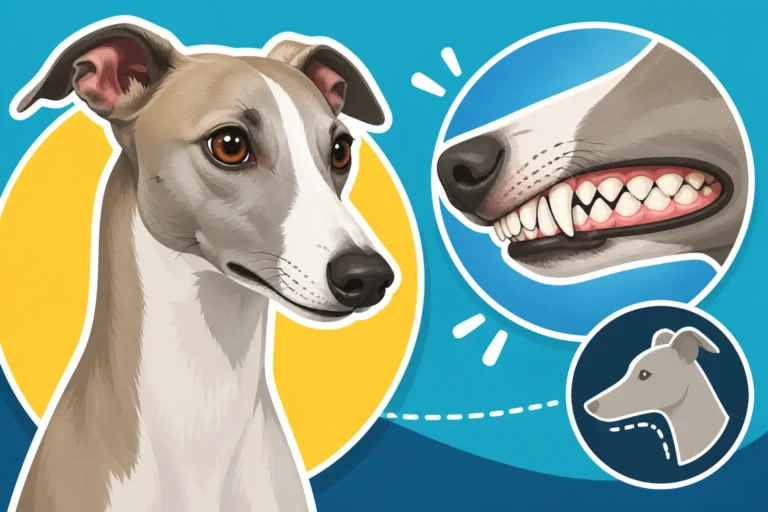
Our elegant Whippets are built for speed, not insulation. They have a strikingly low body fat percentage and a lean muscle mass, which plays a significant role in how their bodies handle and metabolize anesthetic drugs. Unlike breeds with more cushioning, Whippets don't have that extra layer of fat to store drugs, nor do they have it to keep them warm. This means they often metabolize drugs differently and can wake up much slower than other breeds.
Their unique physiology can lead to specific challenges. For instance, many sighthounds, including Whippets, are more sensitive to certain anesthetic agents, particularly those metabolized by the liver or requiring fat for distribution. This is a big reason why Why Anesthesia Is Riskier in a Whippet is a topic frequently discussed among sighthound owners and specialized veterinarians. Their lean build also means they lose body heat more rapidly during procedures, making temperature regulation a paramount concern. You can read more about this in our guide on Why a Lean Whippet Loses Body Heat Under Anesthesia.
The Role of Thermoregulation in Anesthesia
Thermoregulation is just a fancy word for your dog's ability to maintain a stable internal body temperature, regardless of the external environment. It's a complex process managed by the hypothalamus in the brain, acting like your dog's internal thermostat. When your Whippet is awake and healthy, this system works tirelessly to keep them at their optimal temperature, shivering if they're cold or panting if they're hot.
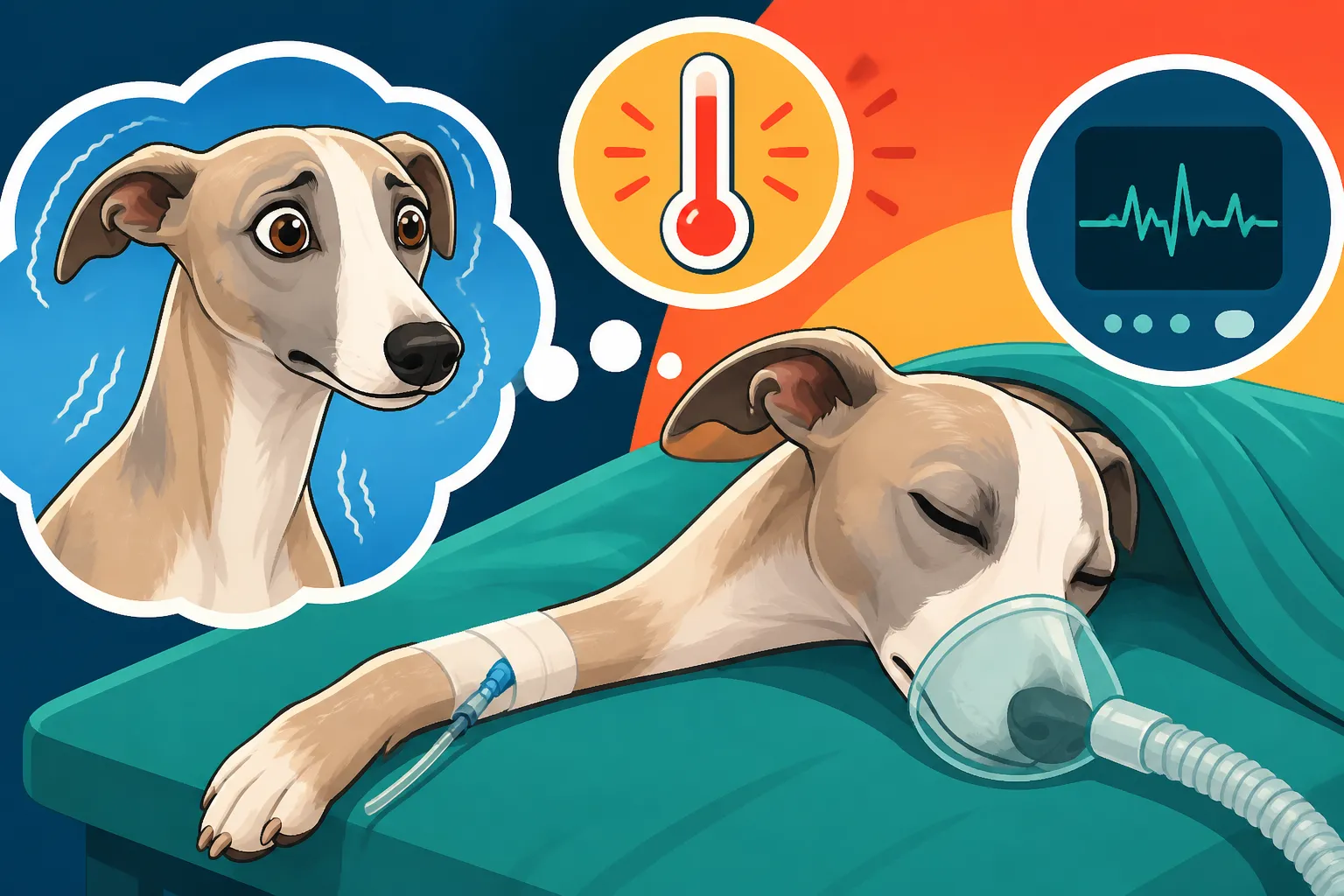
However, when anesthesia is introduced, this finely tuned system gets a serious disruption. Most anesthetic agents depress the central nervous system, effectively "turning down" or even "turning off" the hypothalamus's ability to regulate temperature. This is why hypothermia (abnormally low body temperature) is a much more common concern during and after anesthesia for any dog, and particularly so for a lean breed like a Whippet. They can't shiver effectively to generate heat, and their metabolism is slowed, further reducing heat production. So, while your initial thought might be overheating, the battle during surgery is often against becoming too cold.
The Specific Concern of Overheating in Nervous Whippets
It's natural to connect a nervous dog with an elevated body temperature. After all, when we're stressed, our hearts pound, our palms sweat, and we might feel flushed. Our dogs experience similar physiological responses to stress, but how does that translate when anesthesia enters the picture?
How Stress and Anxiety Affect Body Temperature
Imagine your Whippet arriving at the vet clinic, heart racing, panting slightly, eyes wide with apprehension. This is their "fight or flight" response kicking in. When a dog is stressed or anxious, their body releases adrenaline and other stress hormones. This physiological cascade leads to an increased heart rate, elevated blood pressure, and a heightened metabolic rate. Think of it like their internal engine revving up.
This surge in metabolic activity can indeed cause a temporary increase in body temperature. They're literally burning more energy just by being stressed. So, it's completely valid for you to notice your nervous Whippet feeling warmer than usual before a procedure and to worry about this escalating into overheating once they're under. This pre-anesthetic anxiety is more than just an emotional state; it has tangible physical effects that your veterinary team needs to be aware of and manage.
The Paradox: Whippets and Temperature Regulation Under Stress vs. Anesthesia
Here's where the concern gets a little nuanced. As we just discussed, a nervous Whippet might indeed have a slightly elevated body temperature before anesthesia due to anxiety and a high metabolic rate. Their stress response kicks everything into overdrive. This is why many vets will take a baseline temperature upon arrival and note the dog's demeanor.
However, the moment those anesthetic drugs are administered, the body's internal thermostat is essentially turned off. The primary and most prevalent risk associated with anesthesia for a Whippet, or any sighthound for that matter, is hypothermia—the dangerous drop in body temperature. The drugs themselves, combined with the lack of movement, exposure to cool operating room air, and often cold IV fluids, all conspire to cause heat loss. So, while your nervous Whippet might start off a little warmer, the anesthetic itself works against that, often leading to a significant drop.
The paradox, then, is that while you're rightly concerned about initial overheating from stress, the real battle during the procedure is often to prevent them from getting too cold. A veterinarian's job is to carefully manage this balance. If a dog starts significantly hyperthermic (truly overheated) due to extreme stress before anesthesia, the vet might need to take steps to cool them down slightly before induction to ensure a safer starting point, but this is less common than the battle against hypothermia. The crucial takeaway is that the stress-induced temperature rise is temporary and typically overridden by the profound effects of anesthesia on thermoregulation. The important thing is for the veterinary team to be aware of the dog's starting temperature and anxiety levels.
Anesthetic Protocols and Temperature Management
Given these unique challenges, a well-thought-out anesthetic protocol and diligent temperature management are absolutely crucial for your Whippet, especially if they lean towards the anxious side. This isn't just about administering drugs; it's a comprehensive approach to safety.
Pre-Anesthetic Protocols for Nervous Whippets
Managing anxiety before anesthesia even begins is a game-changer for nervous Whippets. Reducing stress not only makes the experience less traumatic for your dog but also helps stabilize their physiology, making anesthesia safer. Many veterinarians will utilize pre-medication tailored to your dog's temperament. Common options include drugs like gabapentin or trazodone, which can be given at home a few hours before the appointment. These anxiolytics help to gently calm your Whippet, taking the edge off their nervousness without heavy sedation.
Beyond medication, the environment itself plays a huge role. A calm, quiet waiting area, minimizing loud noises and excessive handling, and allowing your Whippet to settle in with you can make a big difference. Some clinics even offer separate, quieter entrances or allow you to wait in your car until it's time for the procedure. Discussing your Whippet's anxiety with your vet beforehand is key so they can prepare. This pre-emptive calm can help prevent that stress-induced temperature elevation we talked about, making the entire process smoother and safer. It's a proactive step that can have a significant positive impact on their well-being.
Monitoring and Maintaining Temperature During Anesthesia
Once your Whippet is under anesthesia, vigilant temperature monitoring becomes paramount. This isn't a "set it and forget it" situation; it requires constant attention from the veterinary team. They will typically use a rectal thermometer, taking readings at regular intervals throughout the procedure. This real-time data allows them to react quickly if your Whippet's temperature starts to dip too low.
To combat the almost inevitable heat loss, vets employ several proactive warming techniques. Forced-air warming blankets, often referred to by the brand name Bair Hugger, are incredibly effective. These blankets inflate with warm air and gently circulate it over your Whippet's body, providing a consistent source of warmth. Circulating warm water blankets, which lie beneath your dog, are another excellent option, offering conductive heat. Additionally, intravenous (IV) fluids are often warmed before being administered, preventing a cold infusion from further chilling your dog's core temperature. These measures are critical for Warming a Whippet During Surgery and ensuring they don't experience dangerous hypothermia. You'll want to ensure your vet confirms they have these warming protocols in place, as companies like Healthy Paws, which provide pet insurance, understand that proper care includes these essential safety measures.
Post-Anesthetic Recovery and Temperature
The care doesn't stop once the surgery is over and your Whippet is moved into recovery. This phase is just as critical for temperature management, as your dog is still metabolizing anesthetic drugs and regaining full control over their body functions. Whippets, as we know, can take longer to wake up. Our guide on How Slowly a Whippet Wakes From Sedation goes into more detail on this, and a slower wake-up means a longer period where their thermoregulation isn't fully operational.
During recovery, the veterinary team will continue to monitor your Whippet's temperature closely. They'll often keep them wrapped in warm blankets, sometimes even heated ones, or continue using forced-air warming devices until their temperature has stabilized and they are fully alert. It's not uncommon for Whippets to shiver as they emerge from anesthesia, not necessarily because they are cold now, but as their body tries to kick-start its thermoregulatory system. Ensuring a warm, quiet, and comfortable recovery space is vital. Once they are cleared to go home, your vet will provide instructions on how to keep them warm and what signs to watch for, reinforcing the continuity of care beyond the clinic doors.
Choosing the Right Veterinary Care for Your Whippet
Finding the right veterinary team for your Whippet is one of the most important decisions you'll make as an owner, especially when it comes to procedures like anesthesia. Not all clinics are created equal, and specialized knowledge can make all the difference for our unique sighthounds.
The Importance of a Sighthound-Savvy Vet
This cannot be stressed enough: Whippets are not just "small dogs" when it comes to medical care. Their distinct physiology—from their lean body mass and unique bloodwork parameters to their specific drug sensitivities—means they require a veterinarian who truly understands sighthounds. A vet who has experience with Whippets and other sighthounds will be well-versed in adjusting anesthetic protocols, recognizing normal sighthound bloodwork (which can look "off" for other breeds), and managing their recovery.
For example, knowing Which Drugs a Whippet Should Not Be Given is critical, as certain common anesthetics or sedatives can have prolonged or adverse effects on sighthounds. They'll also be aware of the increased risk of hypothermia and have proactive warming measures in place. If you're wondering Whether a Whippet Needs a Vet Who Knows Sighthounds, the answer is a resounding yes, especially for anesthesia. Don't be shy about asking potential vets about their experience with sighthounds; it's a perfectly valid question to ensure your Whippet receives the safest, most appropriate care. The peace of mind that comes with knowing your vet is truly knowledgeable is invaluable, and it often saves a lot of potential worry and stress for both you and your dog.
Communicating Your Whippet's Temperament and Needs
You know your Whippet best. You see their subtle cues, their moments of anxiety, and what truly makes them comfortable. This intimate knowledge is a powerful tool when communicating with your veterinary team. Before any procedure, have an open and honest discussion about your Whippet's temperament. Explain if they are particularly nervous at the vet, if certain sounds or situations trigger anxiety, or if they've had specific reactions to previous medications.
Don't hesitate to ask specific questions about the anesthetic protocol they plan to use. Inquire about their pre-medication strategy for anxious dogs, what specific anesthetic agents they use for sighthounds (for instance, many vets prefer Propofol as a Whippet's Safer Option), and how they plan to monitor and maintain your Whippet's temperature throughout the procedure and recovery. Discussing Whether a Whippet Needs Pre Anesthetic Bloodwork is also a good idea, as it provides a crucial baseline for their health. This proactive communication ensures that the veterinary team is fully informed and can tailor the care to your Whippet's individual needs, turning a potentially stressful experience into one that is as smooth and safe as possible. Remember, you are your Whippet's best advocate.
Preparing Your Nervous Whippet for a Stress-Free Vet Visit
Even with the best veterinary team, a nervous Whippet can still present challenges. As owners, there's a lot we can do to help prepare our dogs, making vet visits—especially those involving anesthesia—far less daunting.
Desensitization and Positive Reinforcement
Building positive associations with the vet clinic long before an actual procedure is one of the most effective strategies for a nervous Whippet. This is where desensitization and positive reinforcement truly shine. Instead of only visiting the vet when something bad is happening (like shots or an illness), try "happy visits." These are short, non-medical visits where your Whippet simply goes to the clinic, gets a treat from the reception staff or vet techs, receives some gentle praise, and then leaves. The goal is to make the vet's office a place where good things happen, not just scary things.
Start small, perhaps just walking past the clinic, then entering the waiting room, then stepping on the scale, all while showering them with high-value treats and calm, positive reinforcement. Many veterinary practices are very supportive of this approach. This gradual exposure, paired with positive experiences, can significantly reduce anxiety. It teaches your Whippet that the vet isn't inherently threatening and can help prevent that pre-visit panic that often leads to elevated stress hormones and, potentially, an increased body temperature. Remember, How a Whippet Learns When It Bruises From Pressure means they are incredibly sensitive, so gentle, positive methods are always best.
At-Home Comfort Measures and Support
The preparation for a vet visit, particularly one involving anesthesia, extends beyond the clinic doors and into your home. Your Whippet picks up on your emotions, so maintaining a calm and reassuring demeanor yourself is vital. Try to keep routines as normal as possible leading up to the appointment.
On the day of the procedure, bring along familiar comfort items. A favorite blanket or a bed that smells like home can provide a sense of security in an unfamiliar environment. If your Whippet usually sleeps under covers, consider bringing a blanket for them during recovery—our guide on Whether a Whippet Needs a Coat Indoors highlights their need for warmth even at home. After the procedure, follow all post-operative instructions diligently. Ensure they have a warm, quiet, and comfortable place to recover, away from drafts or disturbances. Offer easily digestible food and plenty of fresh water, and continue to provide reassurance and quiet companionship. The goal is to create an environment of safety and predictability, minimizing any additional stress during their recovery. Your consistent, calm support is the best medicine for a nervous Whippet.
Table: Temperature Concerns Under Anesthesia: Whippet vs. General Breed
Here's a quick look at how temperature management considerations might differ for a Whippet compared to a general, less sighthound-specific breed under anesthesia. This highlights why your vet's specialized knowledge is so important.
| Feature / Concern | General Breed Considerations | Whippet-Specific Considerations |
|---|---|---|
| Body Fat Percentage | Varies widely, generally higher, offering more insulation. | Very low, meaning less insulation and faster heat loss. |
| Metabolic Rate | Standard metabolic rate for drug metabolism. | Generally slower drug metabolism due to lean body mass. |
| Primary Temperature Risk | Hypothermia (low body temp) is common. | Hypothermia is highly likely and a major concern due to lean body. |
| Nervousness & Temp. | Pre-anesthetic stress can cause temporary temp elevation. | Pre-anesthetic stress can cause temporary temp elevation, but profound hypothermia risk once induced. |
| Warming Protocol | Important, but sometimes less aggressive protocols used. | Absolutely critical; aggressive warming protocols are essential. |
| Anesthetic Drug Choice | Wide range of drugs typically safe and effective. | Careful selection of drugs needed; some are prolonged/risky. |
| Recovery Time | Varies, often quicker wake-up times for many breeds. | Often prolonged and slower wake-up times, requiring extended warming and monitoring. |
| Vet Experience | General veterinary experience is usually sufficient. | Sighthound-savvy vet experience is highly recommended for optimal safety. |
Disclaimer
This article is intended for informational purposes only and does not constitute veterinary advice. Always consult with a qualified veterinarian regarding your Whippet's specific health concerns and before making any decisions about their care, especially concerning anesthesia or medical procedures.