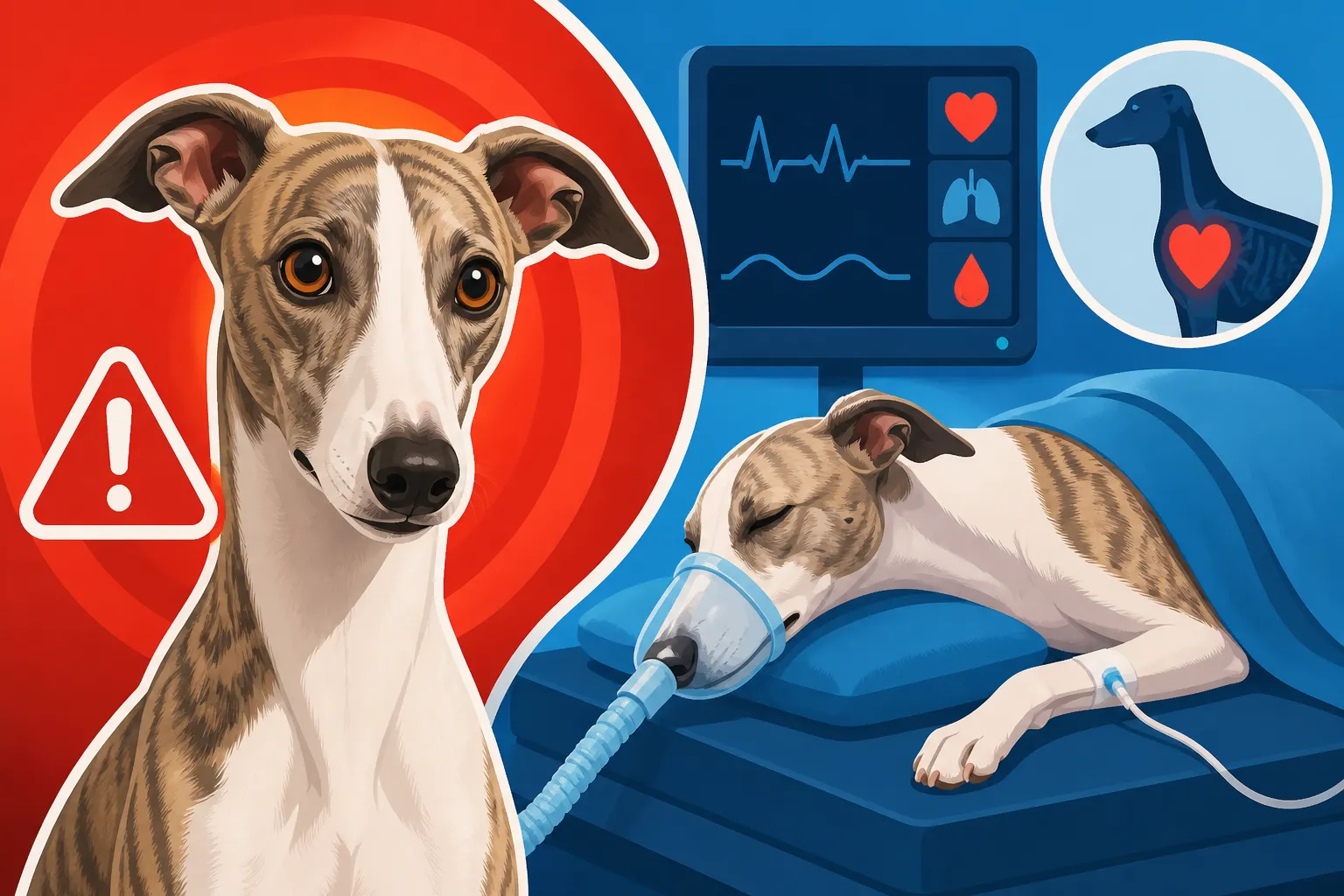
Why Anesthesia Is Riskier in a Whippet
It’s a moment every Whippet owner dreads: the vet says your beloved companion needs surgery or a dental procedure, and suddenly you’re hit with the stark reality that anesthesia isn't quite the same for a sighthound as it is for other breeds. The worry starts immediately, fueled by snippets of information about their unique physiology and a nagging fear of complications. This comprehensive guide is here to unravel those anxieties, explain precisely why anesthesia carries more inherent risks for Whippets, and empower you with the knowledge to ensure the safest possible outcome for your precious, thin-skinned friend.
The Unique Physiology That Makes Whippets Different Under Anesthesia
Whippets are magnificent creatures, built for speed and agility, and their sleek, athletic bodies are a testament to centuries of selective breeding. But what makes them such incredible athletes also presents a distinct challenge when it comes to veterinary anesthesia. Their unique physiological makeup means that what works perfectly well for a Labrador or a Poodle might be problematic, or even dangerous, for a Whippet.
Why Their Lean Build is a Challenge
One of the most striking features of a Whippet is their incredibly lean physique. They carry very little body fat, often appearing quite thin by general dog standards. While this is perfectly healthy for the breed, it profoundly impacts how they process and recover from anesthesia. Anesthetic drugs, particularly those that are fat-soluble, tend to linger in the system longer when there isn't much fat to absorb and gradually release them. This can lead to a much slower and more prolonged recovery. Imagine the drug having nowhere to "hide," so it just keeps circulating, affecting the brain and central nervous system for an extended period. This isn't just about being a little groggy; it can mean a significantly delayed return to consciousness and coordination, increasing the risk of aspiration or injury during the crucial wake-up phase. Moreover, their lack of insulating fat makes them incredibly susceptible to hypothermia during surgical procedures, a risk we'll delve into further. Their thin skin, which is so prone to tears and scrapes in everyday life, also demands extra care for IV lines and surgical incisions.
A Metabolically Efficient System
Whippets possess a highly efficient metabolism, finely tuned for bursts of explosive energy rather than prolonged endurance. This efficiency also extends to how their bodies process medications. While some might assume a faster metabolism means drugs clear quicker, it’s actually a more nuanced situation. Their lean muscle mass and specific liver enzyme pathways can sometimes mean certain drugs are metabolized differently or even more slowly than in other breeds, leading to an accumulation effect. This can make predicting the duration of drug action tricky for veterinarians who aren't familiar with sighthound peculiarities. It's not just about how fast they run; it's about how efficiently their internal systems operate, which can paradoxically make them more sensitive to drug dosages designed for the average canine.
Their Distinct Cardiovascular System
You might have heard that Whippets have big hearts, and it's not just a poetic sentiment – it's often a literal truth! They, like many sighthounds, can have hearts that appear larger on X-rays and a naturally higher red blood cell count (packed cell volume) compared to other breeds. While these traits are perfectly normal for a healthy Whippet and indicative of their athletic prowess, they can sometimes cause confusion in diagnostic settings if a vet isn't familiar with sighthound norms. For example, a high red cell count might be misread as dehydration or polycythemia in another breed, leading to unnecessary interventions. Similarly, an enlarged heart might be mistaken for a condition like dilated cardiomyopathy. These factors require a vet experienced with sighthounds to accurately interpret bloodwork and imaging, ensuring that any pre-anesthetic assessments are based on correct baseline information. Understanding The Bloodwork Numbers That Look Wrong on a Healthy Whippet is crucial for their overall health management.
Common Anesthetic Risks Whippet Owners Must Understand
Beyond their unique physiological traits, these characteristics translate into specific, elevated risks during anesthesia that every Whippet owner should be acutely aware of. It’s not about fear-mongering, but about informed decision-making and preparedness.
Temperature Regulation Difficulties
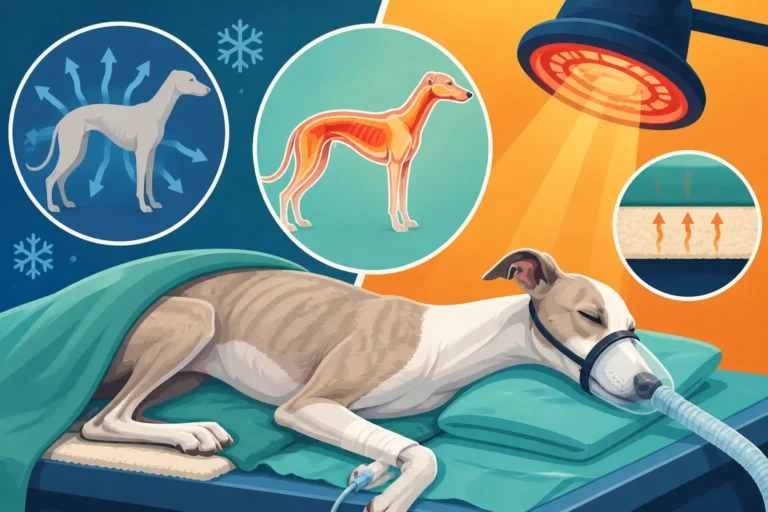
This is arguably one of the biggest and most immediate concerns for a Whippet under anesthesia. Their minimal body fat acts as a poor insulator, and their large surface area relative to their body mass means they lose heat rapidly. Coupled with the fact that anesthesia itself interferes with the body's natural thermoregulation, hypothermia becomes a very real and dangerous threat. A drop in body temperature can slow down metabolism even further, prolonging drug effects, increasing recovery time, and potentially leading to serious complications like cardiac arrhythmias or impaired organ function. Imagine trying to keep warm in a brisk wind with only a thin shirt on – that's essentially what your Whippet is experiencing on a cold surgical table, even in a warm room. This is why Why a Lean Whippet Loses Body Heat Under Anesthesia is such a critical consideration.
Drug Sensitivity and Prolonged Sedation
Whippets are notoriously sensitive to many commonly used anesthetic and sedative agents. This isn't just an anecdotal observation; it's a well-documented breed-specific trait. Drugs like acepromazine, a tranquilizer often used as a pre-medication in other dogs, can cause profound and prolonged sedation in Whippets, sometimes leading to hours of grogginess and an increased risk of hypotension. Similarly, certain injectable anesthetics, particularly older thiobarbiturates (like Thiopental), are very slowly metabolized in sighthounds, leading to an incredibly extended and difficult recovery period. This sensitivity means that dosages need to be carefully calculated and often significantly reduced compared to other breeds, requiring a vet who is not only aware but also experienced in adapting their protocols. This can be one of the reasons How Slowly a Whippet Wakes From Sedation often surprises new Whippet owners.
Blood Pressure Concerns During Procedures
Hypotension, or low blood pressure, is a common side effect of many anesthetic drugs in all animals. However, in sighthounds like Whippets, their already efficient circulatory system, combined with drug sensitivity and potential for hypothermia, can make them particularly susceptible to significant drops in blood pressure during surgery. Prolonged hypotension can lead to reduced blood flow to vital organs, potentially causing kidney damage, brain injury, or other serious complications. Close monitoring of blood pressure throughout the procedure is absolutely critical, and the veterinary team must be prepared to intervene quickly with intravenous fluids and appropriate medications to maintain a healthy blood pressure range. This requires vigilant observation and a thorough understanding of sighthound physiology.
Essential Pre-Anesthetic Steps to Prepare Your Whippet
Given these heightened risks, preparation is key. As a Whippet owner, you play an active role in advocating for your dog, starting long before the day of the procedure. The right pre-anesthetic care can make all the difference in ensuring a smoother and safer experience.
Comprehensive Physical Examinations and Health History
Before any anesthetic procedure, a thorough physical examination is non-negotiable. This isn't just a quick once-over; it's a detailed assessment of your Whippet's overall health, including heart and lung sounds, gum color, hydration status, and body condition. The vet should pay particular attention to their lean frame, understanding that a visible spine or ribs are normal, not a sign of malnourishment. Equally important is providing a complete and accurate health history. Be sure to inform your vet about any previous anesthetic experiences, even minor ones, and any known sensitivities or unusual reactions. Discuss their typical behavior, energy levels, and any medications or supplements they currently take. This comprehensive picture helps the vet tailor the best possible anesthetic plan.
Crucial Pre-Anesthetic Bloodwork
Pre-anesthetic bloodwork provides a vital snapshot of your Whippet's internal organ function, allowing the vet to identify any underlying issues that could increase anesthetic risk. This typically includes a complete blood count (CBC) to check red and white blood cells, and a chemistry panel to assess kidney and liver function, blood glucose, and electrolyte levels. For Whippets, understanding their normal, sometimes atypical, bloodwork values (like naturally higher red blood cell counts) is paramount. A vet who isn't familiar with sighthound physiology might misinterpret these values, potentially leading to unnecessary delays or incorrect diagnoses. For example, a Whippet's packed cell volume often looks "anemic in reverse" compared to other breeds. Always ask if your vet uses sighthound-specific reference ranges where available, or at least understands their unique baselines. This pre-screening is an investment in safety.
Tailored Anesthesia Protocols
This is where a veterinarian's expertise with sighthounds truly shines. There isn't a one-size-fits-all approach to anesthesia, and for a Whippet, a standard protocol simply won't cut it. A tailored protocol means selecting specific drugs, dosages, and monitoring techniques that account for their lean body mass, metabolic rate, and drug sensitivities. It’s about being proactive, not reactive. This might include using combinations of drugs to achieve sedation and pain control at lower individual doses, utilizing short-acting agents that metabolize quickly, and ensuring robust temperature management from start to finish. If your vet suggests Why a Whippet Needs a Sighthound Anesthesia Protocol, consider it a strong indicator that they are knowledgeable about the breed's specific needs. Don't hesitate to discuss their experience with sighthounds and their proposed anesthetic plan in detail.
Navigating Anesthetic Choices: Safer Options for Whippets
The choice of anesthetic agents is paramount in minimizing risk for Whippets. While some older drugs pose significant concerns, modern veterinary medicine offers much safer alternatives when used judiciously and by experienced hands.
Identifying Drugs to Avoid or Use with Caution
Some drugs are best avoided entirely or used with extreme caution and at significantly reduced doses in Whippets. As mentioned, the sedative acepromazine can cause profound and prolonged sedation and hypotension. Similarly, older thiobarbiturates, like Thiopental, are notoriously problematic due to their slow metabolism in sighthounds, leading to very long and difficult recoveries. It's crucial for your vet to be aware of Which Drugs a Whippet Should Not Be Given or used only with extreme care. Even commonly used opioids for pain control need careful consideration, as some can cause dysphoria or excitement in certain sighthounds, requiring alternative choices or careful monitoring.
Consider this table comparing general anesthetic considerations for Whippets vs. other breeds:
| Aspect | General Breed Anesthesia | Whippet Anesthesia (Sighthound Protocol) |
|---|---|---|
| Body Fat | Moderate to high; good insulation | Very low; poor insulation, high hypothermia risk |
| Drug Metabolism | Variable, often predictable | Unique enzyme pathways, slower for some drugs |
| Temperature Control | Generally stable; active warming if needed | Critical active warming (pre-, intra-, post-op) required |
| Drug Sensitivity | Varies by breed; standard dosing often effective | Highly sensitive; lower doses often required for specific drugs |
| Recovery Time | Typically awake within 30-60 minutes post-gas | Can be prolonged, 1-3+ hours common to full awareness |
| Pre-medication | Common tranquilizers (e.g., Acepromazine) | Specific choices (e.g., Dexmedetomidine, Midazolam) to avoid prolonged sedation |
| Injectable Induction | Thiobarbiturates sometimes used | Ultra-short-acting agents (e.g., Propofol, Alfaxalone) preferred |
| Pain Management | Standard NSAIDs, opioids | Multimodal approach, careful opioid selection |
Preferable Anesthetic Agents and Combinations
Fortunately, modern veterinary anesthesiology has moved towards safer protocols. For Whippets, the preference is for ultra-short-acting injectable induction agents that are rapidly metabolized, largely by the liver, independent of fat stores. Propofol as a Whippet's Safer Option is a prime example, as it allows for a smooth induction and rapid clearance, leading to a much quicker and cleaner wake-up than older alternatives. Alfaxalone is another excellent choice. For maintenance, inhalant anesthetics like isoflurane or sevoflurane are generally considered safe and controllable, allowing the veterinary team to adjust the anesthetic depth minute by minute. Often, a "multimodal" approach is used, combining small doses of several different drugs (e.g., a sedative, an opioid, and an anti-anxiety medication) to achieve optimal sedation and pain control with fewer side effects than a single high dose of one drug.
The Importance of Multimodal Pain Management
Pain management is not just about comfort; it's a critical component of a safe anesthetic experience and recovery, especially for a sensitive breed like the Whippet. Pre-emptive pain control, meaning administering pain medication before the procedure even begins, significantly reduces the amount of anesthetic needed and helps prevent the "wind-up" phenomenon where pain becomes harder to control once established. A multimodal approach combines different types of pain relievers that target various pain pathways, such as NSAIDs (non-steroidal anti-inflammatory drugs), opioids, and local anesthetic blocks. This strategy provides superior pain relief with fewer side effects from any single drug. Ensuring your Whippet is comfortable reduces stress, promotes a smoother recovery, and minimizes the risk of self-trauma during the sometimes disorienting wake-up period.
Monitoring Your Whippet During and After Anesthesia
The best anesthetic plan in the world is only as good as the monitoring and recovery care provided. This phase is arguably the most critical for a Whippet, demanding constant vigilance and specialized attention.
Critical Intraoperative Monitoring Parameters
During anesthesia, constant monitoring is non-negotiable. For a Whippet, this goes beyond just checking a pulse. The veterinary team should be meticulously monitoring a range of vital signs, including:
- Heart Rate and Rhythm: Using an ECG to detect any arrhythmias.
- Respiratory Rate and Effort: Ensuring adequate oxygenation and ventilation.
- Blood Pressure: Continuously measuring blood pressure to detect and correct hypotension promptly.
- Body Temperature: This is paramount for Whippets. Active warming devices, like forced-air blankets or circulating warm water pads, should be used throughout the procedure to prevent hypothermia. Warming a Whippet During Surgery is not just a nice-to-have, it's a life-saver.
- Oxygen Saturation (SpO2): Measured with a pulse oximeter, ensuring their blood is carrying enough oxygen.
- End-tidal CO2 (EtCO2): Monitoring the carbon dioxide levels in their exhaled breath, which provides crucial information about ventilation and circulation.
Human monitoring of these parameters is complemented by electronic devices, but an experienced veterinary nurse or technician dedicated to monitoring your Whippet throughout the procedure is invaluable.
Supporting a Slow and Safe Recovery
Recovery from anesthesia can be the trickiest part for a Whippet. As they slowly wake up, they might be disoriented, unsteady, and vocal. Because they can take How Long a Whippet Takes to Wake From Anesthesia – often hours more than other breeds – the recovery area needs to be warm, quiet, and supervised. Your Whippet should remain wrapped in warm blankets, ideally on a heated recovery pad, until their body temperature is fully normalized. They should be observed constantly for any signs of distress, difficulty breathing, or excessive pain. Patience is key; rushing a Whippet's recovery can lead to anxiety, injury, or further complications. The veterinary team should provide a calm, supportive environment, reassuring them gently as they come around.
What to Watch For Once Home
Once your Whippet is cleared to go home, your role in their recovery continues. Don’t expect them to be their usual self immediately. They might still be a bit wobbly, drowsy, or even slightly nauseous. Keep them in a warm, quiet, and safe place away from stairs or other hazards. Offer small amounts of water a few hours after they are fully awake, and a small, bland meal if they are not nauseous. Monitor their incision site (if applicable) for swelling, redness, or discharge. Watch for signs of lingering sedation, such as extreme lethargy or difficulty walking, and contact your vet if you have any concerns. Persistent vomiting, difficulty breathing, or extreme pain also warrant an immediate call to your veterinary clinic. Remember, they may take 24-48 hours to fully return to normal, and even then, their personality might be a little "off" for a few days due to the lingering effects of medication and the stress of the procedure.
Planning for the Unexpected: Financial and Practical Considerations
Understanding the heightened risks for Whippets under anesthesia inevitably leads to practical questions about cost and preparedness. Quality care for a sighthound often requires specialized knowledge and equipment, which can impact the final bill.
The Cost Implications of Specialized Sighthound Care
Because of their unique needs, providing safe anesthesia for a Whippet can sometimes come with a higher price tag. This isn't because vets are trying to gouge you, but because it often requires:
- More expensive, ultra-short-acting anesthetic drugs.
- Advanced monitoring equipment and the dedicated staff to operate it.
- Additional warming devices and longer recovery times, which demand more staff attention.
- Potentially referring to a specialist veterinary practice if your regular vet is not comfortable with sighthound protocols.
These investments in safety are absolutely worth it. When choosing a vet for any procedure requiring anesthesia, it's perfectly reasonable to ask about their experience with sighthounds and their specific protocols. Finding Whether a Whippet Needs a Vet Who Knows Sighthounds is paramount to their safety. Don't be shy about asking for a detailed estimate of costs, so you can budget appropriately.
The Role of Pet Insurance
Given the potential for unexpected health issues or complex procedures throughout a Whippet's life, pet insurance can be an invaluable financial safety net. A comprehensive policy can help cover the costs of emergency vet visits, specialized diagnostics, and, crucially, anesthetic procedures and their associated care. Companies like Healthy Paws offer various plans that can significantly reduce out-of-pocket expenses when unexpected medical needs arise. While you still pay a monthly premium (which can vary, see What Insuring a Whippet Costs Monthly), knowing that a large portion of a significant vet bill for an emergency surgery or a complex dental will be reimbursed provides immense peace of mind. It’s an investment that can allow you to make medical decisions based on what’s best for your Whippet, rather than solely on financial constraints. Many owners find that the security it offers outweighs the monthly cost, especially with a breed like the Whippet prone to sensitive skin requiring Whether Insurance Covers a Whippet's Emergency Stitches.
Advocating for Your Whippet's Best Care
Ultimately, you are your Whippet's primary advocate. Don't hesitate to ask questions, voice concerns, and seek clarification on any aspect of their care. If something doesn't feel right, or if your vet seems unfamiliar with sighthound-specific protocols, it's okay to get a second opinion. Look for a veterinary practice that actively promotes sighthound-safe anesthesia and has staff members who are genuinely knowledgeable about the breed's unique physiology. Educate yourself, stay informed, and always trust your gut. Your active participation in your Whippet's healthcare journey is the best way to ensure they receive the safest, most compassionate, and most effective care possible, especially when it comes to something as serious as anesthesia.
Disclaimer
This article is for general informational purposes only and does not constitute professional advice. Laws, prices and regulations vary by location and change over time. Consult a qualified professional for guidance on your specific situation.