Why Whippet Owners Waved Cloth at the Finish Line
If you’ve ever watched a Whippet utterly light up at the sight of a squirrel darting across the yard or a plastic bag skittering in the wind, you’ve witnessed a powerful instinct in action. For centuries, this innate drive was not just admired but actively honed by their working-class owners, leading to the unique and fascinating tradition of waving cloth at the finish line during early Whippet races. This wasn't just a quirky habit; it was the very essence of how these incredible dogs were motivated to achieve breathtaking speeds.
The Genesis of Whippet Rag Racing: A Glimpse into History
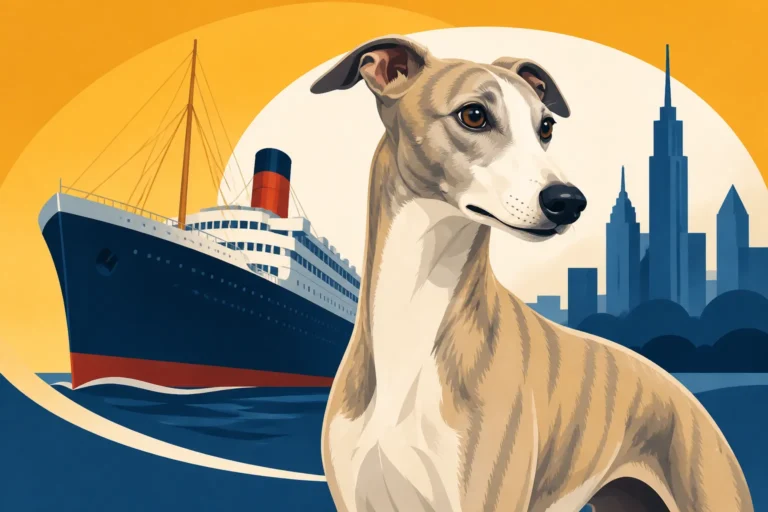
Imagine the harsh realities of life in the industrial heartlands of England, particularly in the coal-mining communities of the 19th century. Leisure time was scarce, and disposable income even scarcer. Yet, the human spirit yearns for entertainment, for competition, and for a loyal companion. This is the crucible in which the Whippet, the "poor man's racehorse," was forged, and with it, the sport of rag racing.
The Miners' Companion and the Birth of a Sport
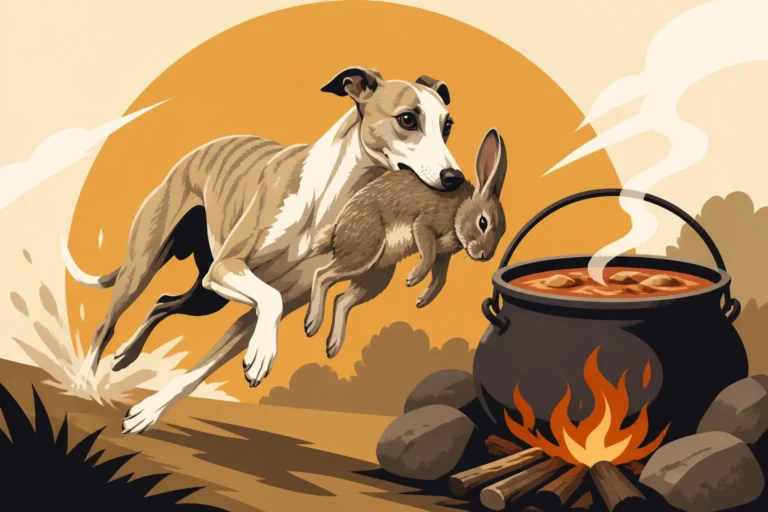
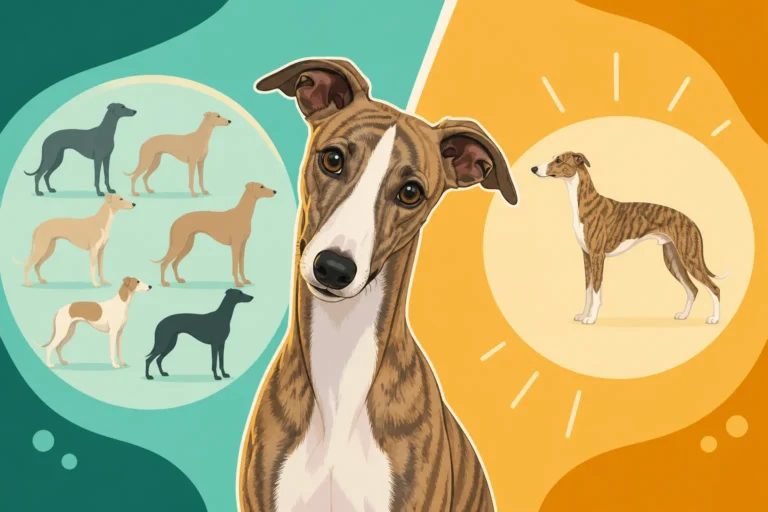
The miners of northern England couldn't afford the grand, elegant Greyhounds that graced the estates of the gentry. They needed a dog that was fast, compact, and economical to keep, yet possessed the same incredible drive to chase. By crossing smaller sighthounds with various terrier types, they developed the Whippet. These dogs lived in their homes, often sharing their beds for warmth, and were cherished family members during the week. But come Sunday, they transformed into fierce competitors. The Poor Man's Racehorse: Whippets in the Northern Coalfields
The races themselves were a spectacle of community spirit and fervent wagering. Neighbors, friends, and entire families would gather, eager to see whose Whippet would prove the fastest. These weren't elaborate tracks; often, they were simply long, straight stretches of open ground, sometimes fields, sometimes quiet country lanes. The beauty of it lay in its simplicity and accessibility. It was a sport for the people, by the people, and it provided a much-needed escape and a chance, however slim, to earn a little extra for the week.
A Matter of Survival and Skill
Winning a rag race wasn't just about bragging rights; it often involved significant wagers, representing a week's wages or more for the participants. This meant that every detail, every nuance of training and motivation, was critically important. A Whippet that could consistently outrun its rivals was a valuable asset, not just emotionally but financially. The entire setup of the race was designed to maximize the Whippet's natural speed and prey drive, culminating in that crucial moment at the finish line. Rag Racing and the Week's Wages Riding on a Whippet
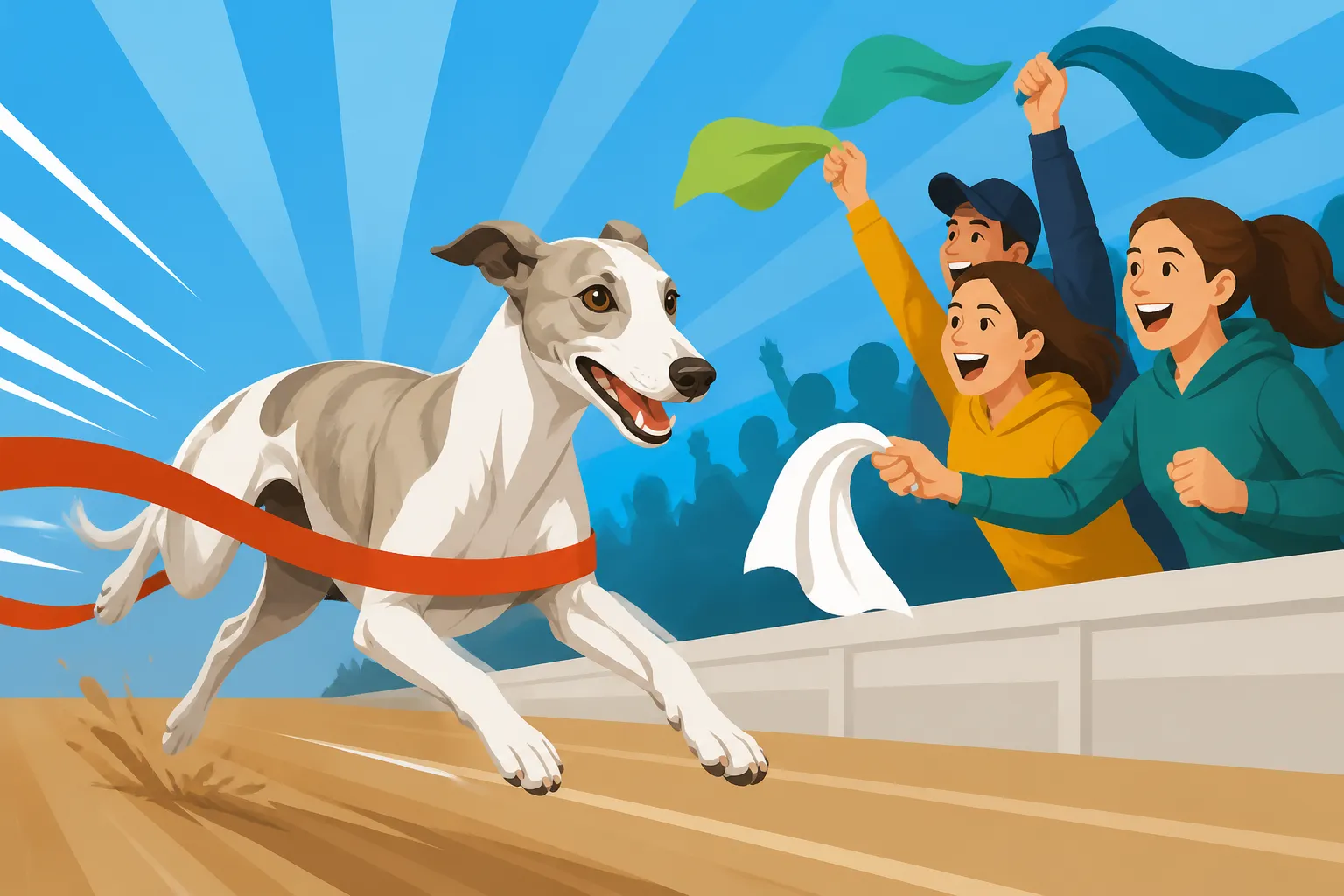
The starting gun would fire, or perhaps a simple shout would mark the beginning, and the Whippets would burst forth. Their sleek bodies, built for incredible acceleration, would cover the ground in a blur. But what drove them forward with such relentless focus? It wasn't just the desire to win; it was the irresistible pull of the lure, the waving cloth, held by their owner at the finish line. This visual trigger was key to unlocking their full potential.
The Art of the Lure: Why a Waving Cloth Worked So Well
At the heart of rag racing was a profound understanding of the Whippet's psychology and physiology. These dogs are finely tuned hunting machines, designed by centuries of selective breeding to spot, chase, and capture fast-moving prey. The waving cloth was a masterstroke in exploiting these inherent traits.
Tapping into Deep-Seated Instincts: The Whippet's Prey Drive
Whippets, like all sighthounds, are primarily visual hunters. Their large, wide-set eyes are excellent at detecting movement, especially across open ground. Once something catches their eye and moves quickly away, their instinct to pursue is almost undeniable. This is their "prey drive"—a hardwired, powerful urge to chase. The fluttering, dancing cloth, often a brightly colored handkerchief or piece of fabric, perfectly mimicked the erratic movement of small game.
For a Whippet, that rag wasn't just a piece of fabric; it was a rabbit bolting from cover, a hare streaking across a field. It activated every nerve ending, every muscle fiber, triggering an explosive response. This explains why even today, a Whippet’s recall can go out the window if a squirrel makes a sudden dash. Why a Whippet's Chase Instinct Overrides Its Recall The visual stimulus is so potent that it can override almost all other learned behaviors, focusing their entire being on the chase.
The Visual Cue for Maximum Speed
The owner standing at the finish line, vigorously waving the cloth, served multiple critical functions. Firstly, it provided a clear target. Whippets are intelligent, but in the heat of a sprint, they need an undeniable focal point. The waving cloth was exactly that—a beacon telling them precisely where to direct their monumental efforts. It removed any ambiguity, allowing them to focus solely on running as fast as possible in a straight line.
Secondly, the movement of the cloth was crucial for maintaining and even accelerating their speed. As the Whippet closed the distance, the owner would continue to wave the rag, sometimes even pulling it slightly away or side-to-side, mimicking the evasive maneuvers of prey. This constant, dynamic visual encouraged the dog to put in that extra burst of speed, that final, desperate surge to "catch" the prize. It was a psychological trick that ensured the Whippet gave every ounce of effort right up to the very last stride. How Fast a Whippet Actually Runs
The Personal Connection: A Familiar Face and a Reward
Beyond the pure prey drive, there was also a deep personal connection at play. The person waving the rag was usually the Whippet's owner—the person they lived with, trusted, and bonded with deeply. This adds another layer of motivation: the desire to reach their beloved human, combined with the anticipation of a reward. Upon reaching the owner, the Whippet would often be allowed to "catch" the rag, tugging at it excitedly, feeling the satisfaction of a successful hunt.
This interaction reinforced the positive association with the chase and the owner, cementing the Whippet's desire to participate again. It wasn't just about the chase; it was about the communal joy of the sport, the bond with their owner, and the ultimate satisfaction of the catch. This blend of primal instinct and affectionate partnership made rag racing a powerful and effective method for showcasing the Whippet's incredible athleticism.
Beyond the Track: Echoes of the Rag in Modern Whippet Life
While formal rag racing as practiced in the coalfields might be a thing of the past, the instincts that drove those early Whippets are very much alive and well in our modern companions. Understanding this heritage helps us better appreciate and manage our Whippets today.
The Enduring Prey Drive in Our Pet Whippets
Even if your Whippet spends its days napping on the sofa and only races from the kitchen to its bed, that primal prey drive is still simmering just beneath the surface. A sudden rustle in the bushes, a squirrel scampering up a tree, or even a leaf blowing across the pavement can trigger an instant, explosive chase response. This is why the advice for Whippet owners remains consistent: never trust a Whippet off-leash in an unfenced or uncontrolled area. Why a Whippet Cannot Be Let Off Leash in an Open Field
That same instinct that propelled a miner's Whippet towards a waving rag is the same one that could send your beloved pet darting into traffic or disappearing over the horizon in pursuit of a perceived prey. Their focus becomes absolute, and their hearing, typically quite good, might as well vanish when the chase is on. It's not disobedience; it's instinct taking over.
Channeling Instincts: Lure Coursing and Fast CAT
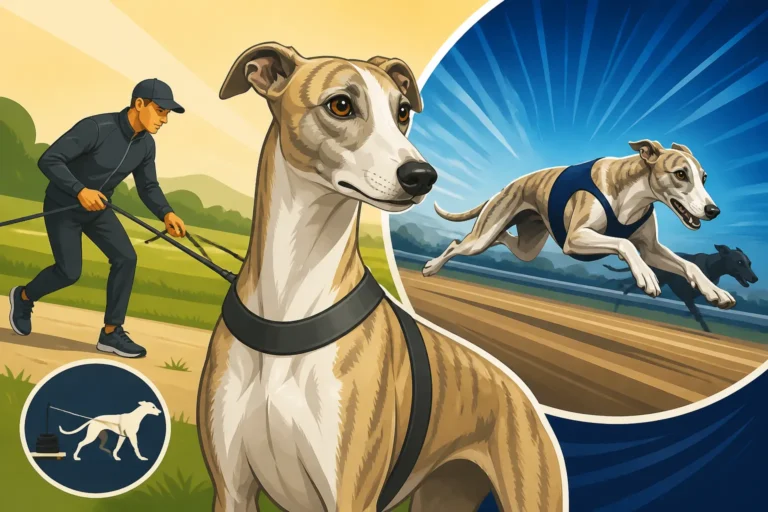
Thankfully, modern dog sports have evolved directly from this rich history, offering safe and exhilarating outlets for your Whippet's natural prey drive. Lure coursing, for instance, involves a mechanical lure (often a plastic bag or piece of fabric) rapidly pulled across a field on a string, mimicking the erratic movements of a rabbit. Whippets, true to their heritage, absolutely adore it. They get to run, chase, and feel the thrill of the hunt in a safe, controlled environment.
Another popular sport is Fast CAT (Coursing Ability Test), offered by the AKC. Here, dogs chase a lure down a straight, 100-yard dash, timed for speed. It’s a fantastic way to let your Whippet stretch their legs and embrace their inner racer. These activities provide not just physical exercise but also immense mental stimulation, fulfilling a deep-seated need. When preparing for these events, or even just for fun in a secure field, ensure your Whippet has appropriate gear and plenty of hydrating treats, which you can often find readily available through online pet supply retailers like Chewy. How Lure Coursing Channels a Whippet's Drive
Training with Movement and Motivation
Understanding the power of visual lures also informs how we train our Whippets. While we might not be waving rags for basic obedience, incorporating movement and high-value, moving toys can be incredibly motivating for these dogs. A quickly moving toy or a treat tossed a short distance can engage their focus and make training feel less like work and more like play. Positive reinforcement, often involving chase-and-reward games, taps into their natural inclinations.
It's about understanding what truly drives your Whippet. For many, it's not just a tasty treat, but the thrill of the chase itself, or the opportunity to engage with a favorite toy in a dynamic way. By leveraging this understanding, we can make training more effective and enjoyable for both ends of the leash. Remember, a Whippet will put its whole heart into something it perceives as a fun, engaging chase, which is often what they "work for." What a Whippet Will Work For
Preserving the Heritage: How the Tradition Lives On
The tradition of waving cloth at the finish line for Whippets is more than just a historical footnote; it’s a testament to the ingenuity of their breeders and a fascinating insight into the breed's very soul. It's a living legacy that continues to shape our understanding and enjoyment of these remarkable dogs.
Historical Significance and Cultural Memory
The story of rag racing is deeply woven into the cultural fabric of the communities where Whippets originated. It speaks volumes about the relationship between working people and their dogs, highlighting a time when a dog's speed could mean the difference between winning a wager and going home empty-handed. It's a reminder of a simpler, yet harder, time when ingenuity and natural talent were celebrated. The image of a miner, perhaps after a long week in the pits, proudly waving a rag to spur his beloved Whippet to victory is a powerful one.
This history grounds the Whippet in a context of functionality and athleticism. It reminds us that beneath the elegant, often sleepy demeanor of our modern pets lies the heart of a finely tuned athlete, bred for bursts of incredible speed and driven by an unwavering instinct to chase. How a Whippet Rag Race Was Run
Modern Sporting Adaptations
Today, while you might not see quite as many hand-waved rags, the spirit of those original races lives on in organized events. Whippet racing organizations, such as the National Oval Track Racing Association (NOTRA) and the American Sighthound Field Association (ASFA), continue to provide venues for Whippets to compete. These organizations standardize the courses and use mechanical lures, making the sport fair and safe for all participants, but the core principle—a visual lure stimulating an explosive chase—remains unchanged.
These modern events ensure that the Whippet's athletic prowess and unique instincts are not lost to history. They offer owners a chance to participate in a thrilling sport that truly allows their dogs to shine. Whether you're a seasoned racer or a curious newcomer, you'll find a community that appreciates the heritage and the sheer joy of watching a Whippet fly. Stocking up on essential gear and recovery items for these active dogs is easy with accessible options like Chewy, ensuring your Whippet is always ready for their next sprint. What Lure Coursing and Fast CAT Cost a Whippet Owner The joy of seeing your Whippet accelerate down the track, ears pinned back, eyes fixed on the lure, is a direct connection to those historical moments when a simple waving cloth brought an entire community to its feet.
| Feature | Historical Rag Racing (19th Century) | Modern Lure Coursing / Fast CAT (Today) |
|---|---|---|
| Lure Type | Waved cloth (rag), typically by owner | Mechanical lure (plastic bags, fabric) on a line |
| Track | Open fields, country lanes, informal | Sanctioned tracks (oval/straight), fenced areas |
| Motivation | Prey drive, owner bond, potential winnings | Prey drive, sport, titles, owner enjoyment |
| Safety | Variable, relied on owner control | High, controlled environments, trained staff |
| Competition | Community wagering, local pride | Structured events, recognized titles/organizations |
| Primary Driver | Visual stimulus & chase instinct | Visual stimulus & chase instinct |
Disclaimer
This article is for general informational purposes only and does not constitute professional advice. Laws, prices and regulations vary by location and change over time. Consult a qualified professional for guidance on your specific situation.