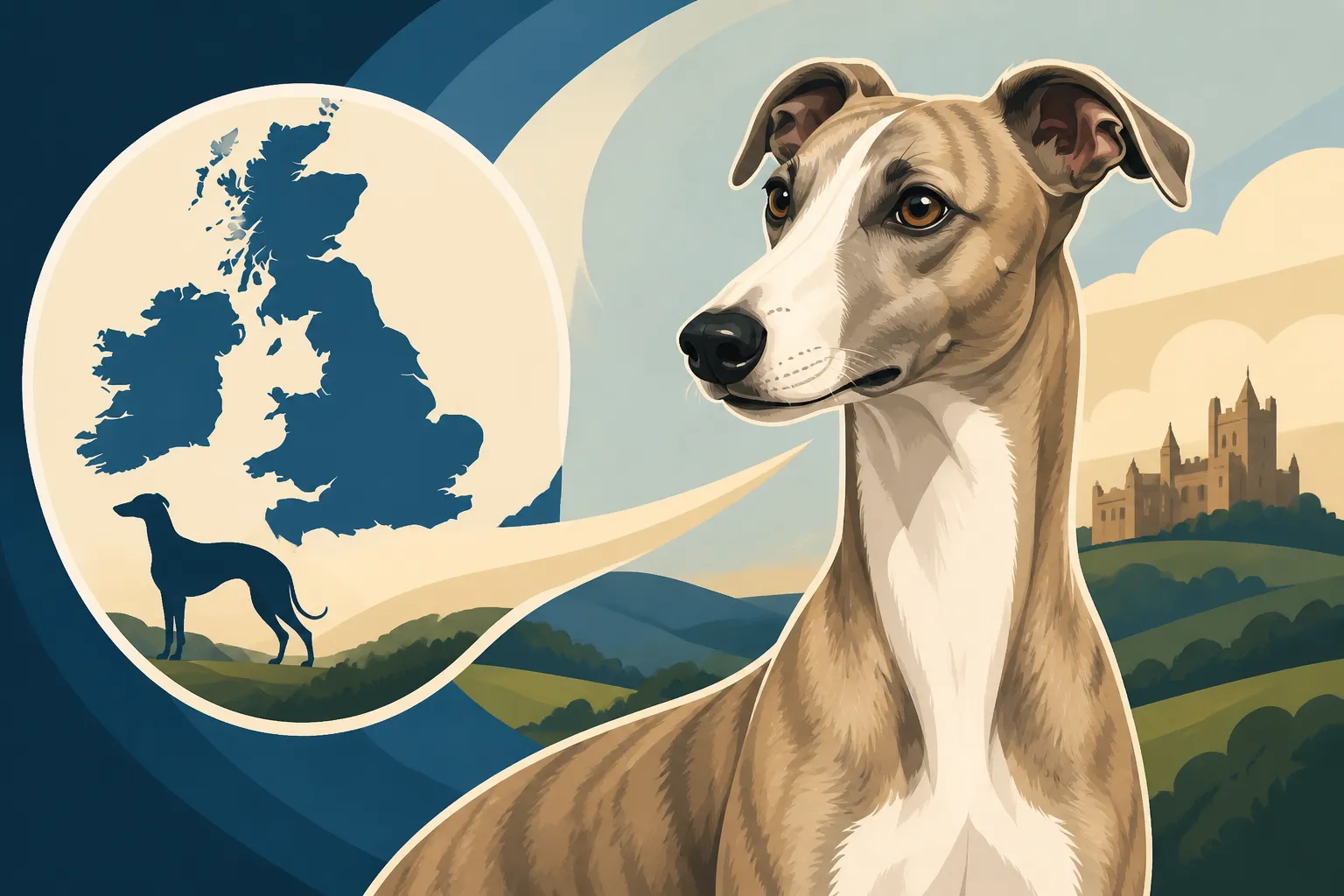
Where the Whippet Actually Comes From
Many people see a Whippet and immediately recognize their sleek lines and incredible speed, perhaps assuming they're just a smaller version of a Greyhound, or perhaps not giving much thought to their origins at all. But this graceful sighthound has a story far richer and more grounded than many realize, born not of ancient aristocracy but from the gritty, working-class heartlands of industrial Britain. If you've ever wondered about the true roots of this "poor man's racehorse" and how such an elegant creature came to be, you're about to discover a history as fascinating as the breed itself. This guide will unearth the authentic origins of the Whippet, tracing its journey from humble beginnings to the beloved companion it is today.
The Humble Beginnings: Whippets from the British Coalfields
When you picture a sighthound, often images of grand estates, noble pursuits, or ancient desert hunts come to mind. These breeds have a regal air, a sense of history tied to power and prestige. The Whippet, however, stands apart with a history deeply rooted in the working-class communities of 18th and 19th century England. This isn't a tale of carefully planned breeding programs in lavish kennels, but rather a story of necessity, passion, and the pragmatic development of a dog that served a vital role in the lives of miners and mill workers.
Life in the burgeoning industrial towns of Northern England, particularly in regions like Northumberland and Durham, was characterized by relentless toil and harsh conditions. Miners spent long, dangerous hours underground, and mill workers faced equally arduous days. Luxuries were scarce, and every penny counted. Yet, amidst this struggle, there was a deeply ingrained human need for companionship, a shared activity, and a chance for excitement. This is the crucible in which the Whippet was forged – a dog designed not for show, but for utility and a touch of much-needed sport.
These early Whippets were absolute fixtures in their homes, a far cry from being mere kennel dogs. They shared the meager warmth of the hearth, often curling up with their families, sometimes even under the covers in the family bed. This close proximity wasn't just about affection; it was a practical matter of conserving body heat in drafty, small homes, and a testament to the deep bond between these families and their dogs. During the week, they were quiet, unassuming companions, but on weekends, they transformed. They became the "poor man's racehorse," a source of immense pride, local celebrity, and, crucially, a means of earning a few extra shillings through spirited, local competitions. It’s a very different world from today's dog ownership, where you might easily order all your dog’s needs from a major retailer like Chewy. The story of How Northumberland Miners Bred the First Whippets is truly one of ingenuity born from necessity. These communities didn't just stumble upon the Whippet; they actively shaped it to fit their specific needs and environment.
More Than Just a Miniature Greyhound: The Breed's Ancestry
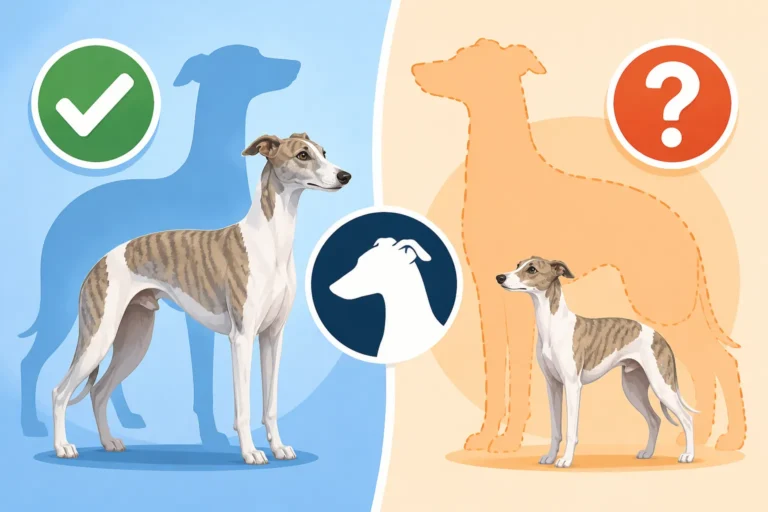
It’s an understandable assumption that the Whippet is simply a smaller version of the Greyhound, given their striking resemblance and shared sighthound characteristics. While the Greyhound undeniably played a pivotal role in the Whippet’s development, the full story of its ancestry is more nuanced and reflects the practical, rather than purely aesthetic, breeding choices of its creators. The Whippet's lineage is a fascinating blend, carefully selected for specific traits needed for its dual role.
While smaller sighthound types had existed in Britain for centuries, the distinct breed we now recognize as the Whippet began to truly solidify through a deliberate mix of genetics. The most prominent influence, of course, was the Greyhound, contributing the unparalleled speed, elegant conformation, and hunting instinct that define sighthounds. However, crucially, historical evidence strongly points to the introduction of terrier blood. Specifically, it's believed that early forms of the Black and Tan Terrier (the ancestors of today's Manchester Terrier) and possibly even the Bedlington Terrier were bred into these emerging lines. This isn't about creating a pretty dog; it was about adding a layer of tenacity, a sharper prey drive, and a rugged determination to catch small game efficiently. You can explore Which Breeds Went Into the Whippet for more details on these significant genetic contributions.
This blending of the sighthound's explosive speed with the terrier's hardy determination created a truly unique animal. The result was a dog that possessed not only the incredible acceleration for a short sprint but also the intense, focused predatory drive to "snap" at prey with lightning speed, earning it the evocative and rather descriptive older name: the "Snap Dog." These dogs weren't initially bred to a rigid written standard, but rather for their functional capabilities and ability to perform reliably, whether on the racecourse or in the fields. The primary objective was performance and utility, not just appearance. This heritage is why the Whippet, even today, retains that keen, focused intensity when something catches its eye.
From Rag Racing to Recognition: The Whippet's Ascent
The very essence of the early Whippet’s existence was intrinsically tied to the electrifying world of "rag racing" and "snap dog contests." These were not polite, organized events, but rather fiercely competitive, often informal, gatherings that formed the cornerstone of working-class leisure and community spirit in the mining towns. Far from the grandstands of horse racing, these were grassroots spectacles, fueled by pure passion, athletic prowess, and the chance to win a week's wages.
In the exhilarating sport of rag racing, Whippets would chase a rag or a piece of cloth waved by their owner at the end of a short, straight course, typically around 200 yards. Released from a standing start, the dogs would explode with breathtaking speed down the track, a blur of muscle and grace. It was a raw, unfiltered display of their natural athleticism and instinct, captivating entire villages who would turn out to cheer on their local champions. The stakes, though often modest in monetary terms, were immeasurably high in terms of neighborhood pride and bragging rights. These races were a highlight, providing much-needed excitement and a sense of shared identity within the communities. The legal landscape around these early events was often murky, as discussed in The Legality of Early Whippet Racing, highlighting their unofficial but deeply cherished status. For those interested in the specifics, What Snap Dog Contests Asked of a Whippet paints a vivid picture of the challenges and skills these dogs displayed.
Beyond the thrill of the race, these adaptable dogs also served a critical function as skilled hunters of small game, particularly rabbits. Their explosive speed, acute eyesight, and agile movements made them incredibly effective at coursing rabbits, providing a crucial source of protein for families living on the brink of poverty. The descriptive term The Older Name Snap Dog for the Whippet wasn't just a quaint nickname; it literally described their swift, decisive action in catching and "snapping" their prey. This dual role of racer and hunter underscores the Whippet's immense value to its working-class owners, who relied on their dogs for both sustenance and entertainment. The deep practical connection between these dogs and their families meant they were treasured members of the household.
As the 19th century drew to a close, the Whippet began its transition from a purely utilitarian dog of the industrial working class to a breed gaining wider recognition and admiration beyond its original communities. Fanciers, often from more affluent backgrounds, started to appreciate their elegance and speed. This growing interest led to the breed's eventual formalization and entry into the burgeoning world of dog shows and official breed registration. The Kennel Club in England officially recognized the Whippet as a distinct breed around 1891, a pivotal moment that cemented its status beyond the coalfields. This milestone is thoroughly explored in The Year the Kennel Club Recognized the Whippet.
The Whippet’s appeal quickly spread across the Atlantic. Not long after its formal recognition in England, the breed found similar appreciation in America, where it was introduced and quickly gained a following. The American Kennel Club (AKC) officially recognized the Whippet in 1888, marking another significant step in its journey to global popularity. The fascinating journey of How the Whippet Reached America and The Year the AKC Recognized the Whippet illustrate how this breed, born from such humble origins, captivated hearts in a new world. This period of formal recognition ushered in a new era, bringing a greater emphasis on consistent conformation, documented pedigrees, and organized competition, ultimately shaping the elegant yet powerful Whippet we cherish today. While the historical context of its utilitarian origins remains, its place in the modern canine world is secure.
The Whippet Today: A Legacy of Speed and Affection
The Whippet's trajectory, from the smoke-filled industrial landscapes of England to the comfortable homes and competitive arenas across the globe, is a testament to its enduring qualities. What began as an essential, multi-purpose companion for working-class families has blossomed into a cherished pet and a formidable participant in a diverse range of dog sports, all while retaining the core attributes that made it so valuable centuries ago.
Modern Whippets still embody the fundamental traits honed during their formative years: breathtaking speed, an innate prey drive, and a remarkably gentle, affectionate nature indoors. While their primary role is no longer to put food on the table, their incredible natural athleticism is now channeled into organized activities such as lure coursing, Fast CAT, and even agility and dock diving. This unique blend—the explosive sprinter in the field and the calm, cuddly "forty-mile-an-hour couch potato" in the home—is a direct inheritance from their original purpose. They were dogs that needed to perform with intense focus and speed when required, only to then settle quietly and politely within the cramped, shared living spaces of their human families. This characteristic adaptability is one of their most endearing qualities, ensuring they fit seamlessly into many modern lifestyles. Stories like The Whippet Is a Forty Mile an Hour Couch Potato perfectly capture this charming duality.
Over time, and with increased formal recognition, a distinction has naturally emerged between Whippets primarily bred for the show ring and those focused on racing or other performance events. This "split" in breeding philosophies, detailed further in The Split Between Racing and Show Whippets, highlights different priorities within the breed, whether it's adherence to a breed standard's aesthetic ideals or optimizing for pure speed and athletic prowess. Despite these differing emphases, the fundamental Whippet temperament—one of inherent kindness, adaptability, and deep devotion to their families—remains a consistent hallmark. This makes them exceptionally wonderful family companions, known for their quiet demeanor and affectionate snuggles. For new owners, getting their Whippet ready for any lifestyle, from competitive events to just cozy home life, is easy with access to a wide variety of supplies and nutritious food available from retailers like Chewy.
From their humble, gritty beginnings, sharing beds with miners and sprinting for the chance to win a wager, the Whippet has undeniably carved out a unique and deeply cherished place in the canine world. Their history is not just about a breed's development; it's a profound reflection of human-animal partnership through changing times, a testament to resilience, and a celebration of a truly special companion. The next time you observe a Whippet elegantly stretching out on a sunbeam or exploding into a joyous sprint across a park, take a moment to reflect on the rich, working-class history and the enduring spirit woven into its very being. It is a breed that continually reminds us that true loyalty and grace can emerge from the most unexpected and humble of origins.
| Aspect | Early Whippet (18th-19th Century UK) | Modern Whippet (Today) |
|---|---|---|
| Primary Role | Rag racing, rabbit hunting, family pet | Companion, dog sports (lure coursing, Fast CAT), show dog |
| Living Environment | Miners' cottages, often slept with family | Indoor pet, often on soft furniture |
| Diet | Scraps, whatever was available | Commercial dog food (e.g., from Chewy), balanced diet |
| Breeding Focus | Speed, hunting ability, temperament | Conformation (show), speed (racing), health testing |
| Social Status | "Poor man's racehorse," working-class pet | Elegant companion, athletic marvel, family member |
Disclaimer
This article is for general informational purposes only and does not constitute professional advice. Laws, prices and regulations vary by location and change over time. Consult a qualified professional for guidance on your specific situation.