Whether a Whippet Slept in the House and Raced on Sunday
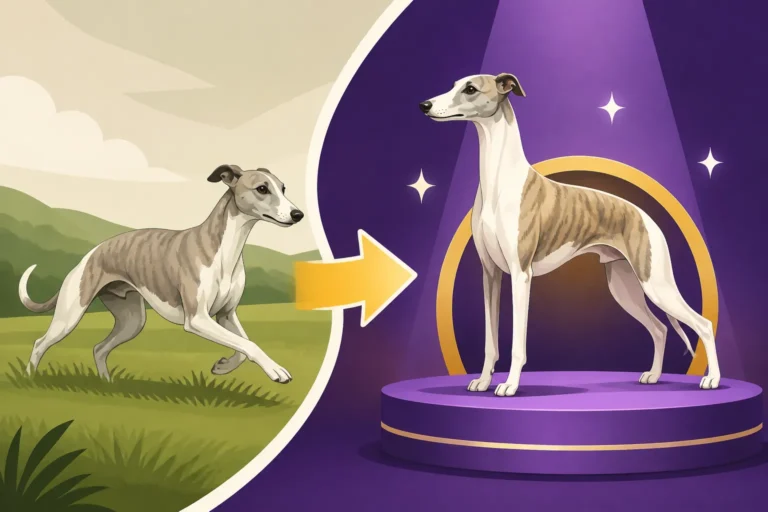
Many people picture the Whippet as a genteel companion, gracefully gracing a sofa one minute and effortlessly galloping across a field the next. It’s a lovely image, but it barely scratches the surface of this remarkable breed’s origins. If you’ve ever wondered about the true history of the Whippet, especially their dual role as a cherished house dog and a lightning-fast racer, you’re about to discover how these agile sighthounds were woven into the fabric of working-class life, providing both companionship and vital income.
The Whippet's Origins: A Dog of Dual Purpose
The Whippet, affectionately known as "the poor man's racehorse," wasn't just a leisure animal for the gentry; they were an integral part of the working-class households in Victorian England, particularly among the coal miners of the North East. These folks couldn't afford expensive Greyhounds, so they bred a smaller, equally swift sighthound that could thrive in a more modest environment while still delivering thrilling speed on race day. This meant the Whippet had to be incredibly versatile – a loyal, quiet companion indoors and an explosive athlete outdoors.
Born from Necessity: Companion and Competitor
Life in the mining communities was harsh, and every resource, including a family dog, had to serve a purpose beyond mere affection. The Whippet emerged from this need: a dog that was small enough to be kept economically, yet fast enough to provide entertainment and, crucially, a source of income through racing. It’s a testament to their adaptable nature that they could switch roles so seamlessly. They weren't just pets; they were partners in a demanding life, valued for their practicality as much as their charm.
This dual identity meant that the Whippet's temperament had to be just right. They couldn't be boisterous and destructive indoors, given the cramped living conditions. They needed to be calm, clean, and affectionate to earn their keep by the hearth. At the same time, they needed an incredible drive and athleticism that would explode into action on the racing field. This unique blend of traits is what ultimately cemented their place in history and shaped the breed we know and love today.
The Miner's Choice: Small, Swift, and Loyal
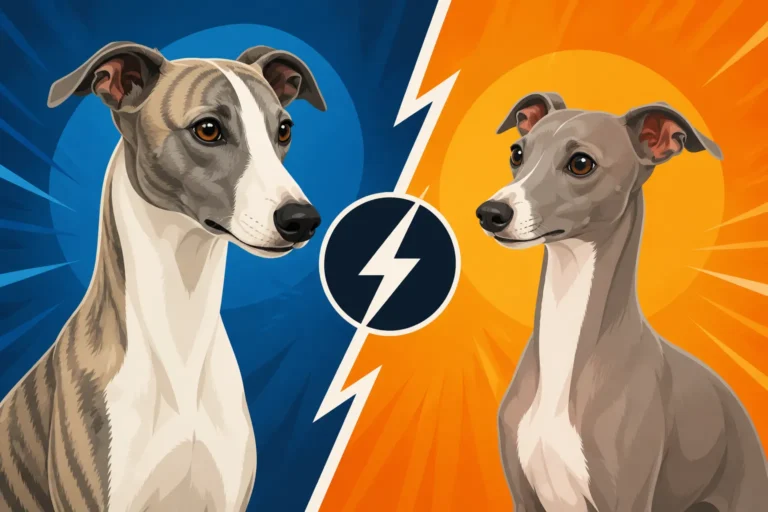
For the miners, a Whippet was the perfect compromise. A full-sized Greyhound might have been too large to keep in a small cottage, requiring more food and space than many families could spare. The Whippet, being smaller, was more manageable. Yet, they retained that incredible sighthound speed and prey drive, making them formidable competitors in the popular "rag races" of the time. This practicality, combined with their affectionate nature, made them truly indispensable.
It wasn't just about size and speed, though. Loyalty was paramount. These dogs were part of the family, sharing meagre rations and sleeping close for warmth. This deep bond ensured that when race day came, the Whippet would respond keenly to its owner's call, giving its all not just for the thrill of the chase, but for the trust and connection it shared with its person. This reciprocal relationship was the bedrock of the early Whippet's existence.
Life in the Miner's Cottage: More Than Just a Pet
The idea of a Whippet sleeping indoors might seem obvious to us now, but in a time when many working dogs were expected to live outdoors or in kennels, it highlights the special status these dogs held. Their very physiology necessitated indoor living, making them an integrated part of the family unit, even if their primary "job" was racing.
The Importance of Warmth and Shelter
Whippets, by their very nature, are not built for cold, damp conditions. Their short, fine coats and lean bodies, with very little body fat, offer minimal insulation. Living in unheated outdoor kennels, especially in the cold, wet climate of northern England, would have been detrimental to their health and performance. Miners quickly understood that a cold Whippet was a sick or underperforming Whippet, and they couldn't afford either. Therefore, bringing the dog inside wasn't a luxury; it was a necessity for their survival and well-being.
Imagine returning from a long, arduous shift down the pit, the cold seeping into your bones. To find your faithful Whippet curled up by the embers of a fire, ready to share what little warmth there was, would have been a profound comfort. This shared experience of seeking warmth fostered an unbreakable bond. It meant they literally slept in the same rooms, often on or near the family's beds, benefiting from the communal body heat. This close contact was fundamental to keeping the Whippet healthy and ready for its athletic endeavours. The Wardrobe a Whippet Needs Because It Has No Body Fat explores this lack of insulation further.
Diet and Sustenance in Hard Times
Feeding a dog during lean times was a significant commitment. Whippets were not given commercial dog food like we see from brands like Chewy today. Their diet would have been whatever scraps could be spared from the family table, often oatmeal, stale bread, or any bits of meat or bone that were available. This was a testament to their economic value; if they weren't earning their keep, they simply couldn't have been sustained. Their relatively small size compared to a Greyhound meant they were more economical to feed, making them a viable option for families with limited means.
Despite the often-meagre diet, these Whippets were kept in peak physical condition for racing. This required a delicate balance, as any signs of ill health or poor conditioning would diminish their chances of winning. Their owners would have been acutely aware of every morsel that went into their dog, understanding its direct link to their performance and potential winnings. It was a stark contrast to today's variety of specialized dog foods available on platforms like Chewy, where we can meticulously plan a diet for performance or general health.
The Demands of Race Day: Not Just a Sunday Stroll
When Sunday came, the Whippet transformed from a quiet house dog into a focused athlete. The "rag races" were more than just a pastime; they were a serious event, with significant wagers and the hopes of families riding on the outcome. This wasn't a casual run in the park; it was a high-stakes competition demanding peak physical and mental readiness.
Training and Conditioning for Speed
The conditioning of a miner's Whippet was far from the structured, scientific training regimes seen in professional dog sports today. It was practical, ingrained in daily life, and focused on building natural speed and stamina. These dogs might accompany their owners on walks to and from the pit, or chase lures (often rags tied to a string, hence "rag racing") in local fields. The emphasis was on maintaining a lean, muscular physique and a keen prey drive.
Crucially, this conditioning also involved fostering an intense bond and responsiveness to the owner. When the Whippet burst from the starting line, its eyes fixed on the fluttering rag at the finish, it needed to run with absolute commitment, oblivious to distractions. This wasn't just about physical speed; it was about mental focus and the dog's desire to please its owner, or perhaps more accurately, its ingrained instinct to chase and win. You can learn more about this historical context in How Whippet Rag Race Was Run.
The Stakes of the Race: Wages and Wagers
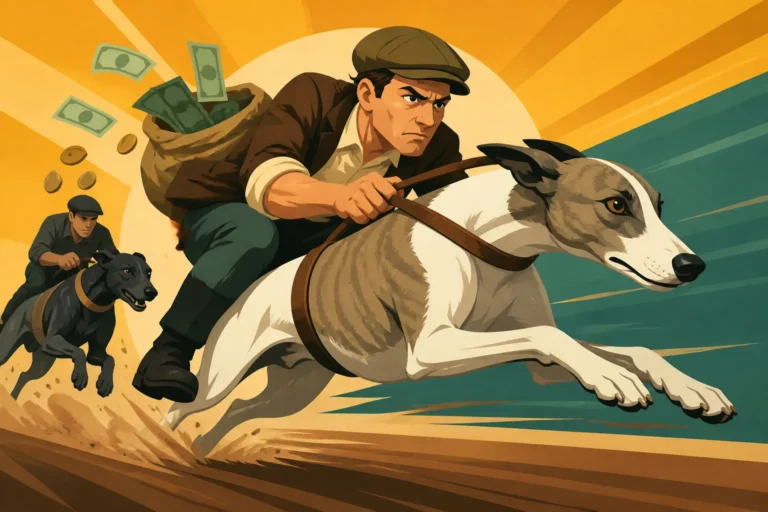
Imagine a time when a single race could mean the difference between putting food on the table for a week or going hungry. That was the reality for many miners and their Whippets. Wagers were placed, sometimes involving a week's wages, turning these Sunday races into intense spectacles. The entire community would gather, cheering on their favoured dogs, the atmosphere electric with anticipation and tension.
The pressure on both dog and owner must have been immense. A winning Whippet brought not only pride but tangible financial relief. A losing one, while still loved, might mean a harder week ahead. This economic incentive meant that every effort was made to ensure the Whippet was at its best. It wasn't just a game; it was often a lifeline. This deep-seated tradition of betting on Whippet races is explored further in Rag Racing and the Week's Wages Riding on a Whippet.
The Bond Between Miner and Whippet: A Unique Partnership
The close living arrangements and shared struggles forged an incredibly deep and unique bond between the miners and their Whippets. This was a partnership born of mutual reliance, where the dog provided both companionship and a potential source of income, and the owner provided care, warmth, and sustenance.
Mutual Reliance in a Hard World
In a world where life was often tough and uncertain, the Whippet offered a constant source of companionship and, on occasion, a glimmer of hope. They were more than just animals; they were members of the family, sharing in the joys and sorrows. When a miner returned home, tired and dirty, the welcoming presence of his Whippet by the fire offered solace. This was a dog that understood loyalty, a creature that asked for little but gave much.
The dogs, in turn, relied on their human families for everything. Their survival hinged on the care and attention they received. This mutual dependence created an unbreakable bond, a partnership that transcended the simple owner-pet relationship. It was a quiet understanding, a shared existence forged in the crucible of working-class life. Why a Whippet Slept in the Family Bed delves into the intimacy of this relationship.
A Miner's Best Friend: Comfort and Joy
Beyond the practical aspects of warmth and income, the Whippet provided immense emotional support. In a life filled with danger and hardship, the gentle, affectionate nature of a Whippet would have been a profound comfort. They were dogs that curled up close, happy to simply be near their people, offering silent understanding. This quiet devotion made them "man's best friend" in the truest sense, earning their place by the fire not just for their racing prowess, but for their loving hearts.
This deep connection is often overlooked when we focus solely on their racing abilities. But it was this combination of utility and affection that truly endeared the Whippet to the mining communities. They were living, breathing examples of how a dog could enrich a life, even when that life was marked by struggle.
Modern Echoes: Today's Whippet and Its Ancestry
While the industrial landscape that shaped the Whippet has largely faded, the breed's historical roots continue to influence their nature and needs today. The Whippet of today still carries the genetic blueprint and behavioral traits honed over generations as both a fireside companion and a formidable sprinter.
The Enduring Traits of the Modern Whippet
Walk into any Whippet owner's home today, and you'll likely find their Whippet curled up on the sofa, burrowed under a blanket, or snoozing peacefully in a warm bed. This instinct for comfort and warmth is a direct legacy of their miner ancestors. They still seek out soft bedding, preferring a cushioned surface over a hard floor, and will shiver dramatically if cold. This means providing ample soft places to rest is key, whether it's a dog bed from Chewy or a pile of blankets.
| Trait | Historical Whippet (Miner's Dog) | Modern Whippet (Pet/Performance Dog) |
|---|---|---|
| Living Environment | Indoors, close to family for warmth & safety | Indoors, often on furniture, seeks warmth |
| Diet | Scraps, oatmeal, whatever could be spared | Commercial kibble, fresh food, supplements |
| Primary "Job" | Rag racing, companion, occasional hunter | Companion, lure coursing, Fast CAT, show dog |
| Exercise | Daily walks, chasing rags, bursts of speed | Daily walks, fenced sprints, structured sports |
| Bedding | Shared beds, blankets, straw | Plush beds, memory foam, heated pads |
| Relationship with Owner | Mutual reliance, close partnership | Family member, emotional support, cherished pet |
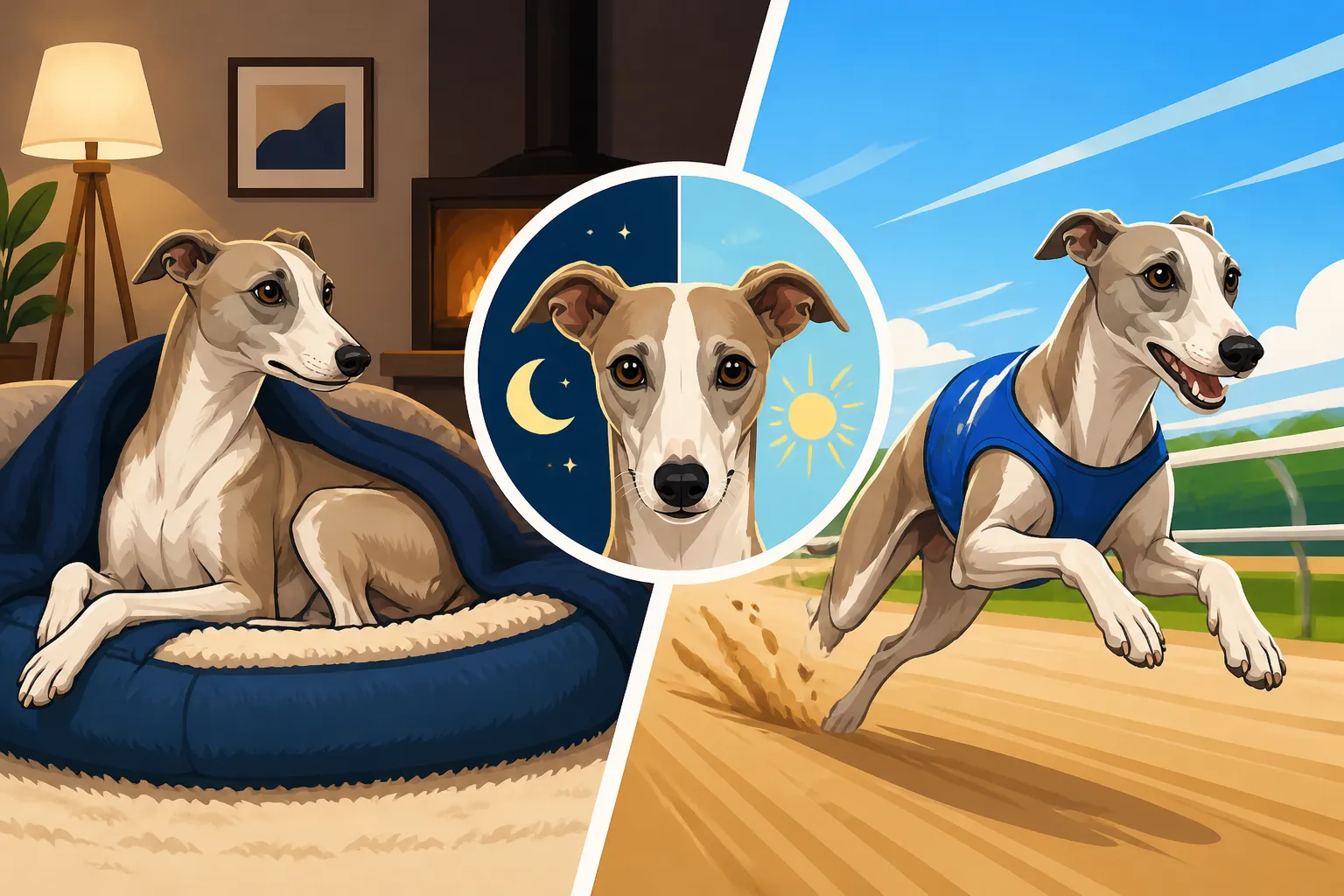
Their affectionate, quiet nature indoors also remains a hallmark of the breed. They are known for being calm and unobtrusive housemates, happy to snooze the day away, earning them the endearing nickname The Whippet Is a Forty Mile an Hour Couch Potato. This ability to "switch off" indoors, combined with their explosive energy outside, is a direct inheritance from their ancestors who needed to conserve energy for race day.
Providing for a Whippet's Instinctual Needs
Even without the pressure of a Sunday race, modern Whippets still possess that powerful prey drive and need for speed. While you might not be waving a rag for a week's wages, activities like lure coursing or Fast CAT provide a safe and thrilling outlet for their innate instincts. These sports mimic the historical rag races, allowing Whippets to chase a mechanized lure, fulfilling their drive to run flat out in a secure environment.
Owners today must understand that while their Whippet might be a perfect couch potato indoors, they still need opportunities to express their speed and chase instinct. A securely fenced yard where they can stretch their legs, or participation in sighthound-specific sports, is crucial for their physical and mental well-being. Failing to provide this outlet can lead to a frustrated dog, despite their calm demeanor inside. Ensuring they have plenty of opportunities for supervised running helps to keep them happy and healthy, just as it did for their ancestors. This also highlights why Why a Whippet Cannot Be Let Off Leash in an Open Field is still such an important consideration.
Preparing Your Home for a Whippet: Continuing the Tradition of Comfort
Understanding the Whippet's history helps us appreciate why certain aspects of their care are so important today. From their need for warmth to their desire for comfort, these traits are deeply ingrained and reflect centuries of adaptation to life alongside humans.
Creating a Cozy Haven
Knowing how crucial indoor warmth and soft bedding were to the historical Whippet should guide how we set up our homes for them today. Investing in comfortable, plush dog beds, blankets, and even dog sweaters or pajamas (which you can easily find on Chewy) isn't just pampering; it's catering to their physiological needs. A Whippet will instinctively seek out the warmest, softest spot in the house, often burrowing under blankets, a charming habit passed down through generations. Whether a Whippet Needs a Coat Indoors is a common question, and their history provides a clear answer!
Consider multiple sleeping spots throughout your home. A Whippet loves to follow the sunbeams or the warmest patch of floor. Having beds in different rooms, or even allowing them on furniture (with proper covers, of course!), ensures they always have a cozy retreat. This goes beyond mere comfort; it's about honoring their historical need for shelter and warmth, a need that was once vital for their survival and performance.
Understanding Their Energy Cycle
The "forty-mile-an-hour couch potato" description perfectly encapsulates the Whippet's unique energy profile. They are not dogs that need hours of constant activity. Instead, they thrive on short, intense bursts of speed followed by long periods of rest. This cycle was perfected in the mining communities: conserve energy indoors, explode with power on race day.
As modern owners, we need to respect this cycle. While daily walks are important, a Whippet will truly flourish with opportunities for a good sprint in a safe, enclosed area. After that, they are usually content to return to their cozy spots and recharge. Understanding this rhythm not only keeps your Whippet happy but also prevents over-exercising a puppy or an older dog. For further reading, What a Whippet Needs Every Day provides a comprehensive look at their daily requirements.
Disclaimer
This article is for general informational purposes only and does not constitute professional advice. Laws, prices and regulations vary by location and change over time. Consult a qualified professional for guidance on your specific situation.