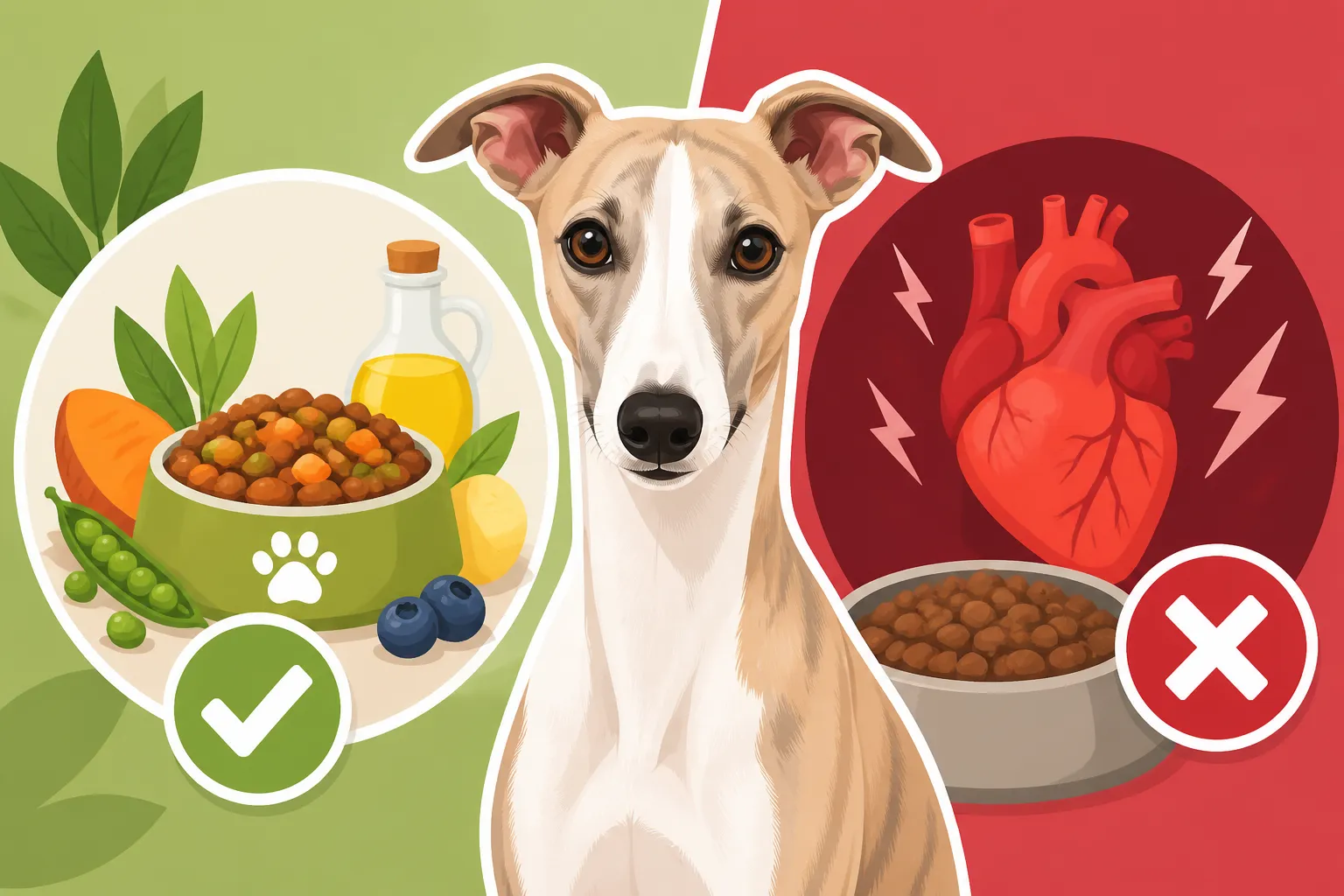
Whether Grain Free Food Risks a Whippet’s Heart
It’s completely understandable to feel a knot in your stomach when you hear whispers about certain dog foods and serious health issues. As Whippet owners, we’re already so attuned to our dogs' unique needs – their thin skin, their need for warmth, and their athletic bodies – that any concern about their diet can send us into a spiral of worry. One topic that has caused a significant amount of anxiety in recent years is the potential link between grain-free dog foods and heart disease, specifically Dilated Cardiomyopathy (DCM). This guide aims to unpack this complex issue, provide clarity on what we know, and help you make informed decisions for your beloved Whippet's cardiac health.
Understanding the Heart of the Matter: Dilated Cardiomyopathy (DCM)
Let's start by understanding what we're talking about when we mention heart disease in this context. Dilated Cardiomyopathy, or DCM, is a serious condition where the heart muscle becomes thin and weak. When this happens, the heart loses its ability to pump blood efficiently throughout the body. The chambers of the heart, particularly the ventricles, become enlarged or "dilated," leading to a host of problems including fluid build-up in the lungs (congestive heart failure), weakness, fatigue, and ultimately, a reduced lifespan.
Many breeds have a genetic predisposition to DCM, often larger breeds like Doberman Pinschers, Boxers, and Great Danes. However, what really caught the attention of the veterinary community and dog owners alike was the emergence of DCM in breeds not typically associated with the genetic form of the disease, and the increasing incidence in all breeds fed certain diets. This is where the grain-free discussion truly began to heat up. It created a palpable fear among dog owners, who were simply trying to do their best for their pets by choosing what they thought was a healthier, more "natural" option. It's a frustrating situation because you’re trying to make a good choice, only to find it might be causing an unforeseen problem. This is a very different concern than the typical Mitral Valve Disease Is What Ends Most Old Whippets, which is more common in older, smaller breeds.
The Grain-Free Connection: What We Know and What We Don't
The alarm bells started ringing when the FDA began investigating a potential link between certain diets, specifically "boutique," "exotic ingredient," and "grain-free" (often abbreviated as BEG) dog foods, and cases of DCM. The problem wasn't just that dogs were getting DCM; it was that dogs without a genetic predisposition were developing it, and in some cases, the condition improved or resolved when their diet was changed.
The Role of Legumes, Potatoes, and Taurine
The primary suspicion doesn't lie directly with the lack of grains, but rather with the ingredients used to replace them in these grain-free formulations. Common replacements include ingredients like peas, lentils, chickpeas, and potatoes. These ingredients, while not inherently "bad," started appearing in much higher concentrations in grain-free diets.
One leading theory is that these high levels of legumes and potatoes might interfere with the availability or synthesis of taurine, an amino acid crucial for healthy heart function. While dogs can typically synthesize taurine from other amino acids (methionine and cysteine), some breeds, and potentially all dogs on certain diets, might not be getting enough or efficiently processing it. This can lead to a secondary, or diet-induced, taurine deficiency, which in turn can cause DCM. It's like building a house without enough foundational support – eventually, things start to crumble.
It's important to understand that this is still an active area of research, and the exact mechanism isn't fully understood. It could be specific ingredients, combinations of ingredients, how they're processed, or even other factors at play. The frustration for owners is compounded by the lack of definitive answers, leaving many to wonder if they're inadvertently putting their beloved Whippet at risk. Many Whippet owners diligently track their dog's health, often familiar with The Bloodwork Numbers That Look Wrong on a Healthy Whippet, but diet-induced heart issues add a new layer of complexity.
The "Boutique, Exotic, and Grain-Free" (BEG) Dilemma
The FDA’s concerns primarily focus on what they term "BEG" diets.
- Boutique diets: These often come from smaller, independent companies, sometimes lacking the extensive veterinary nutrition research teams of larger, more established brands.
- Exotic ingredients: Think venison, kangaroo, duck, bison – ingredients not traditionally found in mainstream dog foods. While some dogs genuinely need novel protein sources for allergies, using them without a specific medical need might carry unknown risks, especially if those ingredients aren't balanced correctly.
- Grain-free diets: As discussed, these replace traditional grains like corn, wheat, or rice with alternatives like legumes or potatoes.
The convergence of these factors seems to be where the highest risk lies. It's not just "grain-free" in isolation, but often grain-free diets that also use exotic proteins or come from smaller companies without dedicated veterinary nutritionists on staff. When looking at what your What a Whippet Needs Every Day, considering the source and formulation of their food is paramount.
Protecting Your Whippet's Heart: Navigating Food Choices
So, what does this mean for you, the devoted Whippet owner, trying to provide the best care for your fast, affectionate companion? The good news is that you have options, and informed choices can significantly reduce any potential risks.
What to Look For in a Dog Food
When choosing a diet for your Whippet, especially given these concerns, here's what veterinary experts generally recommend:
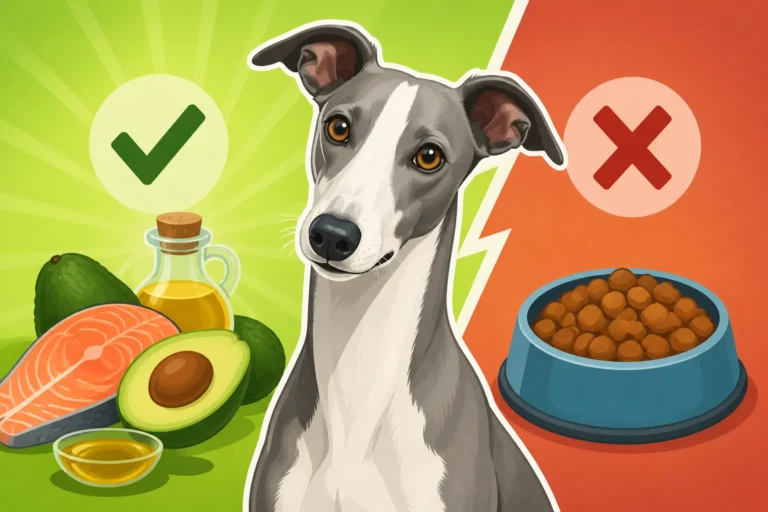
- Look for AAFCO Statement: Ensure the food meets AAFCO (Association of American Feed Control Officials) nutritional adequacy standards. This will be stated on the bag, usually as "formulated to meet the nutritional levels established by the AAFCO Dog Food Nutrient Profiles for [life stage]." This means the food provides complete and balanced nutrition.
- Choose Established Brands: Opt for companies with a long track record, often those that employ board-certified veterinary nutritionists and conduct extensive research and feeding trials. These companies typically invest heavily in ingredient quality, formulation, and safety.
- Traditional Ingredients: Consider diets that include traditional grains like corn, wheat, barley, or rice, unless your Whippet has a confirmed allergy diagnosed by a veterinarian. Grains are a perfectly healthy source of carbohydrates and nutrients for most dogs. Don't fall into the trap of thinking "grains are bad" without scientific evidence for your particular dog.
- Ingredient Transparency: Look for brands that are transparent about where their ingredients come from and their manufacturing processes. If a company is vague, that might be a red flag.
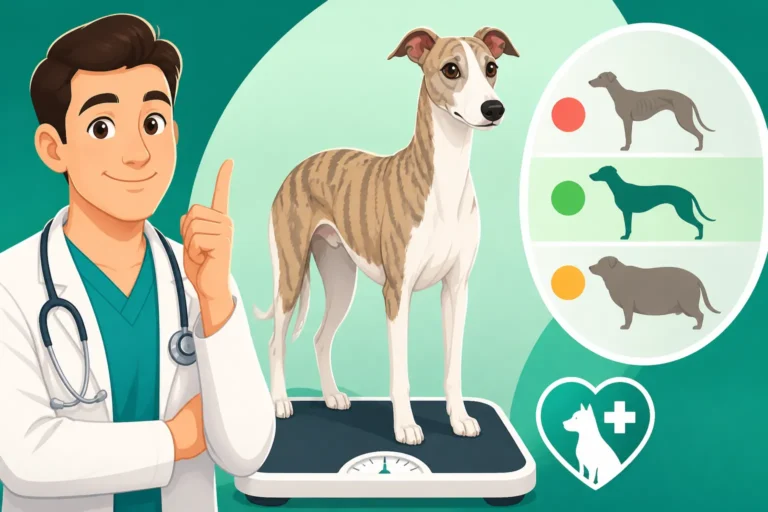
- Consult Your Veterinarian: This is perhaps the most crucial step. Your vet knows your Whippet's individual health history, any specific needs, and can provide personalized recommendations. They can also advise on appropriate brands and help you monitor your dog for any signs of heart disease.
If you've been feeding a grain-free diet, don't panic. Discuss your concerns with your vet. They might recommend switching foods gradually or, in some cases, running blood tests to check taurine levels, especially if your Whippet is in a breed known to be predisposed to taurine deficiency or if they are showing any symptoms. Remember, a Whippet's heart is naturally large due to their athletic nature, which is a healthy trait, not a cause for alarm on its own. It's important to distinguish this from disease. Why a Whippet's Big Heart Is Not a Diagnosis can give you more peace of mind on that front.
Here’s a quick overview of what to consider when evaluating dog food for your Whippet:
| Feature | High-Risk Diets (BEG) | Lower-Risk Diets (Veterinary Recommended) |
|---|---|---|
| Grains | Absent; replaced by high levels of legumes/potatoes | Present (corn, wheat, rice, barley, oats) |
| Primary Protein Sources | Often exotic (kangaroo, venison, duck, bison) | More common (chicken, beef, lamb, fish) |
| Legumes/Potatoes | Often primary ingredients, high on ingredient list | Present, but typically not as primary ingredients or in lower concentration |
| Brand Reputation | Newer, smaller companies; less extensive research | Established brands with veterinary nutritionists, extensive research, and feeding trials |
| Taurine Supplementation | May or may not be added; bioavailability issues suspected | Typically well-balanced for taurine and its precursors |
| AAFCO Statement | May meet "formulated" but still raise concerns due to ingredient profile | Meets "formulated" or "fed trial" and generally adheres to broader guidelines |
You can find a wide variety of reputable dog foods on platforms like Chewy or Amazon. However, reading reviews is one thing; understanding the nutritional science behind the food is another entirely. For brands like Ollie, which offer fresh food delivery, the same principles apply: verify that their recipes are developed by board-certified veterinary nutritionists and meet AAFCO standards.
Monitoring Your Whippet for Heart Health
Even with the best diet, it’s always wise to be vigilant about your Whippet’s health. If you notice any of the following symptoms, it's crucial to contact your veterinarian immediately:
- Difficulty breathing or increased respiratory rate at rest
- Coughing (especially at night)
- Decreased appetite or weight loss
- Lethargy or reduced exercise tolerance (e.g., your Whippet, usually a dynamo, seems reluctant to run or play)
- Fainting or collapsing spells
- Abdominal swelling
These signs can indicate heart problems or other serious health issues. Early detection and intervention are key to managing any health condition effectively. As our Whippets age, regular vet check-ups become even more critical. Caring for an Old Whippet That Feels the Cold also highlights how their needs change.
The Broader Context of Whippet Nutrition
Beyond the grain-free debate, feeding your Whippet well involves understanding their unique physiology. Whippets are naturally lean and athletic, built for bursts of incredible speed. This means they often have a high metabolism and require a diet that supports their energy levels without making them overweight. Feeding a Whippet That Sprints and Then Sleeps delves deeper into these specific nutritional needs.
While they might look delicate, Whippets are generally quite hardy, but their athleticism means appropriate nutrition is vital for muscle health and overall longevity. Concerns about their diet extend to general health, not just heart issues, so finding a well-balanced, high-quality food is always the goal.
The key takeaway here is not to vilify all grain-free diets, but rather to be critical and informed about the specific formulations that have raised red flags. Many owners started feeding grain-free with the best intentions, believing it was a healthier, more natural choice for their dogs. The science is evolving, and it's a testament to the dedication of veterinary professionals that these potential links are being investigated. For your Whippet, making an informed choice in consultation with your vet is the best path forward. It's all about ensuring your long-limbed friend can continue to enjoy their The Twelve to Fifteen Years a Whippet Lives to the fullest, with a strong, healthy heart beating beneath their sleek coat.
Disclaimer
This article is for general informational purposes only and does not constitute professional advice. Laws, prices and regulations vary by location and change over time. Consult a qualified professional for guidance on your specific situation.