Why a Whippet Skips Meals
It can be incredibly worrying to see your beloved Whippet turn up their nose at a meal, especially when they already look so slender. You feed them, you know they need their calories, and then they just… don't eat. It's enough to send any Whippet parent into a spiral of concern, wondering if something serious is amiss or if they're just being fussy. This guide is here to help you understand the common reasons why a Whippet might skip a meal and what you can do about it, offering peace of mind and practical solutions.
Understanding the Whippet's Unique Appetite
Let's start with a foundational truth about our lovely, leggy companions: Whippets are often not the ravenous eaters you might expect from a breed with such incredible athleticism. If you've ever had a Labrador or a Beagle, you're used to a dog that acts like every meal is their last, gobbling down food with gusto. Whippets? Not so much, usually. Their lean physique and often delicate constitution mean their eating habits can be quite different, and what looks like "skipping a meal" to you might just be a normal Whippet quirk.
One of the biggest anxieties new Whippet owners face is looking at their dog's visible ribs and hip bones and constantly feeling like they're underfeeding them. It's a common misconception that a healthy dog should have a thick layer of fat. For a Whippet, that couldn't be further from the truth. They are naturally very lean, and seeing a few ribs or the prominent hip bones is often perfectly normal for a healthy, fit Whippet. In fact, if you can't feel their ribs easily, they might actually be carrying too much weight, which isn't good for their joints or overall health. This lean body composition also means they don't necessarily need the sheer volume of food a heavier breed would. You can delve deeper into what is normal by reading Feeling a Whippet's Ribs and Hip Bones.
Another factor is their metabolism. While they can sprint at incredible speeds, Whippets are also champion nappers. They truly are "forty mile an hour couch potatoes," and their energy output is often bursts of speed followed by long periods of rest. This means their caloric needs can fluctuate based on their activity levels. A day spent primarily snoozing on the sofa will require less fuel than a day full of zoomies and adventures at the park. So, a skipped meal might simply mean their body doesn't need the extra fuel at that moment.
Common Reasons Your Whippet Might Skip a Meal
Beyond their natural lean build and variable activity levels, there are many common, often benign, reasons your Whippet might pass on a meal. It's helpful to go through these possibilities before jumping to conclusions about their health.
Stress, Anxiety, or Environmental Changes
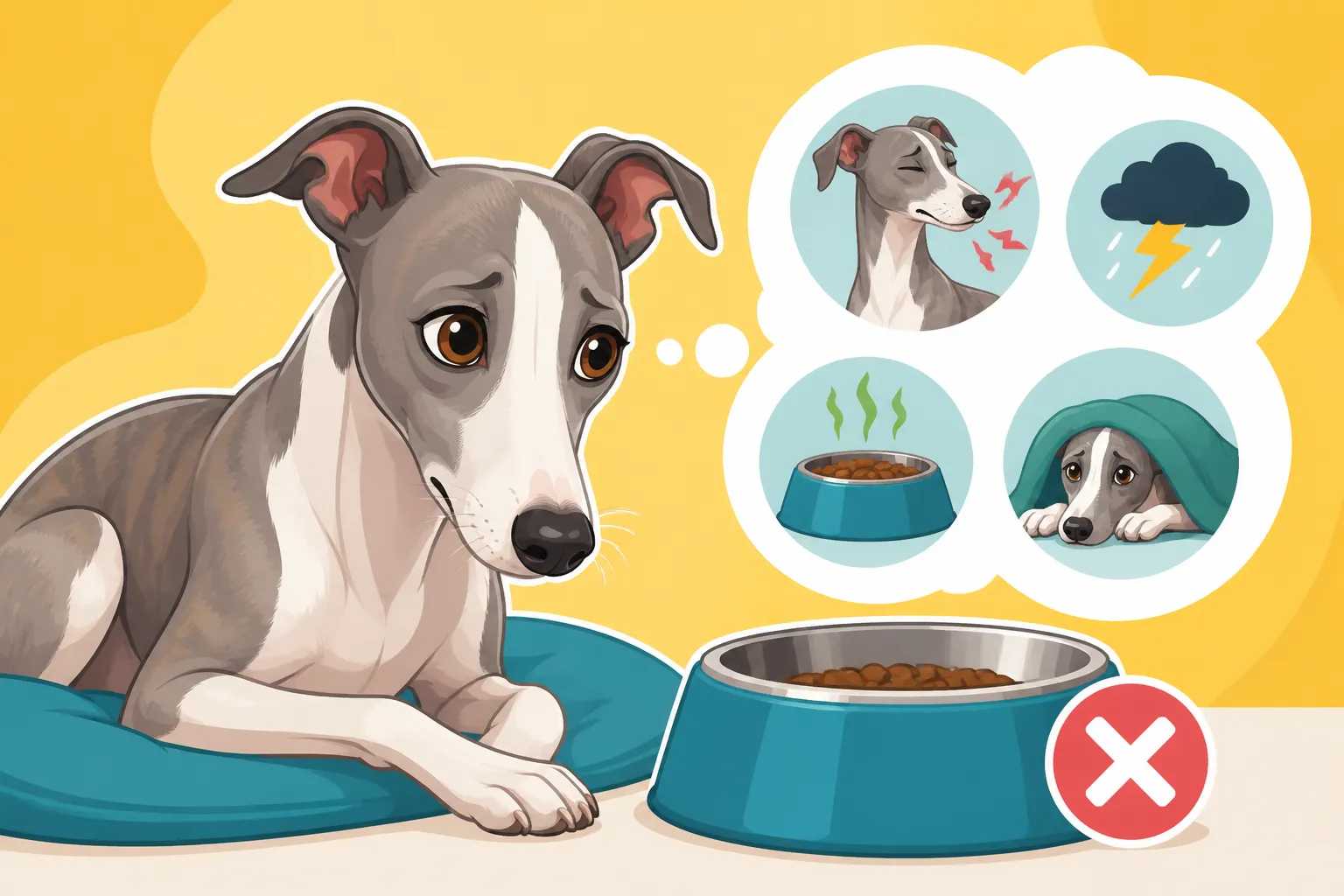
Whippets, despite their calm demeanor indoors, can be quite sensitive souls. Changes in their environment or routine can easily throw them off and affect their appetite. Have you recently moved? Had visitors over? Is there construction noise nearby? Even something as simple as rearranging furniture can cause a sensitive Whippet to feel a bit out of sorts. Loud noises, unfamiliar smells, or a new person in the house can all contribute to a feeling of anxiety that might make eating unappealing. Think about it: when you're stressed, do you always feel like eating a big meal? Dogs are similar. They might just need a quiet, calm space and a bit of time to adjust. If your Whippet is showing other signs of anxiety, like pacing, panting, or hiding, the meal skipping is likely a symptom of their underlying stress.
Pickiness or Boredom with Food
Oh, the picky Whippet! This is a tale as old as time for many sighthound owners. Some Whippets are simply connoisseurs, and if their food isn't up to their discerning standards, they'll politely decline. They might have loved a particular brand or flavor for months, only to decide one day that it's just not hitting the spot anymore. This isn't necessarily a health issue; it's often just their preference.
Sometimes, they're not picky about the brand, but just bored. Imagine eating the exact same meal, two or three times a day, every single day for years. You'd probably get tired of it too! Many owners find success rotating through different high-quality kibbles or incorporating wet food, cooked meats, or dog-safe vegetables as toppers. Brands like Chewy offer a vast selection of dog foods and toppers, making it easy to experiment and find what your Whippet enjoys. Exploring options like Ollie, which provides fresh, human-grade dog food, can also be a game-changer for a finicky eater, as the fresh ingredients and appealing textures often entice even the most reluctant Whippets. You can gain more insight into this common trait by checking out Why a Whippet Is a Picky Eater.
Dental Discomfort or Oral Issues
Imagine trying to chew your favorite meal with a toothache. Not fun, right? Dental pain is a surprisingly common reason for dogs to skip meals or eat reluctantly. Whippets are unfortunately prone to dental issues, often starting at a younger age than many other breeds. Their narrow jaws can lead to crowded teeth, making them more susceptible to tartar buildup and gum disease.
If your Whippet is approaching their senior years, or if you haven't been diligent with dental care, it's definitely worth checking their mouth. Look for red or swollen gums, broken teeth, excessive tartar, or unusual drooling. They might show a preference for softer foods, or drop kibble from their mouth. Even a small chip or a sensitive area could be enough to make them wary of crunchy food. Regular dental check-ups are crucial for Whippets, as Teeth Are the Whippet Problem That Sneaks Up explains. If you suspect dental pain, a vet visit is absolutely necessary.
Just Not Hungry or Too Many Treats
Sometimes, the simplest explanation is the correct one: your Whippet just isn't hungry. We often operate on a strict meal schedule for our dogs, but their appetites aren't always so predictable. If they had a big snack earlier, perhaps a longer-lasting chew, or if they've had a less active day, their body might not be signaling hunger.
It’s easy to inadvertently fill them up on treats throughout the day. Training treats, bedtime biscuits, or small bits of human food can all add up. While we love to spoil our Whippets, too many extras can definitely diminish their appetite for their main meals. Be honest with yourself about how many treats your Whippet is getting; it might be more than you realize.
Environmental Factors: Heat, Exercise, and Location
The weather outside can significantly impact a Whippet's desire to eat. During warmer months, especially if your home gets quite warm, many dogs, including Whippets, experience a dip in appetite. They might prefer to eat less or at cooler times of the day. This is a natural response to avoid overheating. Read more about how How a Whippet Handles Summer Heat affects them.
Similarly, their exercise level plays a role. While Whippets are athletes, if they've had a particularly lazy day, they simply might not have burned enough calories to feel genuinely hungry. Conversely, if they've had an exceptionally strenuous day, they might be too tired or even a little nauseous from overexertion to eat right away. Give them time to cool down and relax before offering food.
The location of their food bowl can also matter. Is it in a high-traffic area? Near a noisy appliance? Some Whippets prefer a quiet, undisturbed space to eat. They might also be particular about their bowls. Some prefer ceramic, others stainless steel. A raised feeder might be more comfortable for some, while others are perfectly happy eating from the floor.
Illness or Underlying Health Concerns
While many cases of a Whippet skipping meals are benign, it's crucial not to dismiss the possibility of an underlying health issue, especially if the behavior is new, sudden, or accompanied by other symptoms. Any prolonged refusal to eat (more than 24-48 hours), or if your Whippet also seems lethargic, is vomiting, has diarrhea, or shows signs of pain, warrants immediate veterinary attention.
A few health issues that could cause a loss of appetite include:
- Gastrointestinal upset: A common culprit, ranging from a mild stomachache to more serious issues.
- Kidney or liver disease: These can cause nausea and a general feeling of malaise.
- Infections: Bacterial or viral infections can reduce appetite.
- Pain: Arthritis, a hidden injury, or even a sore muscle can make a dog unwilling to move to eat.
- Certain medications: Some drugs can cause nausea or a metallic taste in the mouth.
- Mitral Valve Disease: While primarily a heart condition, advanced stages could indirectly affect appetite due to overall well-being. Knowing about Mitral Valve Disease in a Whippet can help you understand potential risks.
If your Whippet is showing any signs of being genuinely unwell, don't delay in contacting your vet. It's always better to be safe than sorry.
Strategies for Encouraging Your Whippet to Eat
If you've ruled out immediate health concerns and are dealing with a picky eater or a dog whose appetite is simply a bit off, there are several strategies you can employ to encourage them to eat.
Establish a Consistent Feeding Routine
Dogs thrive on routine, and Whippets are no exception. Try to feed your Whippet at the same times each day. Offer the food for a set period, say 15-20 minutes, and then pick it up, even if they haven't touched it. This teaches them that food is available at specific times and won't be left out all day. Leaving food down all day can lead to pickiness, as they know it's always there and can graze whenever they feel like it, rather than eating when offered.
A consistent routine also helps their digestive system regulate and can build a sense of anticipation for meal times. Don't worry, a healthy Whippet won't starve themselves. They will eat when they are truly hungry.
Enhance the Appeal of Their Food
Sometimes, a little "zhuzh" is all it takes to make their regular kibble irresistible.
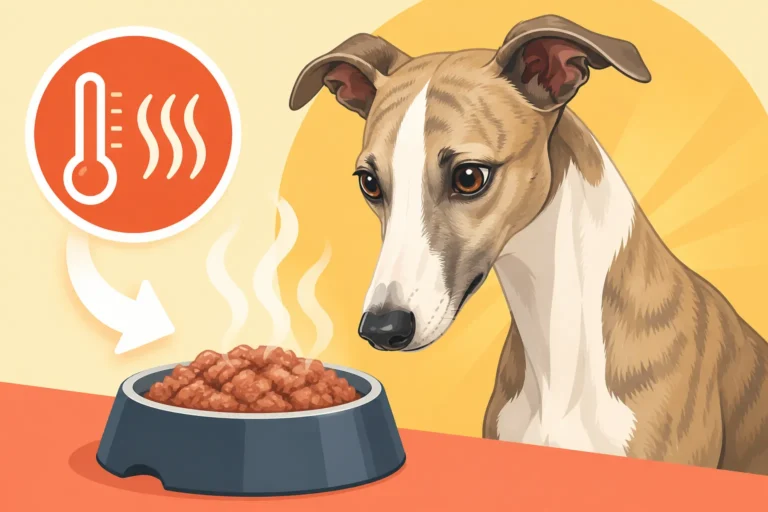
- Warm it up: Adding a little warm water or low-sodium chicken or beef broth can enhance the smell and make the food more enticing. Just be sure it's not too hot! Warming Food to Get a Whippet Eating goes into more detail on this.
- Add toppers: A small amount of cooked, plain chicken, canned pumpkin (not pie filling), plain yogurt, or a drizzle of fish oil can make a big difference. Many pet stores, including online retailers like Chewy and Amazon, offer a wide range of palatable toppers specifically designed to encourage picky eaters.
- Consider fresh food: If your Whippet is consistently turning up their nose, exploring fresh food options from services like Ollie might be worth it. The fresh ingredients and different textures can often reignite a Whippet's interest in food.
- Rotate foods: If your vet agrees it's appropriate for your individual Whippet, rotating through a few different high-quality kibble brands or protein sources can keep things interesting and prevent boredom.
Create a Calm and Positive Feeding Environment
Think about where your Whippet eats. Is it a bustling spot in the kitchen? Is another pet hovering nearby?
- Quiet space: Choose a calm, low-traffic area for their food bowl where they won't be disturbed. This allows them to focus on eating without feeling anxious or rushed.
- Comfortable bowl: Ensure their bowl is clean and comfortable for them to eat from. Some Whippets prefer a raised bowl, while others are fine with a bowl on the floor.
- Positive association: Make mealtime a positive experience. Avoid hovering over them or staring intently. Simply place the food down, say something encouraging, and then give them space. If they eat, praise them afterward.
Ensure Adequate Exercise Before Meals
A good romp in the yard or a brisk walk before mealtime can stimulate appetite. Physical activity naturally increases metabolism and hunger signals. However, remember the point about overexertion; don't push them too hard right before they eat. A good 20-30 minute walk or some zoomies in a secure yard, followed by a cool-down period, is usually ideal. For safety, remember that Why a Whippet Cannot Be Let Off Leash in an Open Field means they need a secure area or a long line.
Rule Out Medical Issues (Again)
If you've tried these behavioral and environmental adjustments and your Whippet is still consistently skipping meals, or if their behavior changes suddenly, it’s always best to consult your veterinarian again. Even if they've had a recent check-up, new symptoms can arise. Be prepared to tell your vet:
- How long this has been happening.
- If there are any other symptoms (lethargy, vomiting, diarrhea, changes in water intake).
- What you've already tried (different foods, toppers, schedule changes).
- Any recent changes in their routine or environment.
Your vet might recommend bloodwork to check for underlying conditions or a more thorough dental examination. Sometimes, even simple things like a minor infection can be easily missed on a routine exam. Keep in mind that The Bloodwork Numbers That Look Wrong on a Healthy Whippet can be misleading if your vet isn't familiar with sighthound norms, so communicating with your vet about Whippet-specific considerations is always a good idea.
Manage Treats and Scraps
This is a tough one for many of us, as we love to give our Whippets treats! However, if your dog is skipping meals, reducing or temporarily eliminating treats and table scraps is crucial. If they're filling up on other goodies, they won't be motivated to eat their main meal. Once their appetite returns to normal, you can slowly reintroduce treats in moderation. Puzzle toys that dispense kibble can also be a great way to make mealtime more engaging without adding extra calories from treats. These are readily available on platforms like Amazon.
When to Seek Veterinary Care
While many instances of a Whippet skipping a meal are not serious, it is important to know when it's time to call the vet.
| Symptom | When to Call the Vet |
|---|---|
| No food for 24 hours | Contact your vet, especially for puppies or senior Whippets. |
| No food for 48 hours | Seek veterinary attention immediately, regardless of age. |
| Lethargy or weakness | Immediately, particularly if combined with skipped meals. |
| Vomiting or diarrhea | Immediately, risk of dehydration. |
| Visible pain or discomfort | Immediately, could indicate injury or serious internal issue. |
| Sudden, unexplained weight loss | Contact your vet; don't mistake natural leanness for actual unhealthy weight loss. |
| Changes in water intake | Significant increase or decrease can point to underlying conditions. |
| Difficulty eating (chewing, swallowing) | Immediately, could be dental issue, foreign object, or neurological problem. |
| Abdominal distention or pain | Emergency – could indicate bloat (GDV), though less common in Whippets than larger sighthounds, it's still possible. |
Remember, you know your Whippet best. If something feels "off" to you, even without severe symptoms, trust your gut and consult your vet. Early intervention can make a significant difference in outcomes for many health conditions. The overall lifespan of a Whippet, typically The Twelve to Fifteen Years a Whippet Lives, means we want to ensure they're healthy and happy for every one of those years.
Ultimately, a Whippet skipping a meal isn't always a cause for panic. Often, it's a minor issue of pickiness, stress, or simply not being hungry. By understanding their unique breed traits, observing their behavior, making simple adjustments, and knowing when to seek professional help, you can keep your svelte sighthound happy and well-fed.
Disclaimer
This article is for general informational purposes only and does not constitute professional advice. Laws, prices and regulations vary by location and change over time. Consult a qualified professional for guidance on your specific situation.