Whether a Whippet Deposit Is Refundable
Bringing a new Whippet puppy into your life is an incredibly exciting prospect, but the journey often begins with a financial commitment: the deposit. It's a question many prospective owners grapple with – whether that initial sum of money is refundable if plans change or unforeseen issues arise. This guide will meticulously unpack the complexities surrounding whippet puppy deposits, helping you understand when your money might be returned, when it's likely gone for good, and how to protect yourself from common pitfalls.
The Purpose and Nature of a Whippet Puppy Deposit
Before we dive into the nitty-gritty of refunds, let's first understand why breeders ask for deposits and what they truly represent in the world of responsible dog breeding. It’s not just about locking you into a sale; it’s a mutual agreement with real implications for both parties.
Why Breeders Ask for Deposits in the First Place
Imagine being a dedicated Whippet breeder. You've spent years researching lines, ensuring health, investing countless hours in raising a litter, from sleepless nights during whelping to early socialization and vet visits. Each puppy represents a significant investment of time, money, and emotional energy. When a prospective owner expresses interest, especially for a highly sought-after breed like the Whippet, you need some assurance that they are serious. A deposit serves as that earnest money, a commitment from the buyer that they intend to follow through with the purchase. Without it, a breeder could hold a puppy for weeks, turning away other interested families, only for the initial buyer to change their mind at the last minute. This leaves the breeder with an older puppy to place, which can sometimes be more challenging, and potentially a lost opportunity for a suitable home. It’s a way to filter out casual inquiries from genuinely committed families.
Understanding the Different Types of Deposits: Non-Refundable vs. Conditional
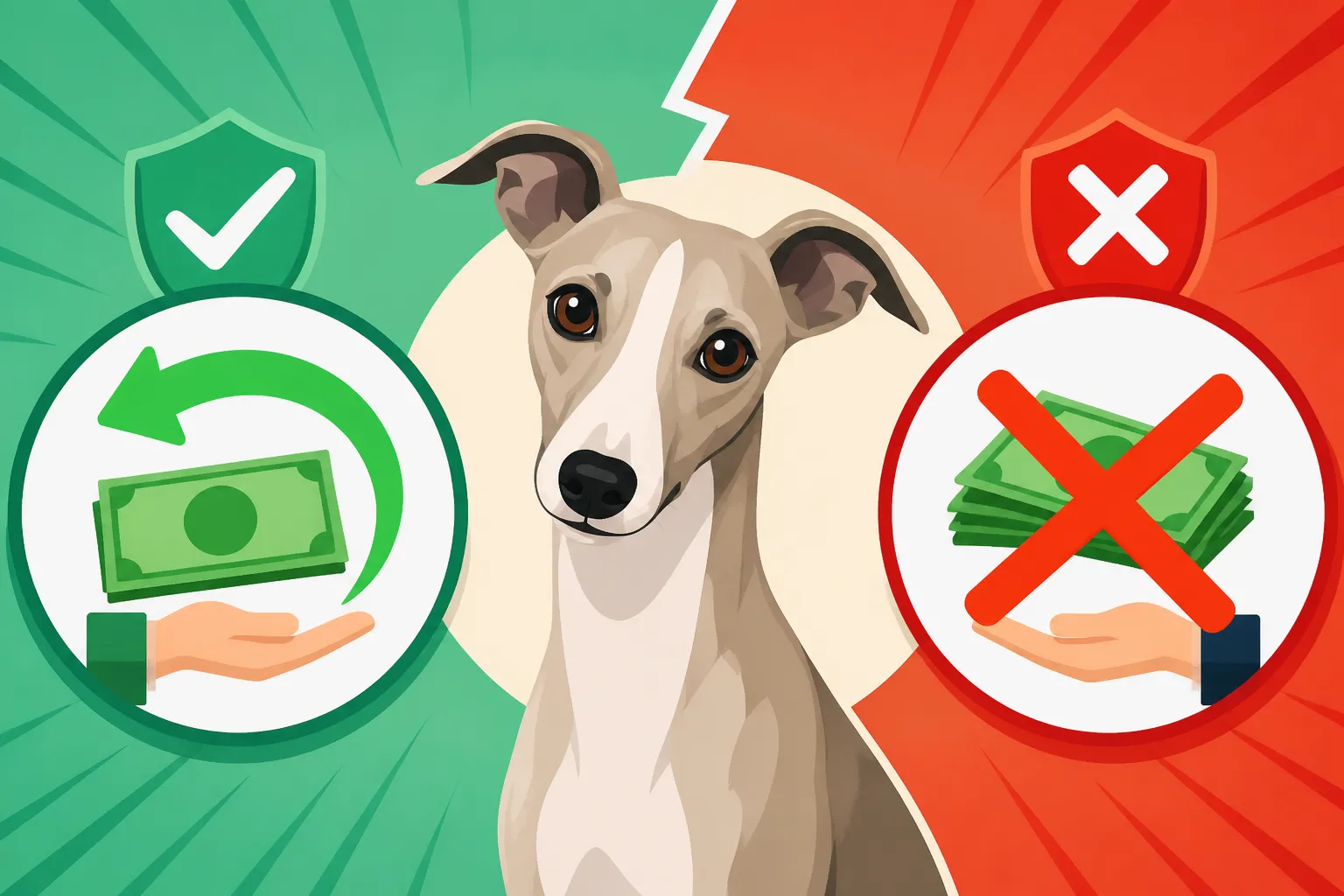
Not all deposits are created equal, and this distinction is absolutely critical. A "non-refundable" deposit, as the name suggests, is typically retained by the breeder regardless of whether the sale is completed, barring very specific circumstances outlined in a contract or legal precedent. This is the most common type you'll encounter and often covers the breeder's time and lost opportunities if you back out. On the other hand, a "conditional" deposit might specify scenarios under which it would be refunded. For example, a contract might state the deposit is refundable if the chosen puppy doesn't pass its vet check, or if the breeder fails to produce a puppy of the agreed-upon sex or color within a reasonable timeframe. It's vital to clarify which type of deposit you are paying, as this dictates your potential for a refund. Never assume anything; get it in writing.
The Ethical Breeder's Perspective on Deposits
For ethical Whippet breeders, the deposit isn't just a fee; it's part of a screening process. They’re looking for responsible, committed owners who understand the unique needs of a Whippet. They want to ensure their puppies go to forever homes where they will thrive. The deposit helps confirm a buyer’s serious intent to provide a lifetime of care, which can include regular vet check-ups, appropriate nutrition, and training. They’re not simply selling a product; they're placing a beloved animal. If a buyer backs out, the breeder sees it as a failure to find the right match, and the deposit often helps to cover the extended care and advertising costs for finding that next perfect home. Responsible breeders often conduct extensive health tests on their breeding stock, and understanding that these costs are substantial helps put the deposit in perspective. To learn more about this, you might want to read about The Health Tests Both Whippet Parents Should Have.
Deciphering Your Deposit Agreement: The Crucial Contract
When it comes to deposits, particularly for a living creature you'll welcome into your family, a handshake and a verbal agreement just won't cut it. You absolutely need a clear, comprehensive written contract. This document is your roadmap and your protection.
Why a Written Contract Is Non-Negotiable
Seriously, if a breeder asks for a deposit without offering a written contract, walk away. A written contract outlines the terms of the sale, including the deposit, the total price of the puppy, specific details about the puppy (breed, sex, color, date of birth, registration status), and crucially, the conditions under which the deposit, or even the full purchase price, might be refunded. It protects both you and the breeder by setting clear expectations and obligations. Without it, you are relying solely on verbal promises, which are notoriously difficult to prove in a dispute. Think of it like buying a car or renting an apartment—you wouldn't do it without paperwork, and a Whippet puppy is a long-term commitment that warrants the same level of care. This is especially true when considering significant financial outlays, like Emergency Stitches: the Whippet Bill Nobody Budgets For or ongoing costs.
Key Clauses to Look for Regarding Refunds
When reviewing a contract, scrutinize the section pertaining to deposits and refunds. Here are some clauses you should specifically look for and understand:
- Non-Refundable Clause: Does it explicitly state the deposit is non-refundable? If so, understand what that truly means.
- Breeder's Default: What happens if the breeder cannot provide the puppy as agreed (e.g., puppy dies, isn't born, or has a severe, disqualifying health issue)? An ethical breeder's contract should offer a full refund of the deposit or the option to apply it to a future litter.
- Buyer's Default: What if you change your mind? Most contracts will state that the deposit is forfeited in this scenario.
- Health Guarantee: Does the contract include a health guarantee? If the puppy develops a serious health condition shortly after coming home, does the contract specify options like a refund, replacement, or assistance with vet bills? This is different from the deposit, but often tied into the overall terms of sale. You can learn more about this by researching What a Whippet Health Guarantee Covers.
- Timeline for Pickup: Are there penalties for not picking up the puppy by a certain date? This can sometimes lead to forfeiture of the deposit and the puppy being re-listed.
- Spay/Neuter Clause: Many pet contracts include a clause requiring you to spay or neuter your Whippet by a certain age. While not directly related to the deposit refund, failure to comply can sometimes lead to contractual breaches. You might want to understand Whether a Whippet Contract Requires Neutering and its implications.
If any clause is unclear, ask the breeder for clarification before signing and paying. Don't be shy; a good breeder will appreciate your thoroughness.
The Ramifications of a Verbal Agreement
Trust is wonderful, but in financial matters, it's risky. A verbal agreement for a puppy deposit leaves you completely vulnerable. If a dispute arises – perhaps the puppy isn't what you expected, or the breeder suddenly demands more money, or you need to back out – you have very little recourse without written proof. It becomes a "he said, she said" situation, which is incredibly difficult to resolve. You could lose your entire deposit with no legal standing to reclaim it. Even if you consider the breeder a friend or family member, always insist on a written contract for a significant purchase like a Whippet puppy. This ensures everyone is on the same page and provides a safety net if unforeseen circumstances pop up.
When a Whippet Deposit is Typically Not Refundable
Understanding when you might not get your deposit back is just as important as knowing when you might. Most deposit policies are designed to protect the breeder from buyers who don't follow through.
Buyer's Remorse or Change of Circumstance
This is probably the most common reason for a deposit not being refunded, and it's completely understandable from the breeder's perspective. Life happens: sometimes your living situation changes, a new job makes puppy ownership impossible, or you simply realize you weren't ready for a Whippet after all. While these are valid reasons for you to change your mind, they generally don't obligate the breeder to return your deposit. The deposit served its purpose of securing your commitment, and by backing out, you've potentially cost the breeder time, effort, and the opportunity to sell that puppy to another family earlier. They may have turned away several other suitable homes while holding the puppy for you. This is precisely why that initial deposit is often designated as non-refundable.
Failure to Meet Breeder Requirements or Deadlines
Responsible breeders often have specific requirements for their puppy buyers. This could include agreeing to a specific diet (perhaps a premium food brand like that found on Chewy's extensive pet supply range), committing to certain training methods, providing references, or adhering to a specific pick-up schedule. If you fail to meet these agreed-upon terms, the breeder may consider it a breach of contract on your part, justifying the forfeiture of your deposit. For example, if you agree to pick up your puppy at eight weeks but then delay for several weeks without valid communication, the breeder incurs additional costs for food, care, and socialization. Similarly, if you don't complete necessary paperwork or veterinary checks within specified timeframes, your deposit could be at risk. Always read the contract carefully to understand all expectations and deadlines.
The Deposit as Compensation for Breeder's Lost Opportunity
Think about it from the breeder's point of view. They have a limited number of puppies in a litter. When you place a deposit, that puppy is essentially reserved for you. During that time, the breeder ceases advertising that specific puppy and turns away other interested parties. If you then decide not to proceed with the purchase, the breeder has lost potential buyers who might have otherwise taken the puppy. The deposit acts as a form of compensation for this lost opportunity, as well as for the time and resources spent communicating with you, updating you on the puppy's progress, and preparing for the sale. This is a business reality for even the most passionate hobby breeders, who invest heavily in their dogs, from quality food (like the personalized plans from Ollie) to comprehensive veterinary care. The cost of raising a litter, even before they go home, is substantial, and the deposit helps mitigate the financial impact of a cancelled sale.
Scenarios Where a Whippet Deposit Might Be Refundable
While deposits are often non-refundable, there are specific situations where an ethical breeder will, and often contractually must, return your deposit. These generally revolve around the breeder's inability to fulfill their end of the agreement.
Breeder Initiates Cancellation or Cannot Fulfill Agreement
If the breeder is the one who cannot fulfill the contract, your deposit should absolutely be refunded. This can happen for several reasons. Perhaps there weren't enough puppies born in the litter to meet all deposits, or the specific sex or color you requested wasn't available. In a tragic scenario, a puppy might pass away unexpectedly before coming home. Or, the breeder might identify a health issue in the puppy that makes it unsuitable for sale as a pet. In such cases, an ethical breeder will offer a full refund of your deposit, or sometimes the option to roll your deposit over to a future litter. This clause should be clearly stated in your contract. It's a fundamental principle of fair dealing: if one party cannot deliver what was promised, the other party should not be out of pocket. This demonstrates the breeder's commitment to the puppy's well-being above all else.
Health Issues with the Puppy Before Placement
This is a critical area. If, during a pre-purchase veterinary check, the puppy is found to have a significant, undisclosed health issue that makes it unsuitable for placement, your deposit should be refunded. Many reputable breeders will conduct a thorough vet check on their puppies before they go to their new homes. If an issue is discovered – anything from a serious heart murmur to a congenital defect – the breeder should inform you immediately. Depending on the severity, they might offer to cover treatment, reduce the price, or give you a full refund of your deposit. The contract should specify how such health issues are handled. For example, some contracts might state that the deposit is refundable if the puppy fails to pass a health check by a veterinarian of the buyer's choosing within a specified period post-pickup, or if the breeder has a pre-arranged vetting process for the puppies. The well-being of the puppy should always be paramount.
Unforeseen Circumstances Explicitly Covered in the Contract
While rare, some comprehensive contracts might include very specific, unforeseen circumstances under which a deposit could be refunded. This is less about general "buyer's remorse" and more about truly extraordinary events. For instance, a contract might have a clause for acts of God, or if the buyer is called to active military duty overseas, or if a verifiable, life-altering medical emergency prevents the buyer from taking the puppy. These are highly specific and would need to be very clearly defined in the written agreement. Don't expect such clauses as standard, but if they exist, understand their precise terms. This level of detail highlights the importance of getting a robust contract rather than just agreeing to terms verbally.
Due Diligence Before Placing a Whippet Puppy Deposit
The best way to avoid deposit disputes is to do your homework before you even think about handing over any money. Being thorough upfront can save you a lot of heartache and potential financial loss later on.
Researching Reputable Whippet Breeders
Finding a reputable Whippet breeder is paramount. This isn't just about getting a healthy puppy; it's about ensuring you're dealing with an ethical individual who stands by their word and their contract. Start by looking for breeders affiliated with national breed clubs, like the American Whippet Club (AWC), or regional Whippet clubs. These breeders typically adhere to a code of ethics, which often includes fair deposit practices and comprehensive health guarantees. Ask for references from previous puppy buyers. Visit the breeder's home or facility if possible to see the living conditions of the dogs and puppies. A good breeder will be transparent about their practices, eager to answer your questions, and just as keen to vet you as a potential owner. Don't rush into buying from the first breeder you find, especially if their prices seem unusually low or they don't seem concerned with your living situation. Consider that reputable breeders often have waiting lists, and you can learn more about this by reading How Long a Whippet Waitlist Runs.
Asking the Right Questions About Deposit Policies
Once you've found a breeder you're comfortable with, it's time to ask specific, direct questions about their deposit policy before any money changes hands. Don't be afraid to be explicit.
Here's a list of crucial questions:
- Is the deposit refundable under any circumstances? If so, what are they?
- What happens if the puppy of my chosen sex/color isn't available from this litter? Is the deposit refunded or transferred to another litter?
- What if a health issue is discovered during the puppy's vet check before I pick it up?
- What is the total cost of the puppy, and how much is the deposit? (Understanding What a Whippet Puppy Costs in 2026 can help you gauge if prices are reasonable.)
- When is the remaining balance due?
- Will I receive a written contract outlining all terms, including the deposit and health guarantee? Can I review it before paying the deposit?
Getting clear, documented answers to these questions will significantly reduce the chances of future misunderstandings.
Financial Planning Beyond the Deposit
A deposit is just the tip of the iceberg when it comes to the financial commitment of owning a Whippet. Beyond the initial puppy cost, which can vary significantly (as explored in What Whippet Prices Vary By), you'll have ongoing expenses that are substantial over the dog's lifetime. Think about food – quality kibble or fresh food options like Ollie – vet bills, vaccinations, preventatives, training classes, toys, and bedding (Whippets love their comfy spots!). Pet insurance, from providers like Healthy Paws, can be a lifesaver for unexpected medical costs, which are notoriously higher than most people anticipate. By budgeting realistically for these expenses before getting a puppy, you minimize the chance of financial strain leading to buyer's remorse later on. A Whippet might be "cheap to feed" compared to a giant breed, but What a Sighthound Vet Costs Over a Whippet's Life can certainly add up.
Here's a simplified breakdown of typical Whippet costs, beyond the initial purchase price, to help with your planning:
| Category | Initial Costs (Post-Purchase) | Ongoing Monthly Costs | Potential Annual Large Costs |
|---|---|---|---|
| Vet Care | Initial exams, vaccinations, deworming, microchip, spay/neuter | Flea/tick/heartworm prevention | Annual exams, dental cleaning, unexpected emergencies |
| Food & Treats | Puppy food | Premium kibble (e.g., Chewy brands), fresh food (e.g., Ollie), treats | Specialized diet (if needed) |
| Supplies | Crate, beds, collar, leash, bowls, toys, grooming tools | Replacement toys, poop bags, grooming supplies | New beds, specialized coats (see The Wardrobe a Whippet Needs Because It Has No Body Fat) |
| Training & Activities | Puppy classes | Advanced classes, club memberships | Lure coursing entries (see What Lure Coursing and Fast CAT Cost a Whippet Owner) |
| Insurance | Initial premium setup | Monthly premiums (e.g., Healthy Paws) | Deductible (if claim made) |
| Miscellaneous | Travel expenses | Boarding/pet sitting | Home repairs due to puppy antics |
This table shows that a deposit is just a small part of the overall financial picture, reinforcing the need for careful financial planning.
What to Do If a Deposit Dispute Arises
Despite all your best efforts and due diligence, disputes can sometimes happen. If you find yourself in a disagreement over a Whippet puppy deposit, it's important to approach the situation calmly and systematically.
Communicating Clearly and Documenting Everything
The first and most crucial step is clear, written communication. Avoid emotional outbursts or aggressive language, as this can escalate the situation unnecessarily. Send an email or a certified letter to the breeder, clearly stating your position, referring to specific clauses in your written contract (if you have one), and outlining the desired resolution (e.g., full refund of the deposit). Attach copies of all relevant documents, such as the contract, receipts for the deposit, and any correspondence. Keep meticulous records of all communications – dates, times, names, and content of emails, texts, and phone calls. This documentation will be invaluable if you need to pursue further action. If you don't have a written contract, you will need to rely on any other evidence you might have, such as dated text messages or emails that outline promises made.
Exploring Mediation or Small Claims Options
If direct communication doesn't resolve the issue, you might consider mediation. A neutral third party can help facilitate a discussion and potentially reach a mutually agreeable solution without going to court. Many communities offer mediation services at a low cost or sometimes even free. If mediation fails, and the amount of the deposit warrants it, you could consider filing a claim in small claims court. Small claims courts are designed for individuals to represent themselves without the need for an attorney, though rules vary by jurisdiction. You would present your documented evidence, and the court would make a ruling. Be aware that even if you win, collecting the judgment can sometimes be a challenge. Before pursuing this, weigh the amount of the deposit against the time and effort involved in the legal process.
Understanding the Limits of Consumer Protection
While consumer protection laws exist to safeguard buyers, their application to live animal sales and deposits can be complex and vary significantly by state or region. Some areas might have specific "lemon laws" for pets that address health issues, but these typically apply after the puppy has gone home, not necessarily to deposit disputes. The best protection you have is a solid, written contract that clearly outlines the terms of the deposit. Without such a contract, your avenues for recourse are significantly limited. This is why advocating for a clear, written agreement upfront is a hill worth dying on for any prospective Whippet owner. It provides a framework for resolving disagreements and gives you a legal standing that verbal promises simply cannot. Even if you're dealing with a rescue, understanding their adoption fees and return policies is crucial, especially since Why Whippets Rarely Reach Rescue.
Ultimately, whether a Whippet deposit is refundable hinges almost entirely on the terms outlined in your written contract with the breeder and the specific circumstances leading to the cancellation. Always prioritize clear communication, thorough documentation, and extensive research before making any financial commitment. Your future Whippet will thank you for it!
Disclaimer
This article is for general informational purposes only and does not constitute professional advice. Laws, prices and regulations vary by location and change over time. Consult a qualified professional for guidance on your specific situation.