Teaching a Whippet to Wait at a Doorway
Positive reinforcement training teaches a Whippet to wait at open doorways and stops the sighthound from bolting outside.
Work with the temperament you have.
House-training and crate work, recall, leash manners, separation anxiety, and the behaviors this breed is wired for.
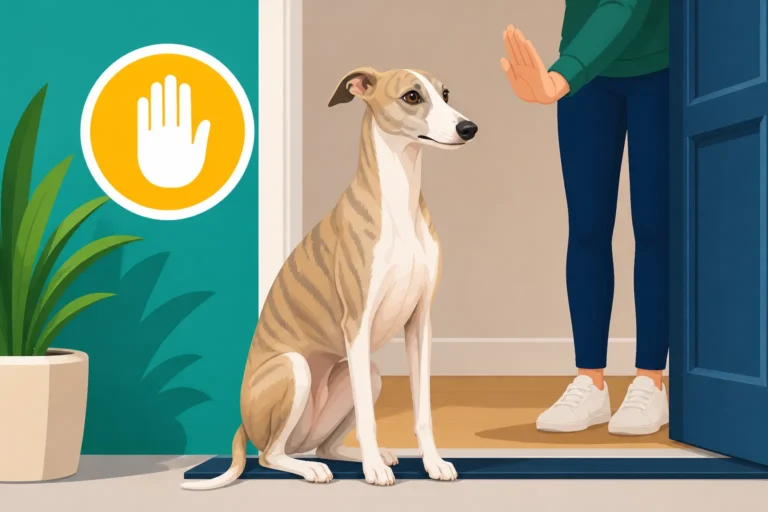
Positive reinforcement training teaches a Whippet to wait at open doorways and stops the sighthound from bolting outside.
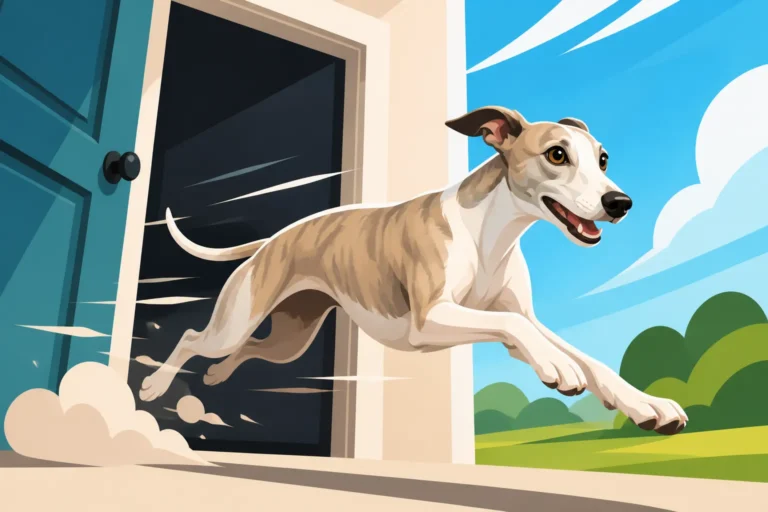
Whippet door-dashing behavior stems from an ancient prey drive, requiring strict environmental management, double barriers, and prevention strategies.
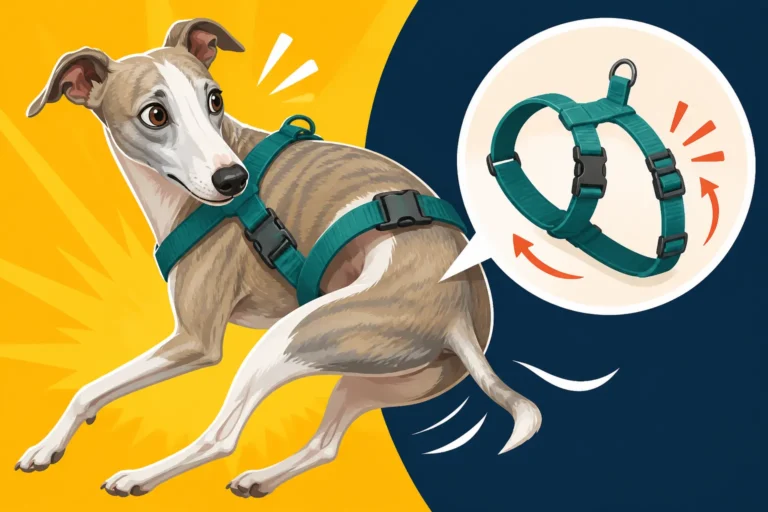
Standard harnesses fail Whippets because of deep chests and narrow waists, causing escapes. Learn how to choose escape-proof gear.
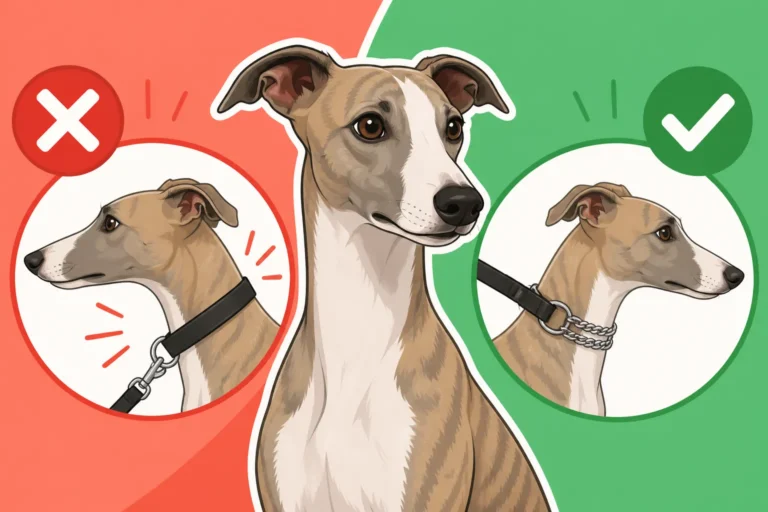
Whippet neck anatomy and strong prey drive cause escape risks that martingale collars safely prevent during walks.
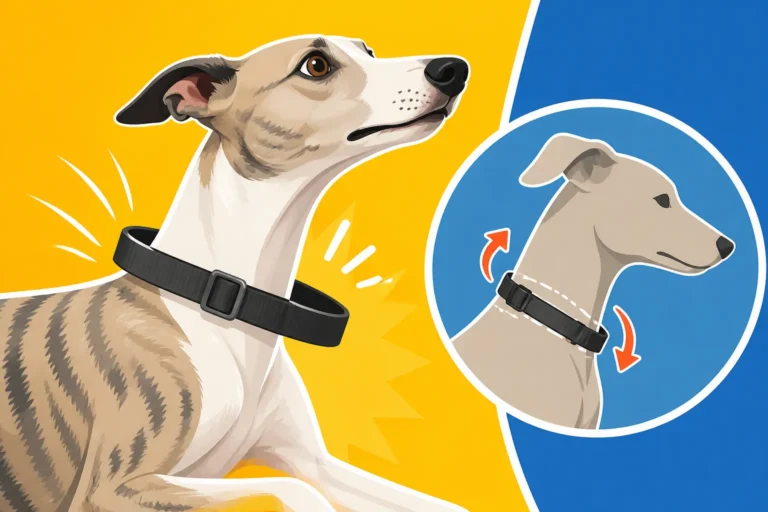
Whippet neck anatomy and tapered head shapes cause flat collars to slip off, creating dangerous escape risks during walks.

Whippet daily needs and sighthound instincts explained, detailing controlled sprints, chasing behavior, and visual observation skills.
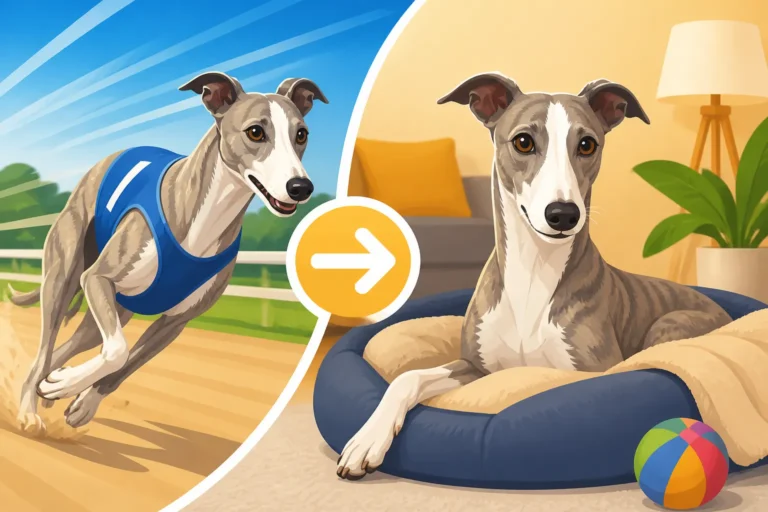
Retired racing Whippets adjust to family homes, learning to navigate stairs and household noises through patient guidance.

Whippet racing provides an outlet for ancient sighthound instincts and prey drive, satisfying deep physical and mental needs.
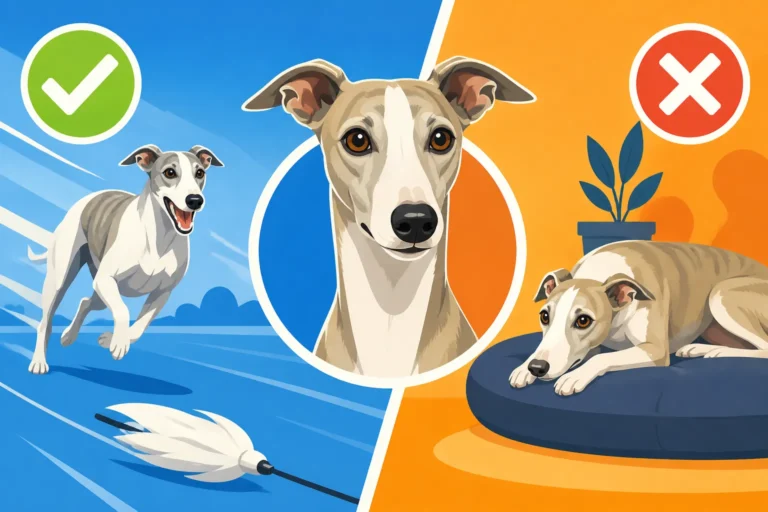
Fast CAT provides Whippets a safe, enclosed 100-yard straight dash to channel their natural prey drive and athletic speed.

Lure coursing provides a safe physical outlet to satisfy a Whippet with thirty five miles an hour speed and an intense prey drive.