How a Whippet Fed a Family
Nineteenth-century British miners bred Whippets as small, affordable hunting dogs to catch small game for food and survival.
Is this the right one for you?
Origins and temperament, size and coat, what living with one is actually like, and how it compares to the breeds people weigh against it.

Nineteenth-century British miners bred Whippets as small, affordable hunting dogs to catch small game for food and survival.

Whippets as poachers dogs in industrial Britain reveal how working class families used sighthounds for survival food.
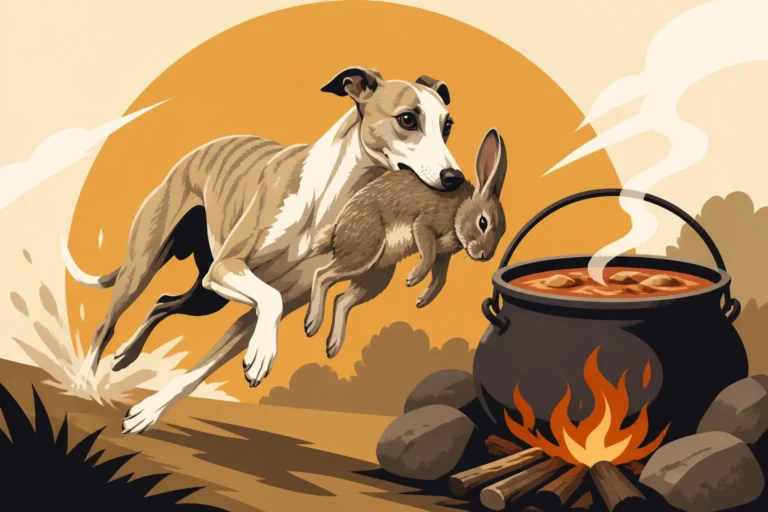
Nineteenth-century Whippets hunted rabbits for impoverished families, providing vital food during times of extreme scarcity.

Snap dog contests tested the raw predatory instincts and speed of nineteenth century working class Whippets in Britain.

The history of the Whippet explains the older working-class name Snap Dog used by miners in Victorian England.
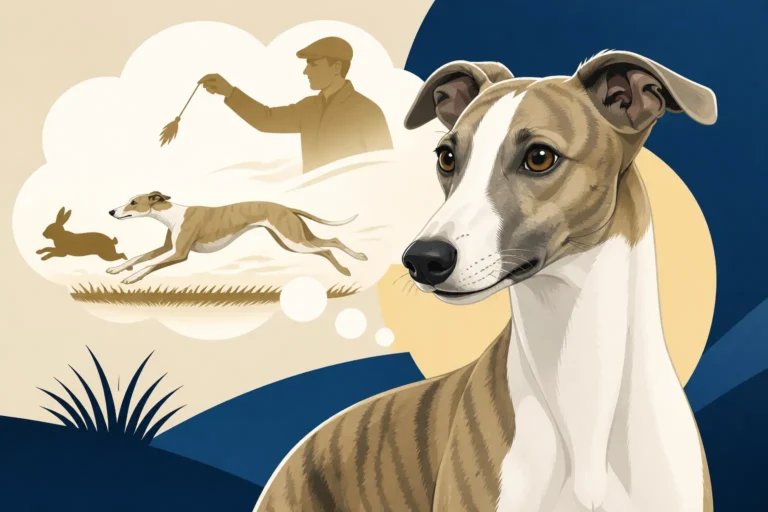
Northern English miners and factory workers bred smaller sighthounds and terriers to create the fast, compact Whippet dog.
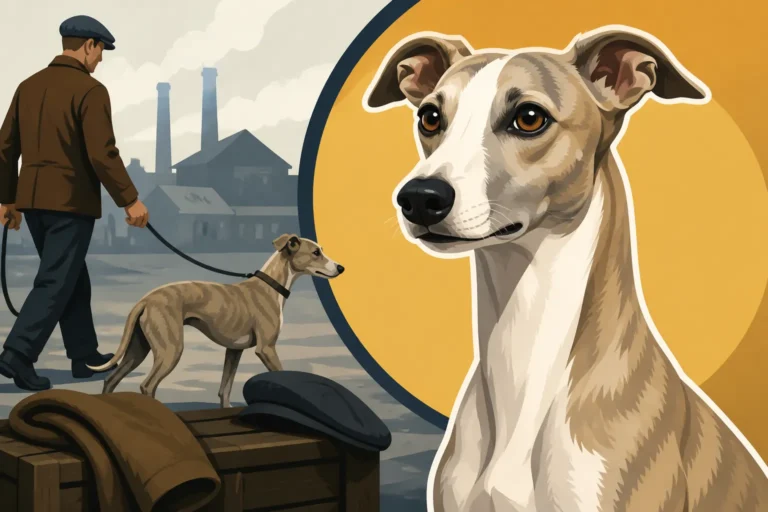
Nineteenth-century industrial miners bred smaller Greyhounds with terriers to create fast, compact Whippets for survival.
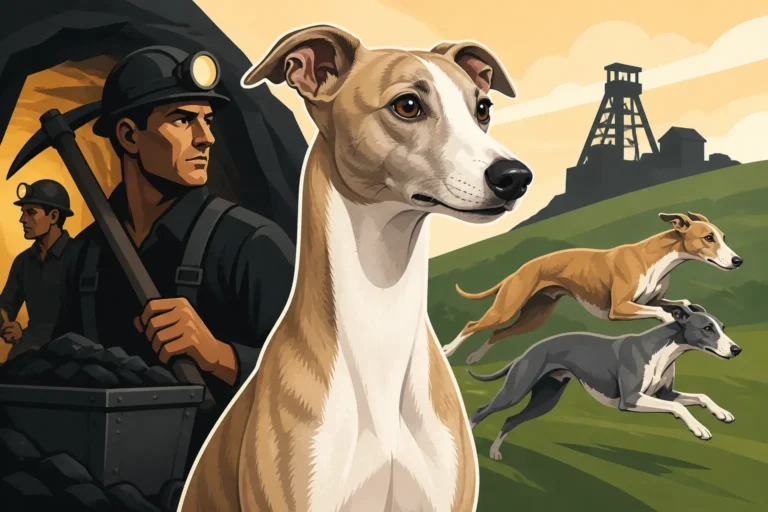
Northumberland coal miners bred the first Whippets in the nineteenth century using smaller Greyhounds and terrier breeds.

Northumberland is the county claiming the Whippet, forged by hardworking coal miners and factory workers during the industrial revolution.
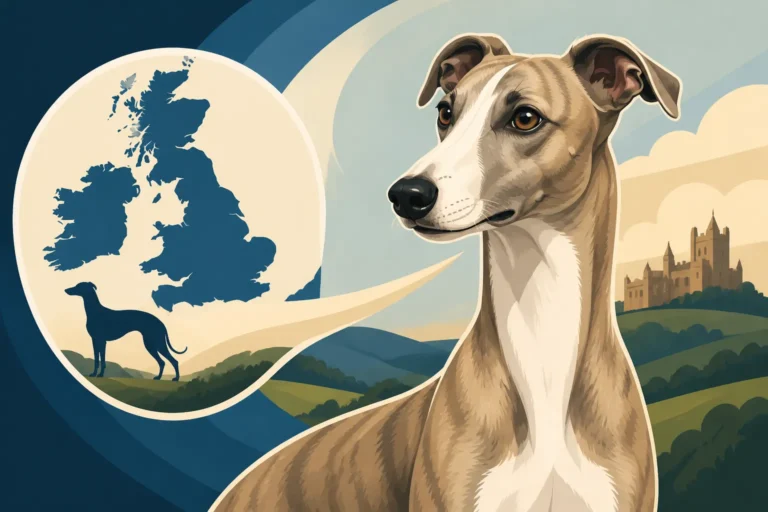
The true origins of the Whippet trace back to nineteenth century industrial British coalfields and working class miners.