How Many Hours a Day a Whippet Sleeps
Whippet sleep habits and sprint-and-snooze metabolism explain why these sighthounds require long hours of rest each day.

Whippet sleep habits and sprint-and-snooze metabolism explain why these sighthounds require long hours of rest each day.

Whippet jumping ability and powerful hind legs explain fence clearance risks when prey drive motivates athletic sighthounds.
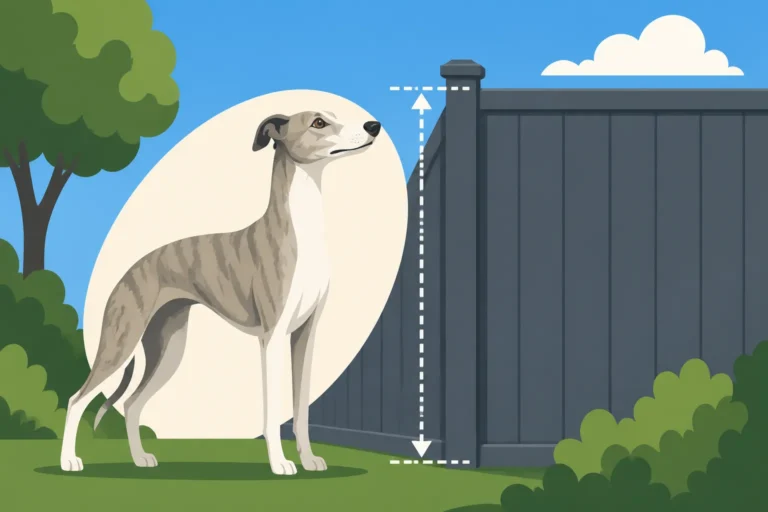
Whippet fence height requirements, ranging from four to five feet, keep athletic sighthounds safely contained during high prey drive chases.

Whippet long line usage provides safe exercise and controlled freedom for 35 miles an hour sighthounds with strong chase instincts.

Safe off-leash havens for Whippets require understanding their sighthound prey drive and thirty five miles an hour speed limits.

Sighthound prey drive and target fixation explain why loose Whippets bolt toward traffic and ignore frantic recall attempts.

Whippet recall training explains how to manage biological sighthound prey drive, stopping dogs from chasing rabbits, squirrels and moving prey.

Whippet recall reliability explains how sighthound chase instincts override training, revealing how far you can trust them.

Whippet prey drive and sighthound genetics explain why fast movement overrides trained recall in this breed during outdoor runs.

Whippet running speed reaches thirty-five to forty miles per hour during explosive short sprints on a lure coursing track.