Why a Whippet Needs Soft Bedding Everywhere
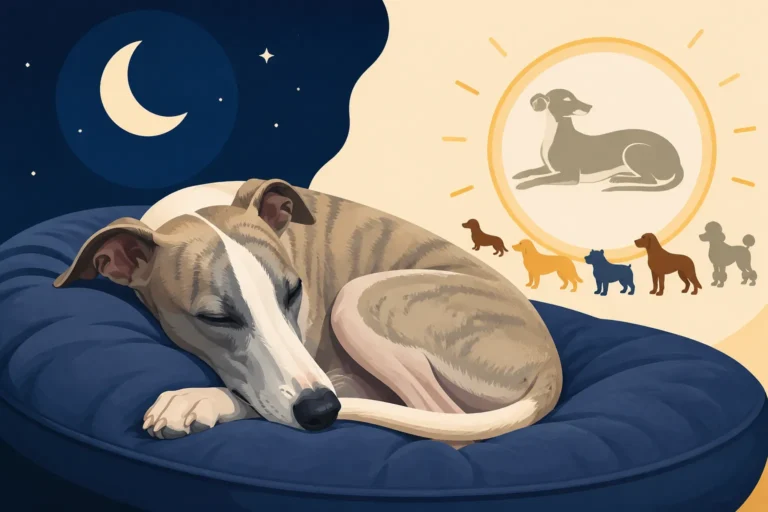
It's a common sight in many Whippet households: you walk into a room and find your beloved dog curled up in a tight ball, often right there on the bare floor, or maybe stretched out on the cool tile. You might think, "Oh, they must be comfortable," but for a Whippet, whose unique anatomy leaves them with little natural cushioning, these hard surfaces are actually a recipe for discomfort and potential health issues down the line. This guide is all about diving deep into why soft bedding isn't just a luxury for your Whippet, but a fundamental necessity for their well-being, both physically and emotionally.
The Whippet's Unique Anatomy: Built for Speed, Not for Hard Floors
Whippets are undeniably masterpieces of canine engineering. They're built for incredible bursts of speed, with a sleek, aerodynamic body that allows them to glide effortlessly. But this very design, while magnificent for a sprint across a field, comes with some distinct considerations when it comes to their day-to-day comfort and care within the home. Their delicate physique means they simply don't have the natural padding that many other breeds possess, making them particularly vulnerable to the unforgiving nature of hard surfaces.
A Whippet Has No Insulation and No Padding
Unlike many breeds with thick coats or a generous layer of body fat, a Whippet is a lean, mean, running machine. They have very little subcutaneous fat, which is the natural insulation and padding that protects the bones and joints in other dogs. Their skin is incredibly fine and often translucent, allowing you to see the intricate network of veins just beneath the surface. This thinness means there's almost no buffer between their prominent bones and whatever surface they choose to rest on. Imagine trying to sleep on a wooden floor without a mattress, day in and day out – that's often what it's like for a Whippet without adequate soft bedding. This lack of a protective layer means every pressure point, every hip bone, elbow, and hock, bears the full brunt of gravity against a hard surface. A Whippet Has No Insulation and No Padding really drives this point home, explaining just how vulnerable their bodies are.
Feeling Those Ribs and Hips
When you run your hand over a healthy Whippet, you can typically feel their ribs, spine, and hip bones quite distinctly. This isn't a sign of them being underweight; it's simply their natural build. However, what feels normal to the touch can become a problem when these bony protrusions are constantly pressing against hard floors. Think about the bony prominences that are always in contact with the ground when your Whippet lies down: their elbows, hocks, hips, and the point of their shoulders. These areas lack muscle mass and fat, making them particularly susceptible to friction and pressure. If you've ever felt a hard knot or thick skin on a human elbow from leaning on desks, you can start to imagine the kind of wear and tear these points endure on a Whippet over time.
The Problem with Hard Surfaces: More Than Just Discomfort
It’s easy to dismiss a dog lying on a hard floor as simply "preferring the cool." And while a cool spot can be nice on a warm day, the chronic pressure and friction from continuous contact with unforgiving surfaces lead to a cascade of problems specific to the Whippet's delicate build. These aren't just minor irritations; they can be painful, costly to treat, and significantly impact your Whippet's quality of life.
Pressure Sores and Calluses
One of the most immediate and visible consequences of a Whippet regularly sleeping on hard floors is the development of pressure sores and calluses. These aren't just unsightly; they can become painful and even infected. Calluses are thick, hardened patches of skin that form as a protective response to repeated pressure and friction, most commonly seen on the elbows, hocks, and sometimes hips. Initially, they might just look a bit bald and rough, but over time, they can become quite large, dry, and prone to cracking. Beneath these calluses, especially if the pressure continues unrelieved, real damage can occur. The Pressure Sores a Whippet Gets From Sleeping on the Floor outlines this in detail.
Even worse are pressure sores, which are open wounds that develop when sustained pressure cuts off blood supply to the skin, causing tissue to die. These can be incredibly difficult to heal, often requiring veterinary intervention, antibiotics, and even special dressings. For a breed already prone to thin skin injuries, an open sore becomes an invitation for infection and prolonged discomfort. It's truly heartbreaking to see these develop, knowing they could often be prevented with proper care.
Joint Stress and Discomfort
Beyond skin issues, hard surfaces put undue stress on a Whippet's joints. Imagine their slender legs and long, elegant frame trying to find a comfortable position on a floor that offers no give. There's no cushioning to absorb impact when they lie down or shift position, and their joints are constantly bearing their body weight without relief. Over time, this chronic stress can contribute to the development or worsening of joint pain and even conditions like arthritis, particularly as they age.
Even young, healthy Whippets will experience discomfort that manifests as restlessness, frequent repositioning, or reluctance to settle. If your Whippet is constantly sighing, shifting, or getting up and down, it might not be boredom; it could very well be that they simply can't get comfortable on the hard surfaces available to them. Providing soft, supportive bedding helps distribute their weight evenly, cushioning their joints and allowing their muscles to truly relax, promoting deeper, more restorative sleep, which is so important for these athletic dogs.
Where Softness Matters Most: Making Your Home a Whippet Haven
Knowing why soft bedding is crucial is just the first step. The next is understanding where it's needed. For a Whippet, comfort shouldn't be confined to a single dog bed in a corner. Their need for cushioning extends throughout their environment, turning every potential resting spot into a cozy haven. We're talking about making their entire world a little softer, a little more forgiving.
Sleeping Spots Everywhere
Think about your own home. Do you only have one comfortable spot to sit or lie down? Probably not! You have sofas, armchairs, and beds. Your Whippet should have similar options. Ideally, there should be multiple soft, comfortable sleeping spots available in various rooms where your Whippet spends time. This means not just one main dog bed, but perhaps several strategically placed throughout the house. A plush bed in the living room, a cozy mat in the kitchen, a soft blanket on the armchair in the office – these all make a huge difference.
Consider orthopedic beds for their main sleeping area, especially if your Whippet is older or particularly bony. You can find excellent options on platforms like Chewy, which often have detailed descriptions of memory foam content and support levels. These beds are designed to contour to their body, supporting their spine and joints and alleviating pressure points. Having multiple options ensures they can choose a spot that's both comfortable and suits their current mood or need for warmth or coolness.
Crates and Travel Comfort
If your Whippet is crate-trained, the crate needs to be more than just a wire box; it needs to be a den of comfort. A hard plastic crate bottom or a thin piece of carpet offers virtually no protection for a Whippet's delicate frame. Investing in a thick, comfortable crate pad or even layering several soft blankets will make their crate a much more inviting and safe space. Look for durable, washable options, perhaps on Amazon, that can withstand regular use and cleaning. This is especially vital for puppies learning to love their crate or for adult Whippets who spend significant time there.
Travel, too, demands attention to softness. Whether it's a short car ride to the vet or a longer trip for a weekend getaway, a Whippet needs a cushioned surface. A car seat protector with a soft pad, a dedicated travel bed, or simply bringing along their favorite blanket can make a world of difference. An uncomfortable journey can quickly become stressful, leading to anxiety or even carsickness. Providing a soft, familiar space can help them feel secure and relaxed, making travel a much more pleasant experience for everyone.
Choosing the Right Bedding: Investing in Comfort and Health
Selecting the right bedding for your Whippet isn't just about picking out the prettiest option. It's an investment in their health, comfort, and longevity. There's a vast array of choices out there, but for a Whippet, specific features become paramount due to their unique physical needs.
Orthopedic Support for Sighthounds
Given their lean build and prominent bones, orthopedic support is absolutely non-negotiable for a Whippet's main bed. Forget thin, floppy pads that offer no real cushioning. Look for beds with genuine memory foam or dense, supportive foam layers that conform to their body, distributing weight evenly and relieving pressure on their joints and bony prominences. This is crucial for preventing those painful calluses and sores we talked about earlier.
When you're shopping, pay attention to the density and thickness of the foam. A good orthopedic bed won't bottom out when your Whippet lies on it, even after years of use. Brands that cater specifically to sighthounds or senior dogs often offer excellent orthopedic options. Many online retailers like Chewy provide detailed product specifications, allowing you to compare foam types and construction. While these beds might be a bit more of an initial investment, they pay dividends in your Whippet's comfort and long-term health, potentially saving you vet bills down the line for pressure sore treatment or joint issues. Beds That Suit an Arthritic Whippet is a great resource if you're dealing with an older dog.
Durability and Washability
Whippets, despite their elegant appearance, can be messy. They track in dirt, shed a bit of hair (though not much), and sometimes have accidents, especially as puppies or seniors. Therefore, choosing bedding that is easy to clean and built to last is vital. Look for beds with removable, machine-washable covers. Many quality beds feature heavy-duty zippers and durable fabrics that can withstand frequent washing without falling apart or shrinking.
Consider the internal components as well. Can the foam inserts be spot-cleaned, or are they protected by water-resistant liners? Some beds are entirely machine-washable, which is a fantastic bonus. Durability also means the bed will hold its shape and support over time, preventing it from flattening out into a useless pancake. Investing in durable, washable bedding means you can keep your Whippet's sleeping areas hygienic and comfortable without constant replacement, making your life easier in the long run.
Here's a quick comparison of common bedding types for Whippets:
| Bedding Type | Pros for Whippets | Cons for Whippets | Ideal Use Case |
|---|---|---|---|
| Orthopedic/Memory Foam | Excellent joint support, pressure point relief, conforms to body | Higher initial cost, can be bulky, some retain heat | Main sleeping area, senior dogs, dogs with joint issues |
| Deep Bolster Beds | Creates a cozy, secure feeling, edges provide head rest | Can flatten over time, bolsters may lose shape | Cozy napping spots, feeling of security |
| Thick Plush Beds | Soft and inviting, good general comfort | May lack firm support for joints, can flatten quickly | Secondary napping spots, general lounging |
| Crate Pads/Mats | Specifically designed for crate fit, often durable | Varies greatly in thickness/support, some are very thin | Crate lining, travel comfort |
| Thick Blankets | Versatile, easy to wash, allows for burrowing | Provides no structural support, can bunch up | Layering, extra warmth, travel, sofa protection |
Beyond Beds: Other Ways to Provide Comfort
While dedicated dog beds are crucial, providing softness for your Whippet goes beyond just purchasing a few plush items. It's about creating an overall environment that acknowledges their delicate nature and offers opportunities for comfort wherever they choose to rest. Think of it as an ongoing project to make your home the ultimate Whippet comfort zone.
Blankets and Layering
Whippets adore blankets. It's not just a preference; it's practically a biological need. Their thin skin and lack of body fat mean they get cold easily, even indoors. You'll often find them burrowed under blankets, creating their own little cocoons of warmth and security. Having a generous supply of soft, washable blankets throughout your home is essential. Drape them over sofas, armchairs, and even place them on top of their beds for extra warmth and burrowing opportunities. Whether a Whippet Should Sleep Under a Blanket confirms this innate behavior.
Layering is also key, especially in colder climates or during winter months. A fleece blanket over an orthopedic bed, or a stack of soft throws on their favorite napping spot, provides adjustable warmth and cushioning. This practice also helps protect your furniture from wear and tear while still allowing your Whippet to indulge in their love of soft surfaces. Don't be surprised if your Whippet expertly arranges their blankets to create the perfect nest – they are truly masters of comfort engineering!
Softening Your Home Environment
Consider the general flooring in your home. Hardwood, tile, and laminate are common, but they offer no give for your Whippet's bones. While you can't carpet your entire house for your dog, you can strategically place rugs and runners in areas where your Whippet frequently lies down or walks. A soft rug in front of the fireplace, a runner in a sunny spot where they like to sunbathe, or even just a few bath mats in key areas can make a significant difference.
Beyond flooring, think about your furniture. If your Whippet is allowed on the sofa or chairs, which many Whippet owners embrace, ensure those spots are also comfortable. A throws blanket or a dedicated cushion can protect your furniture while providing that essential softness for your dog. For those sunny spots near windows, consider adding a soft mat or a small bed, as prolonged exposure to direct sun on a hard surface can cause discomfort and even skin issues for their delicate skin. Even a simple dog crate can be made infinitely more comfortable with a soft, thick pad, often found on places like Amazon or Chewy, which makes it less like a cage and more like a cozy den.
The Long-Term Benefits of Proper Bedding: A Life of Comfort and Health
Providing ample soft bedding for your Whippet isn't just about avoiding immediate discomfort; it's a proactive approach to their long-term health and happiness. The cumulative effect of years spent on comfortable, supportive surfaces makes a profound difference in their overall well-being. This commitment to comfort will lead to a more relaxed, healthier, and ultimately happier Whippet by your side for years to come.
Preventing Chronic Pain
One of the most significant long-term benefits is the prevention of chronic pain. Constant pressure on joints and bony areas, coupled with the repetitive strain of shifting to find comfort, can lead to inflammation, stiffness, and degenerative changes over time. By consistently providing orthopedic and supportive bedding, you are actively protecting their joints, muscles, and skeletal structure from unnecessary wear and tear. This is particularly important for an athletic breed that puts a lot of stress on its body during play and sprints.
While we can't completely eliminate the risk of conditions like arthritis as dogs age, we can certainly mitigate their severity and slow their progression. A Whippet who has consistently slept on supportive surfaces will likely experience less joint stiffness and discomfort as a senior, compared to one who has spent years on hard floors. This focus on preventative care means fewer vet visits for pain management and a better quality of life for your beloved companion well into their golden years. Caring for an Old Whippet That Feels the Cold also touches upon how comfort needs evolve with age.
A Happier, Healthier Whippet
Ultimately, a Whippet with proper bedding is a happier and healthier Whippet. When they are physically comfortable, they are more relaxed, less prone to anxiety, and better able to enjoy their daily activities. Adequate, restful sleep is crucial for their immune system, cognitive function, and overall mood. A dog that is constantly uncomfortable might become restless, destructive, or even grumpy, simply because their physical needs aren't being met.
Think about it from their perspective: if every time you lay down, your hips and elbows ached, you'd probably be a bit on edge too! By investing in good bedding and creating a soft environment, you're fostering a sense of security and well-being. They'll greet you with more enthusiasm, engage in play with more vigor, and settle down for cuddles with deeper contentment. It's a fundamental aspect of responsible Whippet ownership that ensures your unique sighthound thrives, living a full, active, and comfortable life alongside you. After all, their comfort is a reflection of our care.
Disclaimer
This article is for general informational purposes only and does not constitute professional advice. Laws, prices and regulations vary by location and change over time. Consult a qualified professional for guidance on your specific situation.