Feeding a Whippet That Sprints and Then Sleeps
It's a common Whippet owner dilemma: your dog is a blur of motion one moment, tearing across the field like the wind, and the next they're curled up in a tiny ball on the sofa, seemingly asleep before they even hit the cushion. This "sprints and then sleeps" lifestyle is utterly charming, but it can leave you scratching your head about how to feed them properly. How do you fuel such intense, albeit brief, bursts of energy while ensuring they don't pack on unnecessary weight or miss out on vital nutrients during their extensive downtime? This guide will dive deep into crafting the ideal diet for your Whippet, balancing their unique energy demands with their need for solid, consistent nutrition.
Understanding the Whippet's Unique Metabolism and Energy Needs
Whippets are truly a breed apart when it comes to their physique and energy use. They're built for speed, not endurance, and their lean, athletic frames come with specific metabolic considerations that impact their dietary needs. You might see them doing zoomies around the yard with astonishing acceleration, then crash for hours, seemingly recharging for their next burst. This high-intensity, low-duration activity pattern is key to understanding how to feed them.
The "Forty Mile an Hour Couch Potato" Lifestyle
Ah, the beloved "forty mile an hour couch potato" – it's not just a cute saying, it's a profound truth about Whippets! They possess incredible speed and agility, capable of hitting impressive velocities in a sprint, making them exhilarating to watch. However, once that energy is expended, they transition almost instantly into expert nappers, often sleeping for 16-18 hours a day. This dichotomy means their diet needs to support both extremes: the explosive power of their sprints and the quiet metabolic needs of their long periods of rest. You're not feeding a dog that jogs for miles every day; you're feeding an athlete who trains like a sprinter and recovers like a champion sleeper. It’s a delicate balance that often leaves new Whippet owners wondering if they're doing it right. You can read more about their daily habits in The Whippet Is a Forty Mile an Hour Couch Potato.
This lifestyle dictates that while they need readily available energy for their bursts, they don't necessarily need a constant stream of high calories that an endurance dog might. Their metabolism is efficient, burning fuel quickly during activity and then settling down. Overfeeding can quickly lead to an overweight Whippet, which puts unnecessary strain on their delicate joints and can impact their ability to perform their natural, joyful sprints. Finding that sweet spot where they have enough energy to be themselves but don't gain excess weight is crucial for their long-term health and happiness.
It's also worth noting that because their activity is so intense, they can burn through glycogen stores rapidly. This isn't usually an issue for the average pet Whippet doing casual zoomies, but it becomes a more significant consideration for those involved in regular racing or lure coursing. For these dogs, ensuring proper pre- and post-exercise nutrition is vital to aid recovery and prevent muscle fatigue. Even for the casual sprinter, a well-balanced diet helps maintain peak physical condition for those spontaneous dashes across the park.
Why Their Lean Build Affects Energy Requirements
One look at a Whippet and you'll see why they're often mistaken for being underweight by those unfamiliar with the breed. Their sleek, muscular bodies have very little body fat, especially compared to many other breeds. This isn't a sign of starvation; it's their natural, athletic build. This lack of insulating fat means they can get cold easily, but it also has implications for how their bodies store and utilize energy. Why a Whippet Has So Little Body Fat explains this further.
Because they carry so little fat, their primary energy reserves come from muscle glycogen and, to a lesser extent, fat reserves that are already minimal. This means they need a consistent intake of high-quality protein to maintain their muscle mass and sufficient healthy fats and carbohydrates to fuel both their active periods and their resting metabolism. Trying to put "extra weight" on a Whippet in the form of fat to make them "look healthier" to the uninitiated can actually be detrimental. They are meant to be lean, and an ideal body condition involves being able to easily feel their ribs, but not necessarily see every single one protruding sharply.
Their thin skin and lack of padding also mean that maintaining good muscle tone and a healthy weight is important to prevent problems like pressure sores from lying on hard surfaces. So, while you want to keep them lean, you don't want them emaciated. It’s a fine line, and understanding what a healthy Whippet looks like is key. You'll often feel their ribs, spine, and hip bones easily, but they should still have a smooth contour rather than a bony sharpness. This is their optimal state for both sprinting and sleeping comfortably.
The Impact of Sprinting on Caloric Burn
When a Whippet really opens up and runs, they are expending an incredible amount of energy in a very short period. Imagine the instantaneous burst of speed, the powerful muscular contractions, and the sheer effort of propelling their body at such high speeds. This isn't a gentle trot; it's an all-out effort, akin to a human Olympic sprinter. While these sprints are often brief, they lead to a significant, albeit temporary, spike in caloric burn.
However, it’s important not to overestimate this. A few minutes of intense sprinting over the course of a day, followed by many hours of napping, does not equate to the continuous caloric demand of a working dog or a breed that requires sustained, long-distance exercise. The average pet Whippet still has a relatively modest overall daily caloric need compared to a larger, more active breed, precisely because their high-energy activities are so intermittent. The danger is often overfeeding "just in case" they ran more that day, or because a worried owner thinks they look too thin.
The key is providing enough energy to support those explosive sprints without providing so much that it leads to fat accumulation during their long periods of rest. This is where precise portion control and a watchful eye on their body condition come into play. A Whippet that sprints hard and then relaxes needs fuel that is easily digestible and provides quick energy, but also supports muscle repair and overall health for their recovery period. It's a testament to their efficient bodies that they can do so much on what often seems like comparatively little food.
The Right Nutritional Balance for a Whippet
Crafting the perfect diet for your Whippet is all about balance. Their unique blend of explosive energy and prolonged rest demands a diet that supports muscle health, provides sustained energy, and aids recovery without leading to excess weight. We're looking for quality over quantity in many regards, ensuring every bite contributes positively to their well-being.
Protein: Fuel for Muscle Maintenance and Repair
For a Whippet, protein is paramount. Their lean, athletic bodies are composed of powerful muscles designed for speed, and these muscles need high-quality protein to maintain their mass, repair micro-tears from strenuous activity, and support overall cellular function. Think of protein as the building blocks for their incredible physique. Without adequate protein, muscle mass can decline, impacting their speed, strength, and even their general health.
Look for dog foods where a named meat source (like chicken meal, lamb, beef, or fish) is listed as the first ingredient. This indicates a good concentration of animal-derived protein, which provides all the essential amino acids Whippets need. While plant-based proteins can contribute, animal proteins are generally more bioavailable for dogs. For the average pet Whippet, a diet with a protein content in the mid-20s to low-30s percentage range on a dry matter basis is usually appropriate. For exceptionally active or racing Whippets, you might consider the higher end of that range or even slightly above, after consulting with a vet or canine nutritionist.
It's not just about the percentage, though; it's about the quality. A food with rendered animal by-products as the main protein source might meet a percentage requirement on paper, but it won't offer the same nutritional punch as whole meat or high-quality meat meals. Investing in a reputable brand ensures your Whippet is getting the best fuel for their fast-twitch muscles. Brands like Ollie and others focusing on fresh, human-grade ingredients often highlight their protein sources, which can be a good option for owners prioritizing quality.
Fats: Essential for Sustained Energy and Skin Health
Fats are a concentrated source of energy, and for a Whippet, they play a crucial role. While their sprints are fueled primarily by carbohydrates, healthy fats provide a more sustained energy release, important for their overall daily metabolism and maintaining a healthy coat and skin. Given their thin skin and lack of subcutaneous fat, supporting skin health is particularly important for Whippets.
Good sources of fat in dog food include chicken fat, beef fat, and various fish oils (like salmon oil or flaxseed oil). Aim for a fat content in the range of 12-18% for most Whippets. For those with higher activity levels, you might lean towards the higher end to provide extra caloric density. Essential fatty acids, particularly Omega-3s (EPA and DHA), are vital for anti-inflammatory processes, brain health, and that beautiful, sleek Whippet coat. Many high-quality foods supplement with these, or you can add a fish oil supplement to their diet.
Be mindful that while fats are important, excessive amounts can quickly lead to weight gain, especially in a dog prone to long periods of rest. It's about finding that optimal level. Too little fat might leave their coat dull and their energy levels lagging, while too much will lead to them getting chunky. Always check the ingredient list for healthy fat sources and balance the fat content with their overall caloric needs.
Carbohydrates: Quick Energy and Digestive Support
Carbohydrates often get a bad rap, but for an active dog like a Whippet, they are a vital source of quick energy. During those explosive sprints, glycogen stored in their muscles (derived from carbohydrates) is their go-to fuel. Without adequate carbohydrates, they might not have the immediate burst power they need. Beyond quick energy, complex carbohydrates also provide fiber, which is essential for healthy digestion and maintaining a balanced gut microbiome.
Look for complex carbohydrates like sweet potatoes, peas, brown rice, or oats in your Whippet's food. These provide sustained energy without causing blood sugar spikes and crashes, unlike simple sugars. They also offer valuable vitamins, minerals, and dietary fiber. The carbohydrate content in a good quality dog food for a Whippet might range from 30-50% depending on the brand and specific formula.
It's a common misconception that dogs, especially highly carnivorous breeds, don't need carbohydrates. While wolves might primarily eat meat, domesticated dogs have evolved alongside humans and their diets, developing the ability to digest and utilize carbohydrates efficiently. For a sprinter like a Whippet, carbohydrates are not just filler; they are a critical component for those intense, short bursts of activity and also contribute to overall energy balance. Ensuring they get digestible, high-quality carbs will keep them performing at their best and support regular bowel movements.
Choosing the Best Food Type for Your Whippet
The market is flooded with dog food options, and it can feel overwhelming trying to pick the "best" one for your Whippet. From traditional kibble to fresh-cooked meals and raw diets, each has its pros and cons. The best choice ultimately depends on your Whippet's individual needs, your budget, and your lifestyle.
Kibble: Convenience and Balanced Nutrition
For most Whippet owners, high-quality kibble remains a popular and excellent choice. Its convenience is unmatched – it’s shelf-stable, easy to store, and simple to measure out, making meal times quick and straightforward. Modern kibble formulations have come a long way, with many reputable brands offering meticulously balanced nutrition tailored to different life stages and activity levels.
When selecting a kibble for your Whippet, look for brands that prioritize high-quality protein sources as the first ingredient, specify named animal fats, and include complex carbohydrates and essential vitamins and minerals. Avoid foods with excessive fillers, artificial colors, or vague ingredient lists. Some owners opt for "performance" kibbles, especially if their Whippet regularly participates in racing or lure coursing, as these often have slightly higher protein and fat contents suitable for more intense energy expenditure. Brands available through retailers like Chewy or Amazon often carry a wide range of premium kibbles, making it easy to compare and select.
Always ensure the kibble you choose meets AAFCO (Association of American Feed Control Officials) nutritional guidelines for "all life stages" or "adult maintenance," depending on your dog's age. This ensures it's a complete and balanced diet. While kibble is generally dry, remember to provide plenty of fresh water alongside it, especially given a Whippet's active moments. It's a reliable foundation for their diet, providing consistent nutrition without the fuss.
Wet or Fresh Food Options
Wet food, fresh-cooked, or gently dehydrated options are gaining popularity, and for good reason. Many Whippets, known for being a bit picky, often find these types of food much more palatable due to their aroma, texture, and taste. These foods typically have higher moisture content, which can be beneficial for overall hydration, though it does mean less caloric density per serving compared to dry kibble.
Fresh-cooked food services, like Ollie, deliver pre-portioned, human-grade meals directly to your door. These diets are often highly digestible and made with whole ingredients, which can be appealing to owners who want to avoid highly processed foods. The downsides usually involve cost and storage, as these foods need to be refrigerated or frozen and can be significantly more expensive than kibble. However, for a Whippet struggling with appetite or digestive issues, or simply for an owner who wants to provide what feels like a more natural diet, these can be fantastic options.
Wet food, found in cans or pouches, is another alternative. It's generally more affordable than fresh-cooked meals and offers similar palatability and moisture benefits. You can feed wet food exclusively, or use it as a topper to make kibble more appealing – a common trick for the discerning Whippet palate. Just be sure to check the nutritional analysis, as some wet foods are designed as complementary rather than complete diets. When considering any of these options, evaluate the ingredient quality, nutritional completeness, and how they fit into your budget and lifestyle.
Raw Diets: Considerations and Cautions
Raw feeding (BARF – Biologically Appropriate Raw Food or PMR – Prey Model Raw) is a diet philosophy that advocates feeding dogs uncooked meat, bones, organs, and sometimes vegetables, mirroring what a canine ancestor might eat. Proponents suggest benefits like shinier coats, cleaner teeth, and improved digestion. For a lean, athletic breed like a Whippet, a raw diet aims to provide highly digestible protein and natural fats, which could theoretically support their muscle mass and energy needs.
However, raw feeding comes with significant considerations and potential risks. It requires extensive research and careful preparation to ensure it's nutritionally complete and balanced, as an improperly formulated raw diet can lead to nutrient deficiencies or excesses. There are also food safety concerns, including the risk of bacterial contamination (Salmonella, E. coli) for both the dog and the human handlers, and potential risks of dental fractures from bones.
If you are considering a raw diet for your Whippet, it is absolutely crucial to consult with a veterinarian who is knowledgeable about raw feeding or a certified canine nutritionist. They can help you formulate a balanced diet or recommend commercially prepared, complete-and-balanced raw foods that are subject to safety standards. Do not attempt to formulate a raw diet on your own without expert guidance. For many owners, the risks and complexities outweigh the perceived benefits, especially when high-quality kibble or fresh-cooked options are readily available and provide excellent nutrition with far less risk.
| Food Type | Pros | Cons | Typical Whippet Suitability |
|---|---|---|---|
| Kibble | Convenient, cost-effective, shelf-stable | Can be less palatable for picky eaters, lower moisture content | Excellent for most Whippets, especially with good quality |
| Wet Food | Highly palatable, high moisture content | More expensive, higher volume needed for caloric needs, perishable | Good for picky eaters, adds hydration, can be a topper |
| Fresh/Cooked | Human-grade ingredients, highly digestible, palatable | Very expensive, requires refrigeration, less convenient | Great for picky eaters, sensitive stomachs, specific health needs |
| Raw Diet | "Natural" appeal, potential coat/dental benefits | High risk of nutritional imbalance/contamination, labor-intensive | Requires expert guidance, high commitment, food safety risks |
Crafting a Feeding Schedule and Portion Control
Getting the right type of food is only half the battle; knowing how much and when to feed your Whippet is equally important. Given their unique "sprint and sleep" metabolism, precise portion control and a consistent feeding schedule are vital to maintain their ideal lean body condition. It’s easy to accidentally overfeed a dog who spends so much time napping, leading to unwanted weight gain.
How Often Should a Whippet Eat?
Most adult Whippets thrive on two meals a day – once in the morning and once in the evening. This schedule helps maintain a steady blood sugar level, provides energy for their daily activities (including those spontaneous sprints), and supports healthy digestion. Dividing their total daily caloric intake into two meals also reduces the risk of bloating, though bloat (Gastric Dilatation-Volvulus) is generally less common in Whippets than in some larger, deep-chested breeds, it's still a good practice. How Many Meals a Day a Whippet Needs offers more insights into this.
For Whippet puppies, the frequency is typically higher. Puppies under three months might need three to four small meals a day, gradually decreasing to two meals by six to twelve months of age as their growth rate slows. Always check the guidelines provided by your breeder or veterinarian, as a puppy's nutritional needs are intense and specific for healthy development.
Consistency is key. Try to feed your Whippet at roughly the same times each day. Dogs are creatures of habit, and a predictable schedule helps regulate their digestive system and can reduce anxiety around meal times. If you have a Whippet who's a bit of a picky eater, sticking to a routine can sometimes encourage them to eat more readily, knowing when their next meal is coming.
Monitoring Body Condition Score
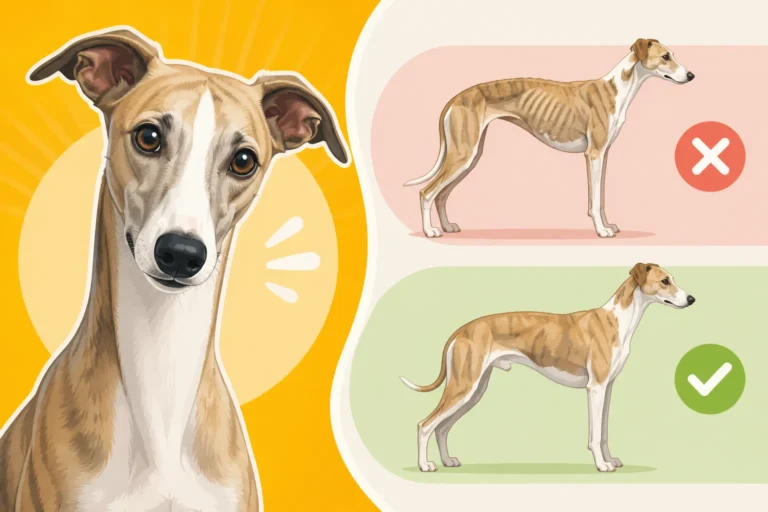
This is perhaps the single most important aspect of feeding a Whippet correctly. Because they are naturally lean, people unfamiliar with the breed often think a healthy Whippet is too thin. You should be able to easily feel your Whippet's ribs, spine, and hip bones without pressing hard, but they shouldn't protrude sharply or look like they're covered in only skin. From above, you should see a distinct waist, and from the side, a clear tuck-up of their abdomen.
The best way to objectively assess your Whippet's weight is by using a Body Condition Score (BCS) chart, which your vet can show you. A BCS of 4 or 5 out of 9 is generally considered ideal for a Whippet. Regularly feeling along their sides and back, coupled with visual checks, will tell you if you're hitting the mark. If their ribs are difficult to feel, or you don't see that distinctive waist and tuck-up, they are likely carrying too much weight. Conversely, if their bones are very prominent, or their muscles look wasted, they might be underweight. What Body Condition Score a Whippet Should Be delves deeper into this.
Adjust your portions based on your Whippet's BCS, not just the guidelines on the food bag. Those guidelines are averages and don't account for your dog's individual metabolism, activity level, or even the weather. If your Whippet is gaining weight, slightly reduce their portions; if they're looking a little too lean (and you've ruled out any underlying health issues with your vet), slightly increase them. Small, incremental adjustments are usually best.
Adjusting Portions for Activity Levels and Age
A Whippet's caloric needs aren't static; they fluctuate based on several factors. A young, growing Whippet puppy needs more calories and nutrients per pound of body weight than an adult. An intact (unneutered) adult might have slightly higher metabolic needs than a spayed or neutered one. And, of course, their activity level plays a huge role.
On days your Whippet has had an unusually vigorous sprint session, perhaps at a lure coursing event or a long romp at a safe, enclosed park, they might benefit from a slightly larger meal or an extra healthy treat. However, on days when the weather is bad, and they've mostly spent their time doing what Whippets do best – sleeping – their caloric needs will be lower. It's about being observant and responsive to their daily life. Keeping Weight On a Whippet Without Making It Fat provides excellent guidance here.
As your Whippet ages, their metabolism will naturally slow down, and their activity levels may decrease. Senior Whippets often need fewer calories to maintain their ideal weight, and their diet might need adjustments to support joint health or other age-related concerns. Always discuss these changes with your veterinarian, who can provide tailored advice for your aging Whippet. Regular vet check-ups are invaluable for fine-tuning their diet throughout their life stages.
Hydration and Supplementation for the Active Whippet
Beyond food, what your Whippet drinks and any additional supplements they receive play a significant role in their overall health and performance. Especially for a dog that engages in short, intense bursts of activity, proper hydration and thoughtful supplementation can make a difference in recovery and long-term well-being.
Ensuring Adequate Water Intake
Water is essential for every bodily function, from digestion and nutrient absorption to temperature regulation and joint lubrication. For a Whippet that sprints, adequate hydration is particularly important for muscle function and preventing overheating, even though their activity bursts are short. A dehydrated dog will tire more quickly and be more prone to muscle cramps or injury.
Always ensure your Whippet has access to fresh, clean water at all times. Use a sturdy, non-tip bowl, and change the water daily. If your Whippet is spending time outdoors or has been particularly active, offer water frequently. Some Whippets might be reluctant drinkers, especially if they prefer cooler water. Consider adding an extra water bowl in another location in the house, or even a pet fountain, which can encourage some dogs to drink more due to the moving water. For those reluctant drinkers, incorporating wet food into their diet, as mentioned earlier, can also boost their fluid intake.
When traveling or heading to an event, always bring water from home and a portable bowl. While they may not pant excessively during a short sprint like a long-distance runner, even brief intense exertion causes fluid loss. Replenishing this is critical for their rapid recovery. Watch for signs of dehydration, such as lethargy, dry gums, or sunken eyes, and consult your vet if you're concerned.
When to Consider Supplements
For a healthy Whippet on a complete and balanced diet, supplements are often not necessary. A high-quality dog food should already contain all the vitamins, minerals, and nutrients your Whippet needs. However, there are specific situations where supplements might be beneficial, always under the guidance of your veterinarian.
- Joint Supplements: As Whippets age, or for those regularly engaged in high-impact activities like racing or lure coursing, joint supplements containing glucosamine, chondroitin, and MSM can help support cartilage health and reduce inflammation. These can be particularly beneficial for breeds prone to certain orthopedic issues, or simply as a preventative measure for active seniors. Whether a Whippet Needs Joint Supplements provides more information.
- Omega-3 Fatty Acids: While some foods include them, an additional Omega-3 supplement (like fish oil) can further support skin and coat health, reduce inflammation, and may benefit cardiovascular and cognitive function. This can be especially good for Whippets with sensitive skin or dull coats.
- Probiotics: If your Whippet experiences digestive upset, chronic soft stools, or has recently been on antibiotics, a probiotic supplement can help restore a healthy gut microbiome.
Never start supplementing your Whippet without first discussing it with your veterinarian. Adding unnecessary supplements can sometimes do more harm than good, especially if they interact with medications or lead to nutrient imbalances. Your vet can help you determine if a supplement is truly needed and recommend appropriate dosages and brands.
Treats: Healthy Rewards, Not Meal Replacements
Treats are wonderful tools for training, enrichment, and simply showing your Whippet some love. However, it's easy for treats to become a significant source of extra calories, leading to weight gain. For a breed that thrives on being lean, this is a particular concern. The general rule of thumb is that treats should make up no more than 10% of your Whippet's total daily caloric intake.
Choose healthy, low-calorie treats. Small pieces of cooked lean meat (chicken, turkey), plain vegetables (carrots, green beans, cucumber), or purpose-made low-calorie dog treats are excellent options. Avoid treats that are high in sugar, fat, or artificial ingredients. If you're using treats for training, break them into tiny, pea-sized pieces to minimize caloric impact. You can often find a good selection of healthy treat options from online retailers like Chewy.
Remember to factor treats into your Whippet's daily food allowance. If you give a lot of treats during a training session, slightly reduce the amount of kibble or wet food they receive at their next meal. This careful balancing act ensures your Whippet gets their favorite rewards without compromising their ideal body condition. Treats should always be a bonus, not a replacement for their main, nutritionally complete meals.
Addressing Common Feeding Challenges
Even with the best intentions and a carefully chosen diet, feeding a Whippet isn't always smooth sailing. They can present unique challenges, from finicky eating habits to sensitive stomachs, that require patience and sometimes a bit of detective work.
The Picky Eater Syndrome
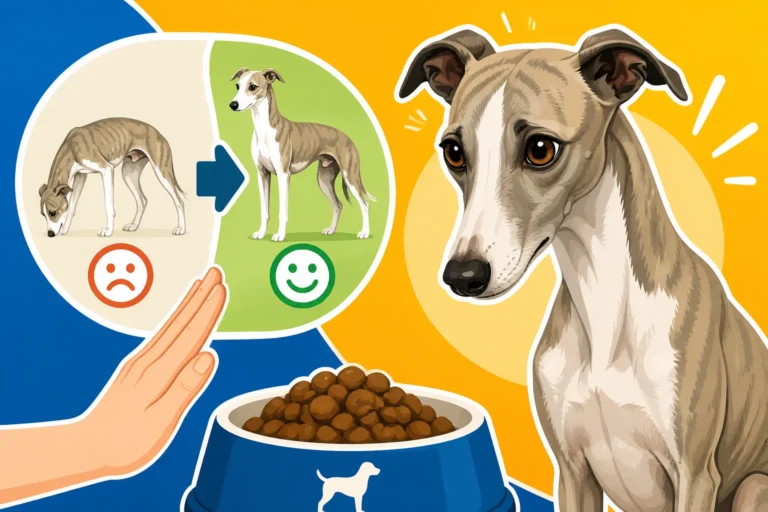
It’s true, many Whippets can be incredibly discerning about their food. One day they gobble down their meal, the next they look at you with disdain, as if you've offered them sawdust. This "picky eater syndrome" can be frustrating, especially when you know they need to maintain their lean physique. Why a Whippet Is a Picky Eater explores this further.
First, rule out any medical reasons with your vet. Dental pain, illness, or digestive upset can all cause a loss of appetite. If they're medically sound, try these strategies:
- Consistency: Stick to a regular feeding schedule. Leave the food down for 15-20 minutes, then pick it up until the next meal. This teaches them to eat when food is available.
- Enhance Palatability: Warming up wet food slightly, adding a small amount of low-sodium broth, or a dollop of plain yogurt can make meals more appealing. Some owners use a tiny bit of peanut butter (xylitol-free!) or a drizzle of salmon oil as a "topper."
- Variety (with caution): While consistency is good, some Whippets appreciate a little variety in toppers or rotating between a couple of different high-quality kibble flavors (doing so gradually to avoid stomach upset).
- Quiet Mealtimes: Ensure their eating area is calm and free from distractions or stress. Some Whippets prefer to eat alone, away from other pets or noisy household activity.
- Hand-feeding/Encouragement: For truly stubborn eaters, a few bites hand-fed can sometimes kickstart their appetite.
It's important not to hover or offer endless alternatives, which can reinforce picky behavior. A healthy dog won't starve itself, but it can be hard to watch them skip meals. If appetite loss persists, always consult your vet.
Managing an Upset Stomach
Whippets can sometimes have sensitive stomachs, manifesting as soft stools, vomiting, or flatulence. Their generally lean build can make any digestive upset seem more pronounced, as they can lose weight quickly. Several factors can contribute to this:
- Dietary Changes: Rapidly switching foods is a common culprit. Always transition to a new food gradually over 7-10 days, mixing increasing amounts of the new food with decreasing amounts of the old.
- Dietary Indiscretion: Whippets are counter surfers and opportunistic scavengers! Eating something they shouldn't (table scraps, garbage, foreign objects) can easily lead to an upset tummy.
- Food Sensitivities/Allergies: While less common than environmental allergies, some Whippets can develop sensitivities to certain protein sources or grains.
- Stress: Anxiety or changes in routine can impact a dog's digestive system.
- Parasites or Illness: Always rule out underlying medical issues with your vet, especially if symptoms are severe or persistent.
For mild, acute stomach upset (e.g., one episode of vomiting or loose stool), a bland diet for 24-48 hours can often help. Boiled plain chicken (skinless, boneless) and plain white rice in a 1:2 ratio is a classic choice. Feed small, frequent meals until symptoms resolve, then gradually reintroduce their regular food. If symptoms worsen, persist, or your Whippet seems lethargic or in pain, it's time for a vet visit.
Preventing Bolting and Bloat Risks
Some Whippets, particularly those with a strong food drive or who previously had to compete for food, can be prone to eating their meals incredibly quickly – "bolting" their food. This can lead to issues like choking, excessive air swallowing, and an increased risk of regurgitation or, more seriously, bloat. While Whippets aren't as prone to Bloat (Gastric Dilatation-Volvulus or GDV) as giant breeds, it's a life-threatening emergency that owners should be aware of.
To mitigate bolting and potential bloat risks:
- Slow Feeder Bowls: These specially designed bowls have obstacles that force your Whippet to eat more slowly. Brands like Outward Hound make excellent ones, often available on Amazon or Chewy. Whether a Whippet Eats Better From a Slow Feeder has more tips.
- Puzzle Feeders: Similar to slow feeders, these toys dispense food gradually as your Whippet interacts with them, turning mealtime into a mental exercise.
- Multiple Small Meals: Feeding two or three smaller meals throughout the day instead of one large one can reduce the volume of food in the stomach at any given time.
- Avoid Exercise Around Meals: Don't let your Whippet engage in vigorous exercise immediately before or after eating. A good rule of thumb is an hour before and an hour after.
- No Raised Bowls (unless necessary): While some owners use raised bowls, for breeds susceptible to bloat, some studies suggest they might actually increase risk. Unless your vet recommends it for a specific medical condition (like megaesophagus), feeding on the floor is generally advised.
- Manage Water Intake: While important for hydration, avoid letting your Whippet gulp large quantities of water right after eating.
If you ever suspect bloat (signs include a distended abdomen, unproductive retching, restlessness, pain), consider it an absolute emergency and get to a vet immediately. Early intervention is crucial for survival.
Special Considerations for Racing or Performance Whippets
If your Whippet is more than just a couch potato with occasional sprints, regularly participating in events like lure coursing, Fast CAT, or straight racing, their nutritional needs will be elevated. These dogs are true athletes, and their diet must be fine-tuned to support peak performance, rapid recovery, and long-term health.
Pre and Post-Race Nutrition Strategies
For a Whippet involved in competitive sports, careful timing and composition of meals around their events are crucial.
- Pre-Race: The goal is to provide readily available energy without causing digestive upset or weighing them down. A light meal of easily digestible carbohydrates and some protein, given 4-6 hours before the event, is often recommended. Avoid heavy, fatty meals right before competition, as these take longer to digest. Some handlers might opt for a small, easily absorbed carbohydrate snack (like a piece of banana) an hour or two before a run, but test this during training to avoid surprises on race day. Hydration is also paramount; ensure they have access to water up until about an hour before their run.
- Post-Race: Recovery is just as important as performance. Within 30-60 minutes after intense activity, offer a meal that includes both high-quality protein for muscle repair and complex carbohydrates to replenish glycogen stores. This "recovery window" is when muscles are most receptive to nutrient uptake. Water with added electrolytes can also be beneficial at this stage.
It's common for performance Whippets to be fed a "performance" or "active" dog food formula, which typically has a higher protein and fat content to meet their elevated caloric demands. Whether a Racing Whippet Needs a Performance Food delves into this. Always work closely with a canine nutritionist or a veterinarian experienced in sports medicine to develop a tailored plan that suits your Whippet's specific activity level and individual needs.
The Role of Electrolytes and Recovery
Electrolytes are minerals like sodium, potassium, and chloride that are vital for nerve and muscle function, and maintaining fluid balance in the body. When a Whippet sprints intensely, they lose electrolytes through sweat and respiration, especially on hot days. Replenishing these is key for efficient recovery and preventing fatigue or cramps.
While plain water is usually sufficient for the average pet Whippet, performance Whippets might benefit from electrolyte-enhanced water after intense training sessions or races. There are canine-specific electrolyte formulas available that you can add to their water. Avoid human sports drinks, as they often contain ingredients or sugar levels unsuitable for dogs. Whether a Whippet Needs Electrolytes After Running is a good read on this topic.
Beyond electrolytes, rest is a critical component of recovery. After a strenuous day, allow your Whippet ample time to recuperate. Their "sprints and then sleeps" nature is actually perfectly adapted for this – those long naps are their body's way of repairing and rebuilding. Provide a comfortable, quiet space for them to rest, and ensure their next meal is packed with the nutrients needed for full recovery.
Supporting Joint Health in Active Dogs
The very nature of sprinting places significant stress on a Whippet's joints, particularly their hips, elbows, and small paw joints. While Whippets are generally a robust breed, ensuring their joint health is paramount for longevity in competitive sports and a comfortable life into old age.
Nutrition plays a key role here. Look for dog foods that include natural sources of joint-supporting nutrients, such as glucosamine and chondroitin, often found in ingredients like chicken cartilage or green-lipped mussel. Many performance formulas will include these. As mentioned earlier, supplements containing glucosamine, chondroitin, and MSM can also be beneficial, acting as building blocks for cartilage and reducing inflammation. Omega-3 fatty acids, with their anti-inflammatory properties, are also excellent for joint health.
Beyond diet, proper conditioning and warm-up/cool-down routines are vital to protect your Whippet's joints. Avoid sudden, intense activity without preparation, and ensure they have good footing when running. Regular, appropriate exercise helps build strong muscles that support the joints, reducing the risk of injury. By taking a holistic approach that combines excellent nutrition with smart training practices, you can help keep your racing Whippet's joints healthy and ready for their next burst of speed.
Disclaimer
This article is for general informational purposes only and does not constitute professional advice. Laws, prices and regulations vary by location and change over time. Consult a qualified professional for guidance on your specific situation.