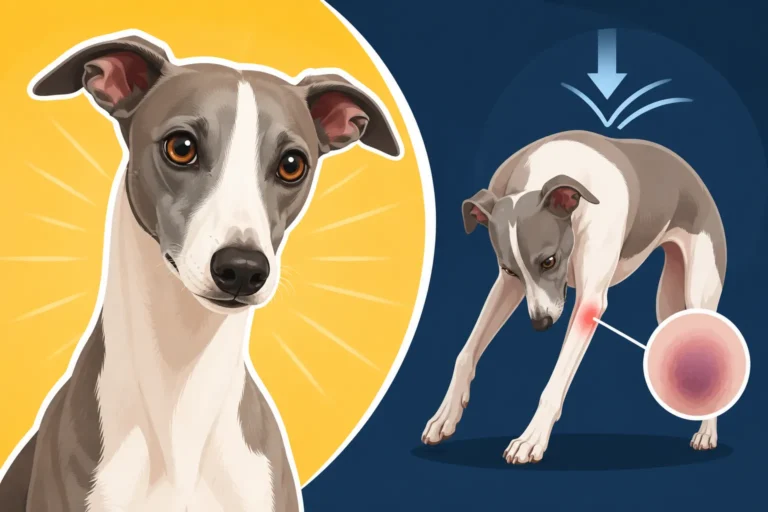
Whether a Whippet Puppy Should Sprint
Oh, the sheer joy of watching a Whippet puppy zoom! It’s like a tiny, furry rocket, bursting with energy and an undeniable urge to stretch those lean legs. As a Whippet owner, you know that instinct is incredibly strong in them, and it’s so tempting to just let them rip across the backyard or an open field. But that boundless energy can also lead us to ask a really important question: just how much sprinting is too much for a growing Whippet puppy? This guide is all about navigating that exciting, yet sometimes precarious, period of puppyhood, focusing on how to encourage healthy development while safeguarding those precious joints until they're ready for true, full-throttle runs.
The Temptation to Let Them Fly and Why You Should Resist
Every Whippet owner has felt it: that incredible pull to unleash their puppy's natural speed. You see them doing those signature "zoomies" around the living room, a blur of happy motion, and you just know they're itching for more space to truly open up. It’s their heritage, after all – they were bred for speed, for that thrilling burst of acceleration. And as their human, you want to see them thrive, expressing every ounce of their natural athleticism.
But here’s the thing, and it’s something every sighthound owner learns: a puppy’s body, no matter how athletic, isn't simply a miniature adult body. It's a work in progress, with delicate structures that need careful protection. Letting a young Whippet puppy sprint with abandon, especially on hard or uneven surfaces, is akin to asking a child to lift weights meant for an adult. Their enthusiasm might be there, but their physical structure isn't ready.
Why the Instinct to Run Is So Strong
Whippets are sighthounds through and through. They are sight-oriented hunters, designed to spot movement and react with incredible bursts of speed. This isn't just a learned behavior; it's hardwired into their DNA. Even as tiny puppies, you'll see them fixating on a fluttering leaf or a scampering squirrel, and their bodies will instinctively coil, ready to spring. This prey drive, combined with their natural athleticism, makes them want to run, to chase, to explore their world at top speed. It's a beautiful thing to witness, but it requires us to be the thoughtful guardians of their developing bodies.
It's easy to get carried away. A lot of new puppy owners, perhaps coming from breeds less prone to explosive speed, might not fully grasp the implications of these early bursts. They might think, "Well, if the puppy wants to run, it must be good for them!" And while natural, free play is essential, uncontrolled, intense sprinting is a different beast altogether. We often have to balance their inherent drive with what's structurally safe for them.
The Long-Term Consequences of Too Much Too Soon
Ignoring these early physical limitations can lead to serious issues down the line. We're talking about conditions that can impact their quality of life for years, potentially leading to expensive veterinary care and heartbreaking decisions. Joint problems, in particular, are a major concern. Overstressing developing joints can lead to inflammation, abnormal growth, and ultimately, early-onset arthritis.
Think about it this way: a house built on an unstable foundation will inevitably show cracks. Similarly, a Whippet whose foundational skeletal development is compromised by excessive strain won't reach its full potential for a healthy, active life. It's a tough lesson many owners learn the hard way, which is why prevention is always the best approach. Raising a Whippet Puppy Without Wrecking Its Joints is a topic close to our hearts, because we want all our Whippets to live long, happy, pain-free lives.
Understanding Those Delicate Puppy Joints: Growth Plates and Injury Risk
The primary reason to hold back on intense sprinting for a Whippet puppy revolves around their growth plates. These aren't just minor details; they are critical, vulnerable areas in a growing dog's bones that are essential for proper skeletal development. Ignoring their presence and fragility can have lifelong repercussions.
What Are Growth Plates and Why Are They Vulnerable?
Growth plates, also known as epiphyseal plates, are areas of cartilage located near the ends of long bones in young, growing animals. This cartilage gradually hardens into bone as the puppy matures, allowing the bones to lengthen. Think of them like the "construction zones" of the skeletal system. They are actively dividing cells that produce new bone tissue, which eventually calcifies.
The crucial point is that while they are active, these growth plates are softer and weaker than the surrounding bone. They are not yet fully fused or mineralized. This means they are far more susceptible to injury from impact, twisting, or repetitive stress. A seemingly innocuous jump or a sudden, sharp turn during a sprint can cause damage to these delicate structures. Unlike a muscle strain, which often heals without lasting issues, a growth plate injury can disrupt the normal growth process, leading to deformed limbs, unequal leg lengths, or persistent pain.
Consider a scenario: a Whippet puppy, perhaps 6 months old, is zooming across a park, suddenly changes direction at full speed to chase a bird, and twists their leg awkwardly. While an adult dog might only suffer a minor sprain, that puppy's growth plate could fracture or be crushed. This isn't just a temporary setback; it can permanently alter the way their leg grows, potentially predisposing them to arthritis or lameness later in life. This is also why we discuss concerns like Muscle Pulls in a Whippet more generally, as they are not the only injury risk.
The Impact of High-Impact Activities on Developing Bones
Sprinting, especially the explosive starts and sudden stops that characterize a Whippet's running style, is a high-impact activity. It puts immense pressure on joints, ligaments, and crucially, those vulnerable growth plates. When a puppy repeatedly engages in such activities before their skeleton is fully mature, you're essentially subjecting these delicate structures to forces they aren't designed to handle yet.
It’s not just about a single, catastrophic injury. It’s also about cumulative stress. Repeated microtrauma from daily intense sprints can cause inflammation and damage over time, leading to improper bone formation. Imagine trying to build a sturdy house by constantly shaking the foundation during construction. The end result won't be as strong or stable.
This table gives a general overview of growth plate closure times, but remember, individual dogs vary, and a vet is always the best guide:
| Bone Type | General Age of Closure (Approximate) | Activities to Limit Before Closure | Potential Risks of Over-Exertion |
|---|---|---|---|
| Long Bones (Legs) | 8-14 months | Hard sprints, high jumps, agility | Fractures, deformities, premature arthritis |
| Spine (Vertebrae) | 7-10 months | Excessive tugging, jumping off furniture | Spinal issues, disc problems |
| Pelvis | 7-10 months | Impactful landings | Hip dysplasia (less common in Whippets but still a risk for joint health) |
| Forelimb Joints (Elbows) | 6-8 months | Repetitive motion, stairs | Dysplasia, lameness |
Note: These are general guidelines. Some breeds and individuals may have later closure times.
It’s worth noting that even after the growth plates appear to be closed on an X-ray, the bone remodeling process continues for some time, meaning that while the immediate risk of growth plate fracture diminishes, the overall skeletal system is still strengthening and maturing. This is why many vets recommend waiting until at least 12-18 months of age for intense, competitive sports. You certainly don't want your Whippet to get When a Whippet Gets Arthritis earlier than necessary due to youthful exuberance.
When Do Growth Plates Typically Close in a Whippet?
For most Whippets, their growth plates will largely close between 8 to 14 months of age, with some variation depending on the specific bone and individual dog. Smaller, faster-maturing breeds often close earlier, while larger breeds take longer. Whippets, being medium-sized sighthounds, tend to fall in the middle of this range. However, it's a gradual process, not an overnight event.
Even once the growth plates have fused, the bones themselves, as well as the supporting ligaments, tendons, and muscles, continue to strengthen and mature. This entire process can take up to 18-24 months for some dogs. Rushing this can lead to stress fractures or soft tissue injuries, which, while not as permanent as a growth plate injury, can still be debilitating. Think of a human athlete: they don't jump into professional sports at puberty, even if their growth plates are mostly closed. Their bodies need time to fully develop strength and resilience.
This extended period of development means patience is key. It's an investment in your Whippet's long-term health and athletic capability. If you want your Whippet to be a healthy, active companion well into their senior years, you absolutely must prioritize careful, age-appropriate exercise during puppyhood.
Safe and Appropriate Exercise for Your Growing Whippet Puppy
So, if full-throttle sprinting is out, what can your energetic Whippet puppy do? The good news is there's plenty of safe, stimulating, and fun exercise that will help them develop strong bodies and minds without risking injury. It's all about controlled, moderate activity, focusing on varied movement and mental engagement.
Controlled Leash Walks and Exploration
Regular leash walks are fantastic for puppies. They offer a controlled way to explore the world, experience new sights, sounds, and smells, and build foundational leash manners. These walks shouldn't be long, forced marches, especially for very young puppies. Instead, think of them as adventures. Let your puppy sniff around, investigate interesting patches of grass, and move at their own pace.
For a young Whippet puppy, several short walks a day (5-15 minutes, depending on age and energy) are far better than one long, exhausting trek. This allows them to build stamina gradually and strengthens their muscles and cardiovascular system without overstressing their joints. Varying your routes exposes them to different terrains, which helps develop balance and proprioception. Just be mindful of slippery surfaces or very hard concrete for extended periods. This is also a great opportunity to practice basic obedience in a distracting environment. If you're looking for guidance, programs like BAXTER & Bella offer fantastic online resources for puppy training, which can help make these walks more productive and enjoyable for both of you.
Free Play in Secure, Soft Environments
This is where your Whippet puppy can truly express some of that inherent speed, but safely. A securely fenced yard with soft grass is ideal. Here, they can engage in spontaneous bursts of running, chase toys, and interact with you or other appropriate, gentle dogs. The key here is "spontaneous." This isn't about you egging them on to full-speed sprints; it's about letting them initiate play and move at their own volition.
The soft surface of grass is crucial. It provides natural cushioning for those still-developing joints, absorbing impact much better than concrete or even hard-packed dirt. Avoid dog parks until your puppy is fully vaccinated and has good social skills, and even then, carefully vet the other dogs. Play with larger, boisterous dogs can lead to accidental injuries for a slender Whippet puppy. When playing with your puppy, use soft toys that are easy for them to grab and don't require high, jarring jumps. You can find a great selection of durable, puppy-safe toys on Amazon.
Low-Impact Activities and Mental Stimulation
Beyond physical exercise, mental stimulation is incredibly important for a Whippet puppy. A tired mind can be just as effective as a tired body in promoting a calm, well-adjusted dog. Puzzle toys, training sessions, and scent games are excellent for engaging their intelligence.
Short, positive reinforcement-based training sessions (5-10 minutes, several times a day) are perfect for puppies. They teach manners, build your bond, and work their brains. Focus on basic commands like sit, stay, come, and down. For a Whippet, whose sensitivity can be quite profound, positive reinforcement is particularly effective. How a Whippet Learns When It Bruises From Pressure really highlights their unique learning style.
You can also introduce them to very gentle, introductory forms of sighthound activities, like rolling a soft toy a short distance in the grass for them to chase. The emphasis is on short distances and gentle movements, not speed or competition. The goal is to tap into their natural instincts in a controlled, low-impact way.
The Long Game: Building a Healthy Adult Whippet
Patience during puppyhood truly pays off. By safeguarding your Whippet's developing body, you're not just preventing injury; you're setting them up for a lifetime of healthy activity, allowing them to fully enjoy their athletic prowess when they are physically mature.
When Can a Whippet Puppy Safely Start More Intense Running?
Generally, most veterinarians and experienced Whippet breeders recommend waiting until your Whippet is at least 12-18 months old before introducing sustained, high-intensity running or competitive sports like lure coursing or racing. For some individuals, particularly males who might mature a little slower, waiting closer to 18-24 months might be even safer.
This timeframe allows their growth plates to fully close and for their bones, ligaments, and tendons to strengthen sufficiently. It's not a hard and fast rule set in stone, as every dog is an individual, but it serves as a crucial guideline. Your vet can provide specific advice based on your puppy's development during their regular check-ups. A quick X-ray can sometimes confirm growth plate closure if there's any doubt, though it's usually not necessary unless there's a specific concern. It's about letting their body catch up to their spirit. The wait can feel long, but it's worth every second. We want them to reach their full potential, not burn out too soon.
Gradual Introduction to Sprinting and Competitive Sports
Once your Whippet is physically mature, the key is still a gradual introduction. You wouldn't run a marathon without training, and your Whippet shouldn't jump into full-speed racing without conditioning. Start with short bursts of sprinting, gradually increasing the duration and intensity.
For activities like lure coursing or Fast CAT, ensure your Whippet is adequately warmed up before running and properly cooled down afterward. Proper conditioning builds muscle, flexibility, and stamina, all of which help prevent injuries. Pay attention to surfaces – grass is always preferable to asphalt or concrete for high-speed activities. Even mature Whippets can be prone to injuries like The Thin Skin That Sends a Whippet to the Vet for Stitches or muscle strains if not properly conditioned or run on inappropriate surfaces.
A structured training approach, perhaps through a local sighthound club or under the guidance of experienced owners, can be invaluable. They can help you understand the nuances of conditioning and safe participation in activities that truly celebrate your Whippet’s incredible speed.
Monitoring for Signs of Over-Exertion or Injury
Even with the best intentions and careful planning, accidents can happen, or you might inadvertently push your Whippet a bit too far. It's crucial to be vigilant and know the signs of over-exertion or injury.
Look for lameness, limping, changes in gait, reluctance to move, whining, or excessive panting and fatigue after exercise. Swelling or tenderness around joints are also red flags. If you notice any of these signs, stop the activity immediately and contact your veterinarian. It’s always better to be overly cautious than to let a minor issue become a chronic problem. Early intervention can often prevent more serious, long-lasting damage. By being attuned to your Whippet's body language and physical responses, you can ensure their continued health and happiness. After all, the goal is a joyful, active Whippet for The Twelve to Fifteen Years a Whippet Lives!
Disclaimer
This article is for general informational purposes only and does not constitute professional advice. Laws, prices and regulations vary by location and change over time. Consult a qualified professional for guidance on your specific situation.