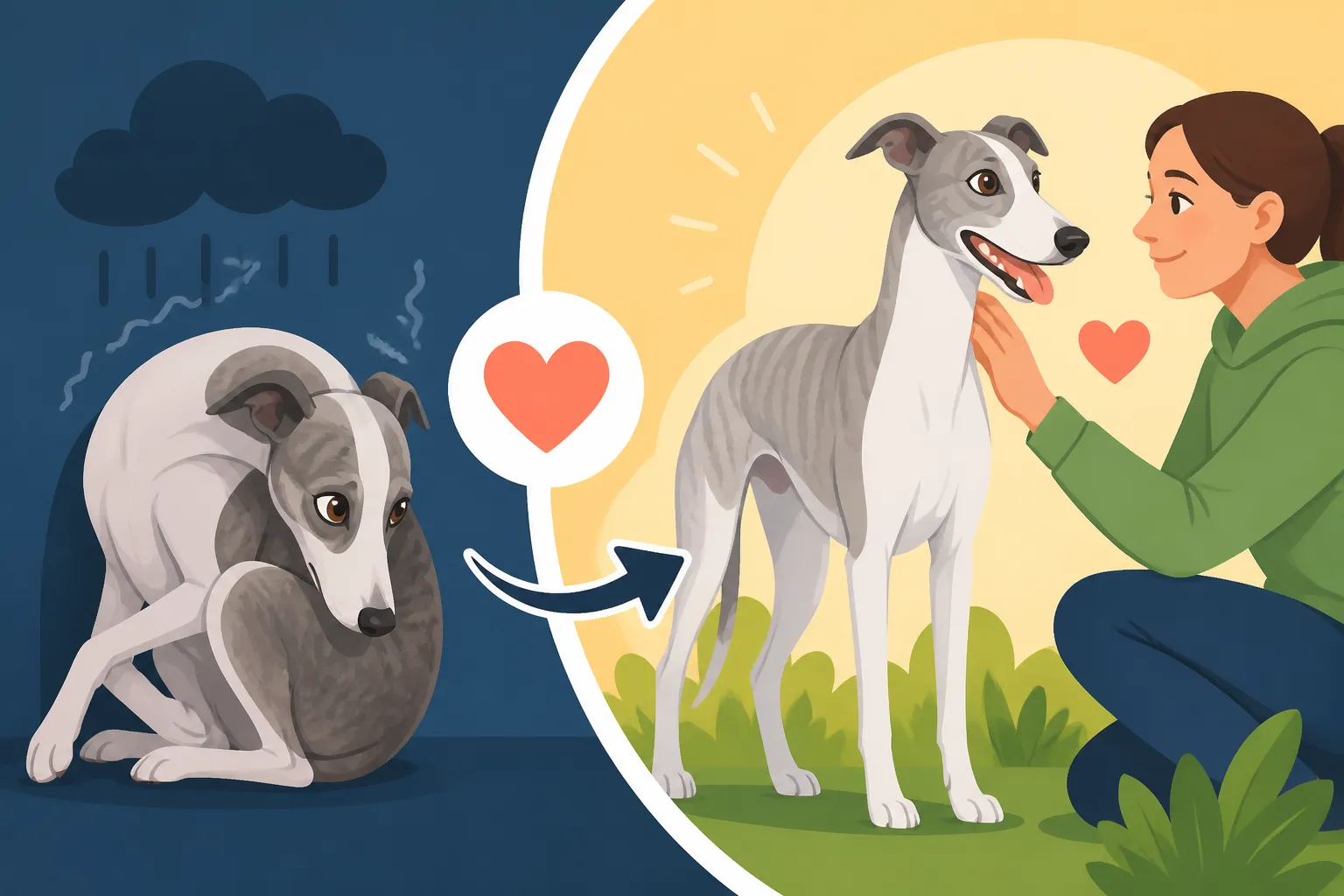
Whether a Shy Whippet Can Be Brought Round
It can be heartbreaking when you realize your beloved Whippet, a breed known for its gentle and affectionate nature, is genuinely shy or timid. This isn't just a fleeting moment of hesitation; it's a deep-seated apprehension that can make everyday situations, from meeting new people to experiencing novel environments, incredibly stressful for them and for you. This guide is dedicated to exploring the roots of shyness in Whippets and, more importantly, offering compassionate, realistic strategies to help your sensitive companion grow more confident and comfortable in their world.
Understanding Why Your Whippet Might Be Shy
Shyness in dogs, including our elegant Whippets, isn't usually a choice they make. It's often a complex interplay of factors, ranging from their genetic blueprint to the experiences (or lack thereof) they encountered during their formative months. Pinpointing the potential reasons can help you tailor your approach to supporting them.
Genetics and Early Experiences: The Building Blocks of Temperament
Just like people, dogs inherit predispositions to certain personality traits from their parents. If one or both of a Whippet puppy's parents were naturally timid, anxious, or particularly reserved, there's a higher chance their offspring might also lean towards shyness. Responsible breeders strive to select for stable temperaments, but even in the best lines, variations occur. It's a roll of the genetic dice to some extent.
Beyond genetics, those crucial first weeks and months of a puppy's life are absolutely foundational. A Whippet puppy needs a wealth of positive, varied experiences during its critical socialization period, typically from 3 to 16 weeks of age. This means exposure to different sights, sounds, textures, people (of all ages and appearances), and well-socialized dogs. If a puppy was raised in an isolated environment, lacked diverse exposure, or experienced negative interactions during this sensitive time, it can profoundly impact their confidence. For instance, a puppy raised in a quiet, rural home might find the hustle and bustle of a city overwhelming later in life, simply because they weren't gradually introduced to such stimuli.
The Impact of Past Trauma or Insufficient Socialization
Sometimes, shyness isn't inherent but acquired. A past traumatic event, even one that seems minor to us, can leave a lasting impression on a sensitive Whippet. Perhaps a loud noise startled them badly on a walk, or they had a frightening encounter with an off-leash dog, or even an unintentional harsh correction from a previous owner. These single events can create associations that lead to generalized fear or avoidance.
Beyond specific traumas, a lack of proper socialization is a huge contributor. If a Whippet wasn't adequately socialized as a puppy, or if their world became very small (for example, living with only one person and rarely leaving the house), they may grow up to be hesitant around anything unfamiliar. Imagine a Whippet that's only ever seen its immediate family and never encountered children, men with beards, or people wearing hats. When suddenly faced with these new stimuli, their natural reaction might be to retreat, hide, or even freeze. They simply haven't learned that the world is generally a safe and interesting place. This is especially important as we talk about Socializing a Whippet Puppy. It’s not just about meeting dogs, but experiencing the vastness of human interaction and environmental variety.
Distinguishing Shyness from Fear Aggression
It’s crucial to understand the difference between a truly shy Whippet and one exhibiting fear aggression. A shy Whippet will typically try to avoid a situation or person they're uncomfortable with. They might cower, hide behind your legs, turn their head away, lick their lips, yawn excessively, or try to escape. Their body language often screams, "Please leave me alone!"
Fear aggression, on the other hand, is a more serious issue where a dog, out of fear, believes its only option is to lash out. This can manifest as growling, snarling, snapping, or even biting. It's still rooted in fear, but the dog has moved from avoidance to active defense. If you suspect your Whippet is showing signs of fear aggression, it's absolutely vital to seek immediate professional help from a certified professional dog trainer or veterinary behaviorist. These situations are complex and require expert guidance to manage safely and effectively for both your dog and those around them. Understanding How a Whippet Reacts to a Raised Voice or other forms of pressure can help distinguish between true fear and a Whippet just being sensitive to correction.
Gentle Strategies for Helping a Shy Whippet Blossom
Bringing a shy Whippet around requires immense patience, consistency, and a deep understanding of positive reinforcement. It's a journey, not a sprint, and every small step forward is a victory worth celebrating.
Creating a Safe and Predictable Home Environment
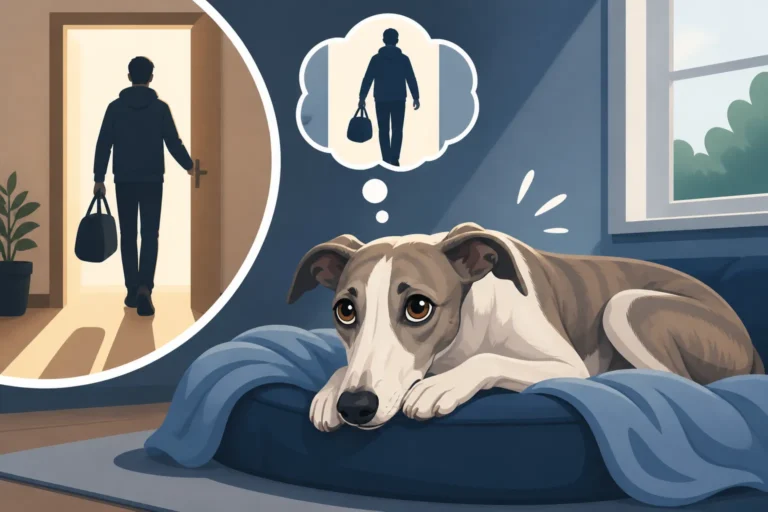
Your home should be your Whippet's sanctuary. For a shy dog, predictability and security are paramount. This means establishing a consistent routine for feeding, walks, and playtime. Dogs thrive on routine, and knowing what to expect can significantly reduce anxiety. Provide multiple safe spaces where your Whippet can retreat if they feel overwhelmed – a soft crate with a cozy blanket, a bed tucked away in a quiet corner, or even just under a table. Many Whippets love to burrow, so providing blankets on the sofa or in their bed, perhaps even a covered crate, can offer a sense of security.
When new people visit, give your Whippet the option to observe from a distance or retreat to their safe space. Never force interactions. Ask guests to ignore your dog initially, allowing the Whippet to approach on their own terms. If they choose to approach, a gentle, quiet interaction is best, perhaps offering a treat without making direct eye contact or sudden movements. It's about respecting their boundaries and letting them dictate the pace. Remember that Whether a Whippet Suits a Quiet Home often depends on their individual personality and past experiences.
The Art of Positive Reinforcement and Desensitization
Positive reinforcement is your most powerful tool. This means rewarding desired behaviors with high-value treats, praise, or gentle affection. For a shy Whippet, "desired behavior" might simply be looking at a new person without flinching, taking a step closer to something novel, or even just remaining calm in a slightly uncomfortable situation. You want them to associate these potentially scary things with good outcomes.
Desensitization involves gradually exposing your Whippet to the triggers of their shyness at such a low intensity that they don't react fearfully. For example, if your Whippet is shy around men, start by having a calm, quiet male friend sit far away, ignoring your dog. As your Whippet remains relaxed, the friend can gradually move closer, or perhaps offer a treat. This process is about changing your dog's emotional response from fear to neutrality or even positive anticipation.
Counter-conditioning often goes hand-in-hand with desensitization. This is where you change the dog's negative emotional association with a trigger into a positive one. For example, every time your Whippet sees a person they're unsure of (at a distance where they aren't scared), immediately give them a super-tasty treat. The person isn't doing anything, just existing. Over time, the Whippet starts to think, "Oh, person = delicious treat!" This can be incredibly effective. Consider using high-value treats that your Whippet absolutely adores – maybe some small pieces of cooked chicken or cheese. You can find many options for training treats on platforms like Amazon.
When doing this work, keep sessions short, positive, and always end on a good note. Never push your Whippet past their comfort level, as this can set back your progress. If they show signs of stress (lip licking, yawning, tail tucked, trying to move away), you've gone too far, too fast. Take a break and try again later at a lower intensity.
Slow and Steady Socialization Approaches
For a shy Whippet, socialization isn't about throwing them into a dog park. It's about carefully controlled, positive interactions. Focus on quality over quantity.
- One-on-One Playdates: Arrange playdates with one very calm, well-socialized dog that you know to be gentle and understanding. Choose a neutral territory initially, like a quiet park, or your securely fenced yard. Supervise closely and ensure the interactions remain positive.
- Structured Classes: Puppy or beginner obedience classes can be wonderful, if the instructor is experienced with shy dogs and the class environment is calm. A good instructor will help your Whippet feel safe and allow them to learn at their own pace, perhaps even providing a barrier for distance if needed. This also builds confidence in their ability to learn and respond to cues.
- Controlled Outings: Take your Whippet to quiet places where they can observe the world from a safe distance. A park bench far from the walking path, or a quiet pet-friendly café where you can sit outside. The goal is exposure without direct interaction or pressure. Reward them for remaining calm and observing.
- Building a Bond: Above all, strengthen your bond with your Whippet. Play games they enjoy, practice short training sessions that build confidence, and spend quiet cuddle time together. A strong, trusting relationship with you is the foundation for their courage in the wider world. Resources like BAXTER & Bella offer online training programs that can help guide you through positive reinforcement techniques and relationship building from the comfort of your home, which can be ideal for a shy Whippet. Remember, your Whippet likely bonds deeply with you, as discussed in How a Whippet Bonds to One Person, which can be leveraged to build their confidence.
Setting Realistic Expectations and Celebrating Small Victories
Helping a shy Whippet can be a long and sometimes frustrating process. It’s essential to manage your expectations and remember that every dog is an individual.
The Journey is Unique: Patience is Your Best Friend
Not every shy Whippet will become a social butterfly, and that's perfectly okay. Some may always prefer a quiet life with their trusted human companions over bustling social gatherings. The goal isn't to force them into a personality they're not, but to help them feel safe and comfortable enough to navigate the world without debilitating fear.
Focus on progress, not perfection. Did your Whippet make eye contact with a stranger today instead of hiding? Did they stay in the room when a new sound occurred? Did they approach a new person for a treat? These are monumental victories for a shy dog. Celebrate every tiny step forward. There might be setbacks, bad days where they seem to regress. Don't despair. Acknowledge it, re-evaluate your approach, and go back to basics if needed. Your unwavering patience and belief in them are the most powerful tools you possess. The journey to recovery for an undersocialized Whippet can be slow, but it is often deeply rewarding.
| Behavior Indicating Stress/Shyness | Behavior Indicating Comfort/Confidence |
|---|---|
| Lip licking, yawning (out of context) | Relaxed body posture, loose tail wag |
| Head turning away, avoiding eye contact | Initiates eye contact, soft gaze |
| Tail tucked low or between legs | Tail carried naturally or wagging |
| Crouching, cowering, trying to hide | Stands tall, explores environment |
| Freezing in place, refusing to move | Engages with surroundings, moves freely |
| Trembling, panting excessively | Calm breathing, relaxed facial expression |
| Hiding behind owner's legs | Approaches people or objects willingly |
| Barking/growling (fear-based) | Quiet observation, gentle sniffing |
| Shedding excessively, "whale eye" | Focused attention, seeking interaction |
When to Seek Professional Guidance
While many owners can make significant progress with a shy Whippet using positive, gentle methods, there are times when professional help is invaluable.
- Lack of Progress: If you feel stuck, or your Whippet isn't showing any improvement despite your consistent efforts, a professional can offer new strategies and insights.
- Escalating Fear: If your Whippet's shyness seems to be worsening, or if they are starting to show signs of fear aggression (even subtle ones like a growl when cornered), it's time to call in the experts.
- Safety Concerns: If your Whippet's shyness leads them to bolt from fear (which is a real concern with our speedy sighthounds, as discussed in The Whippet That Bolts Through an Open Door), making them a flight risk, professional intervention is crucial for their safety.
- Behavioral Specialists: A certified professional dog trainer (CPDT-KA) or a certified dog behavior consultant (CDBC) can assess your Whippet's specific situation, identify triggers, and develop a tailored behavior modification plan. For more complex cases, especially those involving anxiety or fear aggression, a veterinary behaviorist (DACVB) may be needed. These specialists are veterinarians who have gone on to complete advanced training in animal behavior and can prescribe medication if necessary to help manage severe anxiety while behavior modification is underway. Don't view seeking professional help as a failure; it's a responsible and loving step toward giving your Whippet the best possible quality of life.
Bringing a shy Whippet around is one of the most rewarding experiences you can have as an owner. It demands dedication, understanding, and an abundance of love, but watching your timid companion gradually unfurl and discover their confidence is truly a beautiful thing.
Disclaimer
This article is for general informational purposes only and does not constitute professional advice. Laws, prices and regulations vary by location and change over time. Consult a qualified professional for guidance on your specific situation.