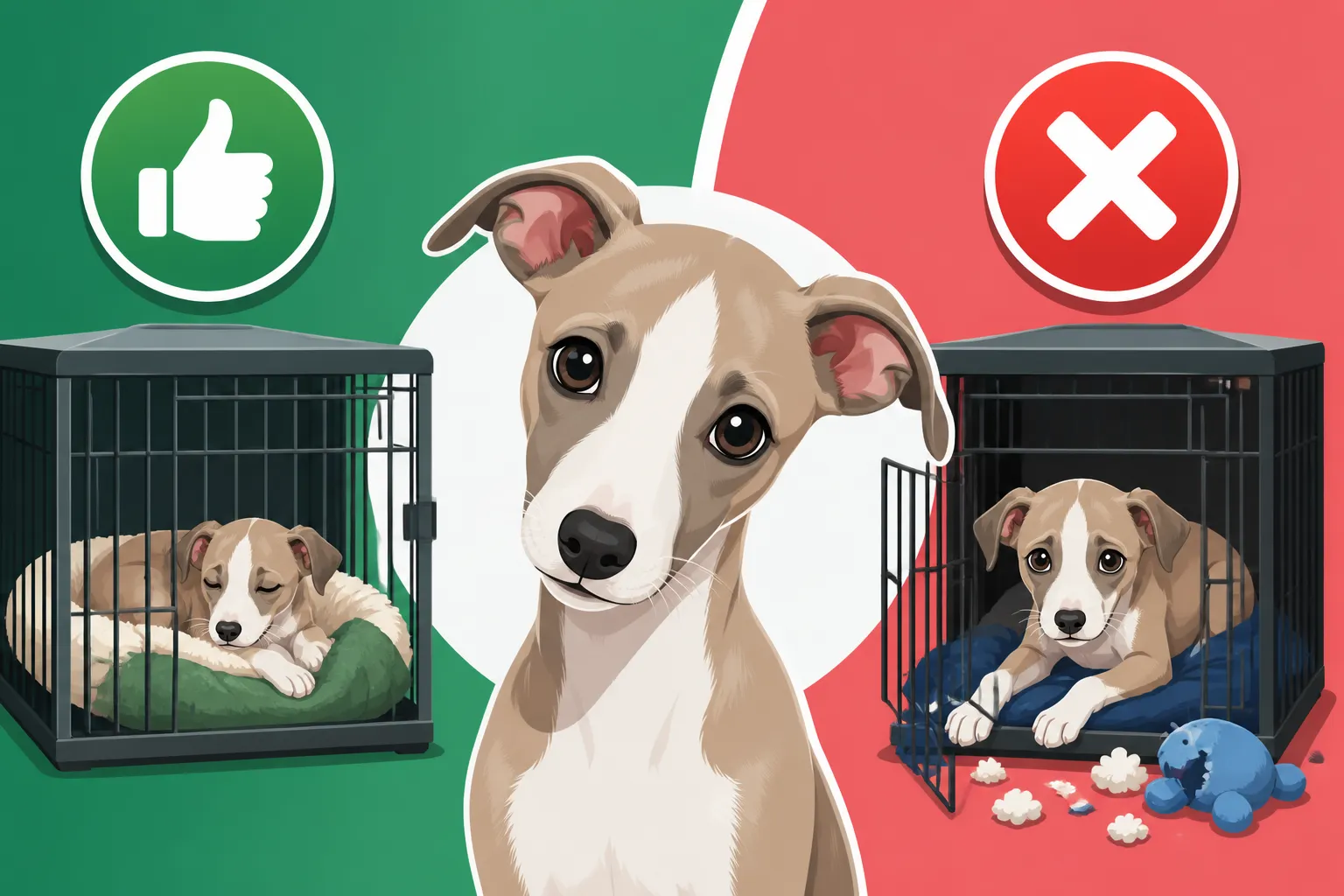
Whether a Whippet Puppy Should Be Crated
The thought of bringing a tiny Whippet puppy home fills you with so much joy and anticipation, but also a healthy dose of anxiety. One of the big questions new owners grapple with is whether to crate train their delicate, sensitive new family member. Many worry that a crate might feel like a cruel cage to such a gentle soul, creating more stress than security. This guide will walk you through why crate training can actually be a wonderful tool for a Whippet puppy, how to do it right, and what to expect along the way, turning that potential source of worry into a comfort zone for both of you.
Understanding the Whippet's Temperament and Crate Training
Whippets are unique dogs, a beautiful blend of lightning speed and profound sensitivity. They are sighthounds, bred for chasing, but equally famous for their "40 mph couch potato" status indoors. This combination often makes people wonder if traditional training methods, like crating, are suitable. The truth is, a properly introduced crate can be a huge asset, aligning surprisingly well with their natural instincts and needs. Their clean habits, desire for comfort, and inherent sensitivity mean that while they thrive on positive reinforcement, they also genuinely appreciate having a secure, personal space.
The Den Instinct in Sighthounds
Despite their sleek, athletic build, Whippets are essentially den animals at heart. Think about it: a wild dog would seek out a small, protected space to feel safe from predators, to sleep soundly, or to raise young. This inherent desire for a cozy, enclosed space is very much alive in our modern Whippets. When you provide a crate that is warm, comfortable, and inviting, it taps into this primal instinct. It becomes their personal sanctuary, a place where they can retreat from the hustle and bustle of a busy household, much like you might enjoy a quiet bedroom after a long day. This isn't about confinement; it's about providing a haven.
For a Whippet, who might be easily startled by loud noises or sudden movements, a den offers predictability and control. They learn that this space is theirs, a place where they won't be bothered. This sense of security is incredibly valuable for a breed known for its sensitive disposition. It’s where they can truly relax and recharge, knowing they are protected.
Whippet Sensitivity and Training Methods
Whippets are not a breed that responds well to harsh corrections or loud voices. Their delicate nature means that they can shut down, become fearful, or develop anxiety if training is approached with anything other than gentle, positive methods. This is crucial to remember when considering crate training. Forcing a Whippet into a crate, or using it as punishment, will completely backfire. Instead of seeing it as a safe space, they will associate it with fear and negativity, leading to resistance and potentially lasting aversion. It's important to understand How a Whippet Learns When It Bruises From Pressure, and that means leaning heavily on rewards, praise, and patience.
Successful crate training with a Whippet relies entirely on positive association. Every interaction with the crate should be a pleasant one. High-value treats, favorite toys, and calm, reassuring words are your best friends. You want your puppy to choose to go into the crate, to see it as a place where good things happen and where they feel utterly secure. This sensitive approach not only makes crate training effective but also strengthens the bond of trust between you and your Whippet, which is truly invaluable.
Setting Up the Perfect Whippet Crate Environment
The difference between a crate being a comfortable den and a terrifying cage often comes down to the environment you create within and around it. For a Whippet, comfort isn't just a luxury; it's a necessity due to their lean build and thin skin. They don't have layers of fat or thick fur to pad their bones, so every aspect of their crate setup needs to be carefully considered to ensure it's a truly appealing sanctuary.
Choosing the Right Crate Size and Type
Selecting the correct crate size is paramount. A crate should be large enough for your Whippet puppy to stand up, turn around, and lie down comfortably, but not so large that they can designate a "potty area" in one corner. For a puppy, this means you might start with a smaller section of a larger crate using a divider panel, adjusting it as they grow. This ensures they have just enough space to be cozy without having room for accidents. Wire crates are popular for their ventilation and visibility, but plastic airline-style crates can offer a more "den-like" feel, which many Whippets appreciate. Some even find soft-sided fabric crates appealing for their portability and snugness, though these might not stand up to determined chewers.
Consider how quickly your Whippet puppy will grow. While they might seem small initially, Whippets mature fairly quickly. An adjustable wire crate might be the most economical choice, allowing you to expand the space as your puppy grows into its adult size. Always make sure there are no sharp edges or pinch points that could injure your delicate Whippet.
Making the Crate a Cozy Retreat
This is where you can truly make the crate irresistible for your Whippet. Because they lack body fat and have thin skin, they are prone to pressure sores if forced to lie on hard surfaces for extended periods. Therefore, plush, comfortable bedding is non-negotiable. Think memory foam mats, thick fleece blankets, or even an old duvet folded up. Many Whippet owners find that their dogs absolutely adore burrowing, so providing extra blankets for them to tunnel under will make the crate even more inviting. Searching on Amazon for "orthopedic dog bed" or "plush crate mat" will yield excellent results for the kind of comfort your Whippet needs. You might also consider whether your Whippet needs a heated bed in winter, especially if your home gets chilly or if they are particularly prone to feeling the cold. This adds another layer of irresistible comfort.
Beyond bedding, make sure there are a few safe, favorite toys inside. Chew toys can help with puppy teething and boredom, while a comfort item like a small blanket that smells like you can provide reassurance. The goal is to make the crate the most comfortable, desirable spot in the house.
Location, Location, Location
Where you place the crate matters significantly for a Whippet puppy. They are social creatures who thrive on companionship and can develop separation anxiety if left feeling isolated. The crate should be in a central area of your home where the family spends a lot of time – think the living room, family room, or even your bedroom at night. This allows your puppy to feel like part of the family, even when they are resting in their crate. Being able to see and hear you helps to build positive associations with the crate and reduces feelings of loneliness.
Avoid placing the crate in a cold, drafty, or high-traffic area. A quiet corner of a busy room is often ideal, offering both inclusion and a sense of calm. As your puppy grows and becomes more secure, you might find they seek out their crate for naps even when you're home, demonstrating that it has truly become their personal, safe space.
The Crate Training Process for a Whippet Puppy
Crate training a Whippet puppy is less about forcing them into a box and more about gently guiding them to love their personal den. It’s a process that requires patience, consistency, and a deep understanding of their sensitive nature. Remember, the goal is to create a positive, lifelong association with their crate, making it a place they willingly go for comfort and security.
Gradual Introduction and Positive Association
The key to successful crate training with a Whippet is to never rush it. Start by simply leaving the crate door open and letting your puppy explore it at their own pace. Toss some high-value treats or a favorite toy inside, encouraging them to enter voluntarily. Don't close the door initially; let them go in and out as they please. When they do enter, offer quiet praise and another treat. You're building a mental link: "Crate equals good things!"
Once they are comfortable going in and out, you can start closing the door for very short periods while you're still in the room. This might be just a few seconds at first, gradually increasing the time. Always open the door before they start to whine or scratch, if possible, so they don't associate those behaviors with getting out. If they do whine, wait for a brief moment of silence before opening the door, so they don't learn that crying is the key to freedom. This step-by-step approach ensures they feel secure, not trapped. Consistency is vital here; everyone in the household needs to be on the same page.
Managing Potty Breaks and Overnight Crating
Crate training is an incredibly effective tool for house training, as dogs are naturally clean creatures and are reluctant to soil their sleeping area. For a Whippet puppy, this means they will try their best to hold it in the crate. However, their bladders are small, and they physically can't hold it for long. During the day, a general rule of thumb is that a puppy can hold it for roughly one hour per month of age. So, a three-month-old puppy might only manage three hours. Stick to a strict potty schedule, taking them out immediately after waking from a nap, after eating, and before bedtime.
For overnight crating, your Whippet puppy will likely need at least one, if not two, middle-of-the-night potty breaks initially. Place the crate close to your bed so you can hear them if they stir. When they wake and you take them out, keep interactions calm and business-like. No play, no extended cuddles – just out, potty, and back into the crate. As they get older, they'll gradually be able to hold it for longer stretches. For more detailed information, consider reading How Long a Whippet Puppy Holds It Overnight.
When the Crate Isn't Working
Sometimes, despite your best efforts, a Whippet puppy might struggle with crate training. This isn't a failure on your part or theirs, but rather a sign that you might need to adjust your approach. Common issues include excessive barking, whining, destructive behavior in the crate, or extreme anxiety. First, revisit the "positive association" steps. Are you making the crate enticing enough? Are you leaving them for too long too soon? Are they getting enough exercise before crating?
If anxiety is a significant factor, consider consulting with a professional dog trainer or behaviorist. Resources like BAXTER & Bella offer online puppy training programs and support that can be invaluable for navigating sensitive breeds and complex behavioral challenges. They can help identify underlying issues and provide tailored strategies. Never use the crate as a solution for separation anxiety without addressing the root cause; for tips on managing this, you might find Separation Anxiety in a Whippet helpful. Remember, a crate should reduce anxiety, not amplify it.
Benefits and Potential Pitfalls of Crate Training a Whippet
Crate training, when done correctly, offers numerous advantages for both you and your Whippet. However, it's not a one-size-fits-all solution, and there are definite pitfalls to avoid, especially with a breed as unique as the Whippet. Understanding these aspects will help you make the most informed decision for your puppy's well-being.
Why Crate Training Can Be a Lifesaver
For Whippet owners, a well-established crate can be a true lifesaver in several key areas. Firstly, it's an unparalleled tool for house training. Their natural desire not to soil their sleeping area means they will learn quickly to hold their bladder until they are let out. This significantly reduces accidents in the house and accelerates the house-training process, which is especially beneficial for a breed that might be a bit particular about going out in inclement weather, as discussed in The Whippet That Will Not Toilet in the Rain.
Secondly, a crate provides a safe space when you can't actively supervise your puppy. Whippet puppies are curious and can get into mischief quickly, potentially chewing on dangerous items or getting hurt in ways their delicate frames aren't built for. The crate keeps them out of harm's way, preventing destructive chewing of furniture or electrical cords. It’s also invaluable for travel, vet visits, or during house guests, providing a familiar, secure spot that reduces stress in new environments. Finally, it teaches independence. While Whippets are cuddly and devoted, they also benefit from learning to be comfortable and calm when left alone for short periods, helping to prevent the development of severe separation anxiety.
Avoiding Common Mistakes
The biggest mistake you can make with a Whippet and crate training is using the crate as a punishment. If your puppy associates the crate with negative experiences, they will quickly come to fear and resent it. This will undermine all your efforts to make it a safe haven and can create lasting behavioral problems. Another common pitfall is leaving your Whippet in the crate for too long. Whippets are social dogs, and while they enjoy their quiet time, excessive confinement can lead to boredom, frustration, and anxiety, negating the benefits of crate training. Remember that a Whippet puppy, much like a human toddler, needs frequent breaks, mental stimulation, and social interaction.
Consider their physical comfort, too. A hard floor in a crate can be very uncomfortable for a lean Whippet. Always ensure there's ample, soft bedding. If you're concerned about them feeling trapped, you can explore whether a Whippet feels trapped in a crate by observing their behavior and making adjustments, such as using a crate cover to create a more secure, den-like atmosphere.
The Long-Term Crate: When Does It End?
Many owners wonder if crate training is a temporary phase or a lifelong commitment. For many Whippets, the crate remains a beloved space even into adulthood. As they mature, the crate often transforms from a house-training tool into their preferred spot for napping, especially since Why a Whippet Sleeps More Than Most Breeds means they spend a good portion of their day snoozing. You might find your adult Whippet willingly retreats to their crate for a quiet afternoon snooze, or when they want to escape the chaos of a busy household.
However, once your Whippet is reliably house-trained and past the destructive chewing phase, you might choose to transition them to having free roam of a safe, puppy-proofed area of the house when you're away. Some Whippets prefer this, while others will continue to choose their crate. The beauty of proper crate training is that it gives your dog the option of a safe den, whether they use it for every alone moment or just for a quick escape. It's about empowering them with a secure space, not enforcing perpetual confinement.
Here's a quick overview of the key considerations for crating your Whippet puppy:
| Aspect | Recommendation for Whippet Puppy Crate Training | Why it Matters for Whippets |
|---|---|---|
| Crate Type | Wire with divider, plastic airline, or soft-sided (if not a chewer). | Provides den-like security; good ventilation. |
| Crate Size | Just enough room to stand, turn, lie down; use divider for puppies. | Prevents accidents; ensures snug, safe feeling. |
| Bedding | Thick, plush, orthopedic mat, multiple soft blankets for burrowing. | Essential for comfort due to thin skin and lack of body fat; prevents pressure sores. |
| Location | Central area of the home (living room, bedroom) where family spends time. | Social breed needs to feel included; reduces isolation anxiety. |
| Training Method | Positive reinforcement only: treats, praise, toys. Never punishment. | Highly sensitive breed will shut down with harsh methods. |
| Duration | Short periods initially, gradually increasing; follow age guidelines for potty breaks. | Prevents frustration, accidents, and anxiety; respects small bladder capacity. |
| Purpose | House training, safe space, independence, preventing destructive chewing. | Leverages natural cleanliness; keeps delicate puppy safe from hazards. |
| Troubleshooting | Re-evaluate comfort, duration, positive associations; consider professional help (e.g., BAXTER & Bella support). | Addresses root cause of resistance; sensitive dogs need tailored solutions. |
Disclaimer
This article is for general informational purposes only and does not constitute professional advice. Laws, prices and regulations vary by location and change over time. Consult a qualified professional for guidance on your specific situation.