Whether a Covered Potty Area Helps a Whippet
Anyone who lives with a Whippet knows the struggle: you're ready for their potty break, they're doing the "potty dance," but the moment they feel a drop of rain or a whisper of cold wind, they freeze. It's frustrating when house-training goes out the window with bad weather! This guide dives into how a covered potty area can be a game-changer for your sensitive sighthound, ensuring consistent potty habits no matter what the forecast brings.
The Whippet's Unique Aversion to Inclement Weather
It’s not just stubbornness when your Whippet refuses to step paw outside in a drizzle or shivers dramatically at the first hint of frost. Their physical build and inherent sensitivity make them genuinely uncomfortable in anything less than perfect weather. We often joke about their "dainty" nature, but there's a real biological reason behind it.
Why Wet Paws and Cold Bodies Are a Big No-No
Imagine stepping out into a cold, wet morning with no coat, thin skin, and minimal body fat. That's essentially what your Whippet experiences. Unlike breeds with thick double coats or more substantial padding, Whippets have very little natural insulation. Their short, fine coats offer scant protection against the elements, and their lean frames mean there's hardly any fat to keep them warm. This makes them incredibly susceptible to cold and damp conditions. A chilly breeze can cut right through them, and wet paws on cold ground are intensely uncomfortable. It's why you often see them bundled up in sweaters and coats even indoors, let alone outside. For more on this, consider A Whippet Has No Insulation and No Padding.
A wet coat, even from light rain, can rapidly lower their body temperature, especially if they're standing still trying to decide where to go. Their skin is also quite thin and delicate, making them feel the cold and wet more acutely than a robust, thick-skinned breed. This isn't just a minor annoyance for them; it can be genuinely unpleasant and even cause them to shiver uncontrollably. This physical discomfort translates directly into a strong reluctance to perform their bodily functions where they feel vulnerable to the elements.
The Psychological Impact of Rain and Snow
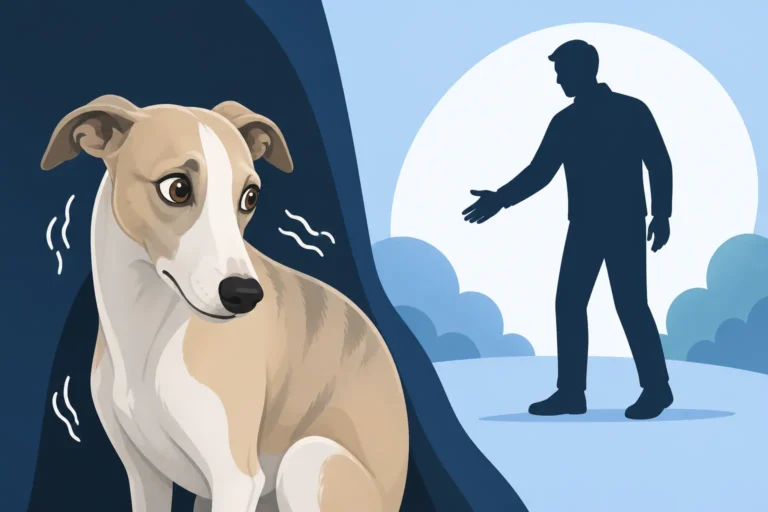
Beyond the physical discomfort, there's a significant psychological component to a Whippet's weather aversion. These are often sensitive, intelligent dogs who prefer routine and comfort. A sudden gust of wind, the feel of sleet hitting their bare skin, or the unusual sensation of snow underfoot can be startling or simply off-putting. They learn quickly to associate unpleasant sensations with the act of going outside to potty. This can lead to a vicious cycle where they hold it in, only to have an accident indoors, further confusing the house-training process.
For many Whippets, the world outside in bad weather is just too much. They might become hesitant, anxious, or simply shut down, refusing to move beyond the porch. This can be especially true if they're already a bit shy or prone to being easily spooked. The expectation to perform a private act in an uncomfortable, potentially startling environment can create an unnecessary layer of stress. This is exactly why a covered area can offer a psychological safe haven, allowing them to relax and do their business without feeling exposed or uncomfortable. The article Whether a Whippet Refuses to Toilet in the Cold delves deeper into their cold weather habits.
What Exactly Is a Covered Potty Area?
When we talk about a "covered potty area" for your Whippet, we're not necessarily talking about building a new wing on your house. It simply means creating a designated outdoor space where your dog can relieve themselves while being shielded from rain, snow, and harsh winds. The complexity and cost can vary wildly depending on your budget, DIY skills, and the space you have available. The key is providing overhead shelter and, ideally, some protection from sideways precipitation or strong gusts.
Simple Solutions: Overhangs, Awnings, and Tarps
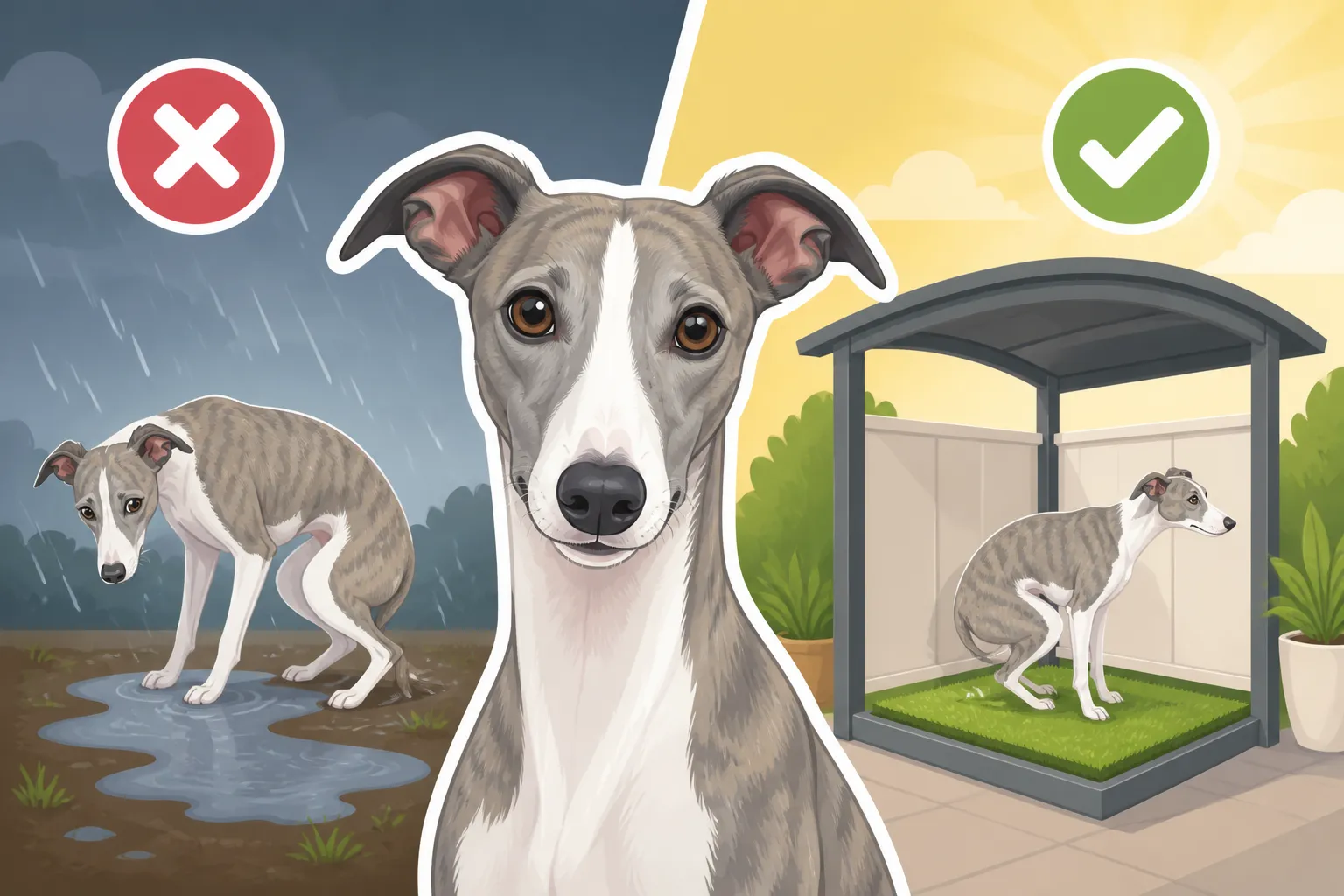
The beauty of a simple covered potty area is that it doesn't have to be expensive or permanent. Many homeowners already have suitable structures they can adapt. A common choice is utilizing an existing porch or patio with an overhang. If your porch is deep enough, this might be all you need. The important thing is that the area stays relatively dry during rain and offers some windbreak.
For those without an adequate existing structure, a temporary awning or a strategically placed tarp can do wonders. You can find relatively inexpensive outdoor awnings online through retailers like Amazon that attach to the side of your house, extending out to create a dry zone. Alternatively, a heavy-duty tarp strung between posts or attached to a fence can create a makeshift shelter. The goal is to create a small, dry "room" where your Whippet can squat without getting drenched. You'll want to ensure good drainage underneath, perhaps adding a layer of pea gravel or artificial turf that can be easily cleaned. Think about a space just big enough for your Whippet to comfortably turn around and squat.
| Type of Covered Potty Area | Pros | Cons | Ideal For |
|---|---|---|---|
| Existing Porch/Overhang | Low cost (if already present), blends with home, immediate solution | May not offer side protection, limited size, depends on house orientation | Owners with deep, sheltered porches/patios |
| Temporary Awning/Tarp | Very affordable, DIY-friendly, can be removed, good for renters | Less sturdy in strong winds, may look less aesthetic, requires setup | Budget-conscious owners, temporary needs, smaller spaces |
| Modular Carport/Gazebo | More robust, better weather protection, larger area | Higher cost, takes up more space, assembly required, may need permits | Dedicated spaces, multiple dogs, long-term solution |
| Custom Built Structure | Tailored to needs, aesthetic appeal, maximum protection | Highest cost, requires professional installation or advanced DIY skills | Permanent solutions, specific design requirements, larger budgets |
Dedicated Structures: Carports, Gazebos, and Custom Builds
If you're looking for a more permanent or comprehensive solution, or if you have a larger yard and budget, dedicated structures can be an excellent investment. A small, open-sided carport can serve as an ideal covered potty area. These are often designed to be relatively easy to assemble and provide robust overhead protection. They typically offer more square footage than a simple awning, which can be beneficial if you have multiple Whippets or want to combine the potty area with a general outdoor lounging spot for your dogs.
Similarly, a sturdy gazebo with a solid roof can also work. While gazebos are often designed for human use, a smaller, simpler model can be perfectly repurposed. The open sides allow for good air circulation while the roof keeps the elements out. For the ultimate solution, some owners opt for custom-built structures. This could be anything from a simple shed-like enclosure with an open side to a more elaborate, aesthetically pleasing dog run with a solid roof. With a custom build, you can ensure the size, materials, and drainage are perfectly suited to your Whippet's needs and your property's layout. Regardless of the structure, consider the flooring: pea gravel, sand, or even dog-specific artificial turf can make cleanup easier and be more comfortable for your Whippet's delicate paws than hard concrete.
The Benefits of a Covered Potty Area for Your Whippet
The primary goal of a covered potty area is to make life easier and more comfortable for your Whippet, and by extension, for you! The benefits extend far beyond simply avoiding wet paws, impacting consistency, comfort, and even your peace of mind.
Encouraging Consistent Potty Habits
One of the biggest struggles with house-training a Whippet, especially in regions with unpredictable weather, is consistency. Just when you think they've got it figured out, a week of rain or snow hits, and suddenly, accidents are happening indoors again. A covered potty area removes weather as an excuse. When your Whippet knows there's a dry, sheltered spot they can always use, they're much more likely to stick to their house-training routine. This predictability is key for any dog, but especially for sensitive breeds who thrive on routine. You won't be battling their reluctance to go outside when it's cold, which means fewer accidents on your rugs.
This consistency also reinforces positive associations with outdoor potty breaks. Instead of associating going outside with discomfort or unpleasant sensations, they'll learn that their designated spot is always a safe, dry haven. This can significantly speed up the house-training process and reduce setbacks. For a deeper dive into house-training, check out How Long a Whippet Puppy Takes to House Train. It also means less stress for you, the owner, as you won't have to cajole, encourage, or even carry your reluctant Whippet into the rain multiple times a day.
Keeping Your Whippet Comfortable and Dry
This is perhaps the most obvious benefit, but it's critically important for a breed like the Whippet. Their lack of body fat and thin skin means they get cold and wet very quickly. A covered area protects them from rain, snow, and even harsh winds, keeping their delicate coats dry and their bodies warmer. This isn't just about comfort; it's about health. Prolonged exposure to cold and wet can make any dog miserable, but for a Whippet, it can lead to shivering, chattering teeth, and a generally uncomfortable experience.
By providing a dry spot, you eliminate the need for them to stand in puddles or cold snow, which can be especially jarring for their sensitive paws. It also means you might not have to immediately towel them off or even struggle to get a coat on them for a quick trip outside. While a good coat is essential for extended walks in bad weather, a covered potty area for quick relief can save you a lot of hassle. This also directly ties into their general well-being and happiness. A comfortable dog is a happy dog, and a happy dog is more likely to be a well-behaved dog. The Wardrobe a Whippet Needs Because It Has No Body Fat explains why these considerations are so important.
Making Your Life Easier, Too
Let's be honest, a covered potty area isn't just for your Whippet's benefit; it's a huge convenience for you as well! Think about those middle-of-the-night potty breaks, or when you're rushing out the door for work. Not having to put on your own rain gear, grab an umbrella, and then persuade your Whippet to face the elements makes a world of difference. You can simply open the door, and they can go about their business in comfort.
Furthermore, a dry dog means less mess indoors. No more muddy paw prints tracked across your clean floors after a rainy potty break. No more damp dog smell clinging to your furniture. While a good mat at the door is always a smart idea, a covered area dramatically reduces the amount of moisture and dirt your Whippet brings inside. This saves you time on cleaning and contributes to a more pleasant living environment for everyone. It's a small investment that pays off daily, especially if you live in an area with frequent bad weather.
Setting Up and Training for Your Covered Potty Area
Now that you're convinced a covered potty area can be a lifesaver, let's talk about the practicalities of setting one up and getting your Whippet to use it consistently. It's not always as simple as building it and expecting them to automatically understand; a little thoughtful planning and training go a long way.
Choosing the Right Location and Materials
The first step is selecting the best spot. Ideally, you want an area that's easily accessible from your house, visible, and away from high-traffic zones in your yard. Proximity to a door is key for quick access, especially for puppies or older Whippets who can't hold it long. Consider the prevailing wind direction and sun exposure. You want protection from rain and wind, but also enough airflow so the area doesn't become stagnant or overly humid.
For materials, think about both the covering and the ground surface. For the covering, anything from a durable tarp (many options can be found on Amazon) to a more permanent corrugated plastic or metal roof will work. Ensure it's securely fastened to withstand wind. For the ground surface, avoid concrete if possible, as it can be hard on their joints and not absorbent. Pea gravel or fine crushed granite are excellent choices as they drain well, are easy to scoop, and are relatively comfortable for paws. Artificial grass specifically designed for pets is another popular option, offering a softer feel and easy cleaning, though it can be a higher initial investment. Make sure there's a slight slope for drainage so water doesn't pool.
Introducing Your Whippet to the New Spot
Once your covered area is ready, it's time to introduce your Whippet. The key here is positive reinforcement and making it a pleasant experience. On your dog's regular potty schedule, take them directly to the new covered area. Keep them on a leash initially to guide them. Don't pressure them; simply let them explore the space.
When they do finally relieve themselves in the designated spot, celebrate! Use enthusiastic praise, happy tones, and offer a high-value treat immediately. Make it clear that this is the best spot in the world for potty breaks. Repeat this process every time they need to go out. Over time, they will associate the covered area with positive outcomes. If you're struggling with getting them to understand, don't be afraid to go back to basics, treating it like you would house-training a puppy. Programs like BAXTER & Bella can offer structured guidance on positive reinforcement training methods that are highly effective for sensitive dogs like Whippets. Remember that Whippets are intelligent but also very sensitive, so harsh corrections should be avoided at all costs. For more on positive training, see Whether Positive Training Alone Works on a Whippet.
Addressing Potential Drawbacks and Maintenance
While a covered potty area offers many advantages, there are a few considerations to keep in mind. First, regular cleaning is paramount. Because the area is covered, rain won't naturally wash away urine, so you'll need to hose it down frequently (daily is ideal) and ensure good drainage to prevent odors and bacterial buildup. If using gravel, periodic refreshing or deep cleaning might be necessary. Artificial turf will need specific cleaning solutions to manage odors.
Another potential drawback is that some Whippets might initially be hesitant about the new structure, especially if it's enclosed or creates unfamiliar sounds in the wind. Introduce them slowly, perhaps leaving the "door" open or a side exposed at first, and always keep initial visits short and positive. If your Whippet is particularly anxious, you might need extra patience. Finally, while it protects from rain and snow, a covered area may not offer complete protection from extreme cold or heat. In severe winter weather, your Whippet might still need a coat even for quick trips outside, as discussed in Whether a Whippet Needs a Coat to Go Outside. In summer, ensure the area has good ventilation to prevent overheating. It's about providing comfort, not necessarily turning the outdoor into an indoor extension.
Disclaimer
This article is for general informational purposes only and does not constitute professional advice. Laws, prices and regulations vary by location and change over time. Consult a qualified professional for guidance on your specific situation.