Where the Whippet Ranks for Obedience Intelligence
It's a common story: you bring home your beautiful Whippet, full of dreams of a perfectly obedient companion, only to find them staring blankly when you ask for a "sit" or completely deaf to your frantic calls when a squirrel crosses their path. Many new Whippet owners quickly become frustrated, wondering if their elegant, speedy friend missed the memo on "dog training" altogether. They might even start to question their Whippet's intelligence when compared to the eager-to-please breeds that seem to dominate every obedience class. This guide aims to shed light on why Whippets often get an unfair rap in traditional obedience rankings and how to truly understand their unique and often misunderstood intelligence.
Understanding the Whippet Mind: Beyond Traditional Obedience Metrics
When people talk about "dog intelligence," they often default to the breeds that excel in competitive obedience or working roles, like Border Collies, Poodles, or German Shepherds. These dogs are celebrated for their biddability, their intense focus on their handler, and their desire to perform tasks. However, applying these same metrics to a sighthound like a Whippet is like judging a fish on its ability to climb a tree – it completely misses their inherent strengths and drives. Whippets are intelligent, but their intelligence is wired differently, optimized for quick decision-making, independent hunting, and efficient energy conservation, not necessarily for heel-sit-stay on command in a busy park.
Why "Intelligence Rankings" Often Misrepresent Sighthounds
Most popular dog intelligence rankings, like those popularized by Stanley Coren, largely measure a dog's "working and obedience intelligence." This category evaluates how quickly a dog learns new commands and how reliably it performs them. Breeds that respond well to repetition, possess a strong desire to please, and can ignore environmental distractions tend to score highest.
The problem for Whippets, and sighthounds in general, is that they weren't bred for these traits. Their historical role was to independently spot, chase, and capture prey, often far from their handler, relying on their keen eyesight and incredible speed. This meant thinking for themselves, making split-second decisions based on visual cues, and prioritizing the chase above all else. A Whippet's ancestors were not expected to return immediately from a hunt just because their owner called. In fact, that would have been counterproductive to their job. This independent nature, often perceived as stubbornness or a lack of intelligence, is actually a hallmark of their functional brilliance. They hear you, they understand you, but if there's a compelling reason not to comply (like a rabbit darting across the field), their hardwired instincts kick in, overriding any learned command. This isn't a flaw in their intelligence; it's a difference in their priority system.
The Whippet's Unique Learning Style and Motivations
Whippets are incredibly sensitive creatures, both physically and emotionally. Traditional, harsh training methods involving physical corrections or loud, stern voices can be incredibly detrimental to a Whippet. They don't respond to pressure well; in fact, they tend to shut down or become anxious, making training even harder. How a Whippet Learns When It Bruises From Pressure explores this physical sensitivity in depth, but their emotional sensitivity is just as important. They remember negative experiences keenly, and a harsh correction can damage their trust and willingness to engage.
Instead, Whippets thrive on positive reinforcement, patience, and making training a game. They are intelligent enough to understand patterns and associate actions with rewards, but the reward needs to be genuinely motivating for them. What makes a Whippet's ears perk up? Often, it's high-value food, a favorite squeaky toy, or the opportunity for a quick, exciting chase game. They learn quickly if you can tap into their natural desires and make the "right" choice the most rewarding one. Short, fun training sessions work best, as they can get bored with repetitive drills. Think of it less as rote memorization and more like teaching a clever, independent child to cooperate – you need to make it worth their while and keep it engaging. They are problem solvers when it suits them, and they can certainly figure out how to get to that forgotten snack on the counter or manipulate you into giving them more blanket time. This takes a different kind of intelligence, one that is highly adaptable and self-serving in the best possible way.
Common Training Challenges and Whippet-Friendly Solutions
Because Whippets are so different from typical "obedience stars," their training presents unique challenges. What works for a Labrador might completely backfire with a Whippet. It's not about them being less intelligent; it's about understanding their specific needs and instincts. Once you adjust your expectations and methods, you'll find that training a Whippet can be incredibly rewarding, albeit sometimes a bit of a dance.
The Myth of the "Dumb" or "Stubborn" Whippet
This is perhaps the biggest misconception. Owners often label their Whippets as "dumb" or "stubborn" when, in reality, they are simply being Whippets. Their independence is not defiance, but an innate trait. Their selective hearing when a squirrel is present isn't because they don't know "come," but because Why a Whippet's Chase Instinct Overrides Its Recall. It's a primal drive, hundreds of years in the making, and expecting it to vanish with a few treats is unrealistic.
Consider their infamous aversion to rain. The Whippet That Will Not Toilet in the Rain is a real phenomenon, not a sign of low intelligence, but a strong preference for comfort and a distinct dislike of cold, wet conditions due to their thin skin and lack of body fat. They are smart enough to know what they don't like and will actively seek to avoid it!
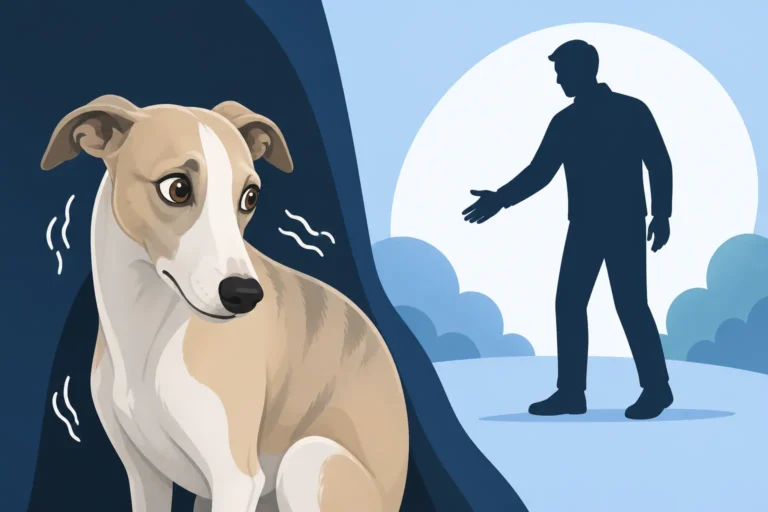
Whippets are also highly sensitive to corrections. If you try to force them into a command with physical manipulation or a harsh tone, they are far more likely to Why a Whippet Shuts Down When Corrected than to learn the behavior. This shutdown can be mistaken for a lack of understanding, but it's actually an emotional response to perceived threat or discomfort. They might hold a grudge or become wary, making future training even more difficult. Their intelligence allows them to quickly discern safe versus unsafe interactions, and they will adapt their behavior to protect themselves, even if that means appearing uncooperative.
Building a Stronger Bond Through Positive Reinforcement
The key to unlocking a Whippet's potential in obedience isn't about breaking their spirit or forcing compliance, but about building a strong, trusting relationship through consistent, positive reinforcement. This means making every interaction a positive one, especially during training.
Here's how to make it work:
- High-Value Rewards: Forget dry kibble. Whippets often need something truly enticing. Think tiny pieces of cooked chicken, cheese, or specialized training treats. Experiment to see What a Whippet Will Work For.
- Short, Engaging Sessions: Whippets have short attention spans for repetitive tasks. Keep training sessions brief (5-10 minutes), fun, and varied. End on a high note to keep them eager for the next session. This respects their natural inclination for short bursts of effort followed by rest. Whether Short Sessions Suit a Whippet is a resounding yes for Whippets.
- Proofing and Generalization: Don't expect a command learned in your quiet living room to instantly work at the bustling dog park. Gradually introduce distractions and new environments. This takes time and patience, but it's essential for a reliable response. For outdoor safety, a long line is invaluable, allowing them freedom to explore while you maintain control and practice recall in a safe way. You can find excellent long lines on platforms like Amazon.
- Focus on Management First: For instinct-driven behaviors like chasing, management is crucial. A secure, high fence is non-negotiable for a Whippet owner, and a martingale collar or a well-fitting harness is essential on walks to prevent them from slipping out if they suddenly lunge after something. Whether a Whippet Needs a Martingale is a question many owners face, and for most, the answer is yes.
- Consider Online Training Resources: If you're a first-time Whippet owner or struggle with their unique temperament, an online positive reinforcement program can be a lifesaver. Brands like BAXTER & Bella offer comprehensive, positive-based training courses that can be done at your own pace, which is ideal for sensitive dogs who might find traditional group classes overwhelming initially. They focus on building confidence and communication, which is exactly what a Whippet needs.
Remember, a Whippet's "obedience intelligence" isn't about blind compliance; it's about understanding your requests and choosing to cooperate because they trust you and find it rewarding.
What Whippets Excel At: Showcasing Their True Abilities
While Whippets might not top the charts in traditional competitive obedience, they possess a host of other intelligences and talents that are often overlooked. Recognizing these strengths and providing appropriate outlets for them is key to having a happy, well-adjusted Whippet and a fulfilling relationship. Their athleticism, problem-solving skills, and keen senses make them exceptional at activities that align with their natural drives.
Unleashing Their Instincts in Appropriate Outlets
A Whippet's primary intelligence lies in its sighthound instincts: speed, agility, and a powerful prey drive. Instead of trying to suppress these instincts entirely, redirect them into safe and appropriate activities. Lure coursing and Fast CAT are tailor-made for Whippets, allowing them to do what they were born to do – chase a "prey" (a plastic lure) at full speed in a controlled environment. Not only is this fantastic exercise, but it's also incredibly mentally stimulating and satisfying for them. They use their sight, their incredible acceleration, and their intelligence to track and anticipate the lure's movement.
Even in your backyard, a game of fetch or chasing a flirt pole can provide a healthy outlet for their chase drive. These activities engage their minds and bodies, making them much more receptive to quieter activities and general household manners later. A tired Whippet is a well-behaved Whippet, and true exhaustion for them isn't just physical, it's mental, satisfied by engaging their inherent sighthound "job."
Many owners find that once their Whippet has had a chance to really stretch their legs and satisfy that chase instinct, they transform into the famous "40-mile-an-hour couch potato." This ability to switch from intense activity to complete relaxation is another sign of their unique intelligence and energy management.
Whippets in Non-Traditional Dog Sports and Roles
Don't let traditional obedience rankings fool you into thinking a Whippet can't compete or excel. While they might not be the flashiest in heel work, many Whippets thrive in other dog sports that play to their strengths:
- Agility: With their speed and natural athleticism, many Whippets excel at agility courses. They navigate obstacles with grace and speed. However, due to their sensitive nature, the training must be positive and fun, focusing on building confidence rather than drills. Whether a Whippet Can Do Agility is often answered with a resounding yes, provided the approach is right.
- Scent Work/Nose Work: Whippets might be sighthounds, but their noses are also quite capable! Many enjoy scent detection games and sports, which are excellent for mental stimulation and can be done indoors, regardless of the weather. This taps into a different aspect of their intelligence, requiring focus and problem-solving.
- Therapy Dogs: Believe it or not, some Whippets make fantastic therapy dogs. Their gentle, calm demeanor indoors, their love of snuggling, and their soft coats can be incredibly comforting. This requires a dog with a stable temperament, good socialization, and a handler committed to positive training, but it's a testament to their adaptable nature. Whether a Whippet Makes a Therapy Dog highlights this potential.
- Rally Obedience: This sport is often more relaxed than traditional obedience, focusing on a series of commands executed at the handler's pace. It can be a great entry point for Whippets and their owners, as it allows for more freedom and encourages a positive, cooperative partnership.
| Trait Measured by Traditional Obedience | Whippet Interpretation / Reality | Training Strategy for Whippets |
|---|---|---|
| Biddability / Desire to Please | Independent thinkers, prioritize self-interest/instincts | Focus on making cooperation rewarding and fun |
| Focus / Attention Span | Highly focused on visual prey; short attention for repetitive tasks | Keep sessions short, high-value rewards, vary activities |
| Response to Corrections | Extremely sensitive; shut down, become anxious, lose trust | Positive reinforcement ONLY; avoid harshness or pressure |
| Quick Learning | Learn quickly when motivated; can be slow with uninteresting tasks | Tap into natural drives (chase, food, comfort); make it a game |
| Recall Reliability | Highly unreliable when prey drive is engaged | Strict management (long lines, secure fences); emergency recall training; lure coursing outlets |
Ultimately, a Whippet's intelligence isn't about how many commands they can perform on cue. It's about their adaptable nature, their keen senses, their efficient use of energy, and their ability to problem-solve in ways that suit their unique breed purpose. When you train a Whippet, you're not just teaching commands; you're building a relationship based on mutual respect, understanding, and fun. Embrace their quirky independence, channel their natural drives, and you'll find yourself with a surprisingly clever, incredibly loving, and deeply intelligent companion.
Disclaimer
This article is for general informational purposes only and does not constitute professional advice. Laws, prices and regulations vary by location and change over time. Consult a qualified professional for guidance on your specific situation.