Whether a Whippet Gets Bored of Drilling
It's a common frustration for whippet owners: you start a training session, your clever sighthound is all ears for the first few minutes, and then suddenly, it's like you're speaking a foreign language. That bright, engaged spark in their eyes just… fizzles out, replaced by a look that clearly says, "Are we done yet?" This guide will explore why whippets often get bored of repetitive training drills and offer practical strategies to keep their sharp minds and keen spirits engaged.
Why That Sparkle Fades: Understanding Whippet Training Boredom
Whippets are incredibly intelligent dogs, but their intelligence often manifests differently than in breeds traditionally known for obedience work. They're not the kind of dog that thrives on endless repetition of the same command in the same spot, striving for perfect precision just to please you. Their history as independent hunters plays a huge role in how they approach training.
The Independent Sighthound Spirit
Think about a whippet's ancestors: they were bred to spot fast-moving prey, chase it down, and make quick decisions, often without direct human instruction. This has instilled in them a powerful sense of independence and self-reliance. They're thinkers, not simply followers. When you're asking them to "sit" for the tenth time in a row, their brain is probably thinking, "I did that. What's next? Is there a squirrel? Can I take a nap now?" They often possess a "What's in it for me?" attitude, and once the initial novelty or immediate high-value reward for a trick wears off, their interest wanes. It's not defiance; it's simply their natural inclination to conserve energy and mental effort for tasks they deem truly important or rewarding. This independent streak is why many whippet owners find that How Quickly a Whippet Learns often depends on how engaging the lesson is for them.
Smart, But Not for Endless Drills
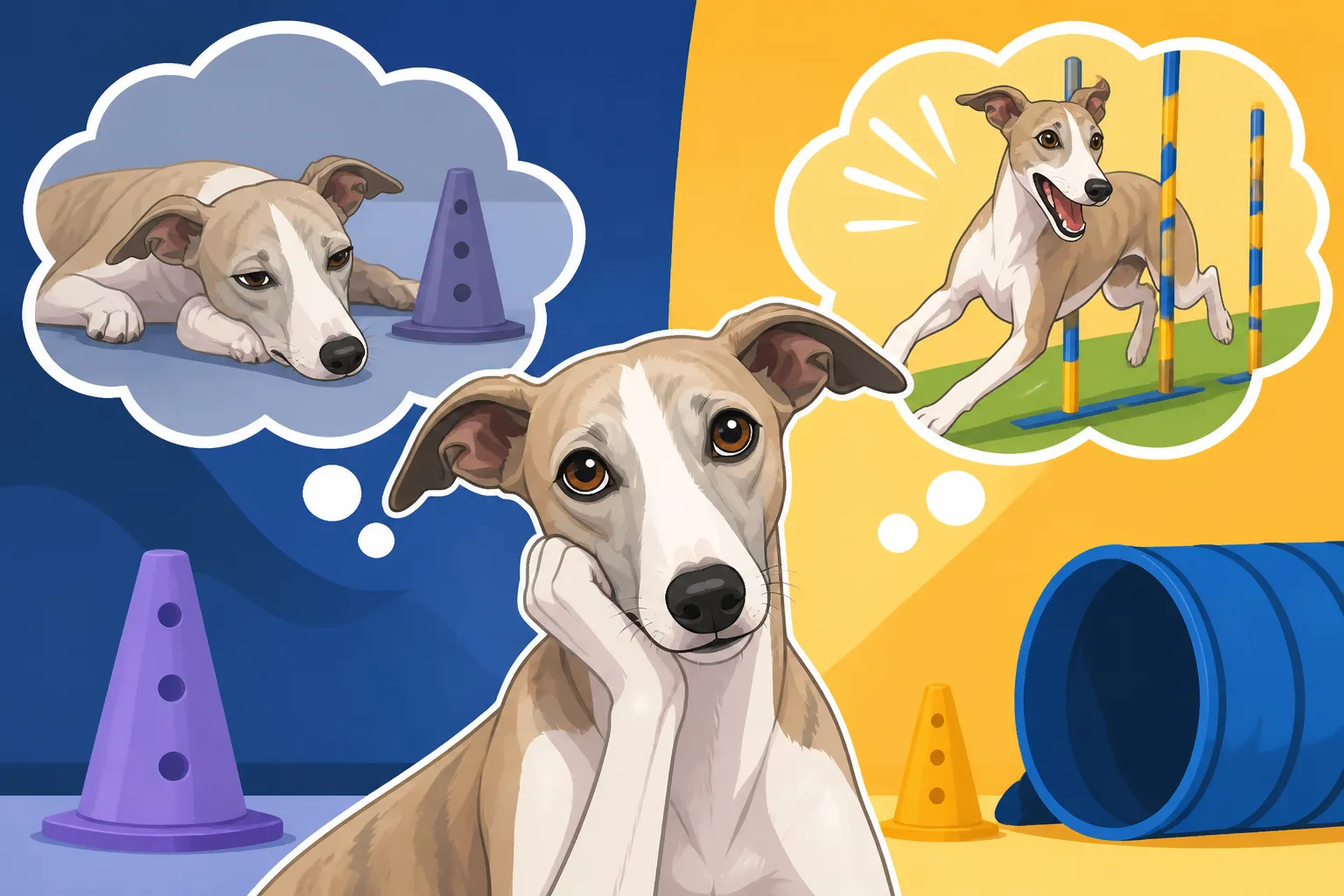
While whippets are undeniably smart, their intelligence isn't necessarily geared towards excelling in traditional obedience in the way a Border Collie's might be. They can learn commands quickly, often in just a few repetitions, but they're also quick to decide when a task has become mundane. Drilling the same "stay" command for five minutes straight might be torture for a whippet, leading them to tune out or simply walk away. They crave mental stimulation, but it needs to be varied and interesting. If you're constantly asking them to do the same thing, they can become bored, frustrated, or simply decide there are more interesting things to focus on, like a dust bunny under the sofa or the fascinating smell coming from the kitchen. This isn't laziness; it's a lack of perceived challenge or reward in the repetitive task.
Distractibility and the Environment
As sighthounds, whippets are incredibly visually oriented. Their world is full of motion, light, and subtle changes that can instantly capture their attention. A leaf blowing across the yard, a bird fluttering past the window, or even a shifting shadow can be far more interesting than your request for a perfect heel. This high distractibility, combined with their short attention spans for repetitive tasks, means that traditional drilling can be particularly challenging. Training in a quiet, distraction-free environment is often essential for initial learning, but even then, once the "newness" wears off, the smallest environmental detail can become a significant rival for their focus. Owners often mistakenly believe their whippet is being stubborn, when in reality, their sighthound instincts are simply taking over.
Spotting the "Are We Done Yet?" Signals
Learning to read your whippet's body language is key to understanding when they're losing interest in training. Ignoring these signals can lead to frustration for both of you and can actually make your whippet less enthusiastic about future training sessions. You want every interaction to be positive, so knowing when to call it quits or switch gears is vital.
The "Whippet Stare" and Selective Hearing
You know the look. Your whippet might still be sitting (or standing, or lying down) in response to your command, but their eyes are glazing over, fixed on something just beyond you, or they might even be giving you a direct, unblinking stare that clearly communicates "I'm physically here, but my brain has left the building." This is often accompanied by "selective hearing," where a command you know they understand suddenly seems to be completely new information. You might repeat "come" three times, and they just slowly turn their head, as if debating whether it's worth the effort. They're not being malicious; they're mentally disengaged. If you push through this, you risk Why a Whippet Shuts Down When Corrected as they become overwhelmed or simply tune you out completely.
Fidgeting, Yawning, and Self-Grooming
These are classic displacement behaviors in dogs, often indicating boredom, stress, or a desire to disengage from the current activity. A whippet might start scratching an itch that isn't really there, meticulously licking a paw, or suddenly need to rearrange their bedding. Frequent yawning, especially when they're not tired, is another strong indicator. They might shift their weight, stand up and lie down repeatedly, or glance at the door or another part of the room. These aren't signs of rudeness; they're your whippet's subtle ways of saying, "I'm uncomfortable, and I'd like to do something else now, please."
Slow Responses and Reduced Enthusiasm
When your whippet usually zips into a "down" command, but now they slowly sink to the floor with a sigh, that's a sign. If their tail, which usually wags with gusto for a treat, barely gives a flick, their enthusiasm is gone. They might take longer to respond to cues they previously nailed instantly, or their movements might become sluggish and less precise. This dip in performance isn't usually about not knowing the command; it's about not being motivated to execute it with their usual verve. Pay attention to their overall demeanor – a happy, engaged whippet has a lightness to their step, bright eyes, and a relaxed, forward-looking posture. When that shifts, it's time to re-evaluate your approach.
Revitalizing Your Whippet's Training Enthusiasm
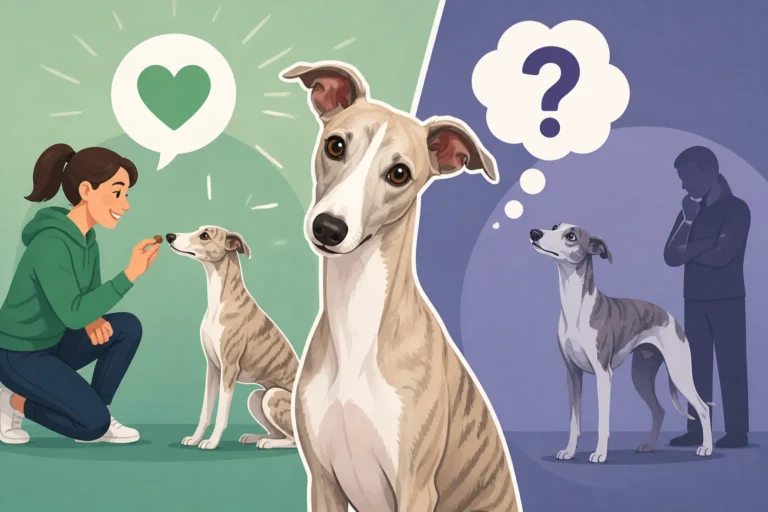
The good news is that whippets are highly trainable and eager to please when they're having fun. The key is to adapt your training methods to suit their unique sighthound nature. Forget the traditional, drill-sergeant approach; think more like a creative game show host.
Embrace Short, Dynamic Sessions
This is perhaps the most crucial tip for whippets. Their attention spans for structured, repetitive tasks are short. Aim for training sessions that last no more than 5-10 minutes, especially when introducing new concepts or doing repetitive work. It's much better to have three short, highly engaged sessions throughout the day than one long, tedious one where your whippet checks out halfway through. End on a high note, even if it means finishing after a successful "sit" rather than pushing for a perfect "stay." This leaves your whippet wanting more, rather than dreading the next session. This approach aligns perfectly with Whether Short Sessions Suit a Whippet.
Novelty is Your Best Friend
Keep things fresh! Vary the location of your training. One day, practice recalls in the living room; the next, work on 'stay' in the backyard. Introduce new tricks frequently to challenge their minds. Instead of just "sit" and "stay," teach "spin," "bow," or "fetch a specific toy."
You can find a huge variety of puzzle toys and interactive feeders on platforms like Amazon that can add novelty to their daily routine and make them work for their food in an engaging way. Even changing the type of reward can spark new interest – sometimes a squeaky toy is more motivating than a piece of kibble!
Make it a Game, Not a Chore
Turn training into a game. Hide-and-seek with you or a favorite toy is a fantastic way to practice recall in a fun, low-pressure environment. Incorporate obstacles in your yard or local park for them to jump over or weave through, turning basic commands into an agility course. Lure coursing, where a mechanical lure simulates prey, is a fantastic outlet for their natural instincts and is incredibly engaging. Consider activities like How Lure Coursing Channels a Whippet's Drive to really tap into their natural inclinations.
Positive Reinforcement with High-Value Rewards
Whippets respond best to positive reinforcement. Harsh corrections or frustration will quickly shut them down. Instead, focus on rewarding desired behaviors enthusiastically. What constitutes a "high-value" reward will vary for each whippet, but it's rarely plain kibble when they're bored. Think small pieces of cooked chicken, cheese, hot dogs, or their absolute favorite squeaky toy.
Online training platforms, such as those offered by BAXTER & Bella, often emphasize positive reinforcement techniques that are well-suited to sensitive, intelligent breeds like whippets. They can guide you in understanding What a Whippet Will Work For and how to effectively motivate them without pressure.
Harnessing Their Natural Drives
Whippets have an innate drive to chase and run. Incorporate this into your training. Games of fetch in a securely fenced area, or structured activities like Fast CAT (Coursing Ability Test) or lure coursing, allow them to express these instincts in a safe, controlled way while also engaging their minds. You can use these high-energy bursts as rewards for calm behavior or successful obedience cues. Remember, a tired whippet is often a well-behaved whippet, and mental exercise is just as important as physical. While they are couch potatoes, Whether a Whippet Needs a Daily Sprint is often true for their mental well-being.
Beyond Basic Obedience: Expanding Their Horizons
Once you've got a handle on keeping basic obedience engaging, don't be afraid to branch out into more advanced activities that truly tap into a whippet's unique talents and intelligence. These aren't just for highly competitive dogs; they're fantastic ways to build a stronger bond and keep your whippet mentally stimulated for years to come.
Agility and Canine Freestyle
Whippets excel at activities that combine speed, agility, and quick thinking. Agility courses, with their tunnels, jumps, and weave poles, are like a giant puzzle for a whippet. They get to run, think, and navigate, all while working closely with you. It’s a fantastic outlet for their energy and intelligence, and many whippets absolutely love it. If you're wondering Whether a Whippet Can Do Agility, the answer is a resounding yes, with proper training and care for their slender bodies. Similarly, canine freestyle, or "dog dancing," allows for creativity and expression, combining obedience moves with music and handler choreography. It's less about rigid drilling and more about flowing movement and teamwork, which many whippets find incredibly rewarding.
Advanced Scent Work and Nose Games
While whippets are sighthounds, their noses are also incredibly powerful. Scent work, or nose work, is a fantastic way to engage their minds and build their confidence. You can start simply by hiding treats around the house for them to find, gradually increasing the difficulty. Advanced scent work classes involve teaching them to identify specific odors, which is a mentally exhausting and incredibly satisfying activity for dogs. Whether a Whippet Takes to Scent Work is a question many owners ponder, and often, the answer is a happy surprise as they discover a hidden talent. This kind of work is low-impact physically but high-impact mentally, making it ideal for days when the weather isn't cooperating or for older whippets.
Rally and Obedience with a Whippet Twist
If you do want to pursue formal obedience or rally, remember to keep it fun and adjust your expectations. Whippets may not deliver the crisp, military-precision heeling of some working breeds, but they can certainly enjoy and succeed in these sports. The key is to focus on engagement and joy rather than perfection. Rally obedience, with its varied stations and less formal rules, is often a great starting point, allowing for more communication and encouragement between handler and dog. It keeps the exercises varied and less repetitive than traditional obedience. You might be surprised Whether a Whippet Can Compete in Obedience at all, but with the right approach and a focus on fun, they can absolutely shine.
No matter what training path you choose, remember that consistency in your approach, combined with flexibility in your methods, will yield the best results for your whippet. They thrive on clear communication and positive interactions, and a little creativity goes a long way in keeping them engaged and happy. Think of training as a partnership, a conversation rather than a lecture, and you’ll find your whippet eager to participate. After all, the ultimate goal is to have a well-adjusted, happy companion who enjoys learning and spending time with you.
Disclaimer
This article is for general informational purposes only and does not constitute professional advice. Laws, prices and regulations vary by location and change over time. Consult a qualified professional for guidance on your specific situation.