Why a Whippet Shuts Down When Corrected
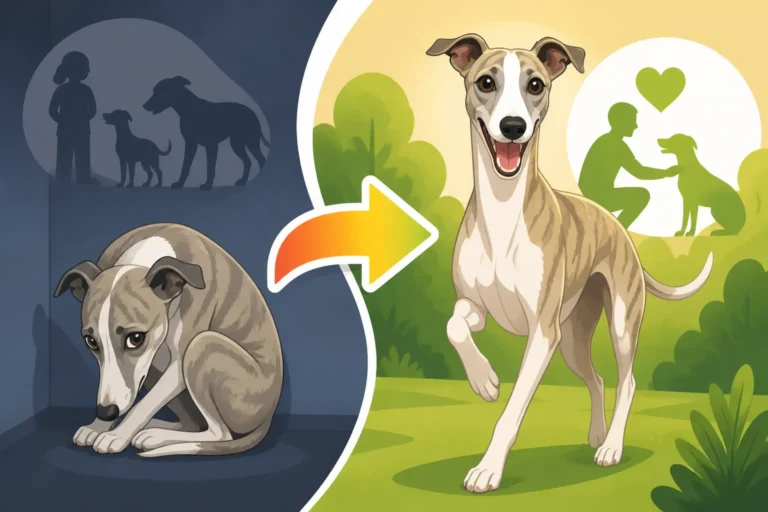
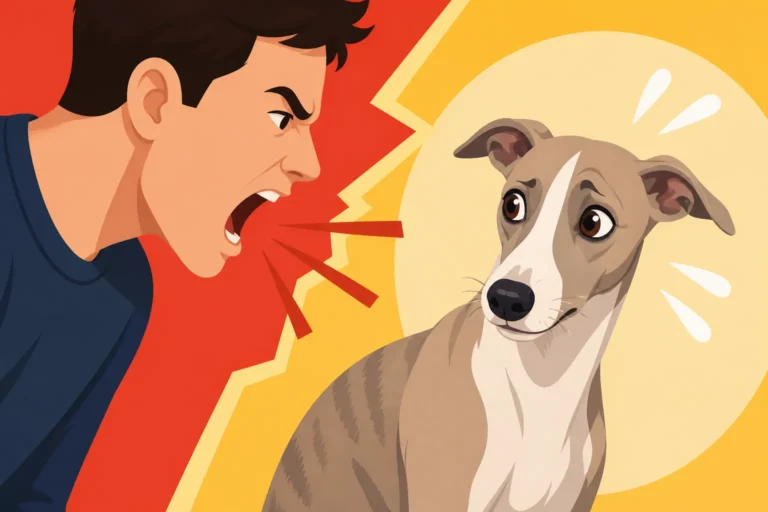
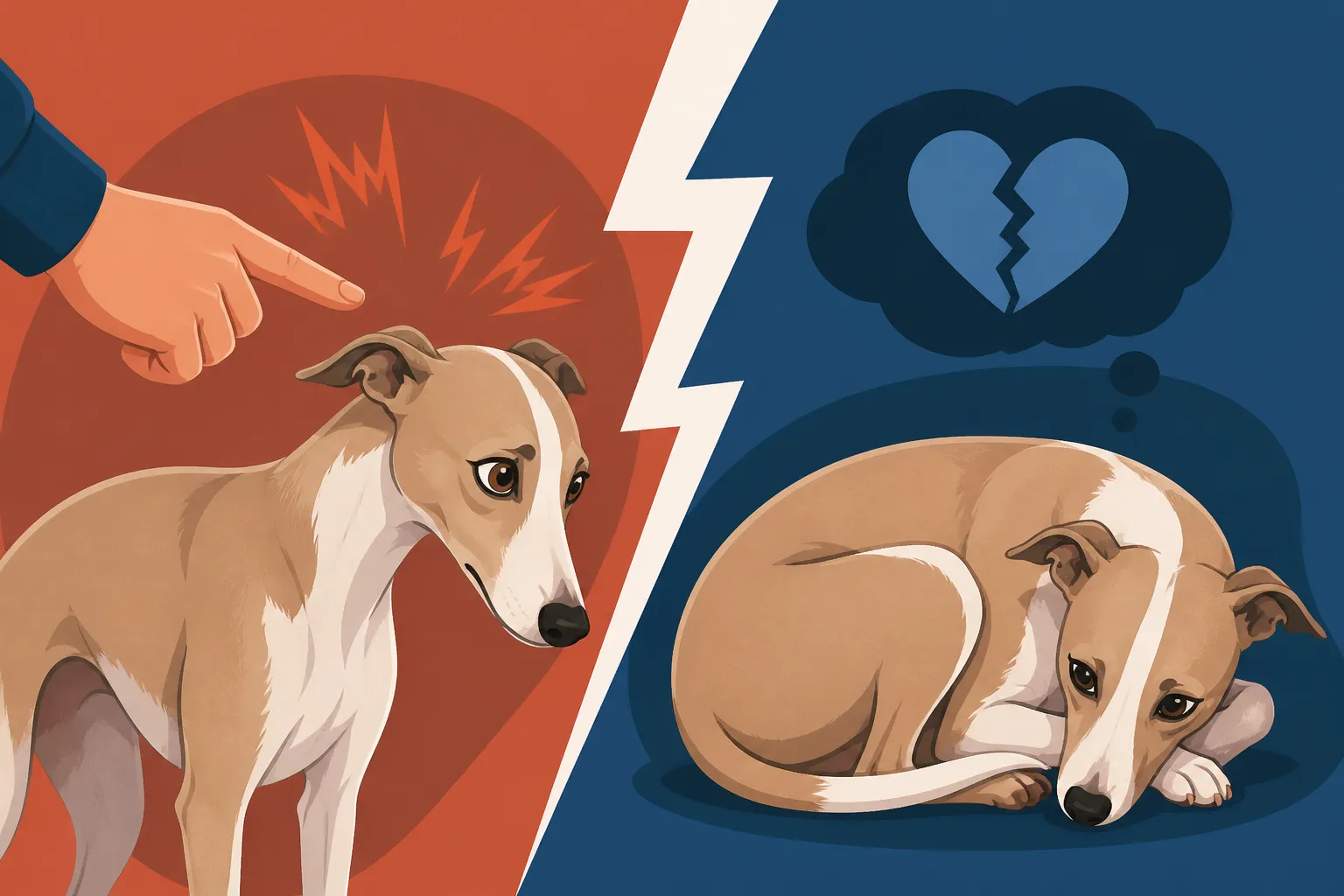
It’s a heartbreaking sight, isn't it? You’re trying your best to teach your Whippet, maybe they’ve done something you don’t want them to, and you issue a correction – a firm "no," a slightly raised voice, or perhaps an attempt to physically redirect them. And then, it happens: they don't just stop; they shut down. Their tail tucks, their eyes avert, their body language screams distress, and they retreat, becoming a shadow of their usually joyful self. It leaves you feeling awful, frustrated, and wondering if you’ve somehow broken their spirit. This guide is here to explain why your sensitive Whippet reacts this way to corrections and, more importantly, how you can build a strong, trusting relationship through more effective, compassionate methods.
The Delicate Nature of the Whippet Psyche
Whippets are not like many other breeds. They aren't built for hard-line, dominance-based training, and understanding their unique temperament is the first step to a better relationship.
More Than Just "Stubborn": Understanding Sighthound Sensitivity
When your Whippet retreats or refuses to engage after a correction, it's so easy to mistake it for stubbornness, defiance, or even a lack of intelligence. But trust me, that's rarely the case with a Whippet. These elegant sighthounds possess an incredible sensitivity that runs deep within their nature. They were bred for speed and companionship, not for guarding livestock or performing complex, repetitive tasks under duress. Their entire being is geared towards a harmonious, gentle existence.
Think about it: they are known as "Velcro dogs" for a reason, seeking out physical closeness and deriving immense comfort from their human companions. This close bond means they are acutely attuned to your emotional state. A sharp tone or a disapproving look can feel like a profound betrayal to them, not merely a command. They don't process a "correction" as an instruction; they perceive it as a threat to the safety and love they depend on from you. This isn't stubbornness; it's a deep-seated emotional response from a creature whose primary drive is to be safe and loved within its pack. They want to please you, but fear and confusion override that desire. It’s also why direct commands, especially if repeated loudly, can often be met with a blank stare, or worse, a complete withdrawal. When it comes to their natural instincts, like the powerful urge to chase, a traditional "correction" will be utterly useless. You can yell all you like, but once they've locked onto a squirrel, their chase drive will override almost anything, which is why Why a Whippet Cannot Be Let Off Leash in an Open Field is such critical advice.
The Physicality of Correction and Thin Skin
One of the most striking physical characteristics of a Whippet is their incredibly fine, thin skin and lean build. They don't have the thick hides or dense musculature that might cushion other breeds from physical contact. This isn't just a cosmetic detail; it profoundly impacts how they experience the world, including any physical correction, no matter how gentle you might intend it to be.
A light tap on the rear, a firm grab of the collar, or even a push to move them can be genuinely startling or even painful for a Whippet. Their skin is delicate, prone to bruising, and offers very little padding over their prominent bones. What might be a mild correction for a Labrador could register as a sharp, uncomfortable jab for a Whippet. This physical vulnerability means that even a well-intentioned physical redirection can easily cross the line into causing actual discomfort or fear. Instead of understanding what you want them to do, they simply register the sensation as unpleasant and frightening, associating it with you. This can lead them to flinch away from your touch, anticipate pain, and ultimately shut down to cope with the perceived threat. It's a sad reality that their delicate nature can lead to misunderstandings during training, and it underscores just how carefully we need to approach any physical interaction. It’s no wonder we often find ourselves at the vet needing The Thin Skin That Sends a Whippet to the Vet for Stitches from even minor scrapes, and this same delicate quality makes them so sensitive to pressure and touch.
Their Ancestry and Lack of "Working Dog" Mentality
To truly understand your Whippet, you need to look back at their history. Unlike many popular breeds developed for tasks like herding, guarding, or retrieving, Whippets originated from a very different lineage. They emerged from the working-class communities of Northern England, specifically developed for "rag racing" – essentially, racing after a lure or a rag across an open field. Their primary roles were to be lightning-fast sprinters and cherished companions.
This is critical because it means they were never selectively bred for the kind of biddability or resilience to pressure that you see in many traditional working breeds. A German Shepherd or a Border Collie might thrive on a structured, command-heavy training regime, even with some firm corrections, because their genetic blueprint includes a drive to work closely with humans and respond to clear, strong direction. Whippets, on the other hand, spent their days as beloved family members, often sleeping in their owners' beds, and then exploded with energy on race day. They weren't expected to guard, herd, or perform complex obedience routines under harsh conditions. Their training revolved around their innate chase drive and a deep, affectionate bond with their family. This history means they lack the genetic predisposition to tolerate or respond well to confrontational training. They weren't bred to be pushed or corrected forcefully; they were bred for speed and a gentle temperament. If you want to dive deeper into their fascinating roots, understanding The Poor Man's Racehorse: Whippets in the Northern Coalfields truly helps paint a picture of their historical context.
Why "Corrections" Cause Shutdown, Not Compliance
When a Whippet shuts down, it's not a sign of them being difficult; it's a clear indicator that the correction method has backfired, causing distress rather than facilitating learning.
Fear, Confusion, and Broken Trust
Imagine you're trying to learn a new skill, and every time you make a mistake, someone yells at you or gives you a sharp, unpleasant poke. Would you feel motivated to try harder? Or would you become anxious, confused, and eventually just stop trying altogether? That's precisely what happens to a Whippet when faced with corrections. They don't connect your angry tone or physical reprimand to the specific action they just performed. Instead, they associate your displeasure with your presence.
A Whippet who just had an "accident" on the rug and is then yelled at might learn that you getting home means something bad is going to happen, rather than understanding that peeing indoors is the problem. They become fearful of you, unsure of what they might do to incur your wrath next. This fear isn't conducive to learning; it's debilitating. It erodes the trust that is so fundamental to the Whippet-human bond. They may start to avoid eye contact, cower when you approach, or try to escape the situation entirely. A raised voice, no matter how justified it might feel to you in the moment, can have a surprisingly profound and negative impact on these sensitive souls. If you've ever wondered How a Whippet Reacts to a Raised Voice, you'll quickly see that it's almost always with apprehension and withdrawal.
The "Learned Helplessness" Phenomenon
The concept of "learned helplessness" is a critical one to understand when dealing with sensitive dogs, especially Whippets. This isn't just about temporary fear; it’s a more profound psychological state. It occurs when an animal repeatedly experiences unpleasant stimuli (like corrections) from which they cannot escape or control. Over time, they stop trying to escape or respond, even when opportunities to do so become available. They essentially learn that their actions don't matter, and that struggling is pointless.
For a Whippet, this can manifest as a complete shutdown: they might freeze, become unresponsive, avoid all interaction, or simply lie down and refuse to move. Their bright, curious eyes might become dull, and their usually bouncy demeanor will vanish. They are not being disobedient; they are overwhelmed and have given up trying to understand or influence their environment. This state is incredibly detrimental to their well-being and their ability to learn. It can be incredibly frustrating for an owner because it looks like a lack of will, when in reality, it's a deep-seated emotional coping mechanism. They might even seem to "sulk" or carry a disposition of sadness for longer than you'd expect. If you've ever observed How Long a Whippet Holds a Grudge, you know this isn't a fleeting emotional state for them.
Ineffective and Counterproductive Outcomes
Traditional, punitive corrections often fail to achieve their intended purpose with a Whippet, and in fact, can be deeply counterproductive. While a quick, harsh correction might suppress an unwanted behavior in the short term, it rarely teaches your dog what to do instead. For example, if you scold your Whippet for jumping on guests, they might stop jumping when you're around, but they haven't learned an alternative behavior like "four paws on the floor." The jumping might simply reappear when you're not there, or they might become anxious about greetings altogether.
Worse, punitive methods can create new, unwanted behaviors. A Whippet might become sneaky, performing undesirable actions out of your sight to avoid punishment. They might develop anxiety-related behaviors like excessive licking, chewing, or even subtle forms of aggression (though rare in Whippets, fear can make any dog lash out). They also learn to associate the unpleasantness with whatever is happening around them, leading to fear of places, people, or other dogs. Instead of building a confident, well-adjusted companion, you risk creating a fearful, shut-down dog who is hesitant to engage with the world. Tools designed for punishment, like choke chains, prong collars, or electronic collars, are particularly egregious for a Whippet's delicate neck and sensitive disposition, leading only to pain and psychological distress without any real learning.
| Type of Correction | Whippet Reaction (Typical) | Effect on Training |
|---|---|---|
| Loud Voice/Scolding | Cowering, freezing, avoiding eye contact, retreating | Fear, anxiety, mistrust in handler, confusion |
| Physical "Correction" | Pain, confusion, total shutdown, flinching from touch | Broken bond, learned helplessness, physical discomfort |
| Startle (e.g., shaker can) | Extreme fear, avoidance of handler/object, heightened anxiety | Suppressed behavior (not learned), emotional damage |
| Ignoring/Time-out | Can be effective for minor attention-seeking, but often confusing for complex behaviors | May not teach desired alternative, can cause distress if misunderstood |
| Positive Reinforcement | Engagement, happy anticipation, confidence, willingness to try | Strong bond, lasting learning, confident behavior |
Building a Bond Through Positive Reinforcement
The good news is that there’s a far more effective, and far kinder, way to train your Whippet: positive reinforcement. This method focuses on rewarding desired behaviors, making learning a joyful and confidence-building experience.
Understanding What Motivates a Whippet
To effectively use positive reinforcement, you need to know what truly makes your Whippet tick. For these sensitive souls, motivation isn't about avoiding punishment; it's about gaining rewards and strengthening their bond with you. High-value treats are almost always at the top of the list. Think small pieces of cooked chicken, cheese, or even their favorite soft training treats. The smellier and tastier, the better! These aren't just bribes; they are tangible signals that they've done something right, reinforcing the behavior.
Beyond food, Whippets are incredibly motivated by gentle praise and affection. A soft, happy voice, a gentle scratch behind the ears, or a cozy snuggle on the sofa can be just as rewarding as a treat. Short, playful training sessions that end on a high note keep them engaged and eager for more. They also thrive on comfort – a warm bed, a soft blanket, or a quiet spot near you can be immensely motivating. They love toys, too, especially those they can chase and "kill" softly. Knowing What a Whippet Will Work For is key to unlocking their potential and making training a truly fun experience for both of you.
The Power of Reward-Based Training
Positive reinforcement isn't just a gentle alternative; it's scientifically proven to be the most effective way to train any dog, especially sensitive breeds like Whippets. By rewarding the behaviors you want to see, you're building confidence, encouraging engagement, and fostering a strong, trusting relationship. When your Whippet offers a desired behavior and receives a reward, they are far more likely to repeat that behavior. They learn that engaging with you and trying new things leads to pleasant outcomes.
This approach bypasses the fear and confusion associated with corrections entirely. Instead of shutting down, your Whippet will be eager to participate, looking to you for guidance and anticipating the next fun interaction. It turns training into a game, strengthening your bond rather than eroding it. Many online resources and courses, such as those offered by BAXTER & Bella, are built entirely on positive reinforcement principles, providing structured programs that help owners understand how to communicate effectively and kindly with their dogs. This is proof that Whether Positive Training Alone Works on a Whippet is not even a question—it absolutely does, and it's the best approach.
Practical Application: Shaping Desired Behaviors
Implementing positive reinforcement involves being proactive, clear, and consistent. Instead of waiting for your Whippet to do something "wrong" and then correcting it, you'll focus on teaching them what you want them to do.
Let's take a common scenario: your Whippet grabs something they shouldn't have. Instead of yelling "drop it!" and chasing them (which often turns into a fun game for them), you can teach a solid "drop it" command. Start with something they can have. Say "drop it" as you offer a higher-value treat right near their nose. The moment they open their mouth to take the treat, they've "dropped" the original item. Reward profusely. Repeat this many times. Soon, "drop it" will mean "let go of this, because something better is coming!"
Similarly, if your Whippet struggles with recall, instead of scolding them when they finally come back after a long chase, practice in a safe, enclosed area using a long line. Call them, and the moment they turn towards you, celebrate and reward them with their favorite treat or a gentle game. Build up distance gradually. You can find excellent long lines and high-quality training treats easily on Amazon, which can be invaluable tools for this kind of training. Even complex behaviors, like teaching a Whippet to coexist peacefully with a cat, which can be a challenge given their prey drive, are best achieved through patient, reward-based methods as explored in Teaching an Adult Whippet to Live With Cats. This shaping of behavior helps them understand and choose the right actions, rather than just fearing the wrong ones.
Restoring Trust After a Shutdown
If your Whippet has already experienced a shutdown due to previous corrections, it’s not too late. Rebuilding that trust and confidence is absolutely possible, but it requires patience, understanding, and a consistent shift in your approach.
Creating a Safe and Predictable Environment
The first step in restoring trust is to create an environment where your Whippet feels completely safe and secure. This means eliminating harsh corrections, loud voices, and unpredictable outbursts. Consistency is key. Establish clear routines for feeding, walks, and playtime so your Whippet knows what to expect, reducing anxiety.
Ensure your home is a calm and quiet haven. Whippets are highly sensitive to their surroundings, and a chaotic or noisy environment can add to their stress. Designate specific safe spaces for them – a soft, cozy bed in a quiet corner where they won't be disturbed. When you interact with them, keep your tone of voice soft, gentle, and reassuring. Avoid sudden movements or approaching them aggressively. Let them initiate contact often, and respect their space if they choose to retreat. Remember, for a Whippet, a calm and predictable home is not just a preference, it's a fundamental need, as highlighted in Whether a Whippet Suits a Quiet Home. This foundation of safety allows them to slowly start letting their guard down.
Gentle Re-Engagement and Play
Once you've established a safe environment, the next step is to gently re-engage your Whippet and rebuild positive associations with you. This isn't about forcing interaction; it's about inviting it on their terms. Start with quiet, calm activities. Sit on the floor near them without demanding attention. Read a book, watch TV, or do something peaceful. Let them come to you.
When they do approach, offer gentle, soft strokes and speak in a soothing voice. Avoid intense eye contact initially, as this can be perceived as a threat. Offer a high-value treat without making a big fuss. Short, quiet play sessions with a favorite toy can also help. A soft tug toy or a lure toy that mimics their chase instinct can be great for building confidence and fun interactions. Keep these sessions brief and end them before your Whippet gets overwhelmed or tired, always leaving them wanting more. The goal is to slowly re-establish that your presence brings good things and that interacting with you is a positive, pressure-free experience.
Patience, Persistence, and Professional Guidance
Rebuilding trust after a shutdown takes time – sometimes weeks or even months. It’s crucial to approach this process with immense patience and persistence. There will be days when you feel like you've made progress, and then days when your Whippet seems to regress. Don't get discouraged, and absolutely do not resort to old, corrective methods. Every positive interaction, every moment of gentle reassurance, contributes to healing their emotional landscape.
If you find yourself struggling, or if your Whippet's shutdown is particularly severe or long-lasting, don't hesitate to seek help from a qualified professional. Look for a certified professional dog trainer who specializes in positive reinforcement and has experience with sighthounds or highly sensitive breeds. Avoid any trainer who suggests punitive tools or methods, as these will only undo your progress. A good trainer can provide personalized guidance, help you understand your Whippet's body language better, and offer specific strategies for rebuilding their confidence. Remember, some emotional wounds, especially those incurred during critical developmental periods, can be deep, and just as with an undersocialized puppy, Whether an Undersocialized Whippet Recovers often depends on consistent, expert-guided effort. Investing in professional help is an investment in your Whippet's happiness and your shared future.
Disclaimer
This article is for general informational purposes only and does not constitute professional advice. Laws, prices and regulations vary by location and change over time. Consult a qualified professional for guidance on your specific situation.